






Brass Inlaid Caddy
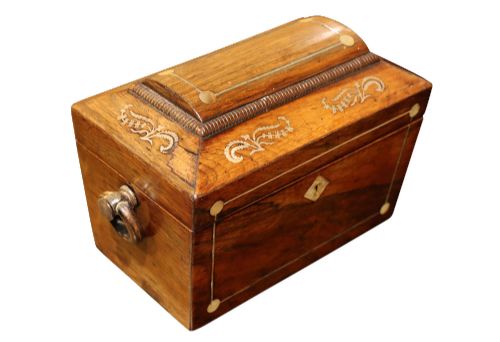
A brass inlaid caddy is a small timber chest designed to store tea, bringing disciplined ornament into domestic spaces.
Brass Inlaid Caddy
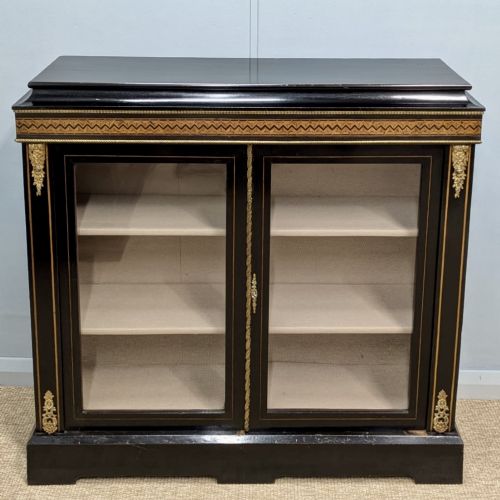
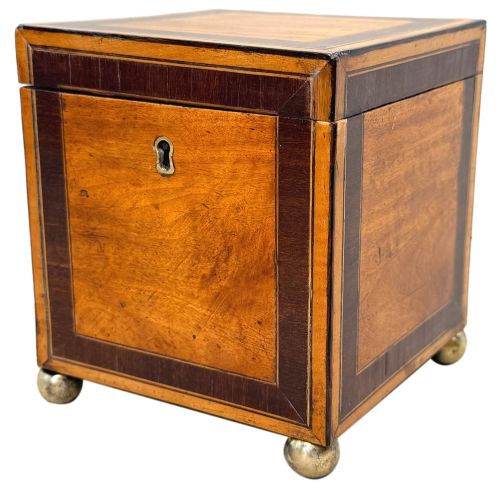
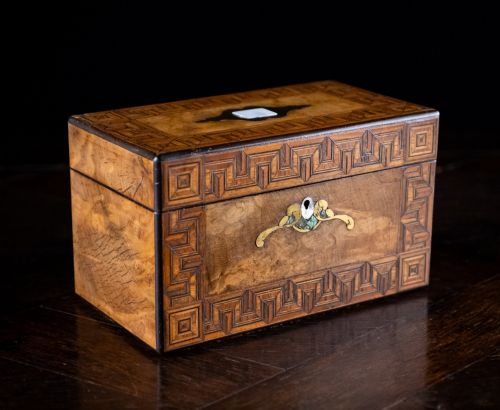
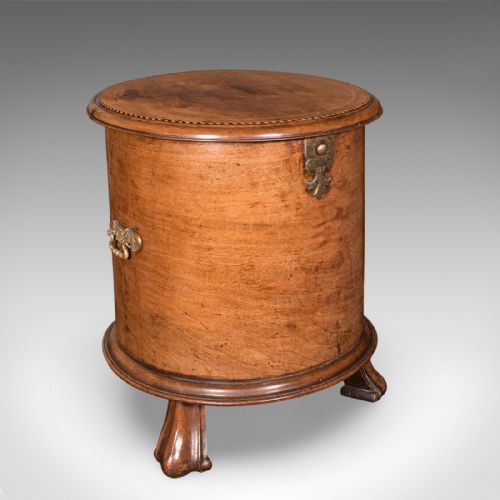
A brass inlaid caddy serves as a repository for valuable leaves, taking forms from simple rectangular boxes to sarcophagus shapes and standing teapoys. The pieces appearing most frequently on this page date from the Georgian, Regency, and Victorian periods, reflecting shifting tastes in domestic hospitality.
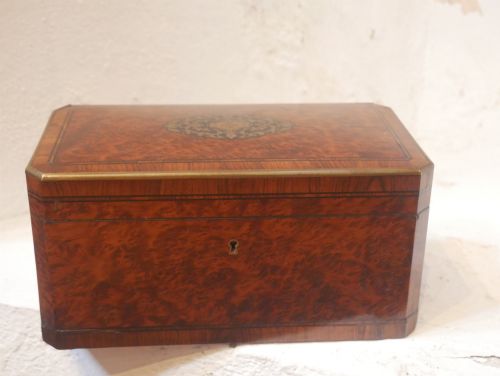
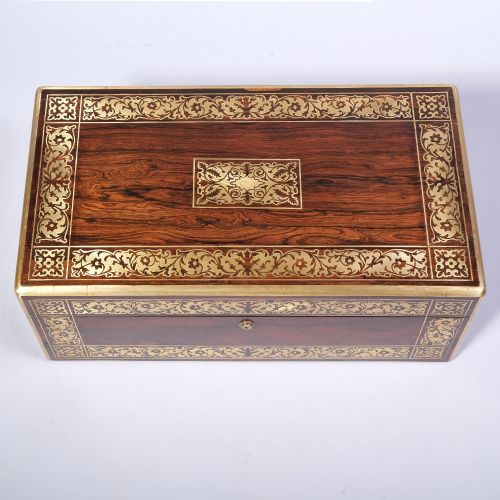
Makers construct these boxes primarily in dense timbers such as rosewood and mahogany, enriching the surfaces with meticulous metal stringing and geometric motifs. Alongside tea caddies, the selection encompasses related storage containers including writing boxes, sewing boxes, and decorative caskets.
Originating largely from British and French workshops, these containers display regional variations in construction, from English sarcophagus forms to continental tantalus sets and parquetry boxes. Surviving examples demonstrate how households secured precious commodities while displaying status through fine cabinetmaking.
Materials and Construction
Craftsmen select rich hardwoods including rosewood, mahogany, and walnut as the primary structural bodies for these boxes, often choosing figured veneers to create visual depth. They recess brass stringing, plaques, and floral motifs directly into channels cut into the timber surface.
Secondary materials such as mother-of-pearl, tortoise shell, boxwood, and ebony complement the brass inlay, providing contrast in tone and texture. Interior compartments frequently retain fitted wooden lids, glass mixing bowls, or metal canisters designed to preserve the contents.
Brass Inlaid Caddy Retail Price Guide 2026
Typical asking prices for brass inlaid caddy among the pieces listed under this phrase on Sellingantiques today, from the lower quarter to the upper quarter. They describe what is for sale here now, not the wider market.
One French caddy doubles as a portable bar, equipped with four Baccarat perfume scent bottles ready for impromptu travelling refreshments.
Judging Quality
The precision of the brass inlay work dictates the baseline standard of the piece, where tight joints between the metal and the surrounding timber indicate superior cabinetmaking. Pieces that maintain crisp edges along the brass stringing and retain their original escutcheons stand apart from later restorations.
The selection of the underlying timber veneer heavily influences the visual weight of the box, with well-figured rosewood or burr walnut elevating the piece. Furthermore, internal completeness - such as surviving canisters, mixing bowls, and working locks with keys - separates standard containers from exceptional examples.
Tahan
The Brass Inlaid Caddy Glossary
- Tea caddy
- A small lidded box designed for storing loose tea leaves securely under lock and key. The term derives from catty, a Chinese unit of weight.
- Teapoy
- A pedestal table fitted with a lidded box compartment on top for holding tea, often standing on a central pillar with tripod feet. These pieces combined the functions of a table and a storage chest.
- Sarcophagus
- A coffin-shaped box profile featuring a domed lid and tapering sides, popular during the Regency period for grand tea containers. This architectural silhouette added monumentality to small domestic objects.
- Stringing
- Thin strips of contrasting wood or metal inlaid into shallow channels on a furniture surface to create linear borders. This technique defines the panels and geometric layouts on many boxes.
- Parquetry
- Geometric wood-mosaic work arranged in repeating patterns across a surface. Artisans use contrasting timbers to construct interlocking shapes that create a decorative veneer.
Brass Inlaid Caddy: Frequently Asked Questions
What is a brass inlaid caddy used for?
These boxes originally held precious tea leaves when tea was an expensive commodity requiring careful storage under lock and key.
Today, collectors use them as decorative storage containers for small keepsakes, jewellery, or writing materials around the home.
How do I date a Regency tea caddy?
Regency pieces typically feature characteristic architectural forms such as sarcophagus shapes, bold rosewood veneers, and precise brass stringing executed between eighteen-ten and eighteen-thirty.
Examining the internal construction, hardware, and secondary woods helps confirm the period against known cabinetmaking styles.
Are the interior canisters usually original?
Many surviving boxes retain their original fitted wooden lids, glass mixing bowls, or metal canisters designed to separate different tea blends.
Replacements do occur over centuries of use, so checking the fit and material consistency against the main box is standard practice.
How should I care for a rosewood box?
Rosewood benefit from stable environmental conditions away from direct sunlight and extreme humidity fluctuations to prevent timber movement.
Applying a minimal amount of appropriate furniture wax preserves the polish without harming the delicate brass inlay.