


Brass Horse Figures
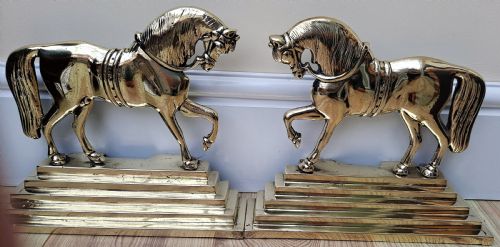
Brass horse figures bring heavy metal form and equine grace to a room, functioning as robust doorstops, bookends and sculptural ornaments.
Brass Horse Figures
Brass horse figures encompass a diverse range of heavy metal equines designed to hold doors, support books or stand as independent statues. When you search for brass horse figures, you encounter pieces that serve practical household roles alongside purely decorative sculptures.
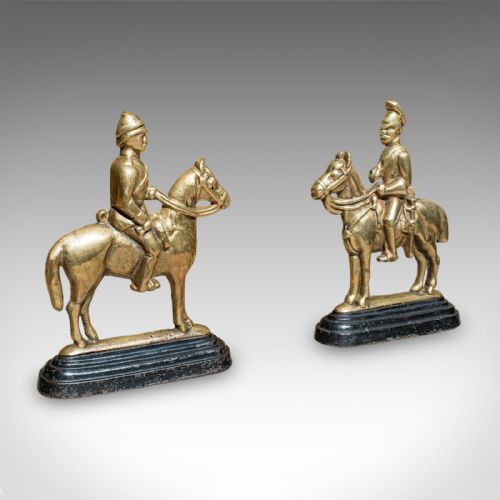
The selections span functional items like English chimney horses and door porters alongside decorative statuettes and bookends. Forms range from domestic Victorian door keeps to French Marly horse statues, Chinese bronzes and African Benin horseman figures.
Dating ranges primarily across the nineteenth and early twentieth centuries, incorporating Victorian, Georgian, Edwardian, Neoclassical, Chinese Asian Art and African Tribal Art styles.
How they were made
Items are principally produced through casting methods, utilising solid brass, cast brass, and bronze to achieve substantial weight. This heaviness suits practical applications such as keeping doors open or securing rows of books.
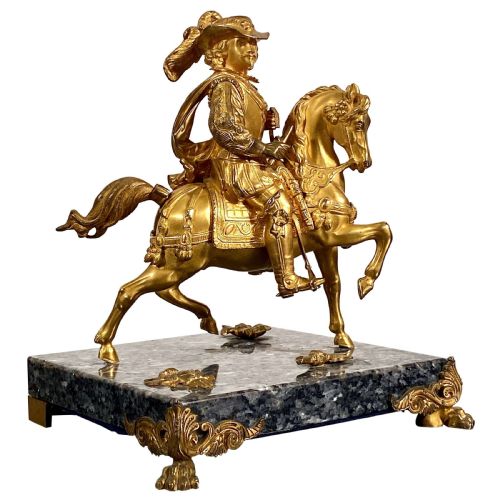
Surface finishes include gilt bronze, ormolu, and patinated bronze, adding distinct tonal depth and visual texture. Some figures are mounted onto secondary materials like marble bases for stability and display presence.
One notable piece weighs a solid seven kilograms, ensuring that no unruly library door will ever win an argument against it.
What varies in quality
Quality rests in the crispness of the casting detail and the proportion of the animal anatomy. Superior examples exhibit sharply rendered musculature, tack and harness details rather than smoothed or rounded edges.
Substance and weight dictate utility, particularly in functional objects like doorstops and bookends. Heavier castings provide better practical function, while finer decorative bronzes and ormolu pieces rely on refined finishing work.
The Brass Horse Figures Glossary
- Doorstop
- A heavy object used to keep a door open. These often take the form of animals or figures with weighted bases.
- Ormolu
- Gilded bronze, where a gold-mercury amalgam is applied to a bronze object. This technique imparts a rich golden sheen.
- Marly Horse
- A monumental sculpture type based on the famous marble horses commissioned for Louis XIV. They depict rearing horses restrained by handlers.
- Bookends
- A pair of heavy supports placed at the ends of a row of books to keep them upright. Mounted horse figures frequently serve this purpose.
Brass Horse Figures: Frequently Asked Questions
What were brass horse doorstops used for?
These heavy metal figures served a practical purpose in large homes and draughty corridors. They held heavy interior doors open to allow servants and residents to move freely between rooms.
Beyond utility, they added a decorative touch to hearths and hallways. Their substantial weight ensured the door remained fixed in place.
How do I identify a Victorian horse figure?
Victorian examples often display robust casting techniques and realistic or Neoclassical styling. They frequently appear as utilitarian doorstops or weighted bookends designed for nineteenth-century interiors.
Materials typically include cast brass or bronze, sometimes paired with marble bases. Makers leaned towards domestic utility combined with equestrian motifs popular during the period.
Are these figures solid brass?
Many listings specify cast brass, bronze, or cast metal construction. This solid composition provides the necessary weight for holding doors or supporting books.
Some pieces incorporate surface treatments like gilt bronze or ormolu over the base metal. The substantial heft is a primary indicator of their period manufacturing standards.
How should I display a horse statue?
Large sculptures and statuettes suit heavy wooden sideboards, mantels or dedicated display stands. Their weight allows them to anchor a room visually.
Smaller paired pieces function naturally as bookends on shelves or desks. Functional doorstops can remain on the floor in use or sit on display against a study wall.