



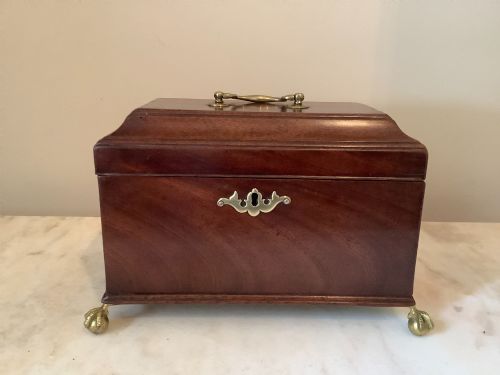


Brass Handled Caddy
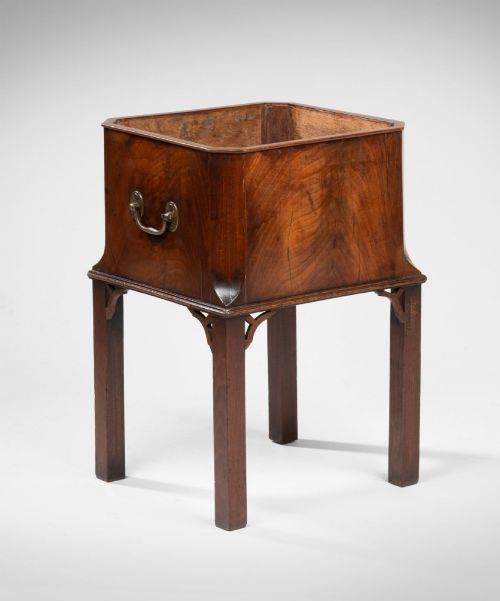
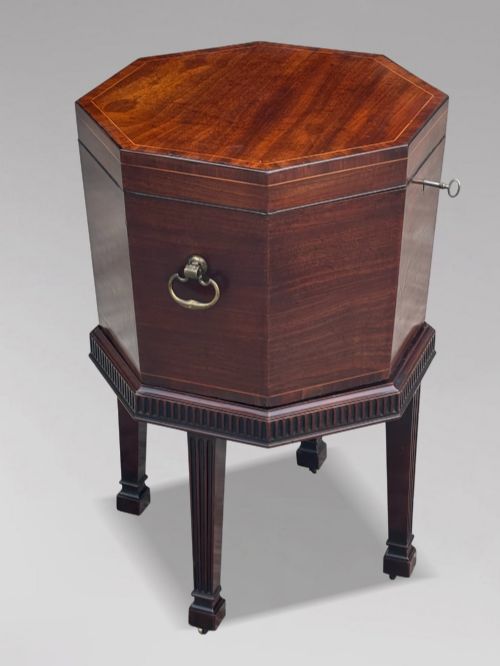
These brass handled caddy pieces are timber storage containers and carriers shaped by Georgian and Regency hands for tea, wine and valuables.
Brass Handled Caddy
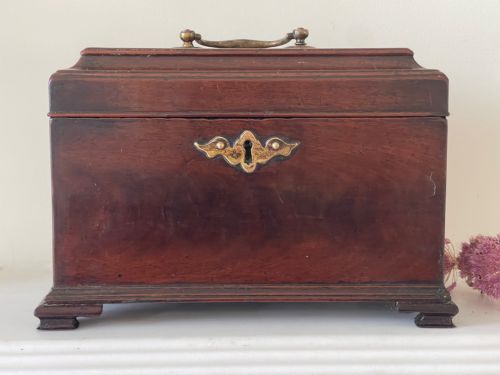
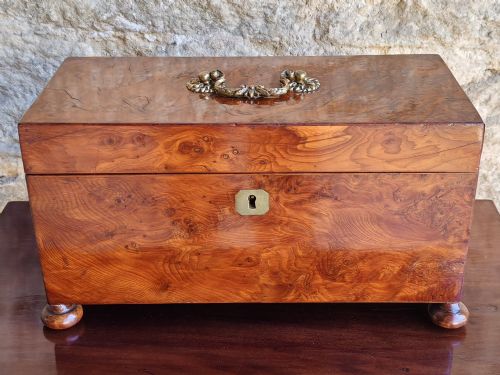
When you search for a brass handled caddy, you encounter timber boxes and small chests designed for domestic storage during the Georgian and Regency periods. The forms include dual compartment tea caddies, sarcophagus shaped wine coolers, bottle carriers and small chests featuring secure brass lifting hardware.
The version you meet most often on this page is the mahogany tea caddy or wine carrier originating from the eighteenth and early nineteenth centuries. These vessels often incorporate internal compartments, secret drawers and inlaid woods alongside their signature metal handles.
Materials and construction methods
Cabinet makers built these containers using solid and veneered timbers including mahogany, satinwood, yew wood, burr walnut and burr thorn wood. Boxwood and ebony stringing frequently accentuate the surfaces, while brass provides the hinges, escutcheons and carrying handles.
Joinery techniques span from simple dovetailed boxes to curved bow fronts, domed lids and sarcophagus shapes. Metal components such as lion mask handles and brass binding secure the heavy timber bodies for transport and daily use.
Brass Handled Caddy Retail Price Guide 2026
Typical asking prices for brass handled caddy among the pieces listed under this phrase on Sellingantiques today, from the lower quarter to the upper quarter. They describe what is for sale here now, not the wider market.
The documented periods span from George II and George III through the Regency era and into early twentieth century revivals.
Quality variations in antique caddies
The distinction between standard containers and finer examples rests upon timber selection and secondary woods. Richly figured grain patterns such as burr walnut or burr thorn combined with precise stringing elevate a piece above plain mahogany versions.
Design ambition separates basic boxes from sophisticated carriers. Inclusion of secret drawers, metal canisters, penwork decoration or heavy cast brass mounts indicates skilled workshop execution.
Mappin and Webb·Watson London·Giles Grendey
The Brass Handled Caddy Glossary
- Caddy
- A small box or chest originally designed for storing loose tea leaves. The term derives from catty, the Chinese unit of weight.
- Cellarette
- A lockable container used for holding bottles of wine or spirits. These pieces frequently feature brass carrying handles and internal divisions.
- Sarcophagus
- A box shape with a domed or sloping lid tapering downwards, popular during the Regency period. This architectural form lent a monumental appearance to small wooden containers.
- Stringing
- A narrow inlay of contrasting timber used to outline panels, drawers and box lids. Cabinet makers utilised boxwood and ebony for this decorative edging.
- Escutcheon
- A protective plate surrounding a keyhole, usually fashioned from brass. It guards the surrounding wood from wear by the key.
Brass Handled Caddy: Frequently Asked Questions
What were tea caddies used for?
Tea caddies stored precious loose leaf tea when the beverage was an expensive luxury in Georgian households. The containers often featured locks to protect the contents from domestic servants.
Many examples included internal lidded compartments to keep different varieties of black and green tea separate before mixing them in the teapot.
How do I identify a Regency caddy?
Regency pieces often display architectural forms such as sarcophagus shapes, sarcophagus bodies and bold mahogany veneers. Cabinet makers utilised brass lion mask handles and elaborate inlay during this period.
Proportions became heavier and more classical around the early nineteenth century, moving away from the lighter serpentine lines of earlier decades.
What is a caddy top?
A caddy top describes a moulded table or chest lid with a raised central panel resembling the stepped lid of a tea caddy. This profile appeared on Georgian furniture including chests of drawers and bracket clocks.
The edge treatment adds a distinct stepped visual weight to the upper surface of the cabinet.
How should I care for timber caddies?
Keep antique wooden caddies away from direct sunlight and sudden temperature shifts to prevent the mahogany or veneered surfaces from splitting. Gentle dusting with a dry cloth maintains the polish.
Avoid placing damp items directly onto the interior wood, particularly in pieces that once held bottles or liquid containers.