




Brass Hand Clock
A brass hand clock combines heavy metalwork and precise timing, offering a functional focal point that anchors a room with period character.
Brass Hand Clock
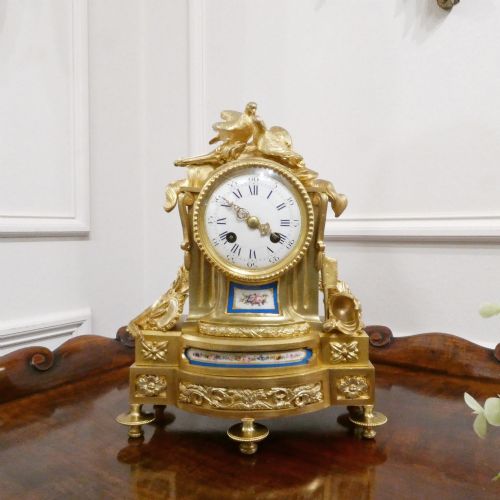
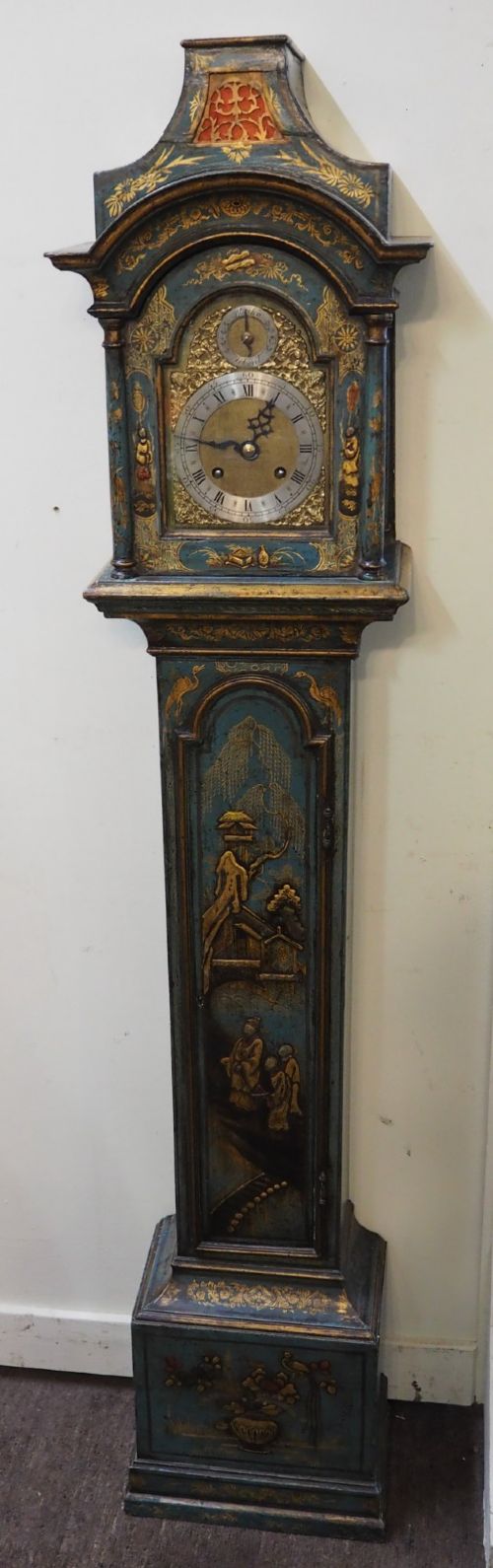
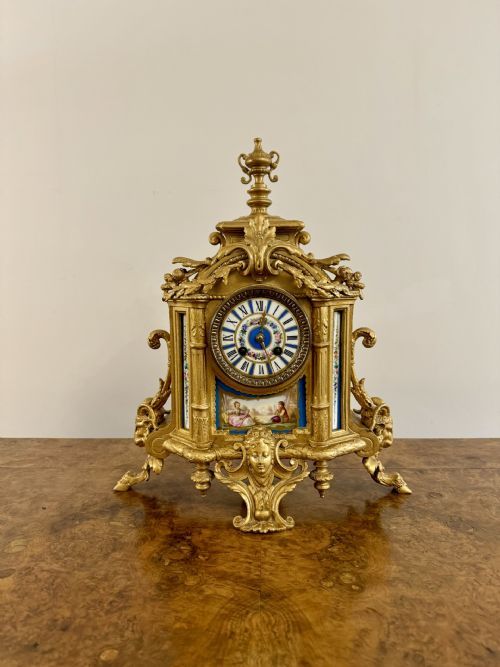
A brass hand clock is a horological piece defined by metal casing and traditional timekeeping mechanics, encompassing everything from sturdy English lantern clocks to ornate French mantel pieces. When you search for a brass hand clock, you encounter domestic timepieces spanning the seventeenth century through to the art deco period, constructed in various formats like wall units, carriage clocks, and tall case longcases. The most common versions met on this page are nineteenth-century French mantel clocks and eighteenth-century English longcase designs.
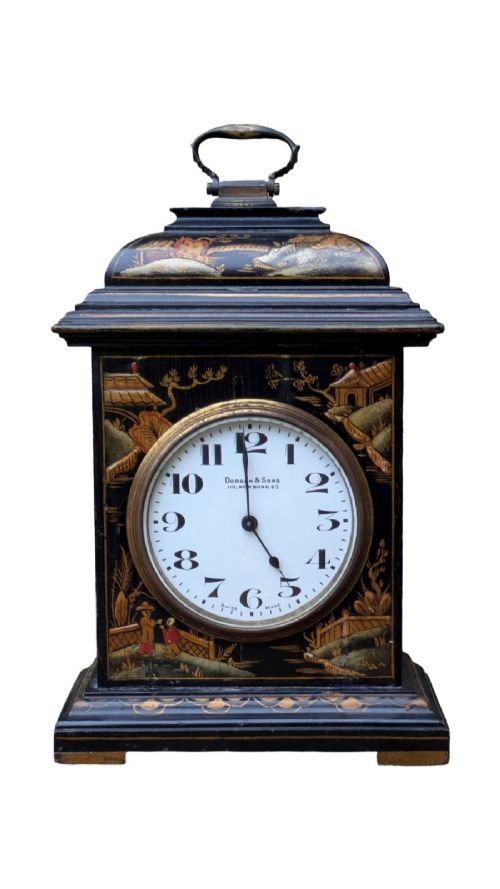
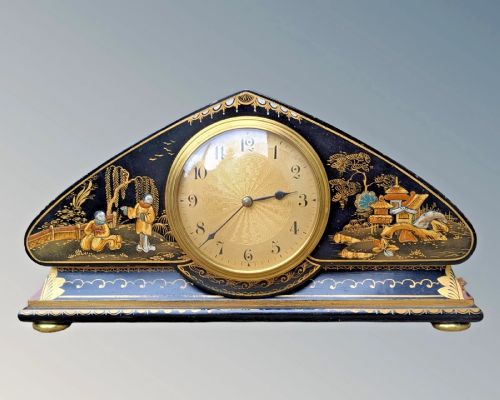
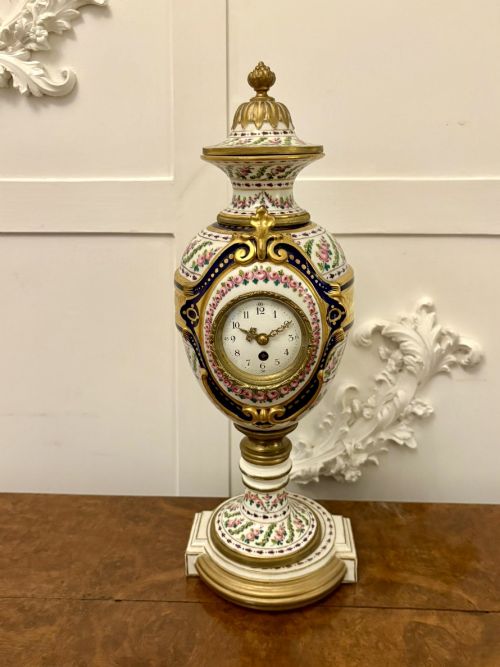
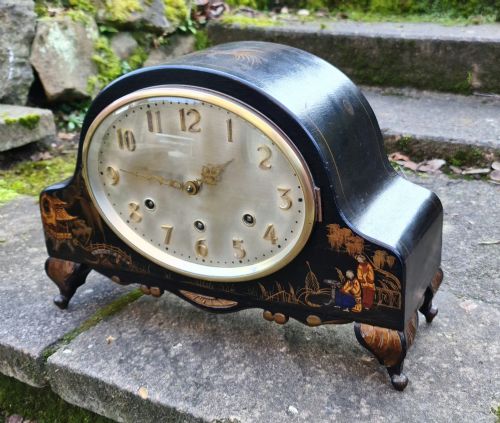
The objects serve primarily as working timepieces and decorative mantel or wall ornaments, utilising materials such as gilt bronze, porcelain panels, and lacquered wood alongside brass. Formats range from small bedside timepieces on bronze plinths to large urn-shaped mantle clocks and weight-driven longcase clocks featuring single hands.
How they were made
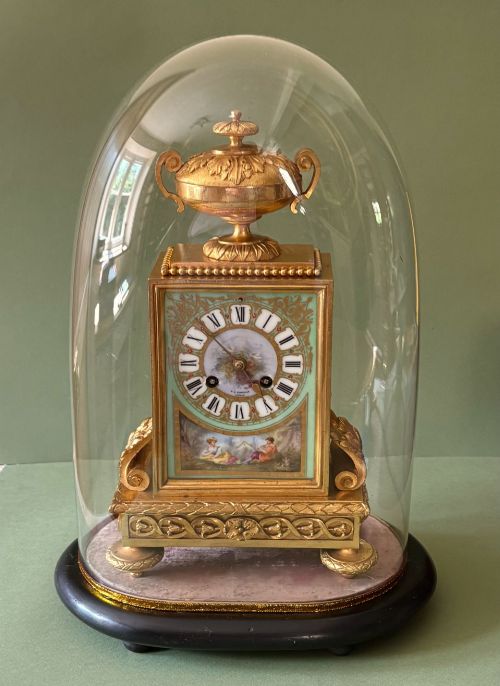
These clocks combine metal casting, joinery, and hand painting, utilising brass, ormolu, and gilt bronze for the structural cases and movements. Casings often incorporate glass domes, enamel dials, and porcelain panels decorated with hand-painted scenes.
Early English lantern clocks rely on hook and spike wall mountings and brass frames, whilst later French mantel clocks employ heavy cast brass and ormolu mounts paired with detailed porcelain elements.
Brass Hand Clock Retail Price Guide 2026
Typical asking prices for brass hand clock among the pieces listed under this phrase on Sellingantiques today, from the lower quarter to the upper quarter. They describe what is for sale here now, not the wider market.
Several clocks include glass domes, requiring careful placement to prevent accidental entrapment of dust or curious feline paws.
What varies in quality
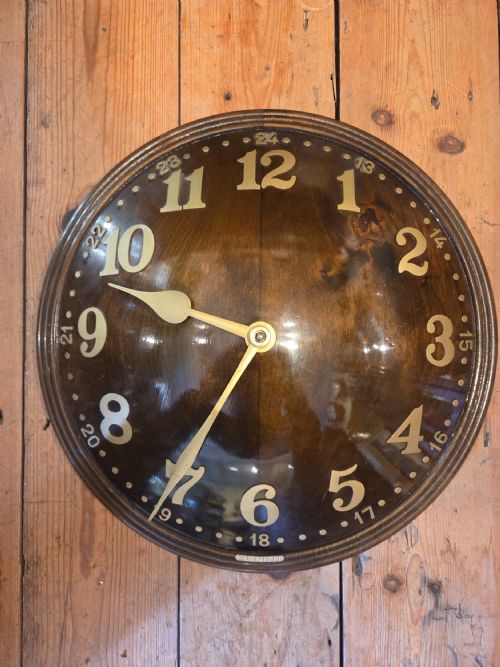
Quality rests in the crispness of the brass casting, the depth of the gilding, and the refinement of the hand-painted porcelain panels. Clocks featuring signed movements by established makers or complex additions like 24-hour dials and repeater mechanisms command greater attention.
The integrity of the original components, from hand-blown glass domes to painted dials and intact enamel, separates standard domestic timepieces from superior examples.
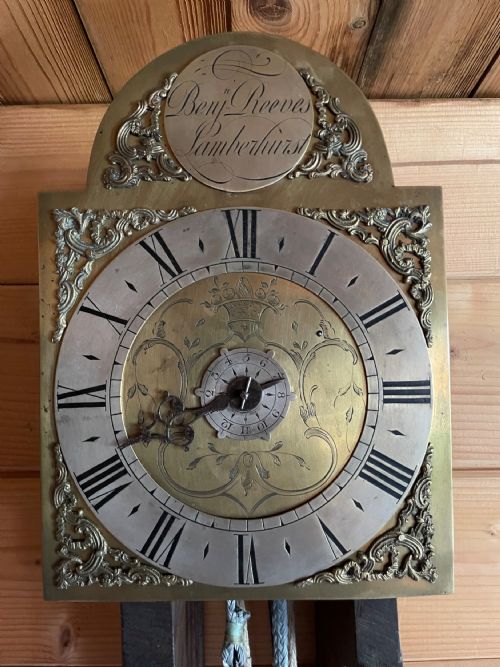
Benj Reeves Lamberhurst·Peter Closon·James Ogden Senior·William Clement Of Totnes·Thomas May Of Witney·John Welsh·Japy Freres·Miroy Freres·Marti
The Brass Hand Clock Glossary
- Ormolu
- Gilded bronze, where a mercury and gold amalgam is applied to a bronze base, creating a durable golden finish common on French mantel clocks.
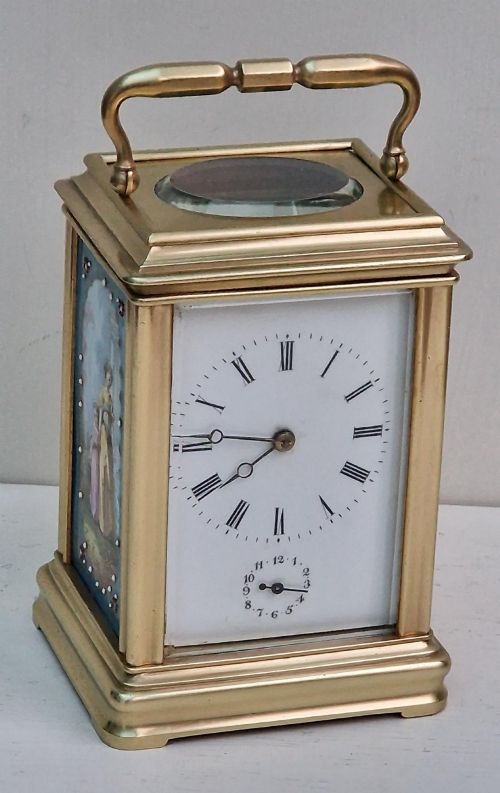
- Carriage clock
- A small, portable spring-driven timepiece fitted with a carrying handle, originally designed for travellers during the nineteenth century.
- Lantern clock
- An early type of brass chamber clock, typically wall-mounted with weight drives and distinct side doors, originating in seventeenth-century England.
- Longcase clock
- A tall weight-driven pendulum clock housed in a wooden case, also known as a grandfather clock.
- Regulator
- A precision pendulum clock designed to keep exceptionally accurate time, often housed in a glazed crystal case to allow full view of the movement.
Brass Hand Clock: Frequently Asked Questions
What is a brass hand clock?
A brass hand clock refers to timepieces featuring brass structural elements, casings, or dials, ranging from early English wall clocks to ornate French mantel pieces.
These objects combine mechanical timekeeping with decorative metalwork, utilising materials such as gilt bronze, porcelain, and enamel.
How do I identify a seventeenth century clock?
Seventeenth-century clocks often take the form of brass lantern clocks or single-handed oak longcases, utilising hook and spike wall mountings or early weight-driven movements.
Look for hand-engraved brass dials, robust brass frames, and maker signatures typical of early English workshops.
Where were carriage clocks placed?
Carriage clocks were originally built for travel, featuring protective leather cases and sturdy carrying handles for use on journeys.
Over time, they transitioned into domestic desk and mantel timepieces valued for their portability and glass-panelled cases.
What is a crystal regulator clock?
A crystal regulator is a mantel clock featuring glass panels on all sides that reveal the interior pendulum and mechanical movement.
Originating in France during the nineteenth century, these clocks often combine gilt brass frames with enamelled dials and painted porcelain panels.