


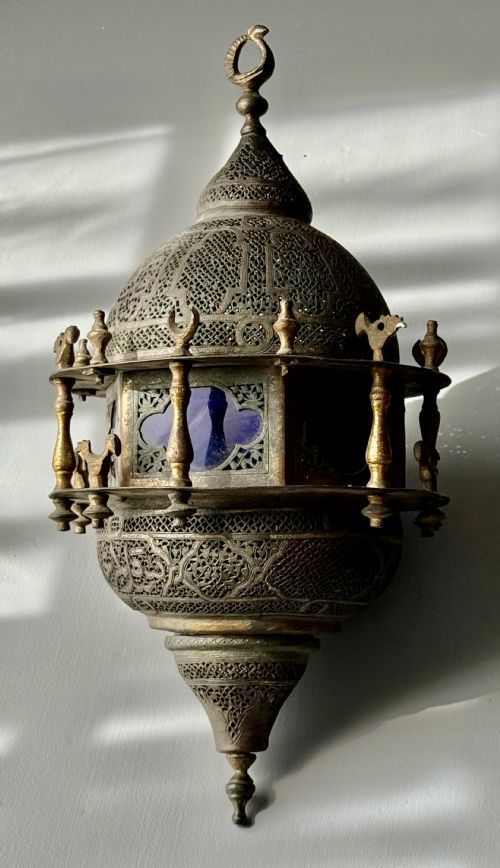
Brass Glass Hanging Light
A brass glass hanging light brings a warm, polished presence to hallways and high ceilings, combining metalwork with clear or coloured panes.
Brass Glass Hanging Light
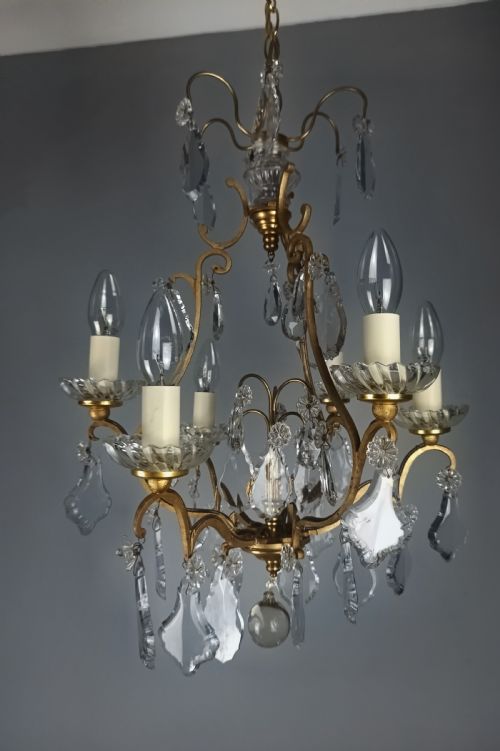
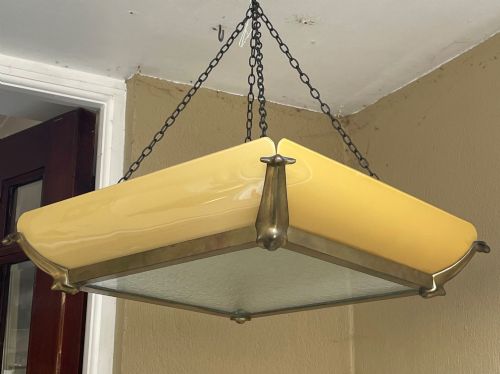
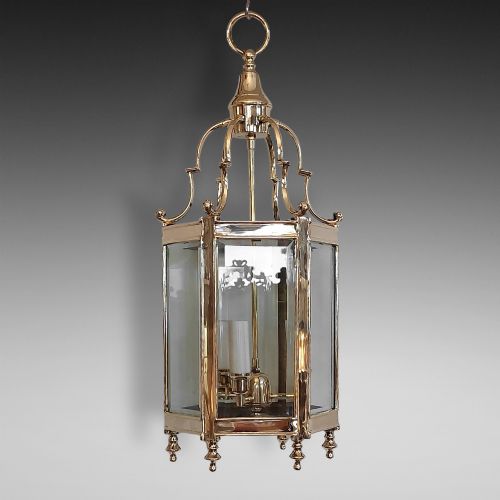
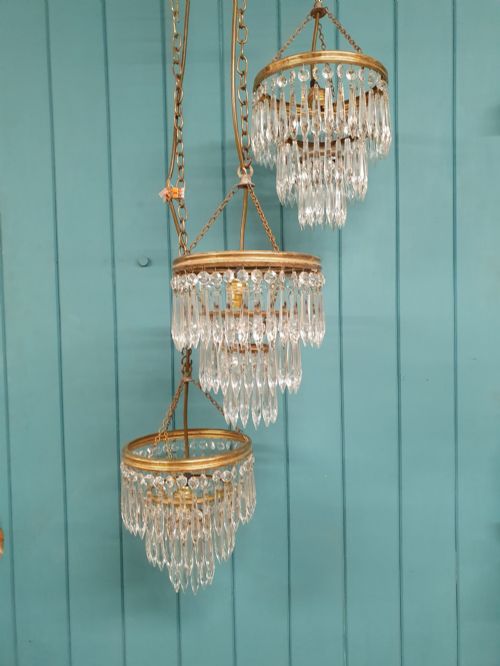
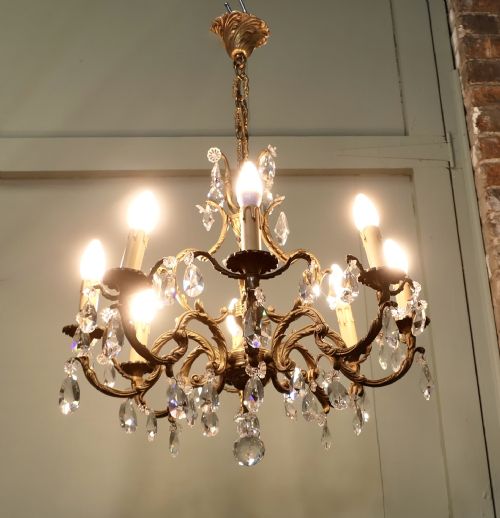
A brass glass hanging light encompasses ceiling fixtures, hall lanterns, chandeliers, and pendant lights produced across the Victorian, Edwardian, and early twentieth-century periods. These fixtures range from simple hexagonal frames to monumental multi-light chandeliers ornamented with crystal lustres.
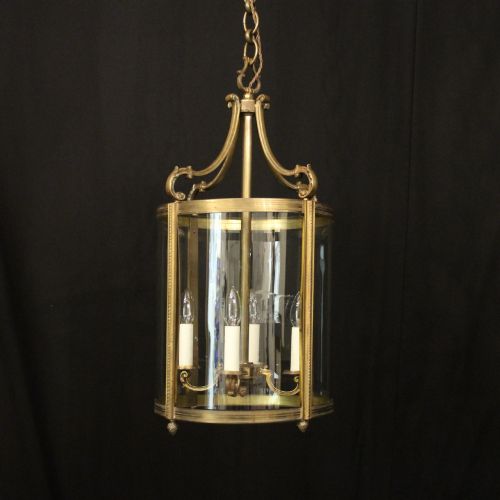
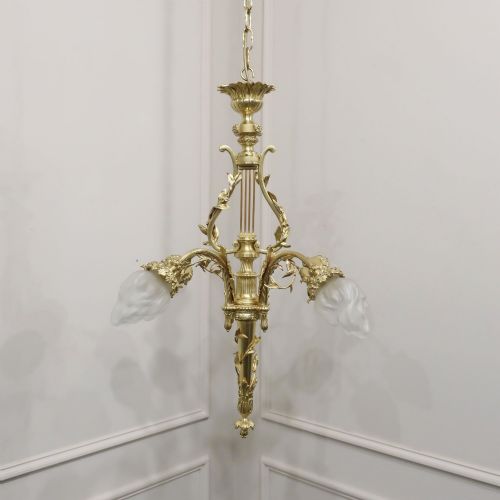
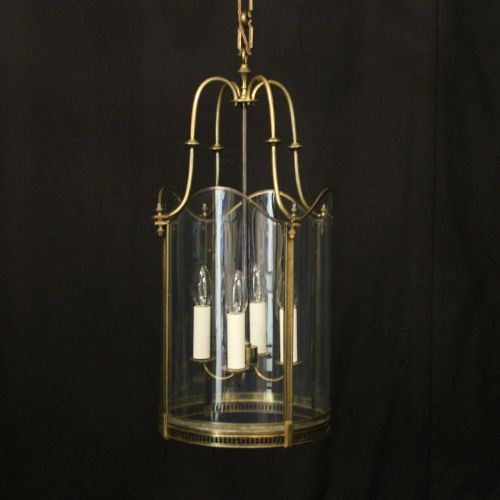
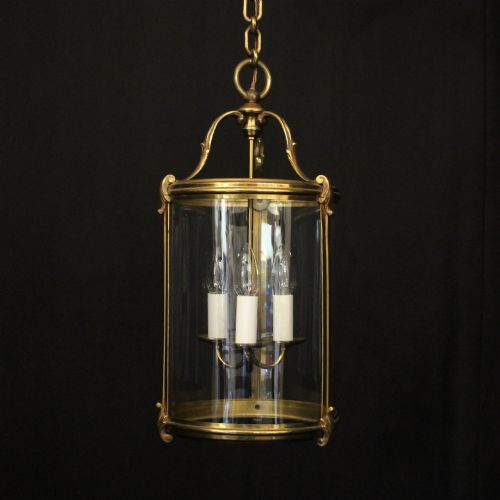
Buyers frequently encounter French gilt bronze and brass lanterns featuring convex or bevelled glass panes alongside English Arts and Crafts designs. Formats span single-bulb pendants to grand multi-armed pieces intended for substantial rooms.
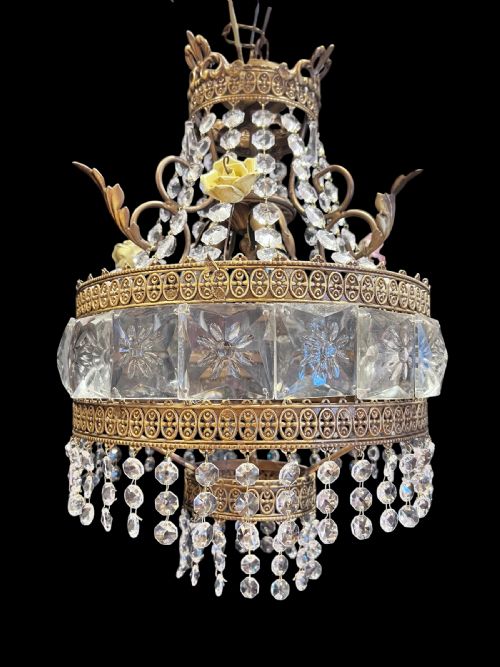
The selection includes regional variations such as Italian chandeliers set with porcelain flowers, American Art Deco geometric frames, and Moroccan pierced metal designs. Each object serves to illuminate interior spaces while offering distinct period character.
How they were made
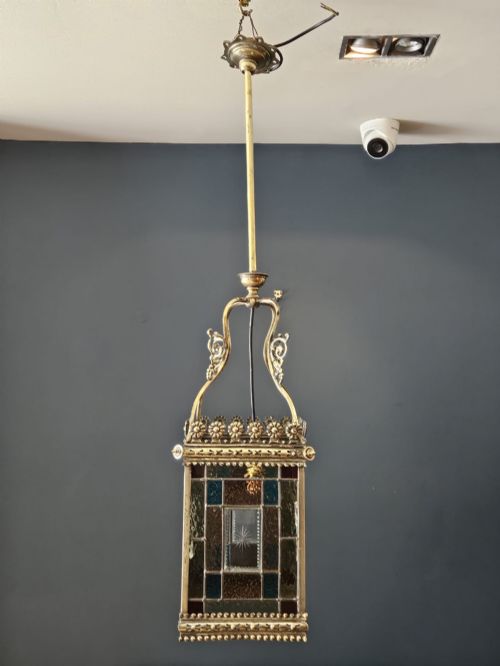
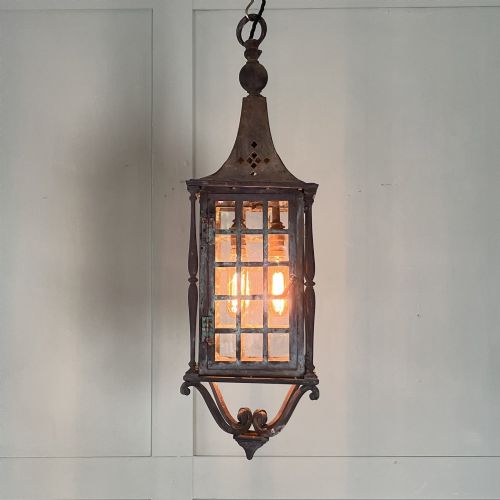
Frames are constructed from cast brass, gilt bronze, copper, or leaded metal, housing panes of cut, leaded, etched, moonstone, or opalescent glass. Metal components are joined by screws, solder, or hinges to create sturdy cages and chandeliers capable of supporting heavy glass panels and crystal drops.
Glazing techniques involve securing bevelled, convex, or flat glass into metal channels, sometimes augmented with lead cames as seen in Victorian leaded pieces. Surface finishes include gilding, polishing, and natural patination developed over decades of use.
Listings feature pieces spanning from the 1860s through the 1940s, utilising brass, gilt bronze, crystal, and leaded glass.
What varies in quality
Quality depends upon the crispness of the metal casting and the clarity or hand-cutting of the glass panels. Heavier gauge brass frames and finely chased gilt bronze retain structural integrity and detail far better than thin, pressed alternatives.
The sophistication of the design execution separates standard utility lighting from exceptional decorative examples. Superior pieces integrate custom hardware, such as hinged doors and hand-etched glass shades, executed by skilled workshops.
The Brass Glass Hanging Light Glossary
- Plafonnier
- A ceiling-mounted glass bowl or shade held by metal mounts. This form sits close to the ceiling rather than hanging on a long chain.
- Gilt bronze
- An alloy of copper and zinc treated with a gold wash or mercury gilding. This material offers a rich, durable surface finish seen on high-end French fixtures.
- Convex glass
- Curved glass panes that project outward from the metal frame. This technique adds optical depth and distributes light broadly across a hallway.
- Lead glass
- Glass manufactured with lead oxide to increase brilliance and weight. It is often cut with facets that refract light intensely.
- Holophane
- Ribbed prismatic glass designed to diffuse light efficiently and reduce glare. It appears frequently in twentieth-century industrial and commercial pendants.
Brass Glass Hanging Light: Frequently Asked Questions
Where should I hang a lantern?
These fixtures suit entrance halls, stairwells, and high-ceilinged rooms where their downward illumination and decorative metalwork can be appreciated from multiple angles.
Ensure adequate clearance beneath the lowest point of the hanging light for foot traffic.
How do I date a brass lantern?
Examine the construction methods, screw types, and wiring channels alongside stylistic cues from periods like the Arts and Crafts movement or Art Deco.
Heavy cast bronze and hand-beveled glass often point to nineteenth or early twentieth-century manufacture.
Can these lights use modern bulbs?
Most antique fixtures can accommodate contemporary LED bulbs provided the internal lampholders meet current safety standards and fit the space within the shade.
Consult a qualified electrician to inspect and adapt the internal wiring before installation.
How do I clean delicate glass panes?
Remove removable glass panels carefully from the frame and wash them in lukewarm soapy water using a soft cloth.
Avoid harsh abrasives that might damage etched surfaces or compromise aged metal patinas on the surrounding brass.