


Classical Brass Ceiling Light
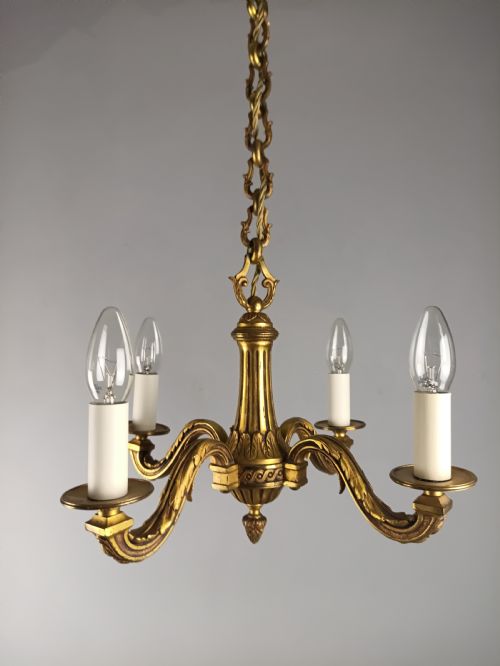
A classical brass ceiling light brings architectural presence to a room, casting downward illumination from heavy metal frames.
Classical Brass Ceiling Light
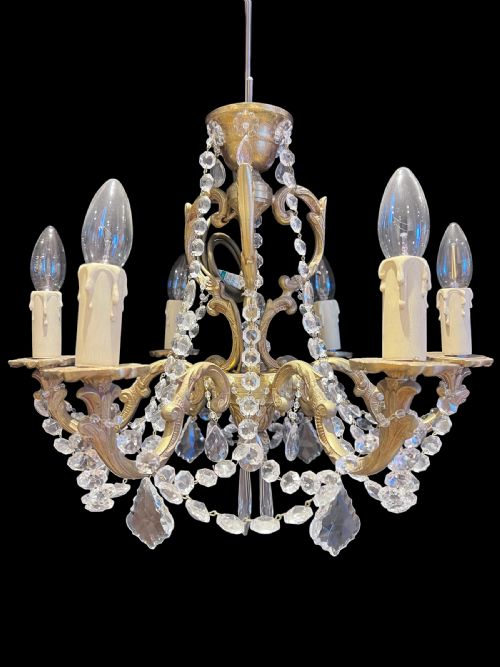
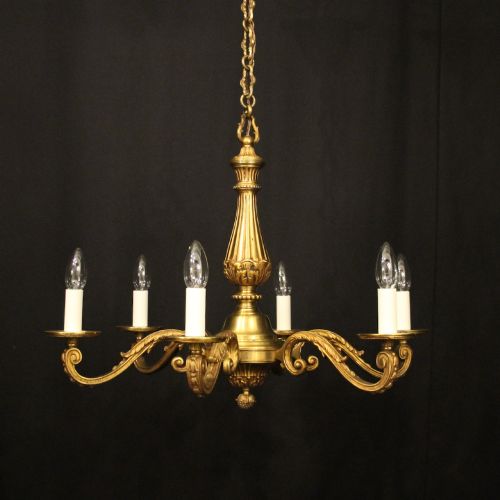
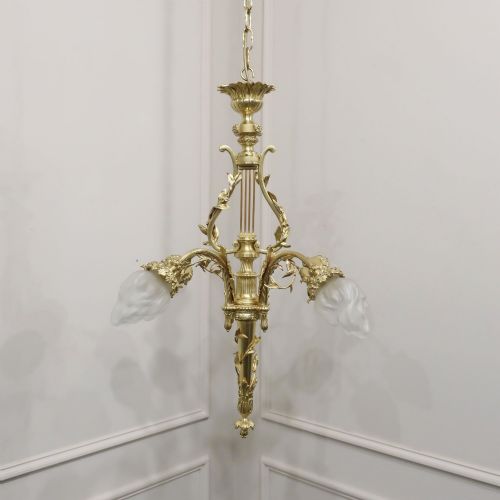
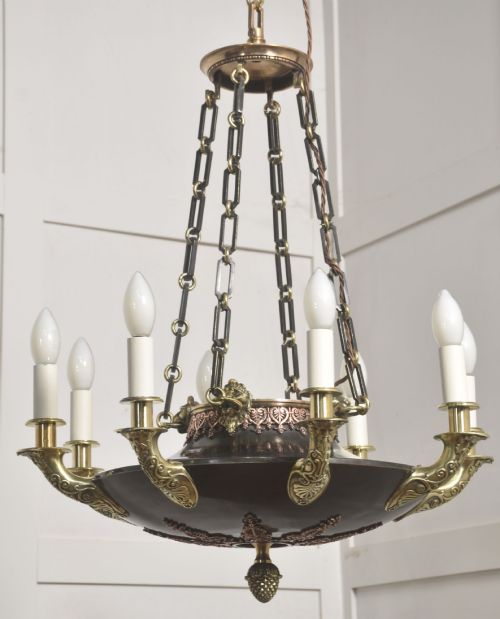
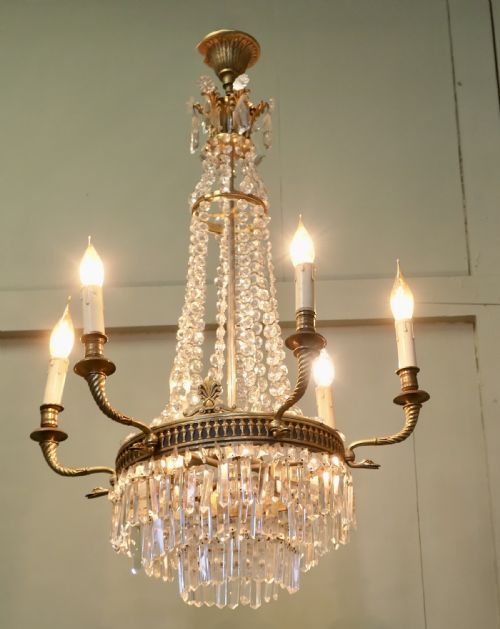
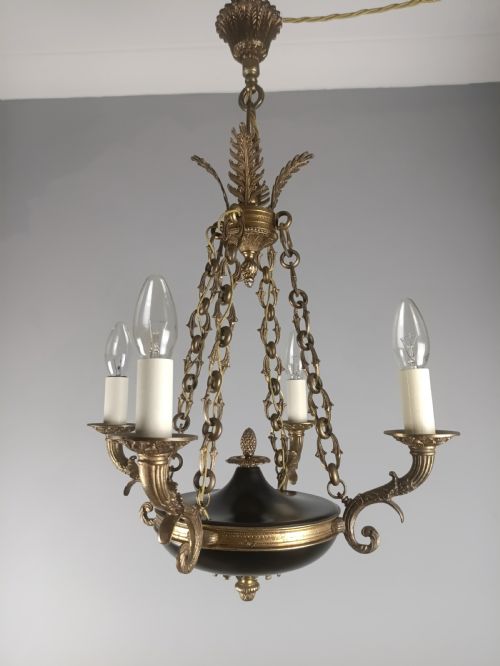
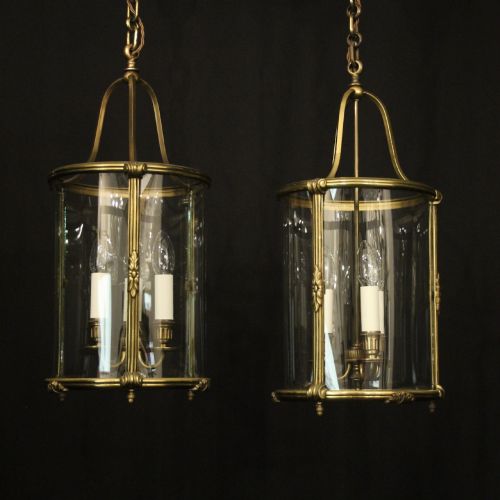
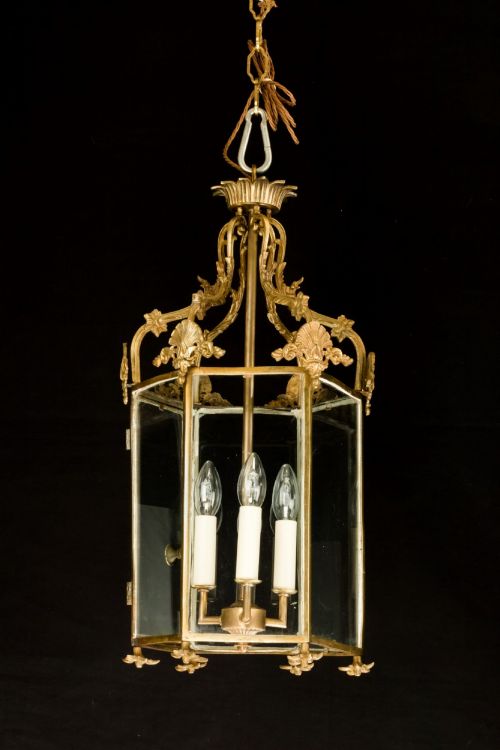
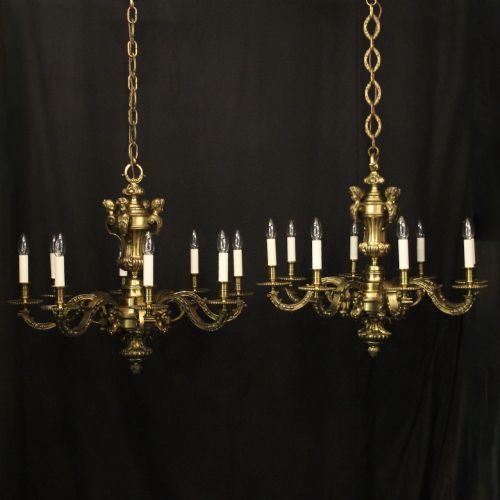
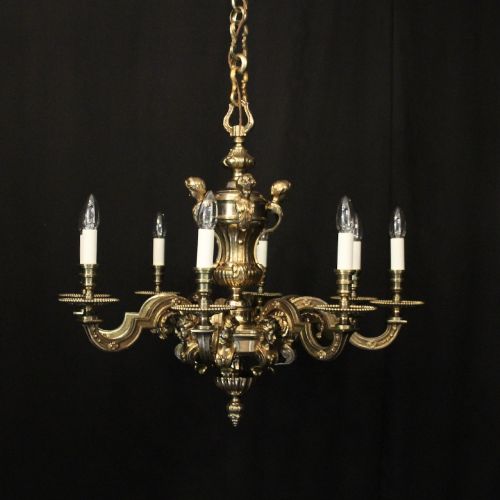
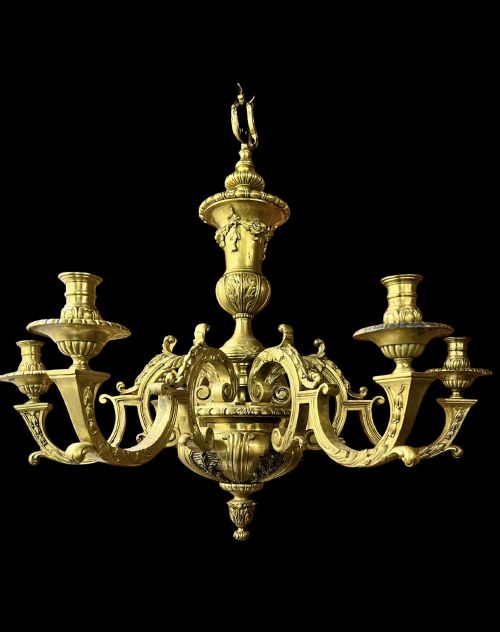
A classical brass ceiling light encompasses multi-armed chandeliers, hall lanterns, and tent-and-waterfall configurations derived from historical European design. Buyers encounter pieces ranging from compact four-light fixtures to large twelve-branch installations suspended on chains.
The material vocabulary spans cast brass, gilded bronze, ormolu, and patinated bronze, frequently combined with cut glass and crystal prisms. French workshops dominate the record, producing items styled after the Empire, Neoclassical, and Rococo periods.
Dating stretches from the nineteenth century through the Edwardian era and into the 1920s and 1930s. The common thread is a heavy metal armature designed to anchor the visual weight of a high ceiling.
Materials and construction
Foundry work relied on casting bronze and brass components, which were then chased by hand to sharpen decorative motifs like acanthus leaves and classical urns. Gilding, silver plating, or patination was applied to the metal surfaces to alter reflectivity.
Crystal drops and cut glass shades were wired or pinned directly to the metal frames, creating complex light paths from internal candle-holders or early electric bulbs. Iron and copper elements occasionally reinforced structural joints within larger multi-tiered chandeliers.
Some nineteenth-century lanterns hide internal candle sockets deep inside convex glass bubbles designed to catch the drafts of grand hallways.
Evaluating the execution
Quality rests in the crispness of the metal chasing and the depth of the casting, where secondary hand-finishing defines the clarity of ornament. Heavier metal gauges and solid bronze frameworks separate substantial architectural fixtures from lighter domestic alternatives.
The integration of glass elements plays a role; hand-cut crystal prisms with sharp facets reflect light differently than moulded glass drops. Original surface treatments, whether patinated bronze or fire gilding, retain a visual warmth lost on later secondary coatings.
The Classical Brass Ceiling Light Glossary
- Ormolu
- Gilded bronze produced by applying a mercury and gold amalgam to a bronze base and heating it until the mercury vaporised. This technique creates a durable, matte gold finish characteristic of high-end French decorative metalwork.
- Plafonnier
- A ceiling-mounted light fixture where the shade sits flush or close to the ceiling rather than hanging on a chain. These often feature painted or moulded glass plates held in metal mounts.
- Tent and waterfall
- A chandelier style featuring strings of small glass beads gathered in a tent shape above, dropping down into a tiered cascade of crystal prisms. The arrangement maximises refraction from a central light source.
- Chasing
- The process of hand-tooling cast metal with punches and hammers to refine details and clean up seams. Superior chasing distinguishes workshop pieces from mass-produced castings.
Classical Brass Ceiling Light: Frequently Asked Questions
Are these lights wired for modern electricity?
Most antique fixtures have been rewired at some point in their history to comply with modern safety standards. You should check the internal wiring condition upon arrival.
Converting older candle-tube sockets to standard bulb sizes allows straightforward integration into domestic lighting circuits without altering the exterior brass frame.
How do I clean a crystal chandelier?
Regular dusting with a soft feather wand removes surface particles from the metal arms and glass drops. For deeper cleaning, apply a mild glass cleaner to a cloth and wipe each crystal individually.
Avoid submerging entire fixtures in liquid, as moisture damages internal wiring channels and degrades historical gilding or patination on the bronze.
What is the difference between brass and ormolu?
Brass is an alloy of copper and zinc, offering a bright golden metal tone that polishes to a high shine. Ormolu is specifically gilded bronze, utilising a mercury-gilding process that yields a deep, buttery gold surface.
Bronze provides greater structural rigidity for intricate castings, whereas brass appears more commonly in simpler turned frames and standard lantern casings.