




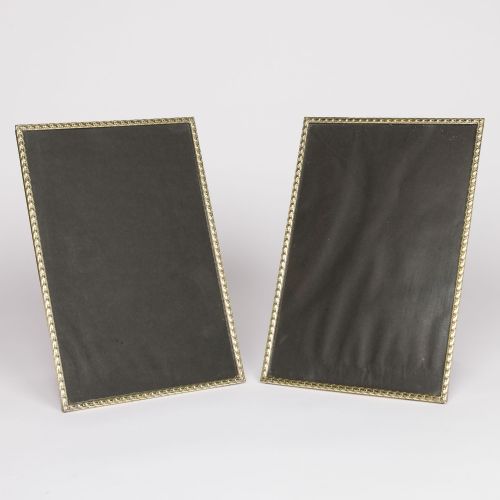


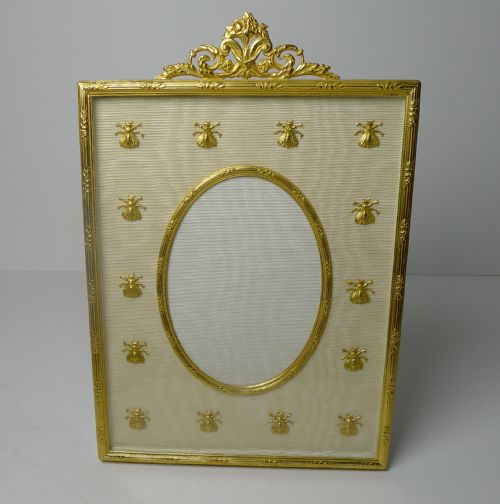
Brass Framed Picture
A brass framed picture brings together polished metalwork and intimate portraiture, offering a glimpse into past centuries through enduring materials.
Brass Framed Picture
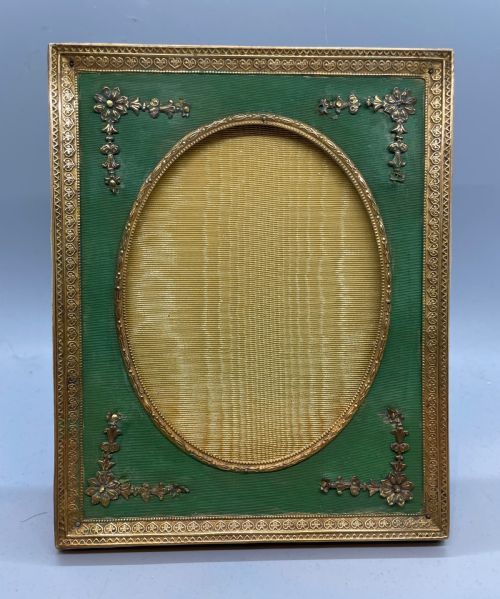
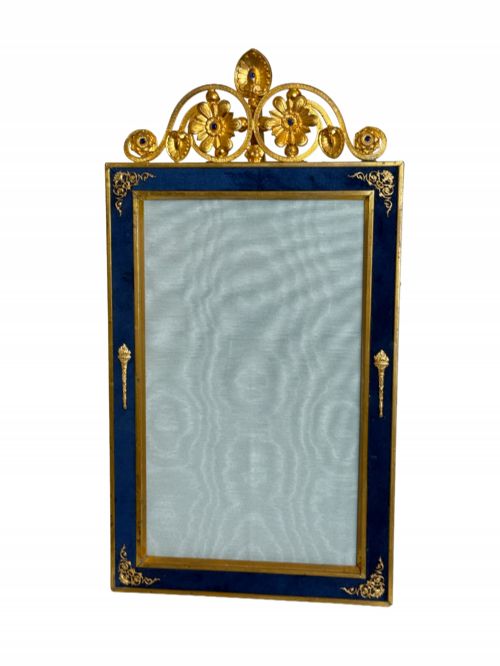
A brass framed picture encompasses various decorative items designed to enclose portraits, silhouettes, watercolours, and enamel plaques within durable metallic borders. These objects span multiple eras, including the Georgian, Regency, and Victorian periods, alongside Edwardian designs.
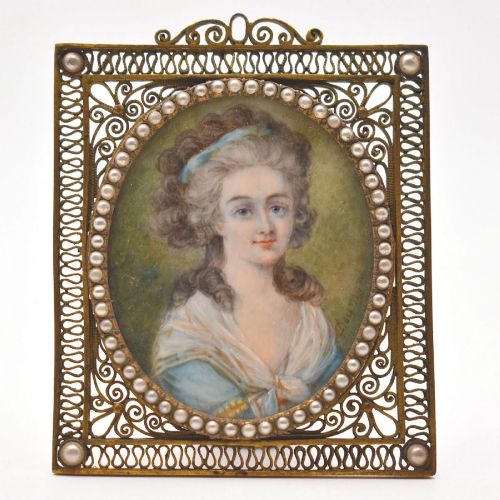
Buyers encounter distinct forms such as miniature portraits on card or gilt metal stands, alongside oval porcelain plaques and framed butterfly prints. Each version reflects the interior tastes of its specific decade, from ornate French ormolu to restrained early nineteenth-century silhouettes.
Materials and construction methods
Makers utilised cast brass, ormolu, and gilt bronze to build sturdy structural borders, often combining the metal with glass panes to protect delicate works inside. Ebonised wood and crocodile skin also appear as backing or secondary materials on folding travel versions.
Artisans applied fire-gilding or applied finishes to metal components, while portrait painters worked on card, paper, or glass using watercolour and silhouette techniques. Enamel and porcelain plaques from factories like Berlin KPM were fired separately before insertion into fitted metal surrounds.
Brass Framed Picture Retail Price Guide 2026
Typical asking prices for brass framed picture among the pieces listed under this phrase on Sellingantiques today, from the lower quarter to the upper quarter. They describe what is for sale here now, not the wider market.
Object forms recorded on this page include double photo frames, wall clocks, silhouette portraits, and butterfly prints.
Assessing quality in metal frames and imagery
Superior examples display crispness in cast metal details, such as clearly defined mask crests, Napoleonic bees, or cherubs, rather than soft or blurred edges. The weight of the metal and the precision of the mitred or hinged joints indicate the standard of original workshop production.
Quality also resides in the internal contents, distinguishing mass-produced late prints from signed hand-painted portrait miniatures and genuine period watercolours. Original glass, secure easel backs, and undamaged agate mounts separate finer pieces from heavily altered survivors.
J. Deacon·Moseley·Eduard Veith
The Brass Framed Picture Glossary
- Ormolu
- Gilded bronze or brass, typically associated with French decorative arts and mounts. It provides a bright golden finish that resists tarnish over long periods.
- Silhouette
- A solid black profile portrait, often cut from paper or painted on card, glass, or plaster. These pieces gained popularity during the Georgian and Regency eras.
- Portrait miniature
- A small, highly detailed painting executed on ivory, vellum, card, or copper. They were frequently housed in protective metal frames with integrated stands.
- Easel back
- A hinged prop attached to the reverse of a frame to allow vertical display on a table or desk. This mechanism is common on Victorian and Edwardian photograph holders.
Brass Framed Picture: Frequently Asked Questions
How do I date a brass frame?
Dating relies on stylistic clues like the heavy casting of Victorian pieces or the flowing lines of Art Nouveau designs around nineteen hundred. Backing materials and hinge types also help narrow down the decade.
Examining construction methods provides further context. Earlier Georgian and Regency items often display hand-finished elements that differ from later industrial production.
Were these frames meant for desks or walls?
Many examples feature fold-out easel stands intended for placement on writing desks, tables, or mantelpieces. Others include suspension rings designed specifically for hanging on walls.
Double folding and travel versions allowed owners to carry portraits of family members while away from home. These versatile designs suit both surface display and wall mounting today.
What is the difference between brass and ormolu?
Brass is an alloy of copper and zinc, valued for its bright golden appearance and durability in decorative hardware. Ormolu specifically refers to finely cast bronze or brass that has been gilded with gold leaf or mercury amalgam.
Ormolu typically exhibits a richer, deeper lustre associated with high-end French decorative objects from the eighteenth and nineteenth centuries. Standard brass frames often display simpler cast patterns without the same level of surface enrichment.
Can I replace the glass in an antique frame?
Replacing glass is sometimes necessary if an original pane breaks, though retaining old glass preserves character and minor surface imperfections. Modern glass lacks the slight waviness and bubbles seen in older panes.
When replacement is required, selecting thin glass ensures it fits securely within the antique rebate without putting pressure on fragile internal artwork.