


Brass Framed Art
Brass framed art encompasses everything from portrait miniatures to mirrors and beds, bringing metallic warmth and period character into a room.
Brass Framed Art
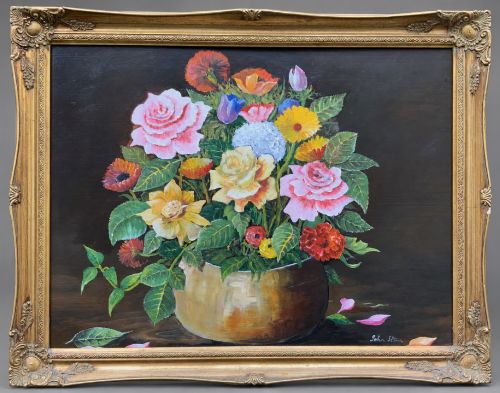
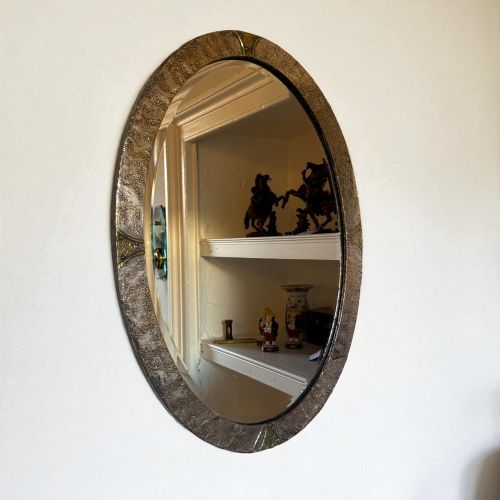
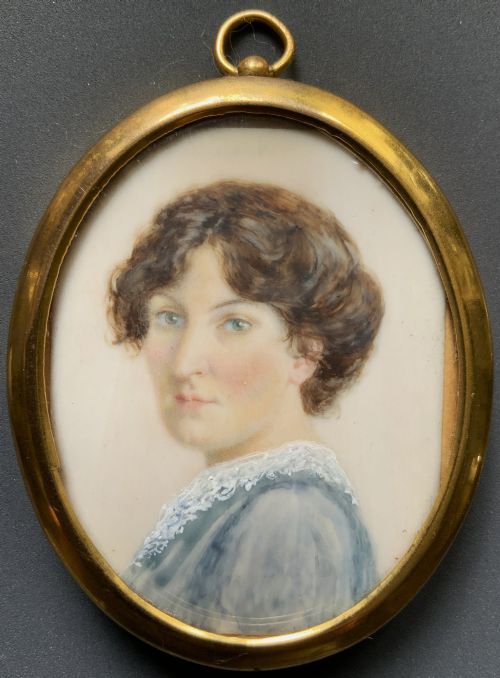
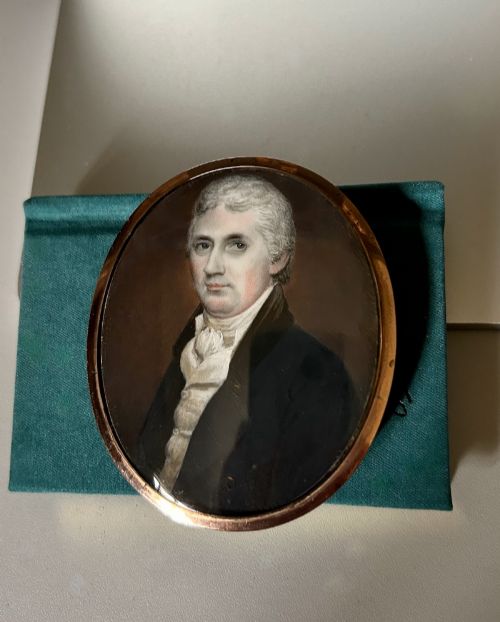
Brass framed art covers a diverse group of objects spanning portrait miniatures, wall mirrors, and decorative plaques housed in metallic mounts. These pieces draw the eye through their combination of reflective metal and intimate imagery.
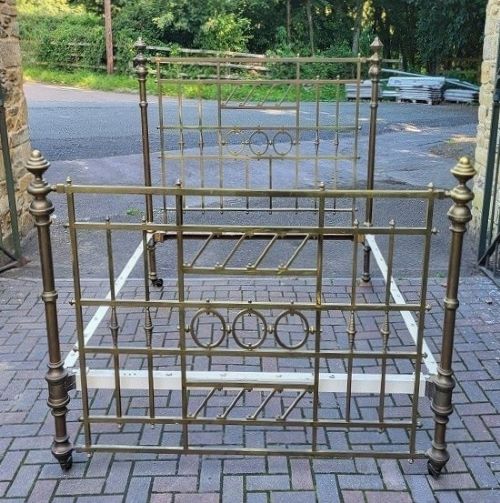
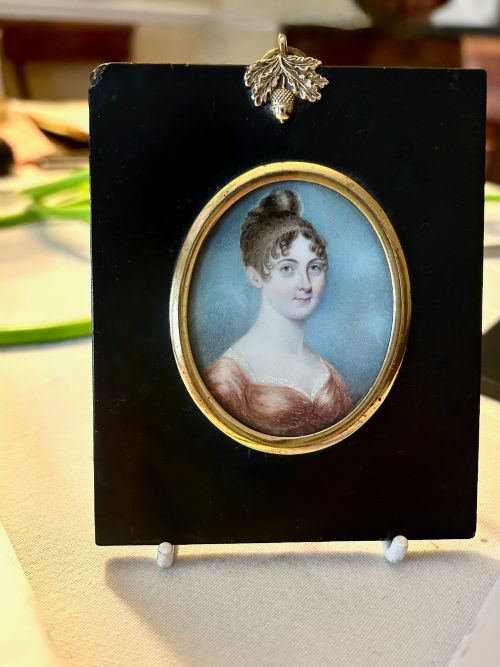
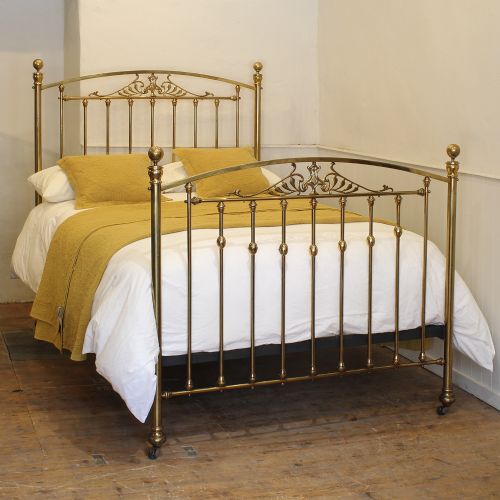
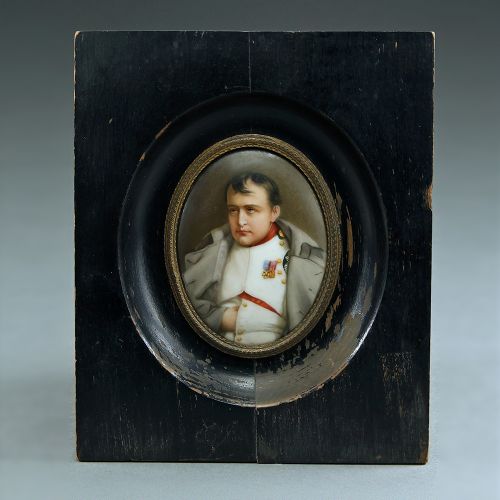
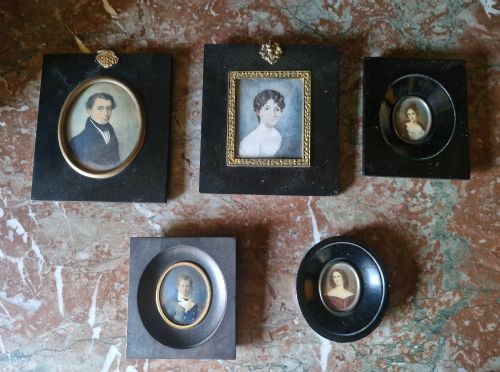
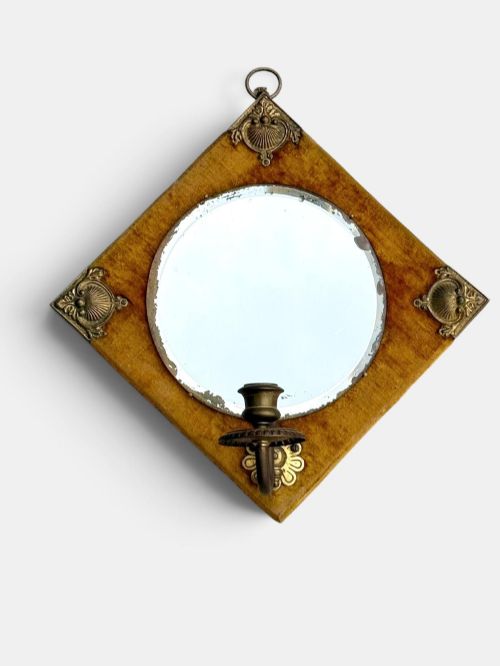
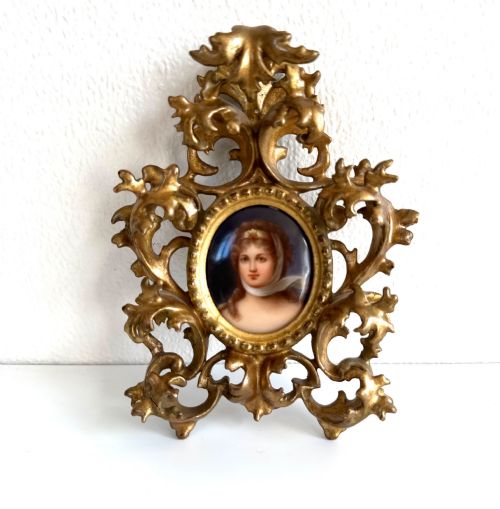
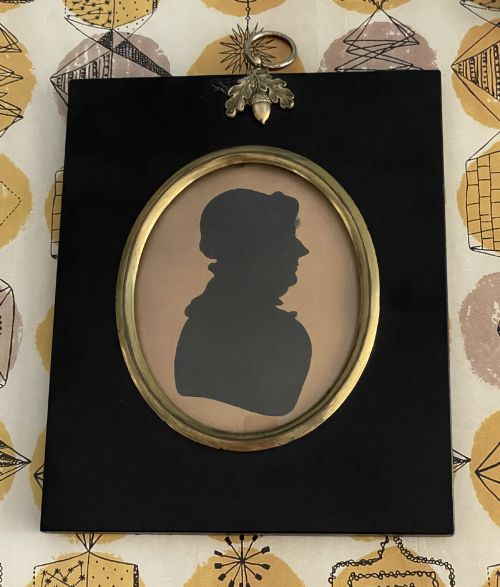
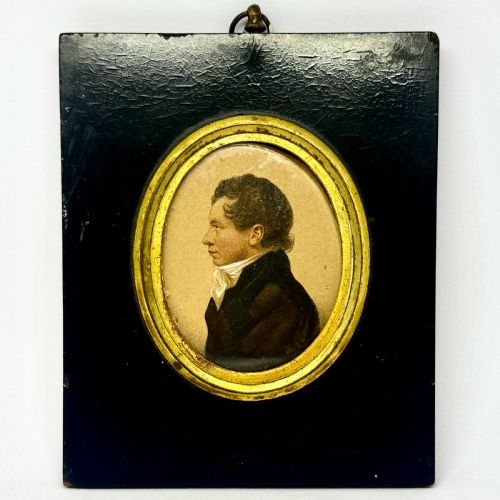
Portrait miniatures painted on paper or watercolour dominate the earlier examples, frequently enclosed in oval or rectangular gilt metal and brass cases. Buyers also encounter Arts and Crafts mirrors, wall plaques, and larger domestic furnishings incorporating brass elements.
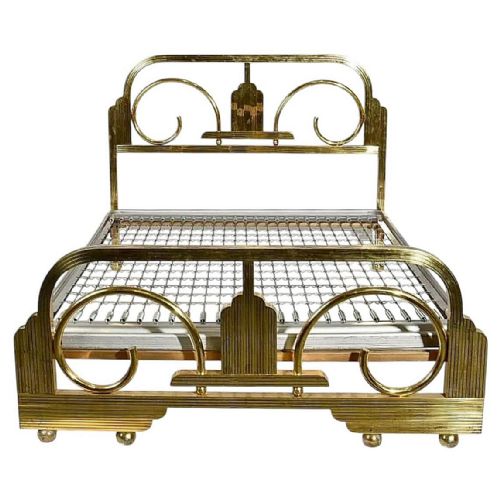
The periods represented stretch from the eighteenth century through the Regency, Victorian, and Edwardian eras into Art Deco and nineteen-thirty designs. This variety allows collectors to select items matching specific historical interiors.
Materials and Construction
Makers utilised brass, copper, and gilt metal alongside traditional woods such as ebonised timber and oak to construct these frames and panels. Glass protects delicate watercolours and paper paintings, while enamel and hand-coloured engravings provide enduring visual detail.
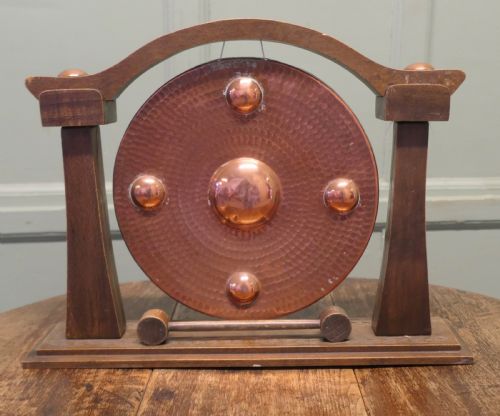
Metals were frequently hammered, cast, or worked into repoussé patterns, displaying the tactile qualities favoured during the Arts and Crafts and Art Nouveau movements. Frames combine securely with backing materials and hanging loops designed for domestic display.
Brass Framed Art Retail Price Guide 2026
Typical asking prices for brass framed art among the pieces listed under this phrase on Sellingantiques today, from the lower quarter to the upper quarter. They describe what is for sale here now, not the wider market.
Materials appearing across the current inventory include brass, glass, paper, watercolour, gilt metal, ebonised wood, and copper.
Assessing Quality and Execution
The metalwork itself distinguishes finer items, exhibiting crisp repoussé decoration, well-joined corners, and patination that reflects genuine age. Plain or poorly cast mounts indicate standard commercial production rather than specialist workshop output.
Thomas London·James Shoolbread & Co
The Brass Framed Art Glossary
- Repoussé
- Metalwork hammered or pressed from the reverse side to form a raised design in relief on the front. This technique gives brass mirror frames and decorative plaques their tactile surface texture.
- Miniature portrait
- A small, highly detailed painting, typically executed on paper, ivory, or vellum, depicting an individual. These works were often housed in portable brass or gilt metal cases.
- Plumbago
- A drawing executed in graphite, taking its name from the Latin word for lead ore. These monochrome portraits offer subtle tonal gradations.
- Gilt metal
- Base metal treated with a thin layer of gold or gold-coloured wash to simulate solid precious metal. It provides a bright finish on frames and stands.
- Silhouette
- A portrait profile cut from black paper or painted in solid dark pigment against a pale background. Artists produced these sharply defined likenesses extensively during the Regency period.
Brass Framed Art: Frequently Asked Questions
How do I hang a brass framed mirror?
Most wall mirrors and plaques incorporate integrated hanging loops or sturdy rear fixings intended to support their weight safely. Ensure you use appropriate wall anchors suited to the plaster or masonry in your home.
Position the piece at eye level where ambient light can catch the polished brass or copper surface. Avoid placing heavy items on simple picture hooks without checking their load capacity.
Can I polish the brass frames?
Light dusting with a soft, dry cloth is usually sufficient to maintain the metal without disturbing the historical surface. Aggressive cleaning removes aged patination that collectors value.
If cleaning is necessary, use a non-abrasive metal cleaner sparingly and keep it away from painted portrait surfaces or exposed paper.
How do I date a portrait miniature?
Costume, hairstyle, and framing style offer primary clues for dating portrait miniatures and silhouettes. Regency subjects frequently feature distinct dress codes and softer watercolour palettes compared to later Victorian examples.
Signatures, inscriptions on the reverse, and the construction of the brass case also help narrow down the period of production.
Where should I display small miniatures?
Small portrait miniatures and enamel plaques suit intimate spaces such as studies, hallways, or grouped arrangements on panelled walls. Placing them away from direct sunlight protects watercolour pigments and paper from fading.
Some pieces include stands for tabletop display on desks or mantelpieces, allowing close inspection of the painted details.