





Brass Frame Chandelier Light
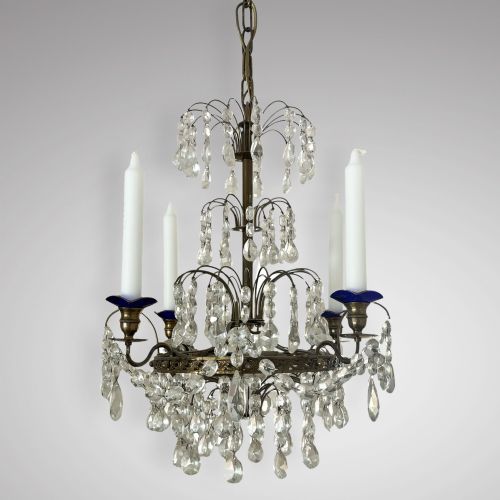
A brass frame chandelier light brings instant drama to a high ceiling, channelling decades of European craftsmanship into a single hanging focal point.
Brass Frame Chandelier Light
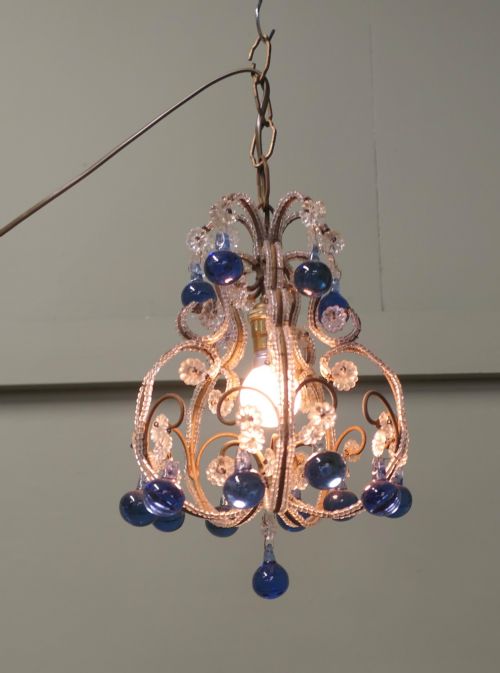
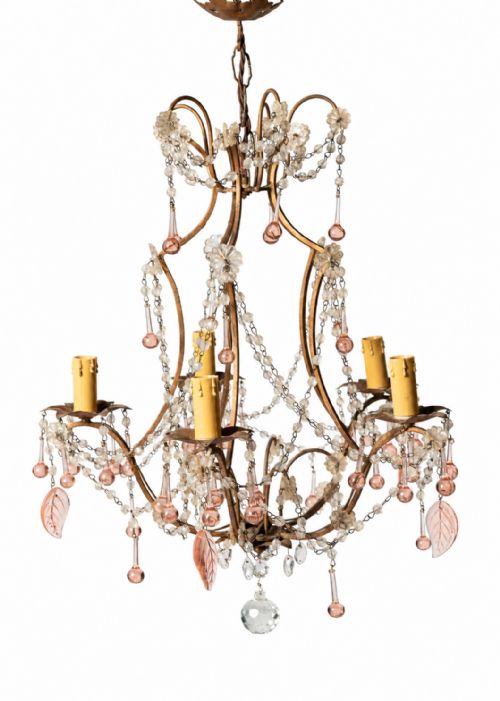
When you search for a brass frame chandelier light, you encounter a diverse array of ceiling lighting originating predominantly from the nineteenth and early twentieth centuries. These fixtures span multiple distinct aesthetics, including Edwardian designs, French Empire style, and elaborate Rococo Revival pieces.
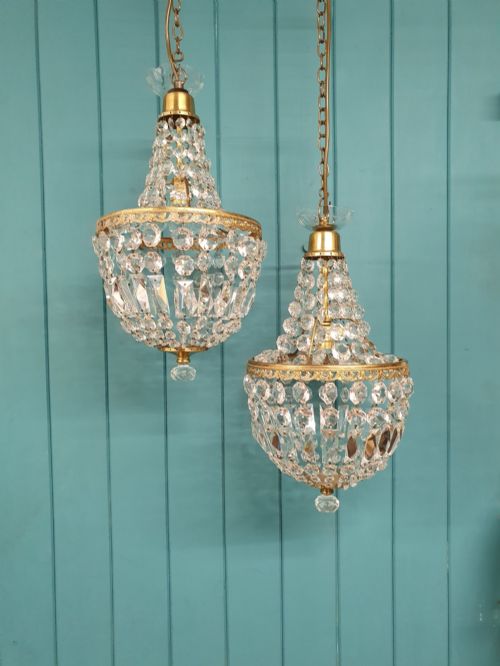
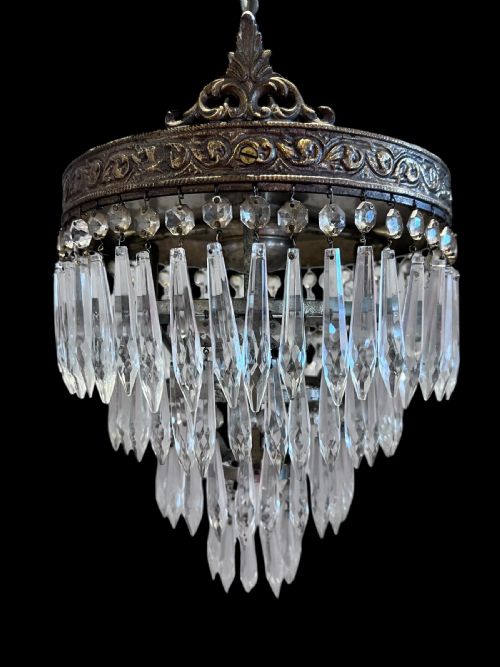
The version you are most likely to meet on this page is an early twentieth century or Edwardian creation, often incorporating tiers of cut glass or crystal alongside a structural metal frame. Formats range from compact prism bag chandeliers and single light plafonieres to grand multi-tiered waterfall fixtures and twelve-light statement pieces.
Origins stretch across various European traditions, with French and Italian workshops heavily represented among the listings. Alongside standard chandeliers, you find specialised forms like hanging lanterns, wall lights, and basket fixtures designed to cast refracted illumination across period interiors.
Materials and construction
The foundational structures rely on cast or formed brass, gilt metal, and dark-finished frames to support the considerable weight of the glass elements. These metal frameworks are shaped into cages, rings, and decorative armatures that define the silhouette of each hanging light.
Transparency and brilliance are introduced through extensive use of crystal, cut glass, and bevelled glass panels. Individual components such as long prisms, beads, swags, and drops are wired or pinned directly to the metal frame to catch and multiply the output of the internal bulbs.
Brass Frame Chandelier Light Retail Price Guide 2026
Typical asking prices for brass frame chandelier light among the pieces listed under this phrase on Sellingantiques today, from the lower quarter to the upper quarter. They describe what is for sale here now, not the wider market.
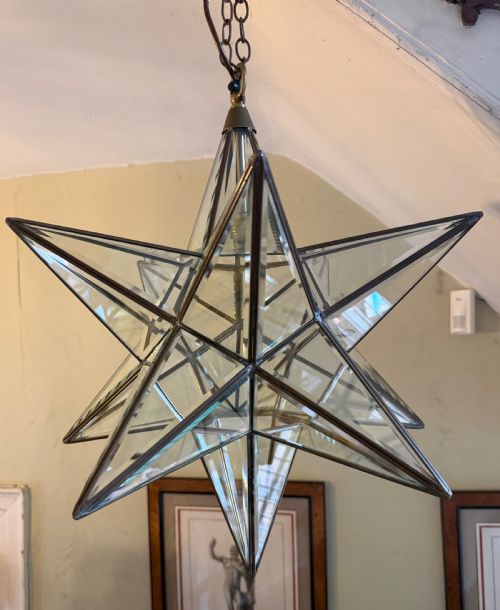
The inventory records diverse ceiling configurations, including Moravian star lanterns, multi-tiered waterfall shades, and classic cage structures.
Separating the grades
Distinctions in quality rest upon the complexity of the brass or gilt metal casting and the precision of the glass cutting. Heavier, more substantial metal framing provides structural integrity, while finely faceted cut crystal yields sharper refraction than pressed or moulded glass alternatives.
The density and arrangement of the glass drops also dictate the visual weight and ambition of a piece. Multi-tiered waterfall configurations and complex cage designs demand intricate assembly and superior material volume compared to simpler single-light variants.
The Brass Frame Chandelier Light Glossary
- Cage chandelier
- A lighting fixture featuring a metal framework enclosing the central light source, draped with glass drops or beads. This style dates back centuries and offers a structured, columnar silhouette.
- Waterfall chandelier
- A multi-tiered lighting design where cascades of glass prisms or beads flow outward and downward in overlapping layers. The formation creates a dramatic sense of movement and volume.
- Plafoniere
- A ceiling-mounted lighting fixture that sits relatively flush against the plasterwork rather than hanging on a long chain. These often utilise bevelled glass or crystal bowls held within a metal mount.
- Bevelled glass
- Glass panes possessing angled edges that catch and refract ambient light. This technique adds depth and textural interest to lanterns and enclosed fixtures.
- Prism bag
- A tight cluster of small glass beads and drops arranged in a pouch-like shape beneath the main frame. It concentrates sparkle in a compact vertical format.
Brass Frame Chandelier Light: Frequently Asked Questions
How do I clean a crystal chandelier?
Routine maintenance involves gentle dusting with a soft wand while the metal and glass components remain in place. For deeper cleaning, professionals remove individual crystal drops for washing in lukewarm water with mild soap before drying.
Harsh chemical sprays can damage gilt metal and aged brass finishes. Careful hand-drying prevents water spots on cut glass and preserves the integrity of the original wiring connections.
What is the difference between Edwardian and Empire styles?
Edwardian lighting tends toward lighter, refined brass frames with delicate glass swags and restrained ornamentation. These pieces suit domestic spaces aiming for understated period elegance.
French Empire style embraces classical grandeur, featuring bolder architectural lines, heavy cast brass mounts, and imposing silhouettes. Such designs draw inspiration from neoclassical antiquity to command attention in large rooms.
Can these antique lights use modern bulbs?
Most antique fixtures accommodate contemporary SES or CES LED bulbs once the internal wiring has been checked or updated by a qualified professional. LEDs generate far less heat, protecting fragile old sockets and surrounding glass.
Choosing warm white low-wattage bulbs replicates the softer glow of historic illumination without overloading vintage brass and wiring circuits.