

Empire Ceiling Light
An empire ceiling light brings classical grandeur to a room, cast in bronze or brass and draped in crystal prisms.
Empire Ceiling Light
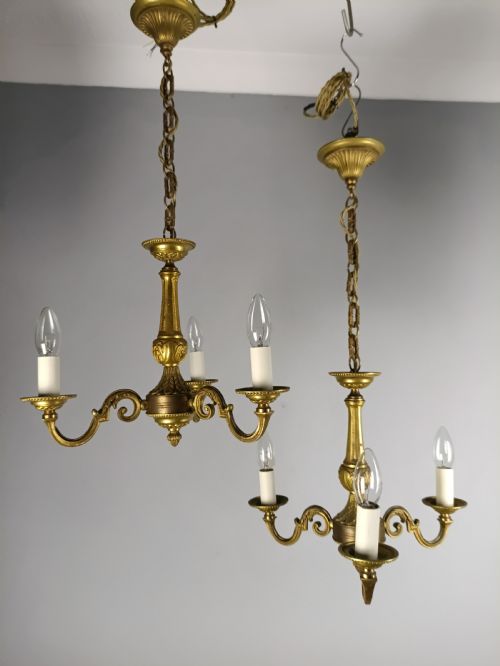
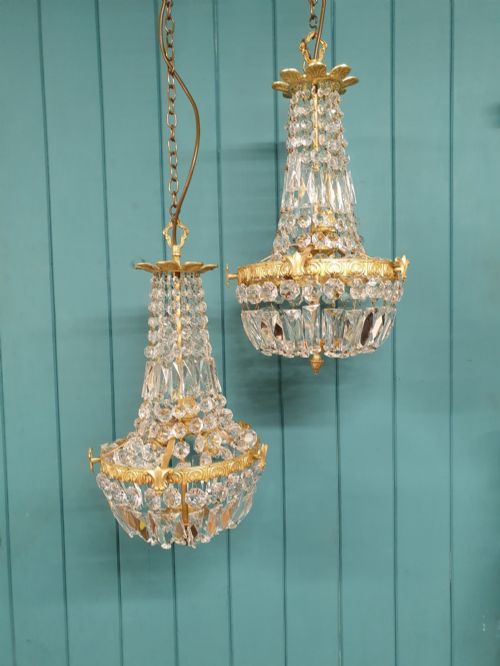
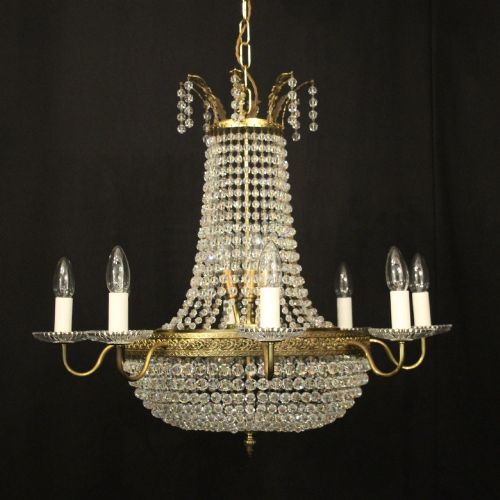
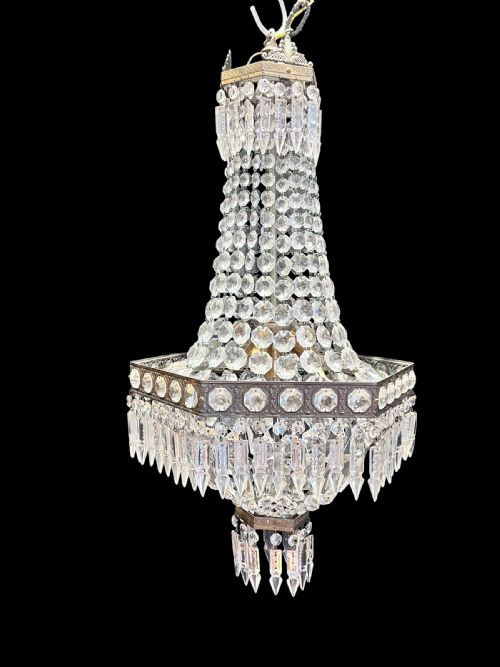
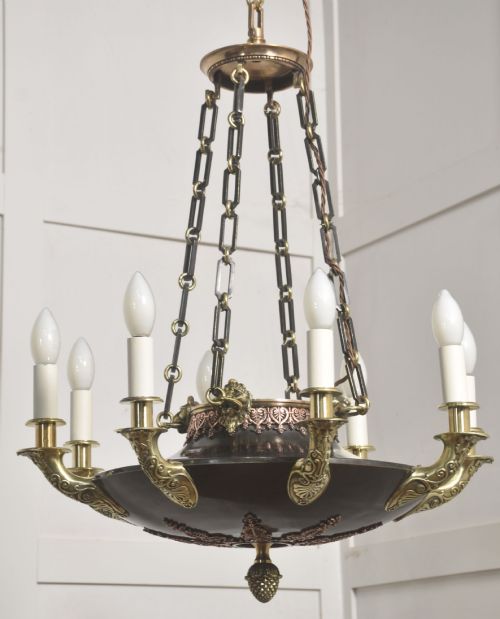
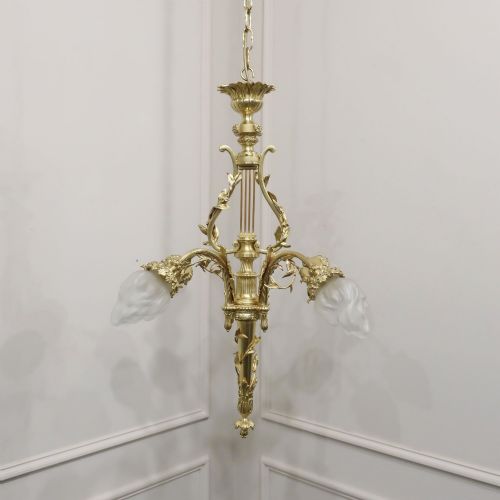
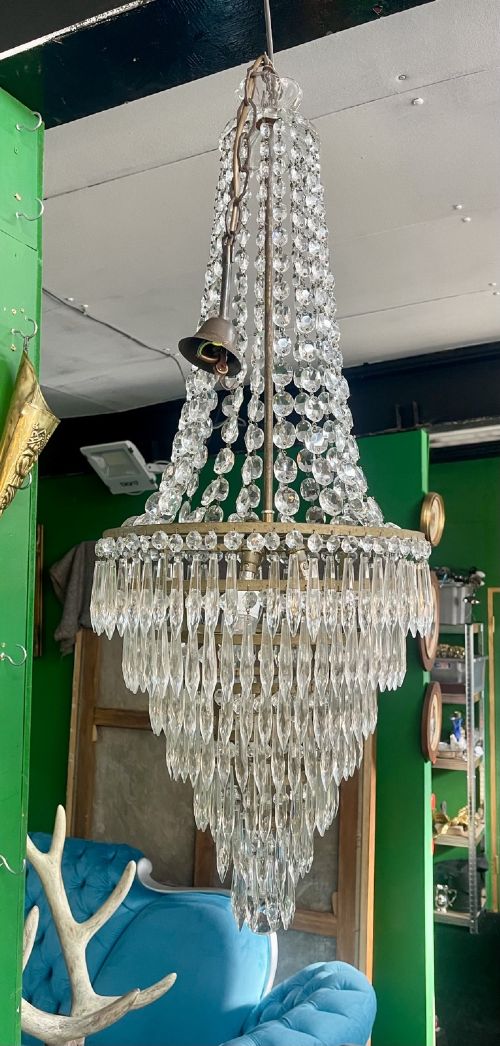
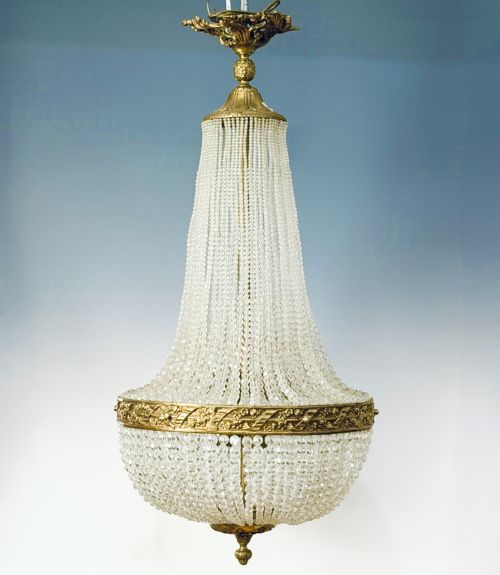
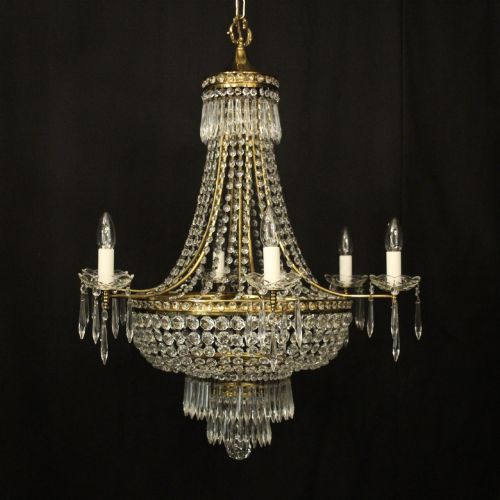
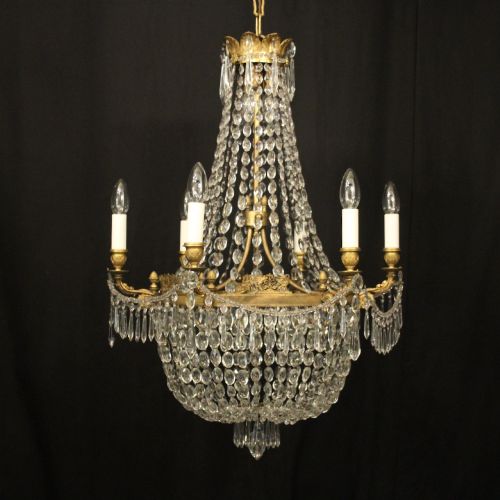
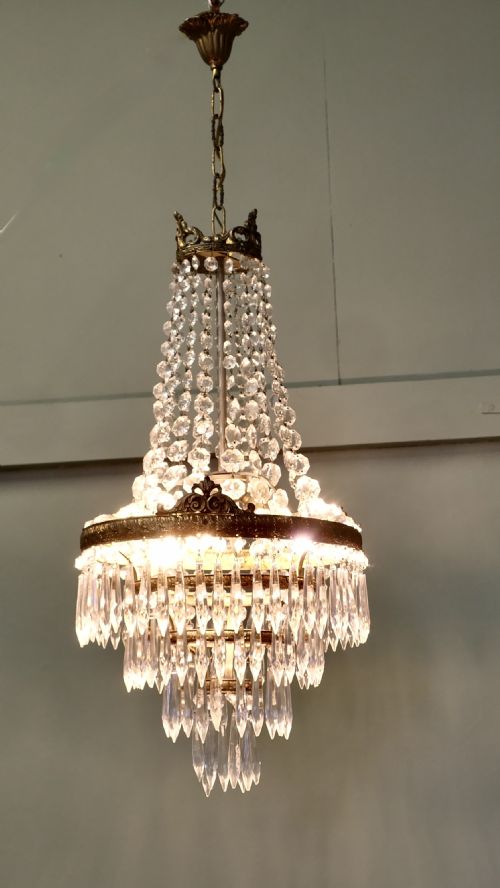
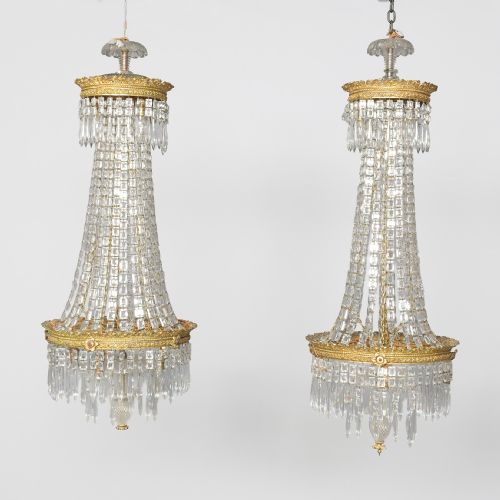
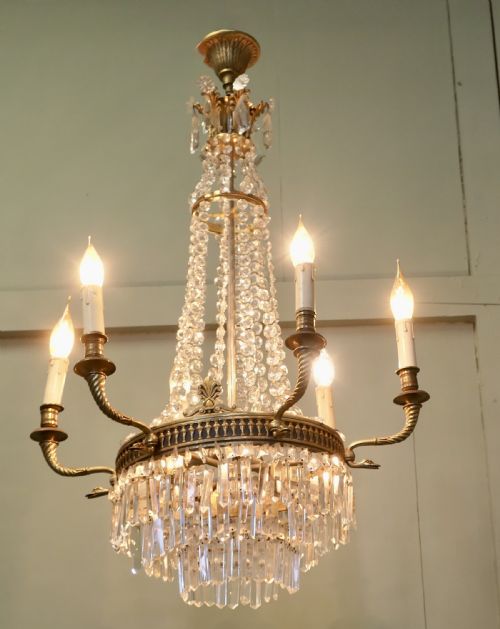
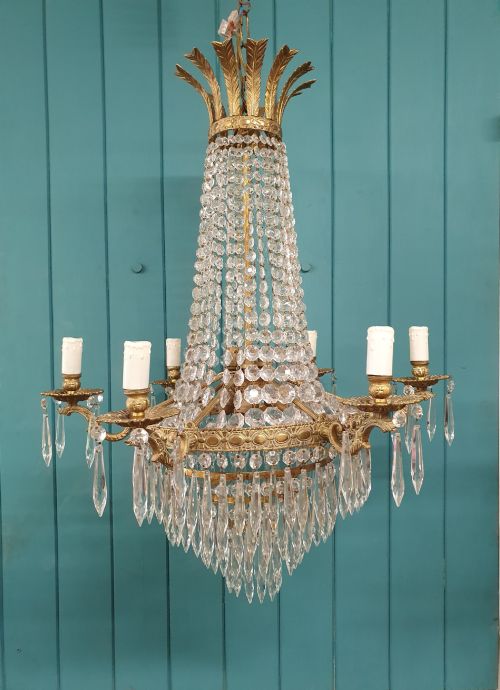
An empire ceiling light is a formal overhead fitting rooted in neoclassical and French empire design, featuring distinct tiers of illumination. You will frequently encounter fixtures described as tent and waterfall chandeliers, alongside basket forms and lyre designs.
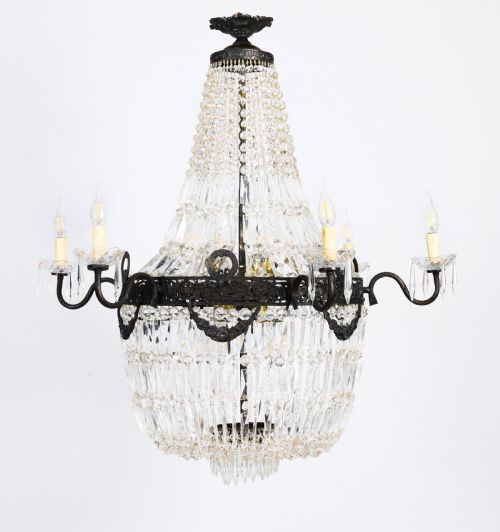
The material record spans from the eighteenth century through the Edwardian era and into the nineteen-twenties, incorporating both original period pieces and later revivals. These lights typically present multiple candle branches or internal bulb points, surrounded by cascading glass drops.
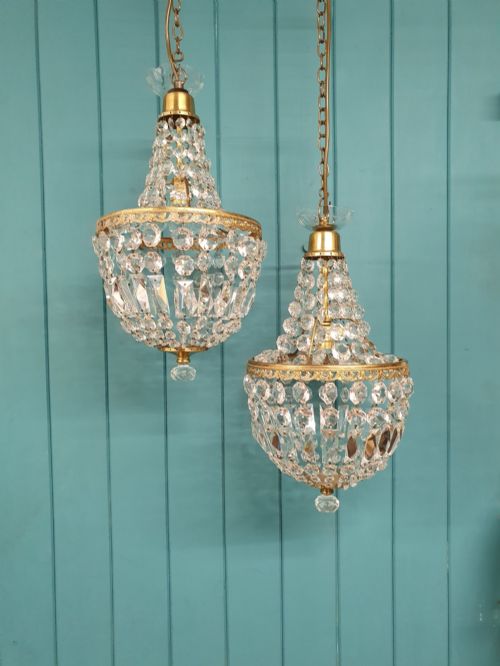
Basket and bag configurations offer a more contained profile, whereas multi-tier chandeliers command significant vertical space. Their historical origin draws directly upon continental interior fashions translated through British domestic tastes.
How they were made
Metal structures rely upon cast and chased brass, gilt bronze, or patinated bronze to form the primary skeletal frame and decorative mounts. Metalworkers shaped these components to hold delicate glass pins and wirework frames.
Prisms, beads, and drops consist of cut glass or crystal, wired by hand into elaborate tents and waterfall cascades. Selected pieces incorporate contrasting elements such as alabaster or copper elements within the metal armature.
Empire Ceiling Light Retail Price Guide 2026
Typical asking prices for empire ceiling light among the pieces listed under this phrase on Sellingantiques today, from the lower quarter to the upper quarter. They describe what is for sale here now, not the wider market.
Materials recorded across the inventory include cut crystal, alabaster, patinated bronze, and gilded brass.
What varies in quality
Quality rests upon the crispness of the bronze casting and the depth of the original gilding or patination. Heavier metal gauge and meticulous chasing separate superior frames from lighter revival alternatives.
The optical clarity and precision cutting of the crystal prisms dictate how light refracts through the fixture. Hand-wired drops with matching original components indicate a higher grade of manufacture than later assembled replacements.
The Empire Ceiling Light Glossary
- Tent and waterfall
- A chandelier configuration featuring an upper conical section of strung beads above a cascading flare of crystal drops. This layout defines many classical French empire fittings.
- Gilt bronze
- Metal alloy treated with a gold finish, often termed ormolu in period contexts. It provides a bright, reflective surface to the structural mountings.
- Bag chandelier
- A fixture enclosed in a teardrop or bag-shaped mesh of glass beads suspended beneath a single metal ring. These offer concentrated downward illumination.
- Patinated bronze
- Metal treated to produce a dark, weathered surface tone. This finish contrasts against brighter gilt elements on neoclassical designs.
- Lyre chandelier
- A lighting fixture shaped like an ancient musical instrument within the central frame. It reflects the strict symmetry of neoclassical decorative arts.
Empire Ceiling Light: Frequently Asked Questions
How do I hang a heavy empire ceiling light?
These fixtures require direct ceiling joist support or a heavy-duty rose rated for the combined weight of cast metal and crystal.
Professional electrical installation ensures the hanging chain and internal wiring safely carry the load of multi-light frames.
What rooms suit an empire ceiling light?
High-ceilinged hallways, drawing rooms, and formal dining spaces provide the vertical clearance necessary for multi-branch chandeliers.
Smaller basket or bag variants fit more intimate spaces while maintaining a decorative neoclassical presence.
How do I clean an empire ceiling light?
Dust the crystal drops regularly with a soft brush or specialised spray cleaner while the fixture hangs.
Deep cleaning requires removing individual glass strands by hand to wash them in warm soapy water without disturbing the metal frame.
Are these lights electrified originally?
Period pieces from the eighteenth and nineteenth centuries were adapted from candle or colza oil operation to modern electricity.
Twentieth-century examples often emerged from workshops built explicitly for electric internal wiring.