




Brass Fireplace Storage Box
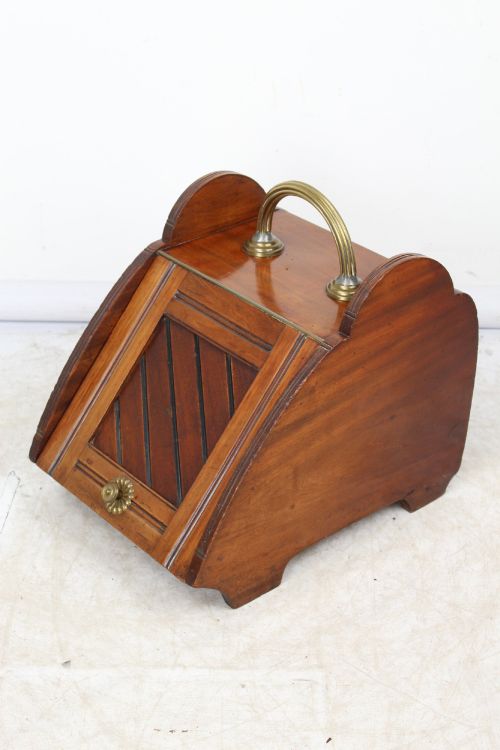
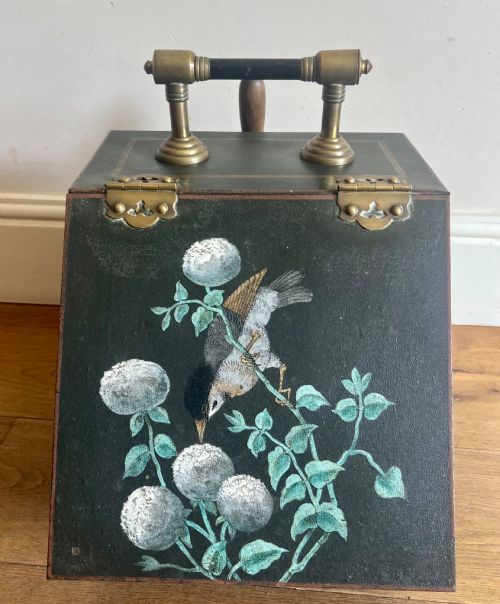
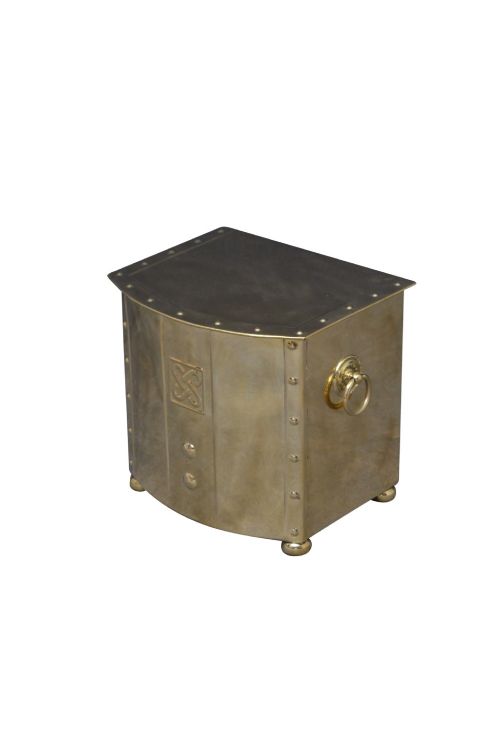
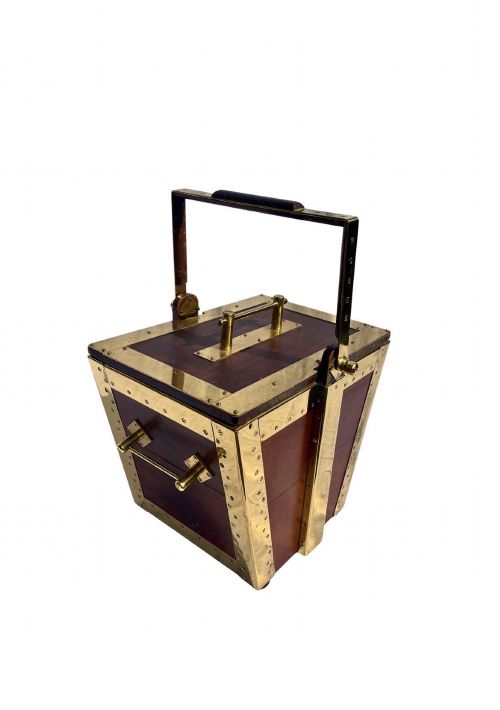
These brass fireplace storage box examples bring period utility to the hearth, combining heavy metal mounts with timber bodies.
Brass Fireplace Storage Box
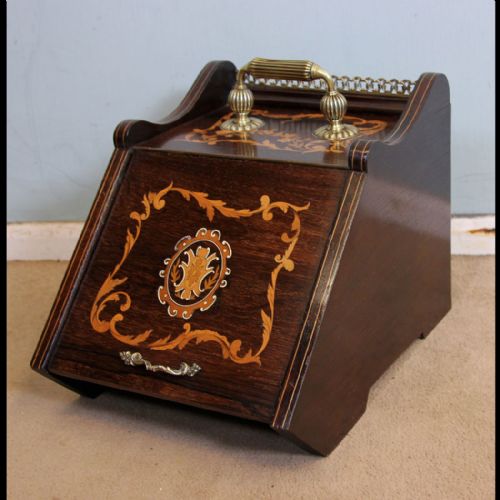
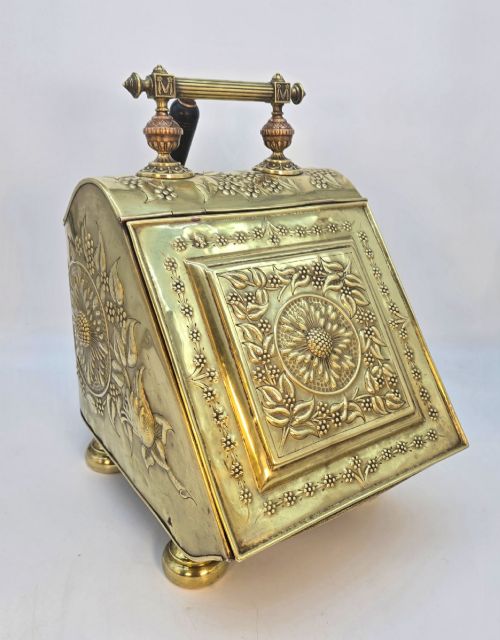
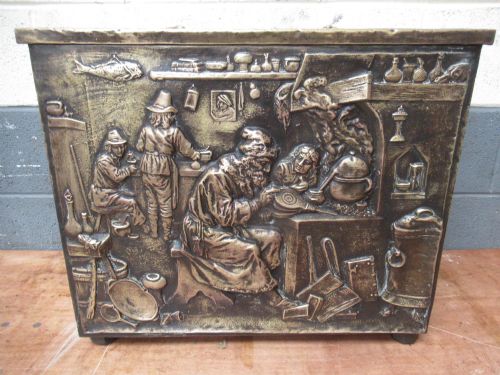
A brass fireplace storage box functions as a practical hearthside container for fuel, appearing across Victorian, Edwardian, and later twentieth-century periods. These items take the form of coal scuttles, purdoniums, log bins, and enclosed boxes designed to sit beside the fire.
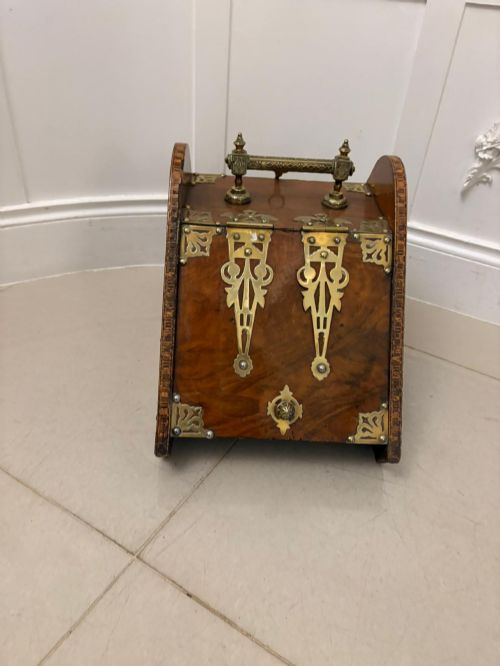
The most common variations on this page combine timber structures with substantial brass handles, hinges, and decorative mounts. You will frequently encounter walnut, oak, and mahogany bodies alongside entirely metal vessels.
Makers and designers produced these fireside accessories in styles ranging from plain utilitarian boxes to elaborate Art Nouveau, Aesthetic Movement, and Folk Art pieces. Many incorporate fitted interiors, original liners, and matching shovels.
Materials and construction
Makers constructed these storage boxes using sturdy hardwoods including mahogany, walnut, oak, and pine, often joined with visible craftsmanship. Boxwood inlay, carved details, and applied toleware add surface decoration to the wooden frames.
Brass provides the structural and decorative hardware, appearing as heavy handles, corner brackets, hinges, or as the primary sheet metal for bins and buckets. Copper plating and ormolu mounts also feature prominently across the selection.
Brass Fireplace Storage Box Retail Price Guide 2026
Typical asking prices for brass fireplace storage box among the pieces listed under this phrase on Sellingantiques today, from the lower quarter to the upper quarter. They describe what is for sale here now, not the wider market.
Some nineteenth-century coal boxes doubled as metamorphic furniture, hiding their fiery cargo behind respectable Victorian writing desk aesthetics.
Judging quality and build
Superior examples distinguish themselves through the thickness of the brass gauge and the quality of the timber selection. Dense, figured walnut and carved mahogany bodies paired with robust, cast brass handles represent the upper tier of production.
The presence of original internal liners, matching coal shovels, and smooth mechanical action in purdonium cabinets elevates a piece. Finer items display meticulous inlay, intricate repoussé work, and crisp styling from periods like the Arts and Crafts movement.
The Brass Fireplace Storage Box Glossary
- Purdonium
- A specialised coal cabinet featuring a sloping drop-front door designed to conceal fuel storage. These cabinets often include an internal metal liner and space for a shovel.
- Coal Scuttle
- A bucket or scuttle-shaped container traditionally used for carrying and storing coal by the hearth. They are fitted with pivoting carrying handles.
- Tole Ware
- Lacquered or enamelled metalware often decorated with hand-painted designs. Examples in fireside storage include folk art barge wear.
- Ormolu
- Gilded bronze or brass mounts applied to furniture and boxes for decorative effect. This technique adds bright metallic detailing to the wooden bodies.
- Aesthetic Movement
- A late nineteenth-century design style emphasising visual and material beauty over narrative content. Pieces from this period focus on refined form and decorative mounts.
Brass Fireplace Storage Box: Frequently Asked Questions
How do I clean a brass fireplace box?
Cleaning requires removing surface dust with a dry cloth before addressing the metal elements. Standard metal polish applied carefully avoids staining adjacent wooden surfaces.
Wooden bodies benefit from regular wax application to nourish the grain and protect the finish. Preserving original patination is vital for maintaining the historic character of older items.
Are these boxes meant for daily use?
These containers were originally built to hold coal, logs, or kindling for active fireplaces. Sturdy construction in oak, walnut, and heavy brass ensures they remain robust for modern storage.
Many owners continue to use them for logs or magazines by the hearth. Ensuring the internal metal liner is clean protects the timber from moisture and debris.
How do I date a coal box?
Dating relies on identifying stylistic markers, construction methods, and materials consistent with specific periods. Victorian pieces often display heavy walnut or oak with cast brass mounts, while Edwardian versions feature refined inlay.
Later pieces from the 1930s introduce Art Deco forms or plain metal constructions. Comparing hardware styles and decorative motifs helps narrow the decade of manufacture.