




Brass Fender Seat
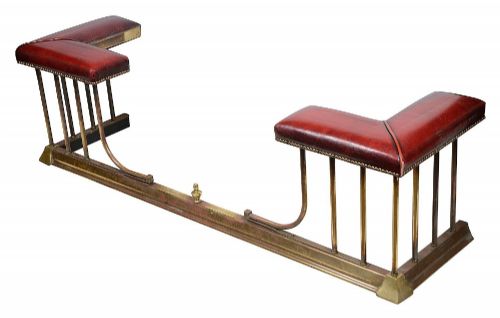
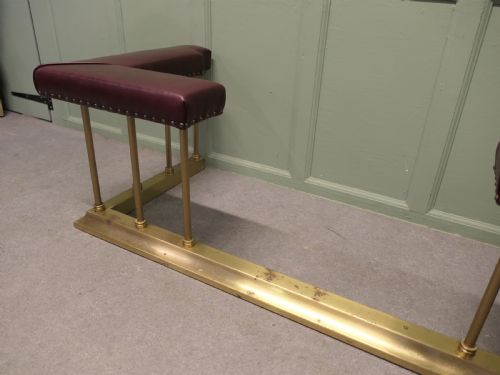
A brass fender seat brings warmth and low-slung fireside seating to a room, combining a sturdy metal hearth guard with upholstered pads.
Materials and Construction
Makers constructed the primary frames of a brass fender seat using heavy brass tubing, cast iron, or steel, sometimes combining polished brass with copper, silvered metal, or blackened iron components. These sturdy metals withstand intense hearth heat while supporting the weight of sitters.
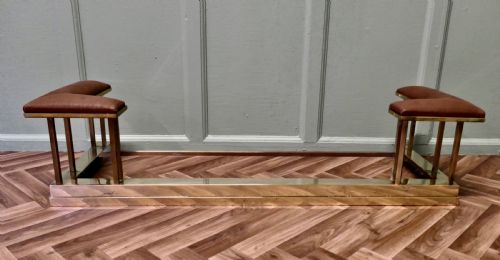
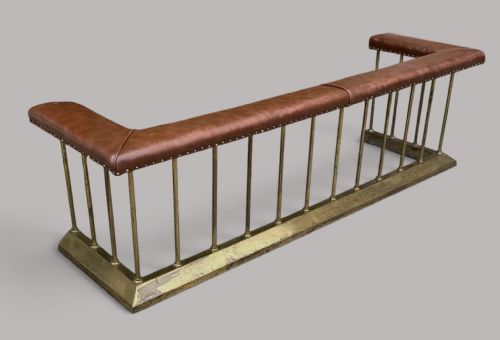
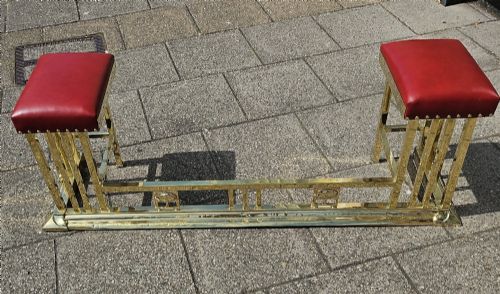
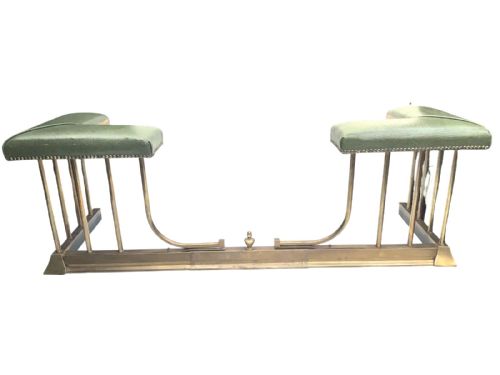
The integrated seats utilise dense padding covered in materials such as mature tan, red, or green leather, deep-buttoned velvet, or Liberty fabric. Studded leather details and substantial corner supports secure the upholstery to the metal framework.
Judgements of Quality
Quality rests in the substantial weight of the metal framework and the integrity of the corner supports. Thicker brass tubing and solid cast components distinguish heavier, more durable hearth fixtures from lighter alternatives.
The standard of upholstery and leatherwork dictates the upper tier of the range. Traditional deep-buttoning executed in high-grade leather with secure studding reflects superior craftsmanship compared to simpler fabric or leatherette replacements.
Materials recorded on this page include polished brass, copper, cast steel, iron, leather, velvet, and various traditional upholstery fabrics.
The Brass Fender Seat Glossary
- Club fender
- A low fireside seat built over a hearth fender, typically featuring two upholstered corner pads or a continuous cushioned top. This design originated in gentlemen's clubs to maximise warmth close to the hearth.
- Extending fender
- A hearth fixture designed with adjustable rails that slide to fit different fireplace widths. This mechanism allowed a single piece to adapt to varying room proportions.
- Buttoned leather
- Upholstery secured with deep indentations held by buttons in a geometric pattern. This technique keeps the padding evenly distributed across the seat cushions.
- Hearth guard
- The protective metal barrier that encircles the fireplace opening to contain ash and embers. In a fender seat, this guard doubles as the structural base for the cushions.
Brass Fender Seat: Frequently Asked Questions
How do I clean the brass?
Polished brass surfaces require gentle wiping with a soft cloth to remove dust and soot accumulation. Avoid harsh chemical cleaners that strip the natural ageing of the metal.
For stubborn tarnish, use a mild, traditional metal polish applied sparingly, taking care not to stain the surrounding leather or fabric upholstery.
Can these fit any fireplace?
Many surviving examples feature extending metal frames designed to adjust in width. This allows the piece to be resized to match different hearth dimensions.
Fixed-size items require careful measurement of both the hearth opening and the surrounding floor space before placement.
How were fender seats used?
Fender seats provided practical, low seating positioned directly around the hearth where room heat concentrates. They allowed individuals to sit close to the fire while keeping sparks contained.
In larger country houses, they served as social gathering spots during colder months, fitting neatly into the chimney breast architecture.
What leather colours exist?
Surviving pieces frequently display upholstery in mature tan, deep red, burgundy, or green leather. Some examples utilise black leather or patterned fabrics like velvet and Liberty cotton.
These colours often develop a rich patina through age and regular use by the fireside.