







Brass Enamel Vases
Brass enamel vases combine robust metalwork with vibrant glazed surfaces, offering striking visual depth for interior display.
Brass Enamel Vases
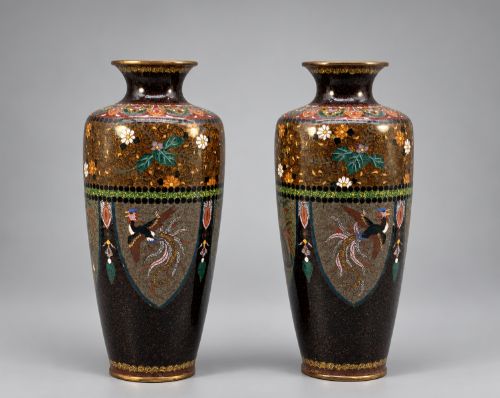
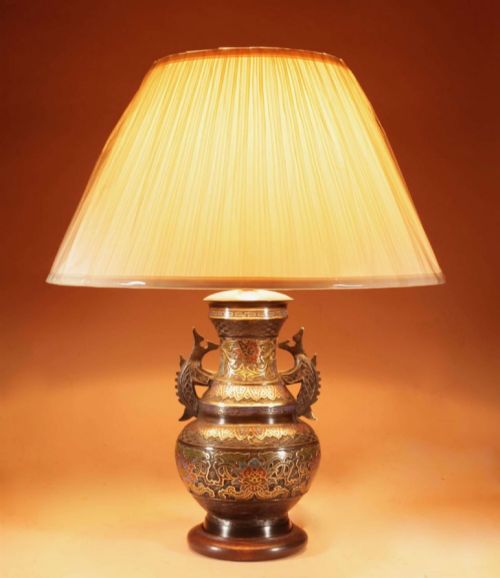
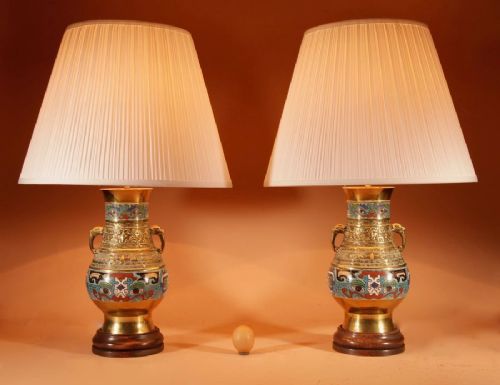
Brass enamel vases span the nineteenth and twentieth centuries, originating predominantly from Chinese and Japanese workshops alongside European decorative traditions. You encounter objects ranging from miniature vessels to large garniture pieces, many later adapted into table lamps.
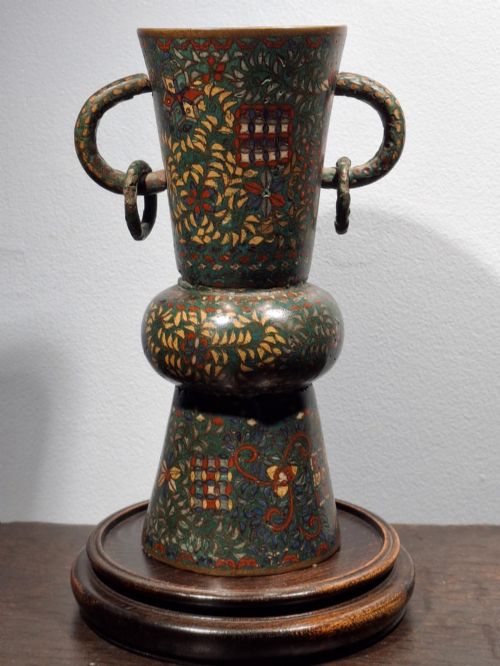
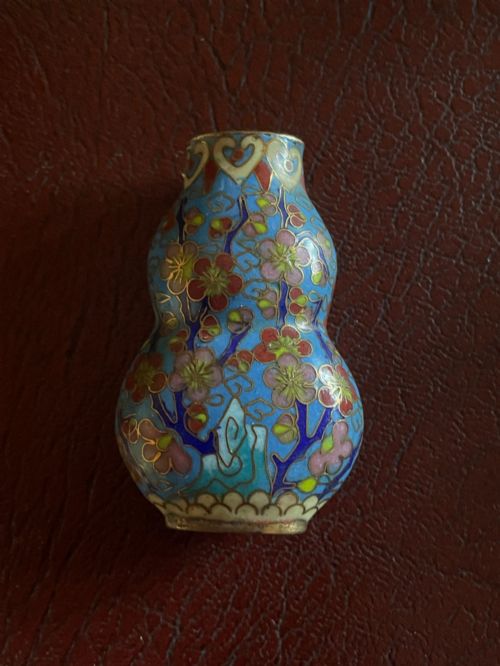
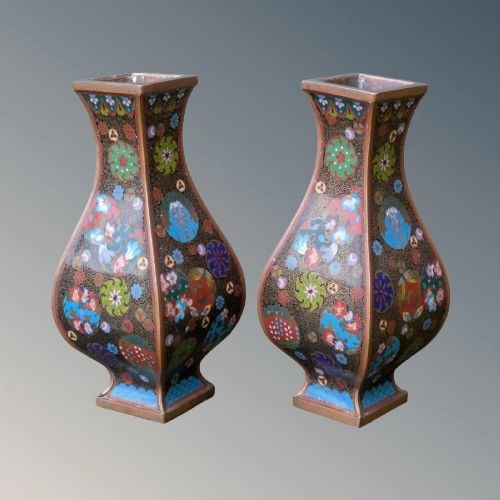
The selections on this page highlight intricate cloisonné and champlevé techniques applied to brass, bronze, and copper foundations. These vessels reflect historical export styles and Meiji period craftsmanship.
Forms include twin-handled bases, decorative jars, and urns displaying traditional oriental motifs. These pieces serve as both standalone ornaments and functional lighting components.
How they were made
Artisans constructed the body using brass, bronze, or copper, shaping the metal through casting or hammering. Wire was soldered onto the surface to outline intricate cellular patterns for the decorative compartments.
Coloured glass pastes were packed into these wire cells or recessed champlevé troughs before firing at high temperatures. Subsequent polishing revealed the metal outlines flush with the hardened enamel surface.
Brass Enamel Vases Retail Price Guide 2026
Typical asking prices for brass enamel vases among the pieces listed under this phrase on Sellingantiques today, from the lower quarter to the upper quarter. They describe what is for sale here now, not the wider market.
Victorian households loved symmetry so much they converted antique vases into lamp pairs just to keep the mantelpiece peace.
What varies in quality
Quality rests in the precision of the wirework and the density of the enamel glaze. Superior examples display crisp metallic outlines and evenly filled cells without bubbling or shrinkage.
The weight of the metal base and the refinement of any gilt bronze mounts distinguish finer studio pieces from standard decorative wares.
The Brass Enamel Vases Glossary
- Cloisonné
- A technique where thin metal wires are soldered to a metal body to create cells filled with enamel paste. This method produces intricate geometric and floral patterns.
- Champlevé
- A process where troughs or cells are carved directly into the metal surface and filled with enamel before firing. It creates a bold, integrated design.
- Gilt bronze
- Bronze coated with a thin layer of gold to give a rich, reflective finish. It frequently appears on mounts and bases.
- Famille rose
- A Chinese ceramic and enamel palette dominated by pink or rose opaque colours. It characterises specific nineteenth-century decorative pieces.
- Garniture set
- A coordinated group of ornamental vases and jars designed to sit on a mantelpiece or cabinet. These sets often comprise three or five matching vessels.
Brass Enamel Vases: Frequently Asked Questions
Are brass enamel vases fragile?
The metal foundations provide sturdy structure, but the glass enamel surfaces can chip or crack under sharp impacts. Careful handling protects the glazed details during placement.
Normal dusting with a soft cloth maintains the finish without risking abrasion to the polished metal or vitreous areas.
Why are many vases converted to lamps?
The decorative proportions and stable bases of these vessels made them popular candidates for electrical conversion during the twentieth century. Many retain twin-handled or urn shapes suited for domestic lighting.
Collectors often appreciate these dual-purpose items as functional interior accents that preserve antique craftsmanship.
How do I identify Meiji period pieces?
Meiji period Japanese items typically exhibit exceptionally fine wirework and naturalistic motifs such as birds and flowers. These pieces often date from the late nineteenth century.
Markings on the base or specific stylistic conventions help attribute them to this productive era of metalwork.
What is the difference between cloisonné and champlevé?
Cloisonné relies on soldered wire to form surface compartments for enamel, creating a raised network of lines. Champlevé involves carving or casting depressions directly into the solid metal base.
Both techniques produce colourful decorative surfaces but differ fundamentally in how the individual enamel cells are formed.