




Brass Desktop Organiser
These brass desktop organiser pieces are solid desk accessories designed to keep papers and writing tools tidy with period authority.
Brass Desktop Organiser
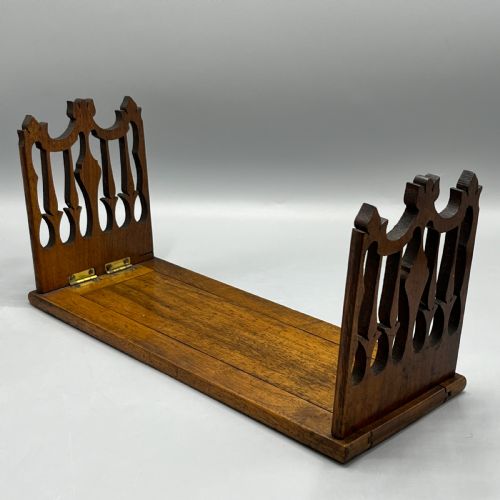
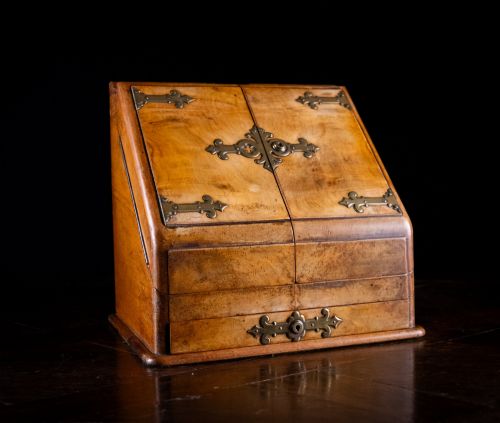
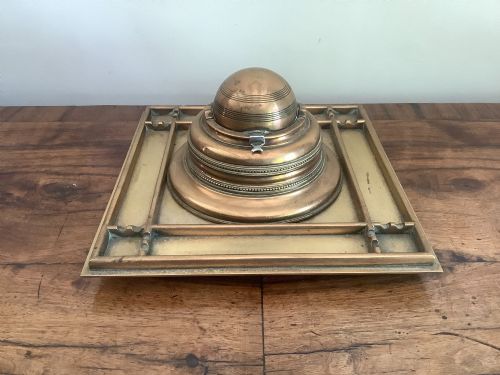
A brass desktop organiser brings together functional desk accessories from the Victorian, Edwardian, and Regency periods, utilising timber structures mounted with metalwork. Buyers searching for a brass desktop organiser will find various forms designed for correspondence, including stationery boxes, inkstands, and book slides.
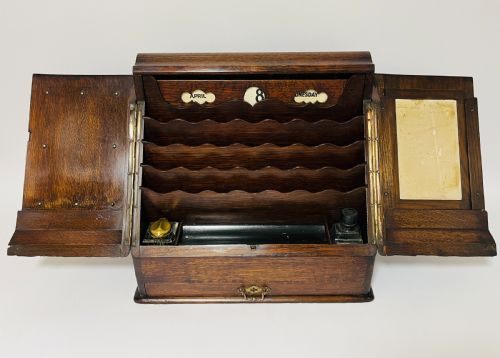
The most common versions met on this page are Victorian and Edwardian oak, walnut, or coromandel stationery cabinets and letter boxes fitted with brass hinges, mounts, and handles. These pieces reflect the functional writing habits of nineteenth and early twentieth century studies and offices.
Beyond cabinets, the selection includes compact banks of drawers, index filing units, and expanding book slides that combine heavy timber construction with visible brass mechanisms. Each item serves to organise letters, pens, and books upon a writing surface while displaying period craftsmanship.
Materials and construction
Construction relies on solid and veneered hardwoods such as oak, walnut, mahogany, coromandel, and rosewood, chosen for durability and grain figure. These timber bodies are jointed and fitted with cast or stamped brass mounts, hinges, drop handles, and escutcheons.
Specialised items incorporate decorative panels of mother-of-pearl, agate, or ebonised wood alongside the primary brass and timber components. Patent mechanisms, such as those found on expanding book slides or drop-front stationery cabinets, integrate internal metal hinges and tracks.
Brass Desktop Organiser Retail Price Guide 2026
Typical asking prices for brass desktop organiser among the pieces listed under this phrase on Sellingantiques today, from the lower quarter to the upper quarter. They describe what is for sale here now, not the wider market.
Listings feature items spanning the Georgian, Regency, Victorian, and Edwardian periods, constructed in oak, walnut, mahogany, and coromandel.
Distinctions in quality
Quality separates pieces through the selection of timber figures, such as figured walnut or rich coromandel, and the weight and finish of the brass mounts. Superior examples show precise dovetail joinery, well-fitted doors or lids, and intact internal dividers.
The integration of secondary materials like mother-of-pearl inlay or heavy cut-glass inkwells within an inkstand marks a higher grade of manufacture. Patent mechanisms that operate smoothly without binding also distinguish better workshops from standard production.
Betjemanns
The Brass Desktop Organiser Glossary
- Stationery box
- A desk box designed to hold writing paper and envelopes, often featuring a sloping or hinged lid and internal dividers. These containers frequently include brass handles and lockplates.
- Book slide
- An extending rack designed to hold a row of books upright on a desk or table, commonly fitted with hinged brass ends. They allow the length to be adjusted as volumes are added or removed.
- Inkstand
- A tray or stand holding one or more inkwells, alongside pen troughs and sometimes a sander or bell. They range from simple wooden bases to elaborate designs featuring glass and brass elements.
- Coromandel wood
- A dense, heavily figured exotic timber from Southeast Asia with dark brown and black streaks, utilised for luxury nineteenth century desk accessories. It provides a striking contrast against bright brass mounts.
- Escutcheon
- A protective metal plate surrounding a keyhole, usually made of brass on these desk accessories. It reinforces the timber around the lock while adding a decorative detail.
Brass Desktop Organiser: Frequently Asked Questions
What is a brass desktop organiser used for?
These pieces were originally designed to sort incoming letters, hold writing paper, store inkwells, and keep reference books upright on a study desk. They served the clerical and correspondence needs of nineteenth century homes and offices.
Today, they function practically for sorting modern mail, keeping notebooks in order, or storing small stationery items while adding period character to a workspace.
How do I care for wood and brass desk items?
Maintenance requires keeping wooden surfaces clean with a gentle wax polish suited to period timbers like oak or walnut. Harsh chemical cleaners should be avoided to protect the original finish and patina.
Brass mounts can be left with their natural aged tone or gently cleaned with a non-abrasive metal polish if brightness is preferred. Keeping the items away from direct sunlight and damp conditions prevents timber warping.
How can I tell Victorian pieces apart from Edwardian ones?
Victorian desk accessories, dating from the mid to late nineteenth century, often display heavier ornamentation, darker ebonised finishes, or elaborate Gothic revival details. Woods like coromandel and heavy brass mounts are typical of this high-Victorian period.
Edwardian pieces, made from around 1901 onwards, tend toward lighter oak or mahogany construction with simpler lines suited to country house studies. The Arts and Crafts influence in Edwardian items also favours straightforward joinery over ornate embellishment.
What are patent book slides?
Patent book slides feature mechanical extension systems, often designed by makers such as Betjemanns, which allow the two ends to slide smoothly outward while keeping the book rest stable. These mechanisms rely on internal brass tracks and hinges concealed within the wooden base.
They represent mid to late nineteenth century innovation in desk furniture, combining everyday utility with clever engineering that collectors look for today.