


Brass Crystal Droplet Chandelier
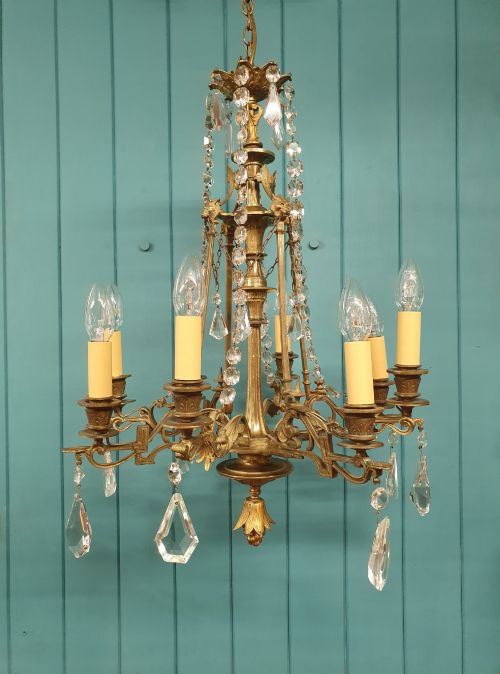
A brass crystal droplet chandelier brings weight, sparkle and a distinct historic atmosphere to a high ceiling.
Brass Crystal Droplet Chandelier
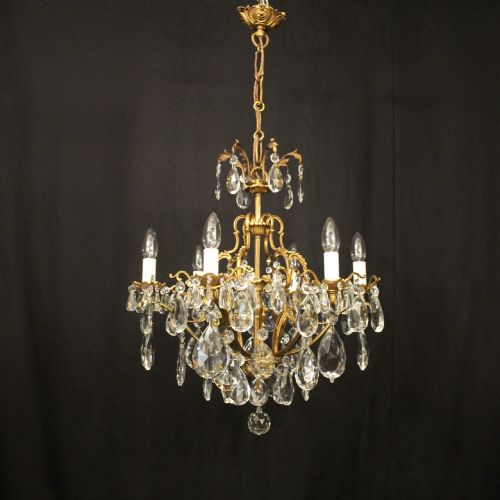
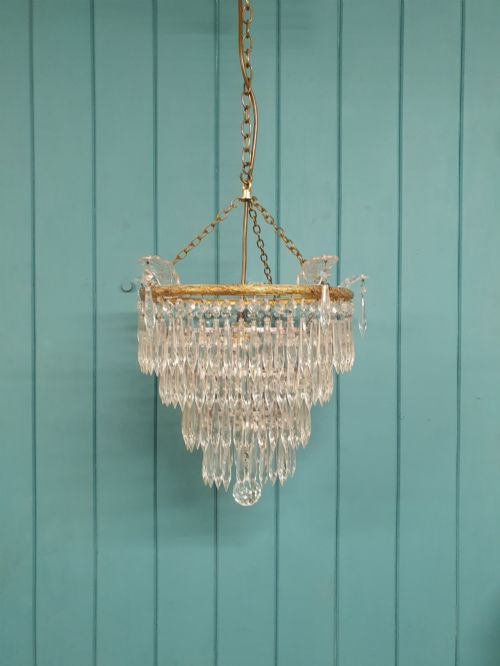
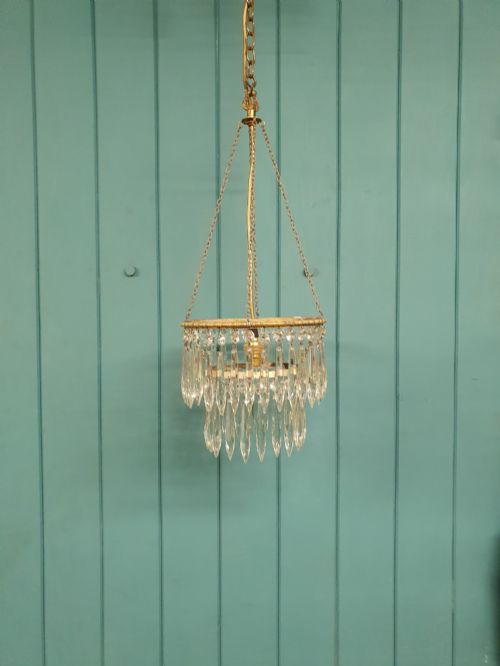
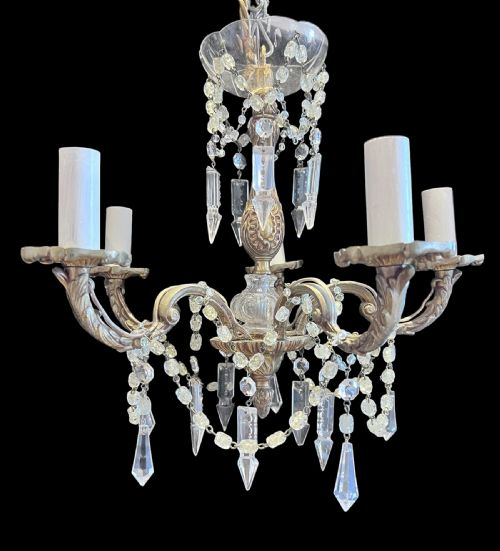
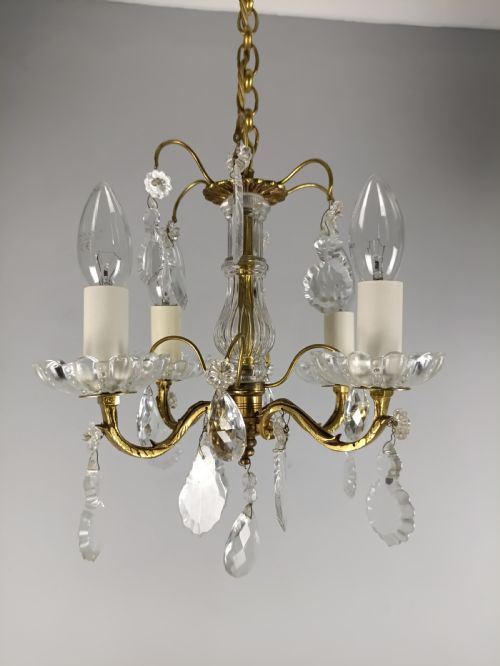
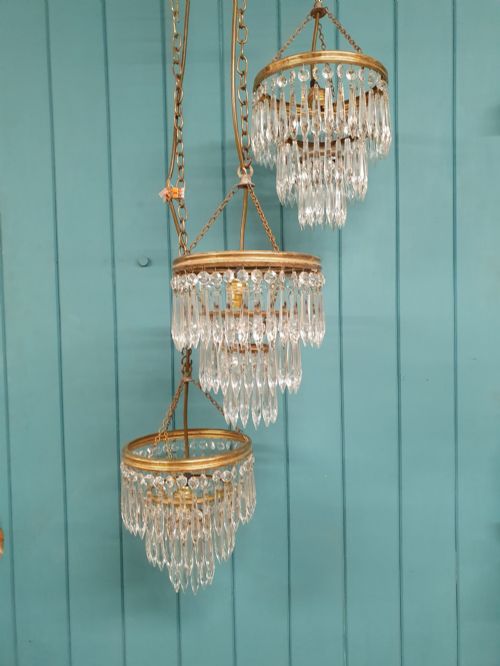
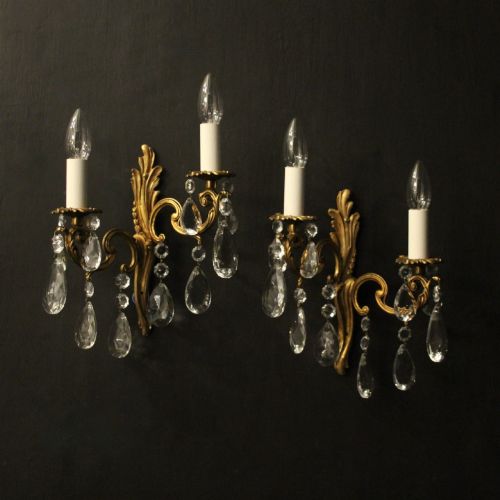
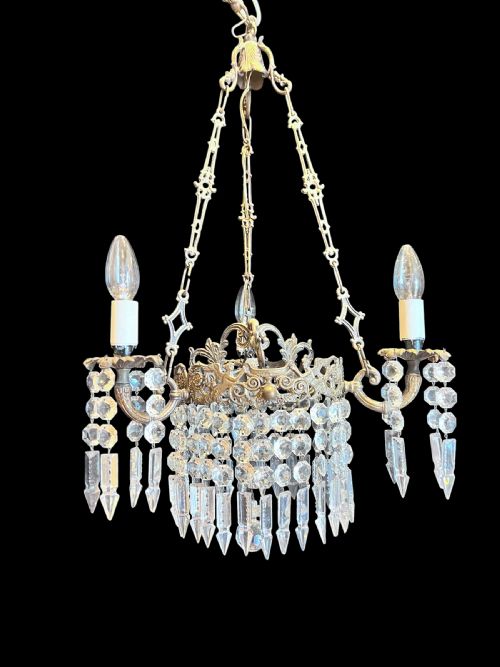
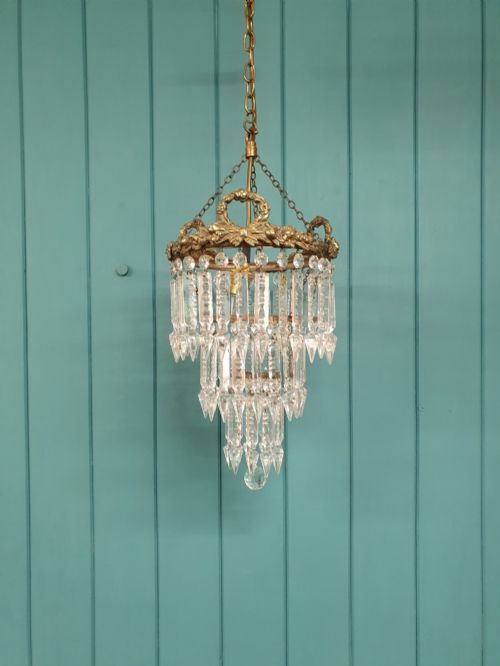
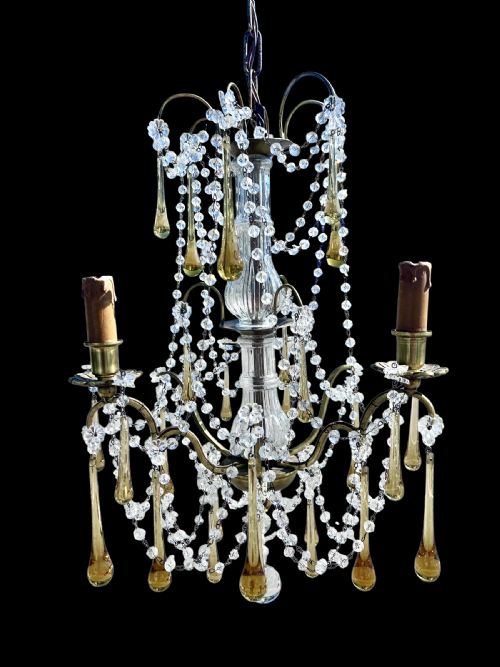
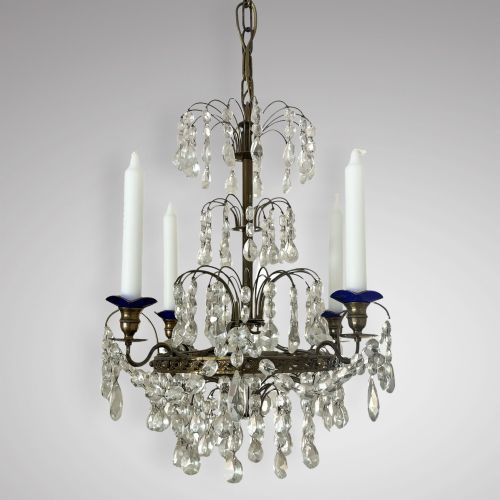
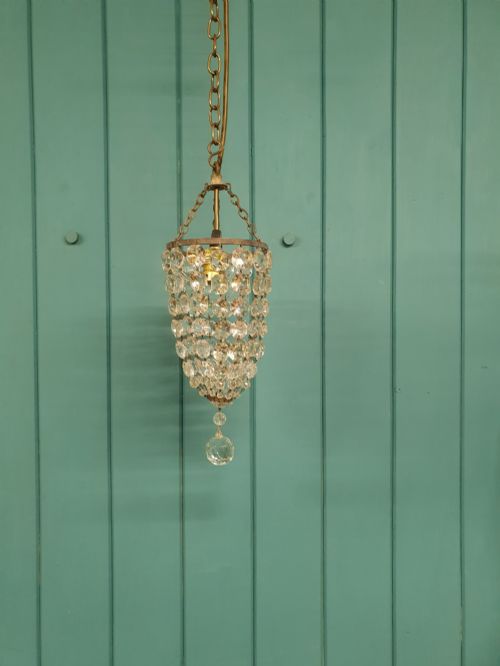
A brass crystal droplet chandelier combines a metal frame with suspended glass elements to catch and refract light around a room. Buyers seeking this brass crystal droplet chandelier will encounter numerous examples originating from France, Italy and England across the nineteenth and twentieth centuries. These fixtures range from compact single-light pendants and wall lights up to massive multi-tiered ballroom installations.
The selection here draws heavily from the early twentieth century, particularly the 1920s and 1930s, alongside Edwardian and nineteenth-century pieces. Common forms include basket chandeliers, bag chandeliers, birdcage frames and multi-arm branch arrangements. Alongside standard ceiling lights, the evidence also includes table lamps and girandoles sharing the same vocabulary of brass and glass.
Stylistic influences vary widely across the inventory, touching upon French Rococo, Art Nouveau, Gustavian and Italian Florentine designs. Whichever specific regional variant appears, the core identity rests on the interplay between a brass or gilt frame and cascading glass droplets.
Materials and construction
Makers constructed the structural frames from brass, gilt metal, gilt bronze and iron, shaping them into arms, bands and decorative mounts. These metal skeletons provide the necessary rigidity to support dozens of individual glass components without flexing.
Cut glass, crystal glass and coloured crystals form the cascading droplets, lustres and beads suspended from the metalwork. Artisans wired or pinned these glass elements individually to the frame, creating flexible chains and swags that move and chime with air currents.
The inventory records pieces spanning the nineteenth century, Edwardian era, and the 1920s and 1930s, utilising brass, gilt bronze, crystal and cut glass.
Judging quality and execution
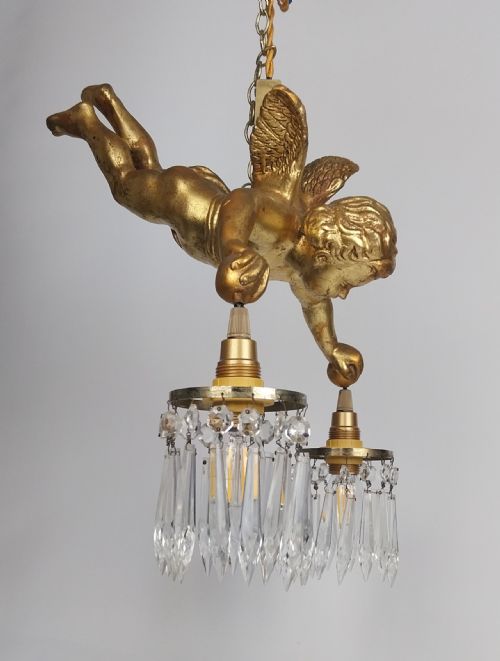
Quality reveals itself in the crispness of the metal casting and the precision of the glass cutting. Heavier brass frames with detailed chasing, such as lion masks or winged cherubs, demonstrate superior foundry work compared to plain stamped metal.
The clarity and weight of the crystal droplets dictate how brilliantly the fixture refracts light. Dense cut glass with sharp facets creates deeper prismatic effects than thin, moulded glass alternatives.
The Brass Crystal Droplet Chandelier Glossary
- Bag chandelier
- A lighting fixture featuring a gathered lower section of glass drops resembling a small pouch or bag. This design directs the visual weight toward the base of the frame.
- Birdcage chandelier
- A fixture enclosed within a skeletal metal framework shaped like an avian cage. Crystal strands drape over the internal tiers to create a layered visual depth.
- Girandole
- A branched candleholder or electrified wall light featuring reflective glass or mirror elements. These pieces amplify illumination by bouncing light off both the metal arms and the hanging drops.
- Lustre
- A cut glass pendant or droplet hung from a chandelier to refract light. Lustres come in various shapes including spears, drops and teardrops.
- Plafoniere
- A ceiling-mounted light fixture sitting flush or close to the ceiling surface rather than hanging on a long chain. These often utilise basin or bowl forms in glass and metal.
Brass Crystal Droplet Chandelier: Frequently Asked Questions
How do I clean a crystal chandelier?
Cleaning requires a specialist glass spray and gentle wiping of each individual droplet while supporting it from behind. Removing the glass pieces entirely allows for thorough washing in warm soapy water.
Care must be taken around old brass wiring and aged metal frames to prevent moisture damage. Regular dusting with a feather duster helps maintain the sparkle between deeper cleans.
Can these chandeliers take modern bulbs?
Most antique fixtures can accommodate modern LED bulbs provided the Edison screw or bayonet fitting matches the original sockets. Consulting an electrician ensures the internal wiring safely handles contemporary electrical loads.
Using low-heat LED bulbs also protects fragile nineteenth-century and early twentieth-century components from thermal stress. Warm white output helps replicate the softer glow of historical lighting.
How do I determine the right size?
Selecting the correct scale involves measuring the room dimensions and ensuring adequate clearance below the lowest hanging crystal. Large multi-tier ballrooms demand high ceilings, whereas compact nine-inch lustre fixtures suit smaller reception spaces.
Wall lights and table lamps offer alternative ways to introduce the same materials into rooms with restricted vertical space. Balance is key to ensuring the fixture commands the room without overwhelming it.
How do I date these chandeliers?
Dating relies on stylistic markers such as the flowing organic lines of Art Nouveau or the symmetrical restraint of Gustavian pieces. Examining the construction of the metal frame and the cut of the glass provides further clues to the manufacturing era.
Nineteenth-century models often feature heavier bronze casting, while 1920s and 1930s examples frequently incorporate streamlined brass tiers and distinct crystal cuts. Comparing the wiring style and fixings also helps establish a reliable timeline.