
Brass and Glass Lighting
Brass and glass lighting combines metal frames with transparent panels or pendants to illuminate interiors across multiple stylistic periods.
Brass and Glass Lighting
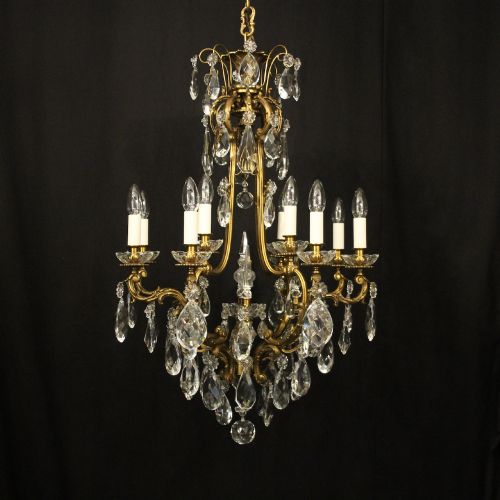
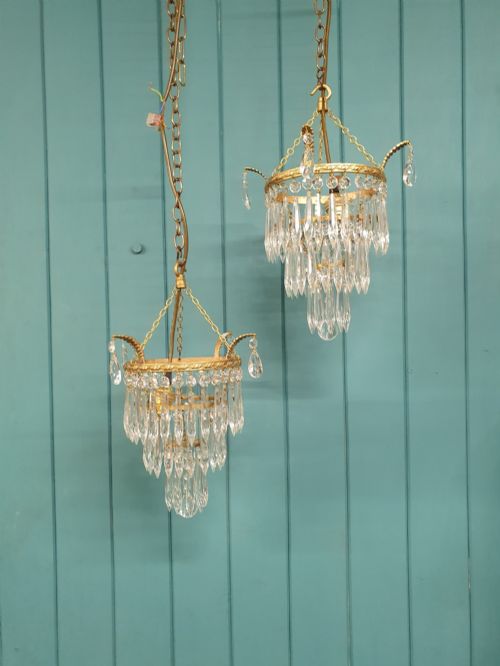
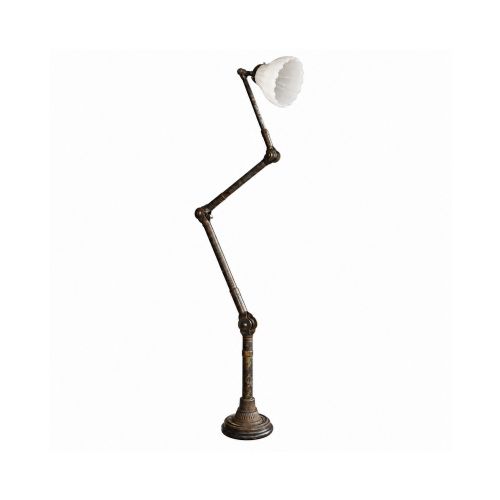
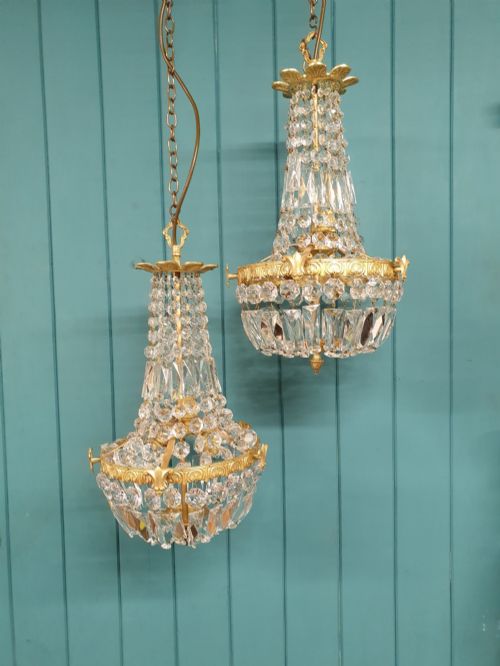
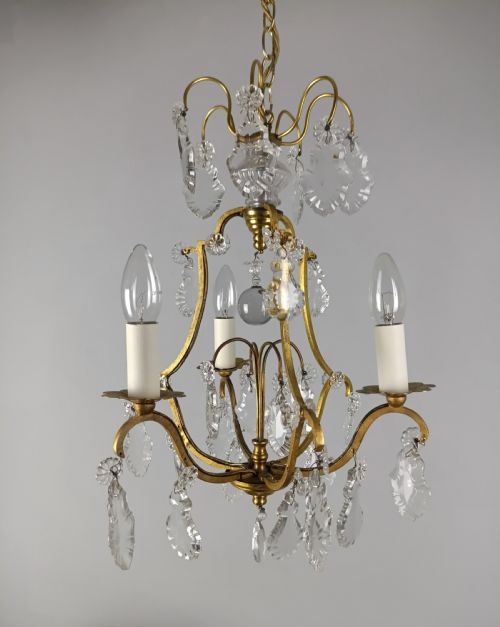
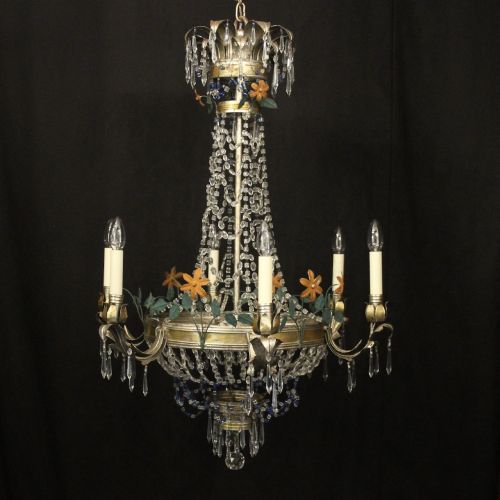
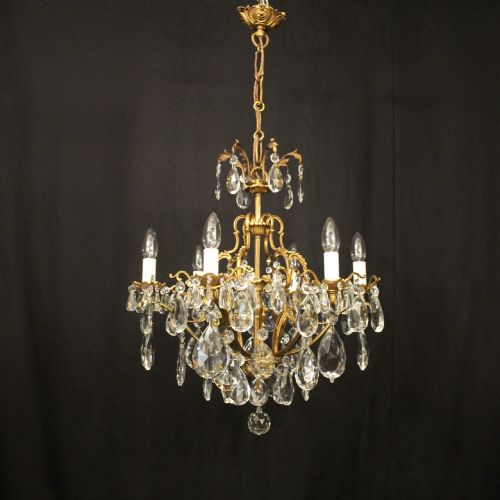
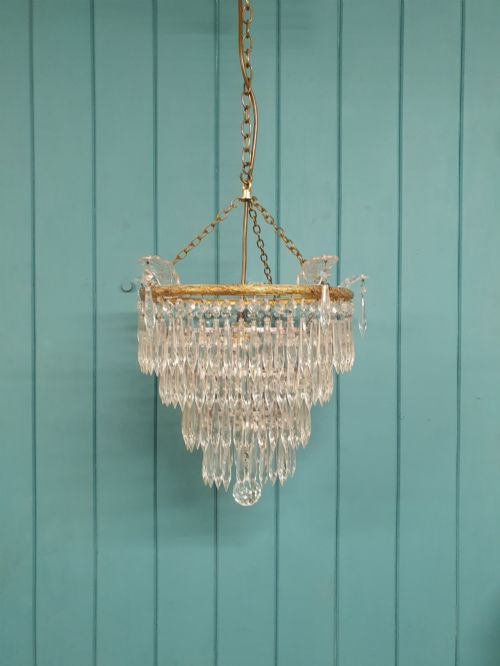
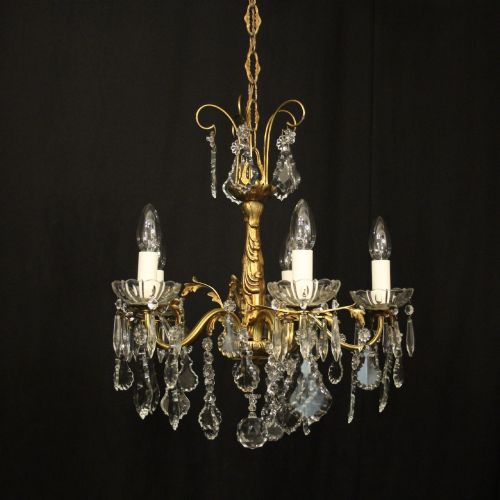
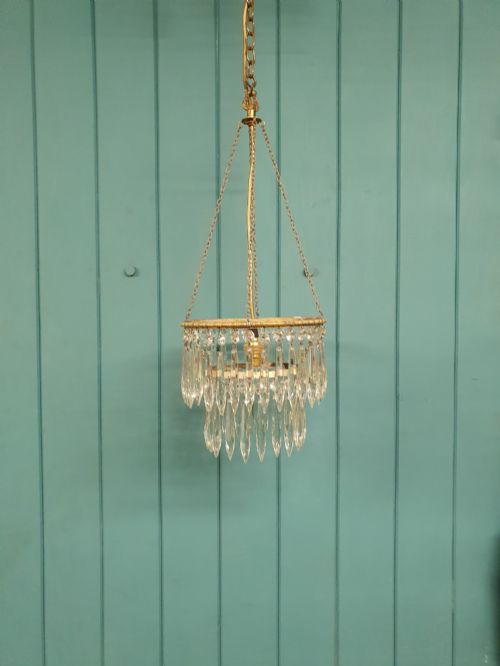
Brass and glass lighting comprises fixtures designed to illuminate rooms, spanning overhead chandeliers, hanging lanterns, and table lamps. Buyers seeking this category encounter pieces originating from the nineteenth century through to the Art Deco era.
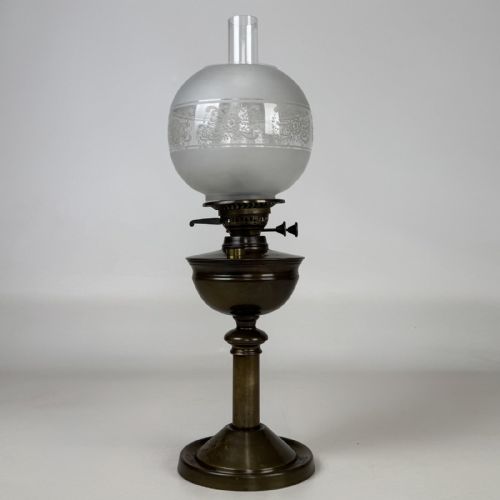
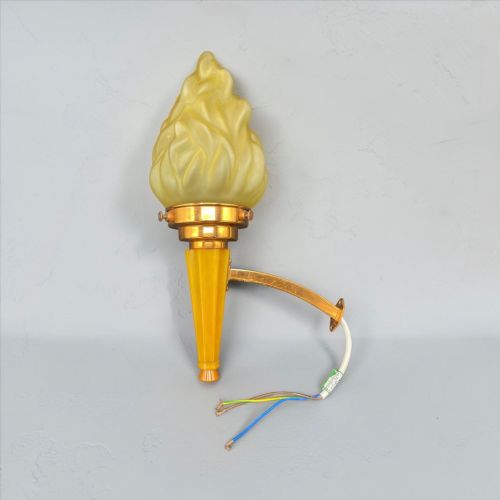
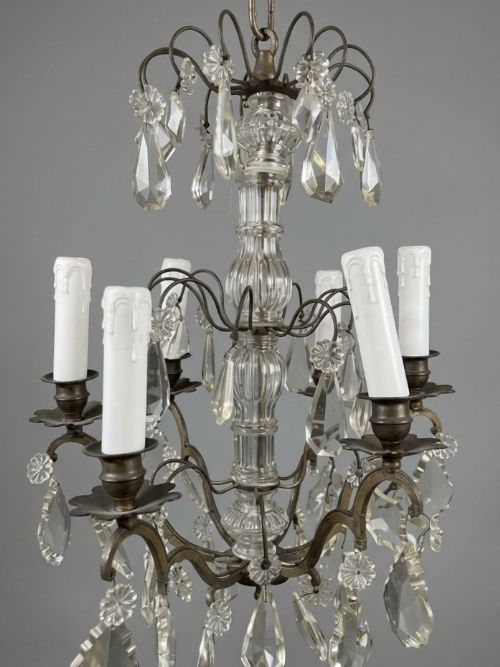
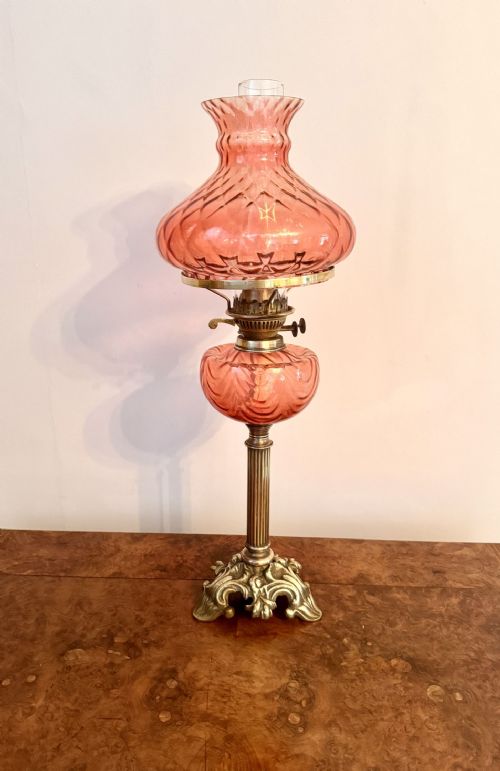
Ceiling lights, wall lights, and oil lamps represent the primary forms available in this category. Many examples incorporate specialised glass elements such as cut crystal, frosted panels, or opaline shades.
Materials and construction
Manufacturing methods rely heavily on cast or spun brass, gilt bronze, and structural metal to form the supportive frameworks. These metal elements hold various forms of glass, including bevelled panels, mouth-blown shades, and moulded crystal drops.
Glass components are integrated into frames using techniques appropriate to the period, from leaded joints in Victorian lanterns to slip-in shades in Art Deco fixtures. Metalwork often displays patination, gilding, or polished finishes applied during original production.
Listings in this category span the nineteenth century, Edwardian era, and 1920s and 1930s Art Deco periods.
Assessing quality and manufacture
Quality in these fixtures is determined by the weight of the metal casting, the precision of the brass joinery, and the clarity of the glass. Finer pieces display crisp chasing on gilt bronze mounts and hand-cut facets on crystal prisms rather than pressed substitutes.
The integrity of the construction distinguishes standard production from superior examples, particularly in the structural support of multi-light chandeliers and heavy hall lanterns. Original glass components matching the period framework also elevate the standing of a piece.
Fratelli Toso
The Brass and Glass Lighting Glossary
- Chandelier
- A branched decorative ceiling fixture designed to hold multiple lights. These items often incorporate crystal lustres or glass drops to refract illumination.
- Hall lantern
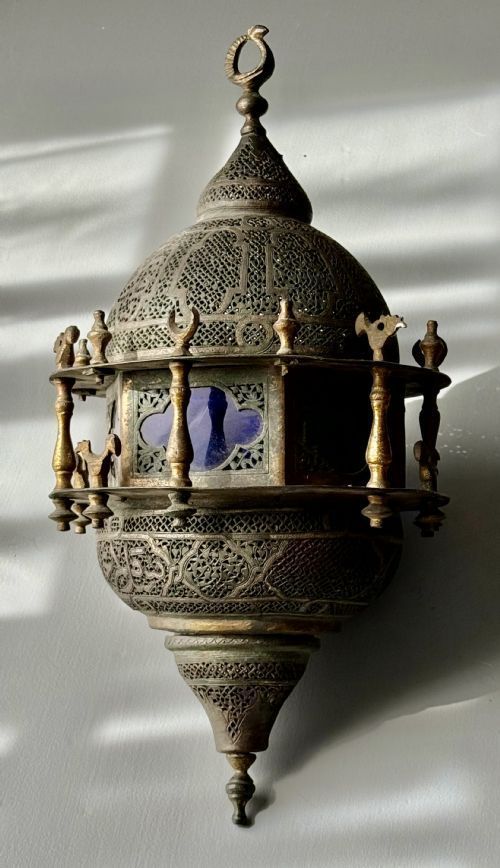
- An enclosed hanging light traditionally placed in corridors or entranceways. They utilise glass panels secured within a brass or bronze framework.
- Vaseline glass
- A type of glass coloured with uranium oxide that exhibits a distinct yellow-green hue. It glows under ultraviolet light and appears in Victorian lighting.
- Spike chandelier
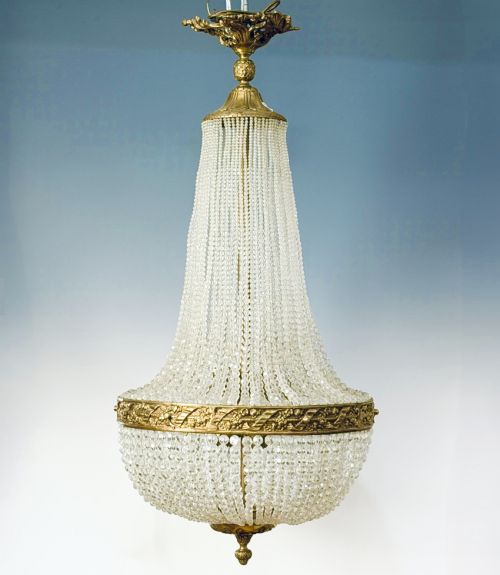
- A vertical metal frame design featuring an elongated central drop or spike. These fixtures typically support arrangements of glass prisms or beads.
- Gasolier
- A multi-burner light fixture originally designed for coal gas illumination. Many examples were subsequently converted to electricity.
Brass and Glass Lighting: Frequently Asked Questions
How do I clean antique brass and glass?
Dust fixtures regularly with a soft dry cloth to prevent grime accumulation on the metal and glass surfaces. Avoid harsh chemical cleaners that can strip original patination from brass or damage delicate gilt finishes.
For glass prisms or panels, remove them if secured safely and wash in warm soapy water before drying thoroughly. Take care around older wiring and fragile leaded joints during any maintenance work.
Can these old lights be rewired for modern homes?
Most antique fixtures can be adapted to meet contemporary electrical standards by a qualified professional. Rewiring ensures safe operation while retaining the original external metal and glass components.
Discuss retrofitting options with an electrician to preserve internal holders and ceiling mounts where possible. This maintains the structural authenticity of the period piece.
What rooms suit a hall lantern best?
Hall lanterns function effectively in entryways, stairwells, and corridors where vertical space allows suspended fixtures. Their enclosed designs protect light sources while casting diffused illumination across transit areas.
Scaling the lantern to the dimensions of the room ensures balanced proportions within smaller or larger spaces. Ceiling height remains the primary consideration for suspension length.
How do I identify a Victorian piece?
Victorian lighting frequently employs heavier brass castings, ornate detailing, and specific glass types like cranberry or opaline shades. Stylistic markers often include Gothic Revival motifs or classical columns.
Construction methods typical of the nineteenth century involve hand-finished metal joints and heavier glass elements. Comparing the mounting hardware and wiring channels provides further clues to the era of manufacture.