


Brass Column Accent Table
A brass column accent table brings architectural presence and metallic warmth to a room, offering a sturdy perch for lamps or plants.
Brass Column Accent Table
A brass column accent table brings structural verticality and reflective metallic warmth to a domestic interior, serving as a display surface for lamps or plants. Buyers seeking a brass column accent table will encounter pieces spanning from the nineteenth century through the twentieth century, reflecting diverse revival aesthetics.
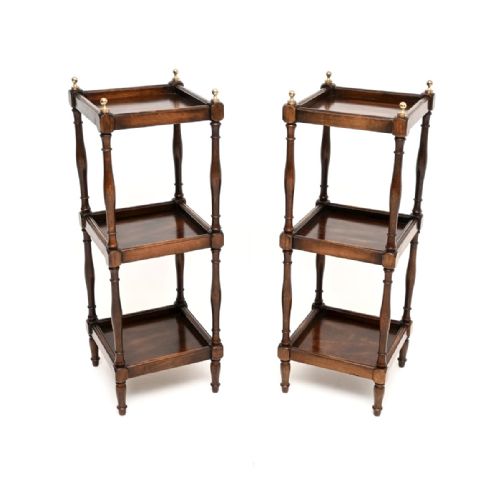
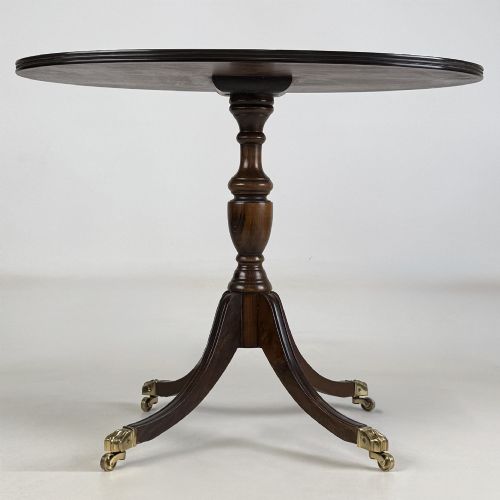
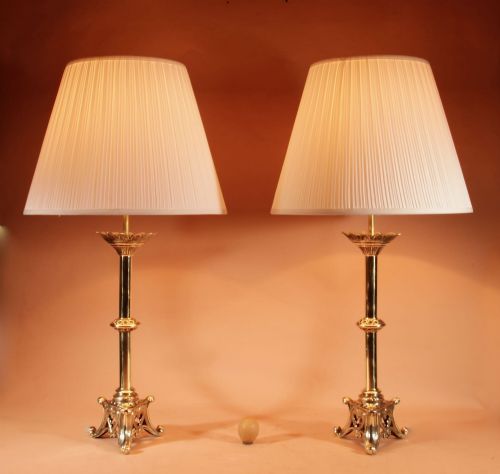
The selections available here lean heavily into lighting and small support furniture, encompassing table lamps, plant stands, side tables, and etageres. Origins and influences trace across Victorian, Edwardian, and French Neoclassical traditions, utilising cast metals alongside timber and stone.
How they were made
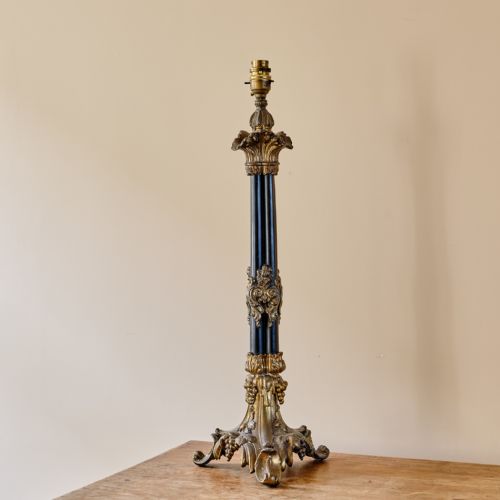
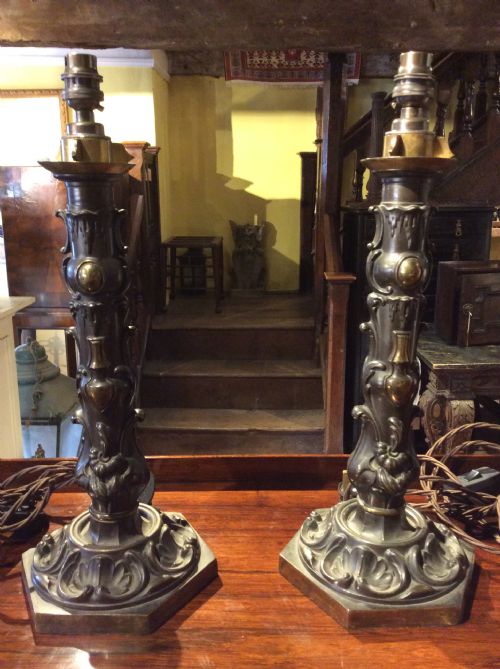
Construction relies heavily on cast brass combined with structural materials such as marble, mahogany, ebonised wood, and ceramic components. Metalworking techniques visible across the selection include fine casting and repoussé decoration, which impart texture and relief onto the metallic surfaces.
Makers integrated heavy bases to support elevated forms, pairing polished stone tops or turned timber columns with structural brass mounts. Wiring and electrical conversion also appear on pieces originally designed for oil, bridging period utility with modern function.
Listings feature periods spanning the Victorian era, Edwardian period, and the 1930s, utilising brass, marble, mahogany, and ceramic.
What varies in quality
Quality reveals itself in the weight and definition of the cast brass elements, where sharper relief and heavier gauge metal distinguish finer examples. The integration of secondary materials, such as polished marble tops or finely turned ebonised wood, indicates the tier of the piece.
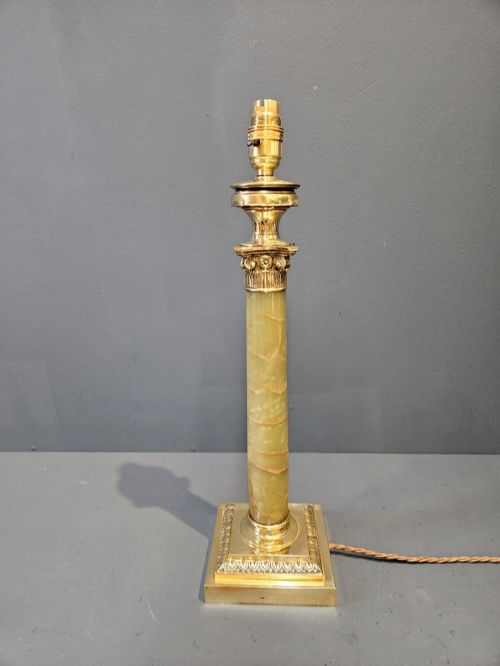
Proportion and stability drive distinction across the range, particularly in taller forms where heavy bases prevent tipping. The crispness of classical detailing, such as corinthian capitals or column fluting, separates standard production from superior craftsmanship.
The Brass Column Accent Table Glossary
- Repoussé
- Metalworking technique where a design is hammered into relief from the reverse side. This method creates textured surface decoration on brass bodies.
- Corinthian column
- Classical architectural order featuring an ornate capital decorated with acanthus leaves. It forms the primary decorative vocabulary for column table lamps.
- Etagere
- A set of open shelves for displaying small objects or plants. These tiered structures often incorporate brass frames and wooden or marble tiers.
- Gothic Revival
- Nineteenth-century stylistic movement drawing inspiration from medieval architecture. Pieces in this style feature pointed arches and heavy cast detailing.
- Occasional table
- A small, movable side table designed for specific, intermittent use within a room. They appear in formats paired with plant stands and lamp tables.
Brass Column Accent Table: Frequently Asked Questions
How do I date a brass column table?
Dating relies on observing the stylistic markers, manufacturing techniques, and materials associated with specific decades such as the Victorian or Edwardian eras.
Examining the fixings, casting quality, and wiring adaptations provides further physical evidence of a piece's age and history.
Are these tables sturdy enough for daily use?
Most pieces are built with heavy cast brass bases and solid timber or marble components designed to support everyday objects securely.
Taller plant stands and column lamps utilise weighted bases to maintain balance on various floor surfaces.
Can converted oil lamps be used safely?
Many period lighting pieces have been transitioned from oil to electricity to accommodate modern domestic requirements.
Buyers should inspect the internal wiring and consult a qualified electrician to ensure contemporary safety standards are met.
What maintenance do brass and marble require?
Brass surfaces benefit from gentle dusting and occasional cleaning appropriate for unlacquered or patinated metal finishes.
Marble tops require protection from acidic spills and moisture to preserve the polished surface over time.