



Brass Coat Hangers
Brass coat hangers bring sturdy metal utility and period character to an entryway, combining heavy cast mounts with warm timber backboards.
Brass Coat Hangers
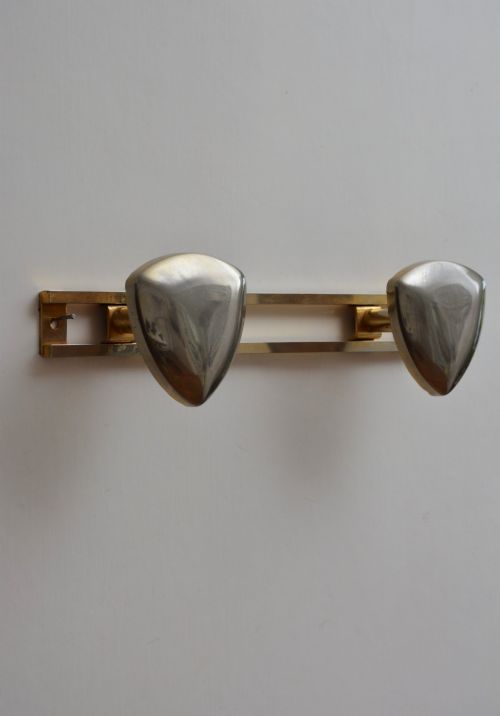
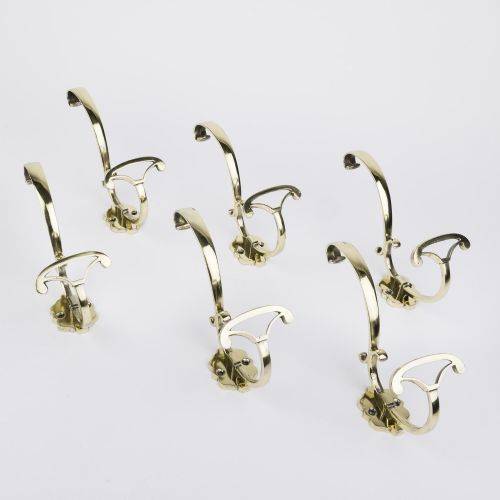
When searching for brass coat hangers, a buyer is looking at wall-mounted racks, stands, and individual hooks designed to hold outerwear in hallways and cloakrooms. The pieces appearing here span from the Victorian era through the Art Deco period, taking forms such as single hooks, multi-hook wall racks, and substantial coat stands.
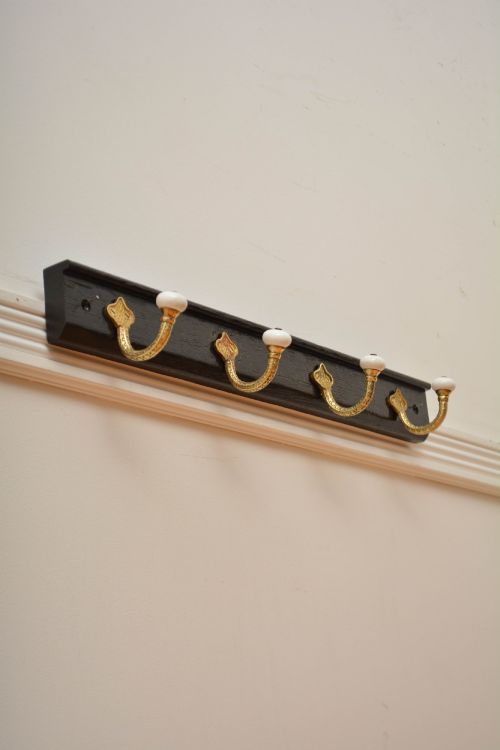
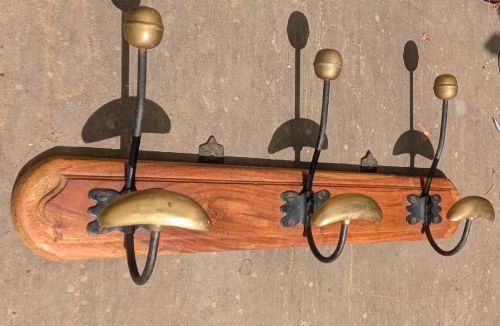
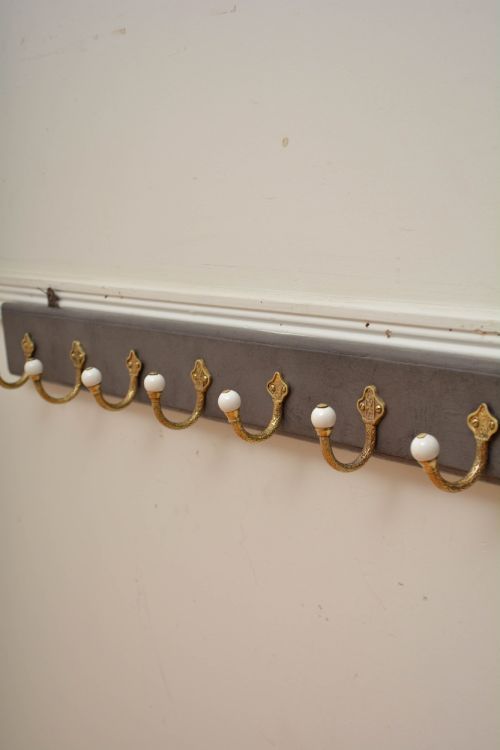
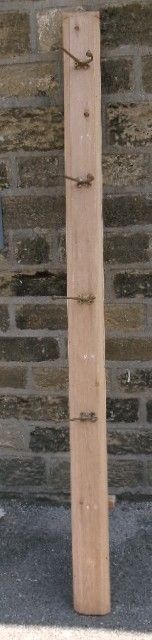
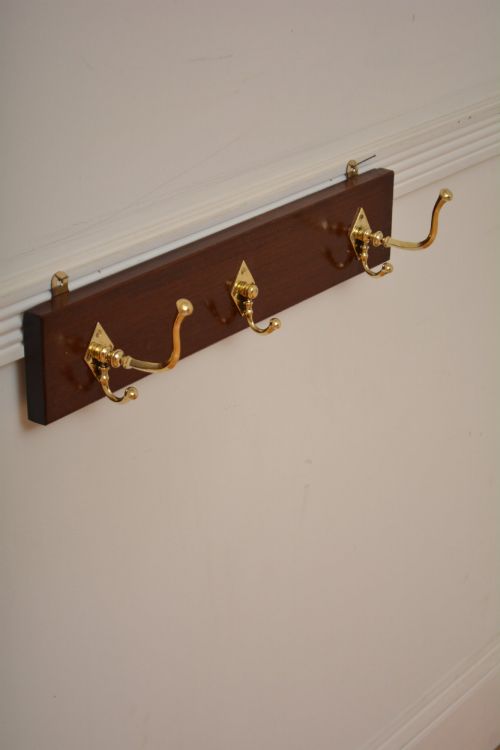
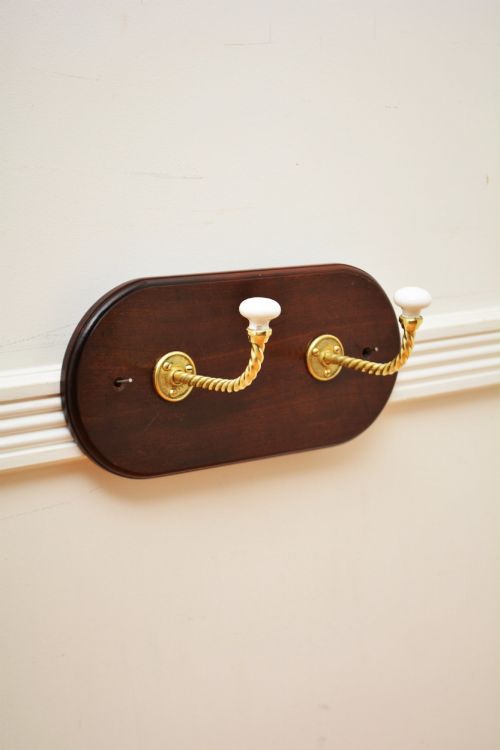
The most common versions met on this page are wall-mounted coat racks featuring multiple cast brass hooks fixed to wooden backboards. These backboards frequently appear in oak, mahogany, ebonised oak, and pine, often incorporating ceramic, porcelain, or glass elements alongside the metal work.
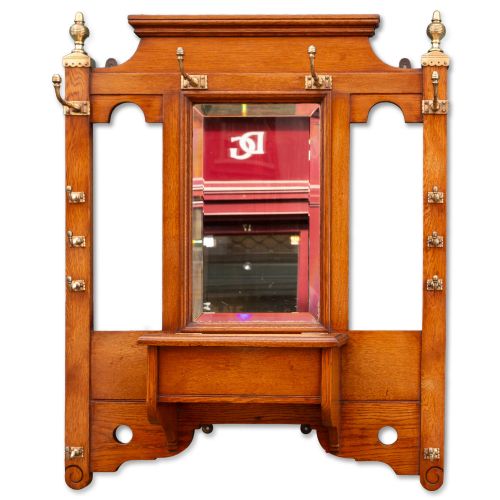
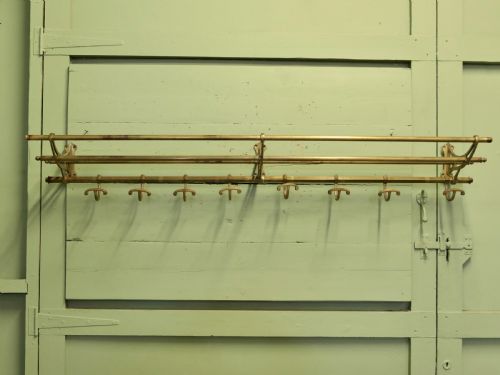
Origins vary between British pieces and continental examples, particularly French bistro, country, and chateau styles. Buyers also encounter larger items such as mirrored portmanteaus and French hat and coat racks designed for grander entrance halls.
What varies in quality
The distinction between standard utility items and finer examples rests on the weight and casting quality of the brass work. Heavier, deeply chased mounting plates and robustly cast hooks indicate superior craftsmanship compared to simpler, pressed metal alternatives.
The choice and condition of the timber backboard also set pieces apart, with richly figured mahogany and golden oak offering a more refined appearance than utilitarian pine. Original matching sets of hooks and integrated ceramic or porcelain knobs elevate the overall integrity of the piece.
Several pieces feature ceramic and porcelain knobs designed to prevent heavy coats from stretching or tearing over the hook.
The Brass Coat Hangers Glossary
- Backboard
- The wooden plank or panel to which individual coat hooks are attached. It provides structural support for wall mounting and protects the wall surface.
- Chased brass
- Metal that has been worked by hand from the front to sink the design and create raised decorative patterns. This technique adds texture and visual depth to the mounting plates.
- Ebonised oak
- Timber that has been treated to achieve a dense, black finish resembling ebony. This treatment was popular in Victorian and Aesthetic Movement interiors.
- Portmanteau
- A large hallway piece combining a mirror, coat hooks, umbrella stands, and sometimes a seat. These grand items served as complete entrance hall furnishings.
- Aesthetic Movement
- A late nineteenth-century design style that emphasised visual beauty over narrative subject matter. Pieces from this movement often feature refined brasswork and dark woods.
Brass Coat Hangers: Frequently Asked Questions
How do I mount a wooden coat rack?
Wall-mounted racks generally require secure fixings into wall studs or appropriate masonry plugs to support the weight of heavy winter garments. The mounting holes provided in the wooden backboard dictate the spacing for installation.
Ensuring the rack is fixed level prevents strain on the brass hooks and guarantees that hanging coats distribute weight evenly across the entire backboard.
Are these hooks strong enough for heavy coats?
Period brass and bronze hooks possess considerable structural strength, particularly cast examples designed for heavy garments and hats. Victorian and Edwardian hardware was built for daily domestic utility.
When mounted securely to a solid wood backboard, these hooks easily hold multiple winter coats without bending or pulling away from the wall.
How do I clean antique brass hooks?
Cleaning antique brass depends on the desired level of brightness, as many collectors prefer to retain the aged patina accumulated over decades. Gentle dusting with a dry cloth is usually sufficient for regular maintenance.
If polishing is necessary, use a mild brass cleaner applied carefully to avoid staining the surrounding wooden backboard or ceramic components.
How do I date a brass coat rack?
Dating relies on stylistic clues, such as the geometric lines of Art Deco pieces or the ornamented casting of Victorian and Aesthetic Movement hardware. The choice of timber, such as ebonised oak or figured mahogany, also points to specific historical periods.
Additionally, the manufacturing technique of the screws, fixings, and metal casting provides reliable evidence of whether a piece originates from the nineteenth or early twentieth century.