

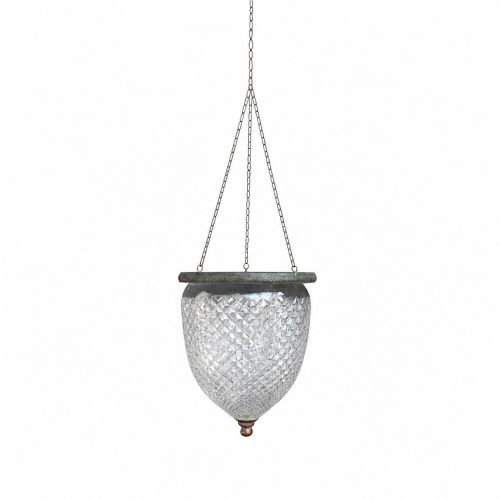
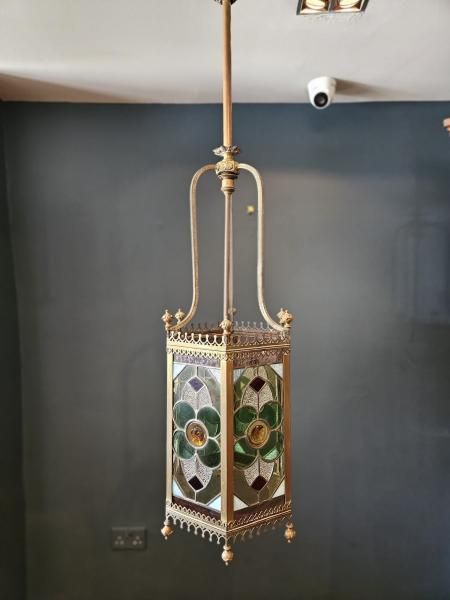
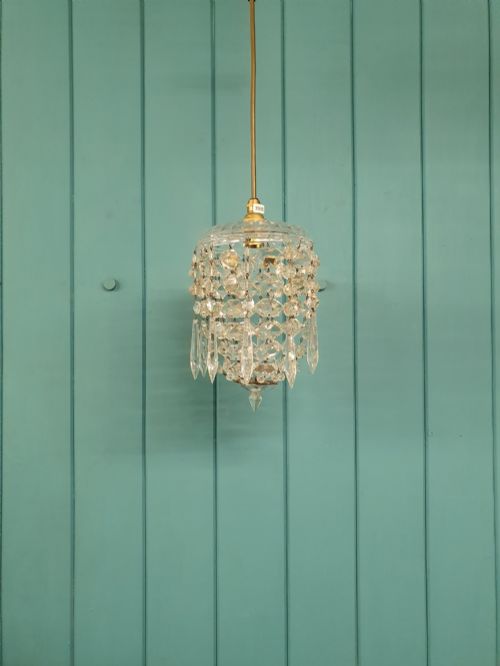
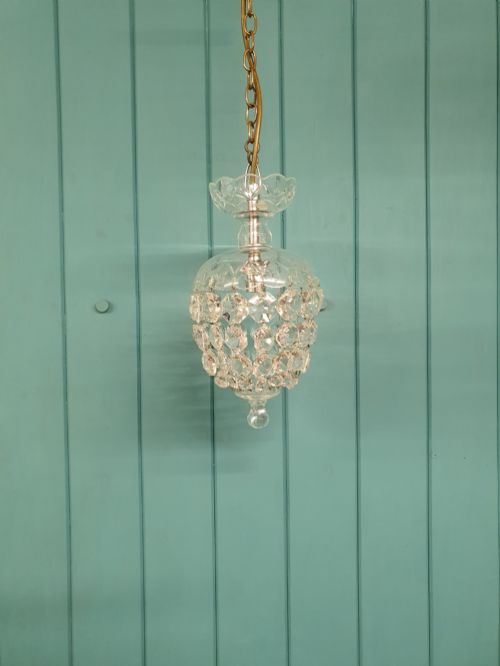
Brass Chandelier Glass Shades
Brass chandelier glass shades bring warmth to a room through heavy metalwork and textured glass.
Brass Chandelier Glass Shades
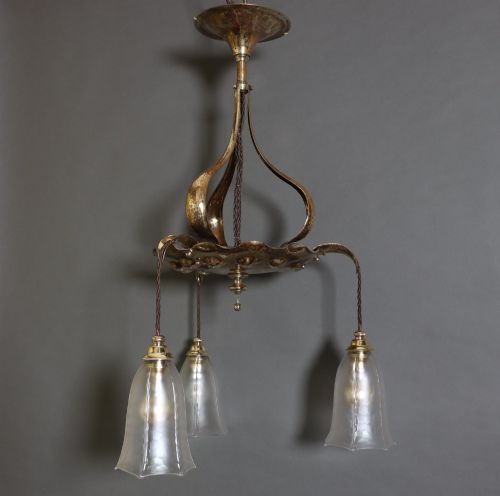
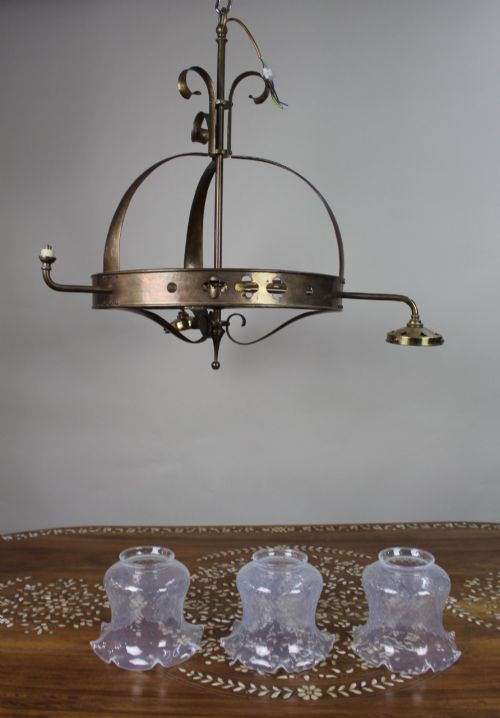
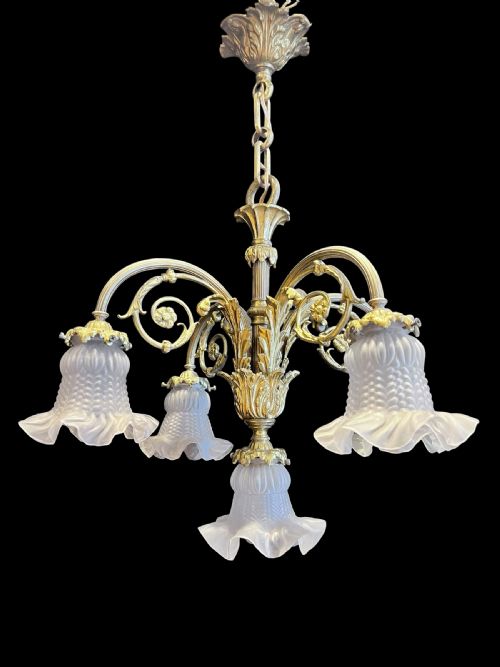
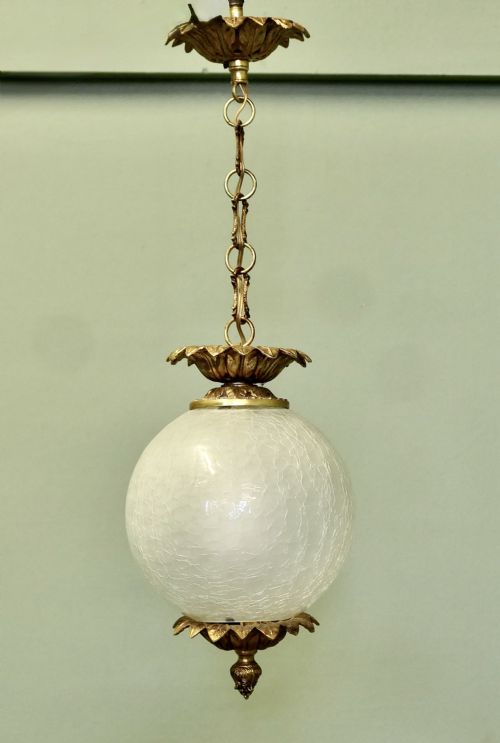
Brass chandelier glass shades combine sturdy metal frames with translucent or patterned glass elements designed to suspend from ceilings. These fixtures range from compact single-light pendants to multi-armed chandeliers spanning several tiers.
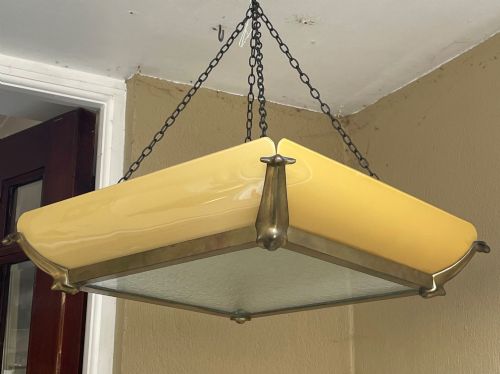
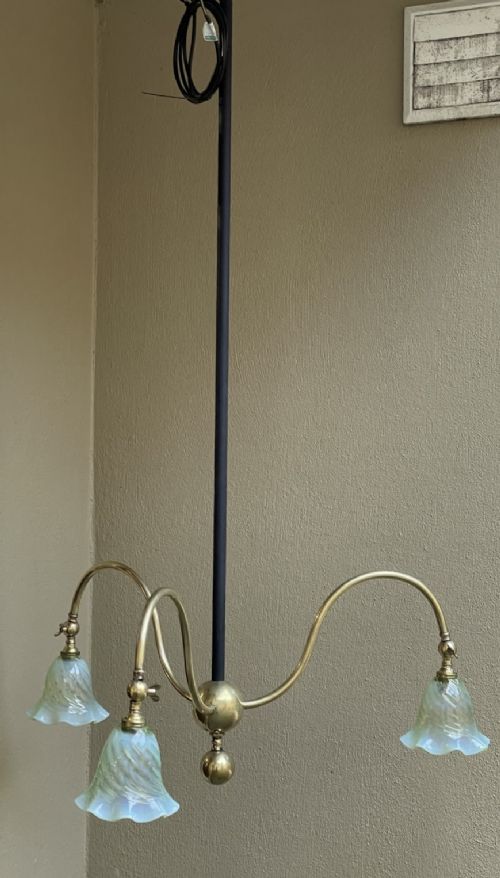
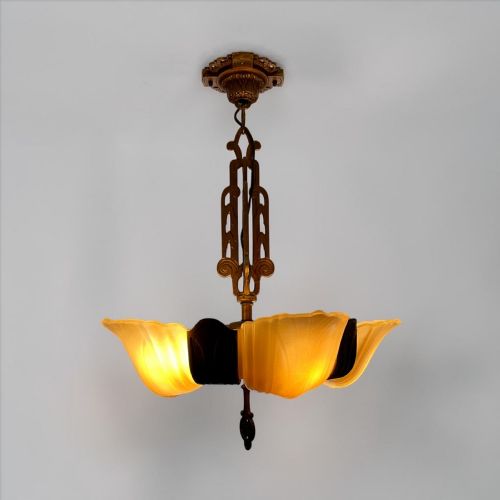
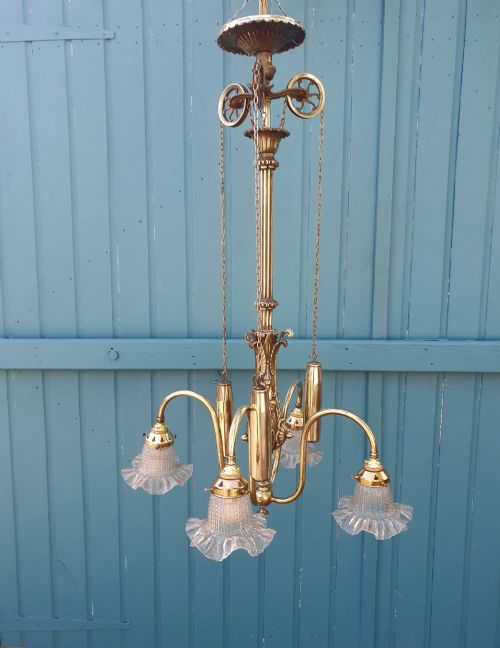
Edwardian and Art Deco examples dominate the selection, alongside Victorian and nineteenth-century pieces. Common forms include dome tops, rise and fall mechanisms, globes, and multi-branch ceiling lights.
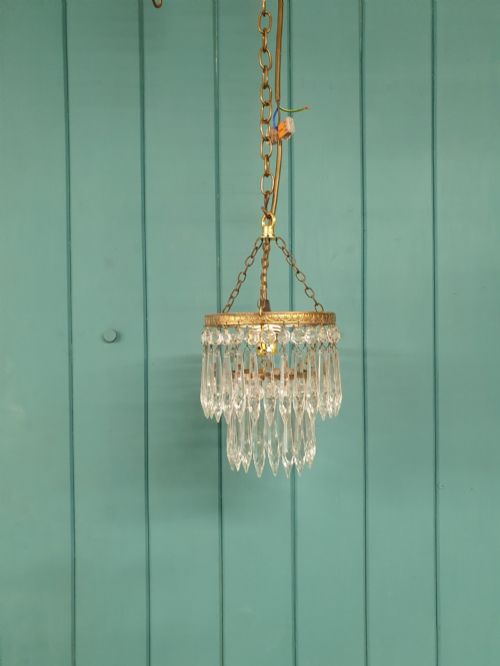
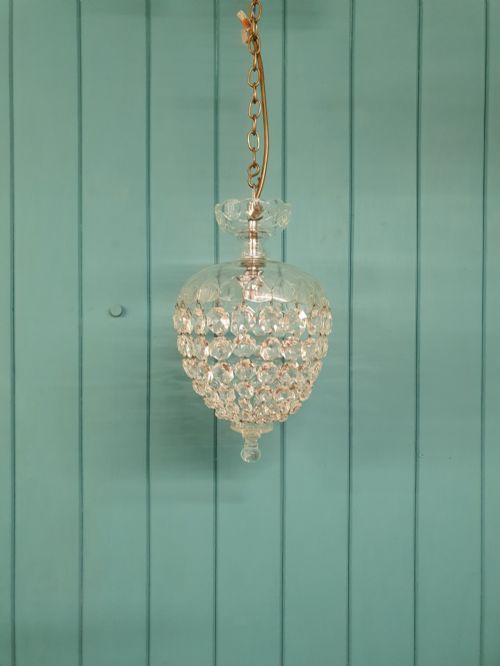
Origins stretch across English, French, and North African workshops, incorporating styles from Gothic Revival to Arts and Crafts. Buyers encounter everything from delicate crystal drops to robust moulded glass bowls.
Materials and construction
Frames rely on cast, spun, or gilt brass and bronze, providing structural rigidity and warm metallic tones. Metal arms often secure shades using screws, galleries, or heavy chains.
Glass components take numerous forms, including cut crystal, frosted finishes, opalescent hues, and pink crimped or vaseline glass. Techniques involve mould-blowing, leaded construction, and precise glass-cutting to refract light effectively.
Manchester City Town Hall contributed an Arts and Crafts three-light ceiling fixture to the history of these listings.
Judging quality
Quality rests in the weight of the brass casting and the clarity of the glass. Finer pieces demonstrate crisp detail in leaf designs, cherub arms, or metalwork finials without soft edges.
The sophistication of the glasswork distinguishes standard production from superior examples. Hand-cut crystal prisms, complex slip shades, and original matched glass shades indicate higher craftsmanship.
The Brass Chandelier Glass Shades Glossary
- Plafonnier
- A ceiling light fixture that sits relatively flat against the ceiling or hangs closely on a short drop. This form often utilises a moulded glass bowl to diffuse light.
- Rise and fall
- A mechanical pulley system allowing the height of the chandelier to be adjusted up or down. Counterweights concealed within the mechanism maintain the desired suspension level.
- Slip shade
- A moulded piece of glass that fits directly into a metal frame or basket rather than hanging by a fitter neck. These shades are frequently found in Art Deco lighting designs.
- Vaseline glass
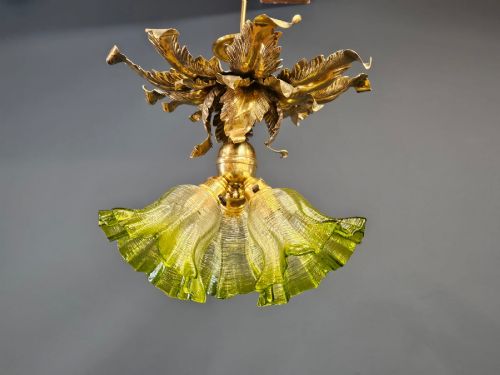
- Glass containing uranium dioxide, which produces a characteristic yellow-green colour and glows under ultraviolet light. This material appears in nineteenth-century and early twentieth-century lighting.
- Tent and waterfall
- A chandelier style featuring strings of crystal beads draped in a triangular tent shape above a lower cascade of crystals. This configuration maximises light refraction across multiple tiers.
Brass Chandelier Glass Shades: Frequently Asked Questions
How do I clean brass chandelier glass shades?
Remove delicate glass shades from the brass frame before washing them in warm soapy water to prevent accidental breakage. Wipe the brass components gently with a dry or slightly damp cloth, avoiding harsh chemical polishes that strip patination.
Ensure all parts dry completely before reassembling and rehanging the fixture. Regular dusting keeps both the metal and glass surfaces clear without requiring invasive cleaning.
Can these antique chandeliers be rewired for modern ceilings?
Most vintage and antique light fittings accept modern electrical wiring safely when handled by a qualified professional. Rewiring allows older fixtures to meet current electrical standards while retaining their original brass and glass components.
Consult an electrician to check internal channels and socket fittings during installation. Proper wiring ensures safe operation in domestic spaces today.
How do I identify an Edwardian brass chandelier?
Edwardian fixtures often display lighter brass work compared to heavy Victorian designs, sometimes incorporating rise and fall mechanisms or simpler floral motifs. Styles from this era frequently pair polished brass with cut glass or delicate crystal spikes.
Look for proportion and construction details typical of the early twentieth century. Comparing known period catalogues helps confirm the date of manufacture.
What is the difference between a pendant light and a chandelier?
Pendant lights typically suspend from a single cord, chain, or rod and feature one main shade or globe. Chandeliers incorporate multiple arms or branching tiers designed to hold several light sources simultaneously.
Both types utilise brass frames and glass shades, but chandeliers generally suit larger rooms or high ceilings due to their broader spread.