




Brass Chamberstick Candle Holder
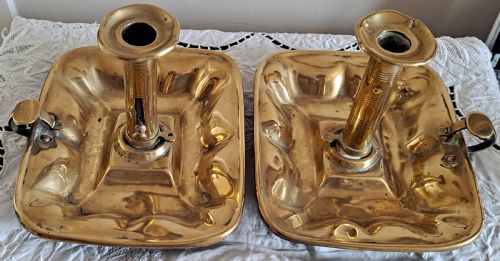
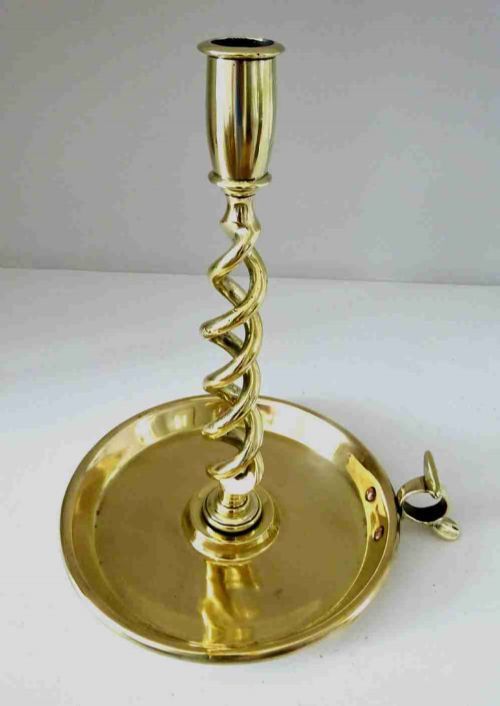
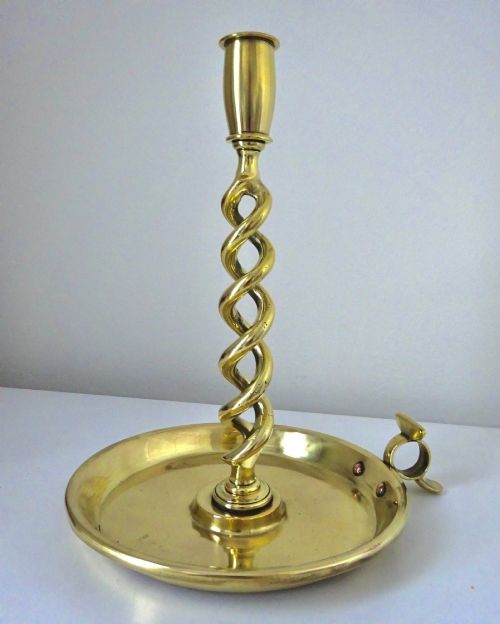
A brass chamberstick candle holder is a portable light source with a fitted tray, combining utility and period design for bedside or desk use.
Brass Chamberstick Candle Holder
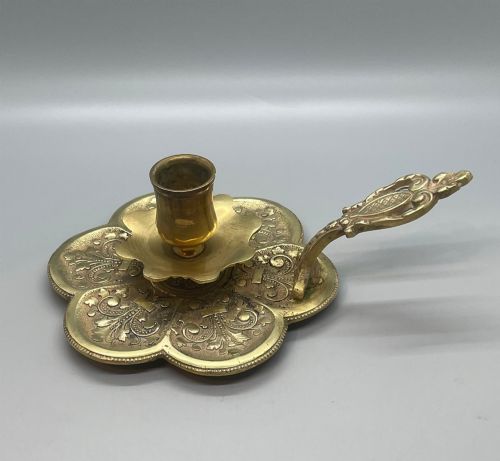
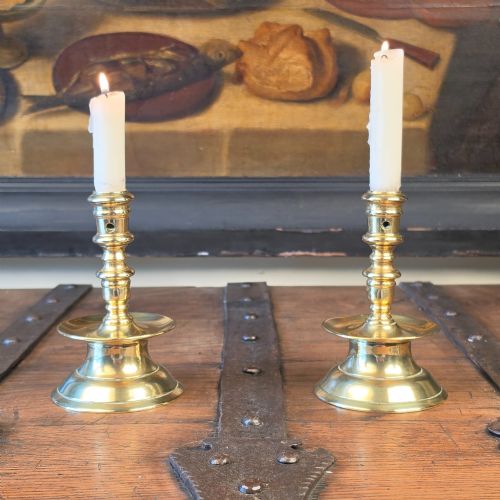
A brass chamberstick candle holder serves to carry a flame safely from room to room, featuring a shallow drip tray and a loop handle for the hand. The pieces available span several eras, running from the 17th century through the Victorian period, Edwardian years, and into the early 20th century.
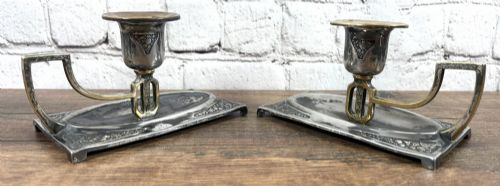
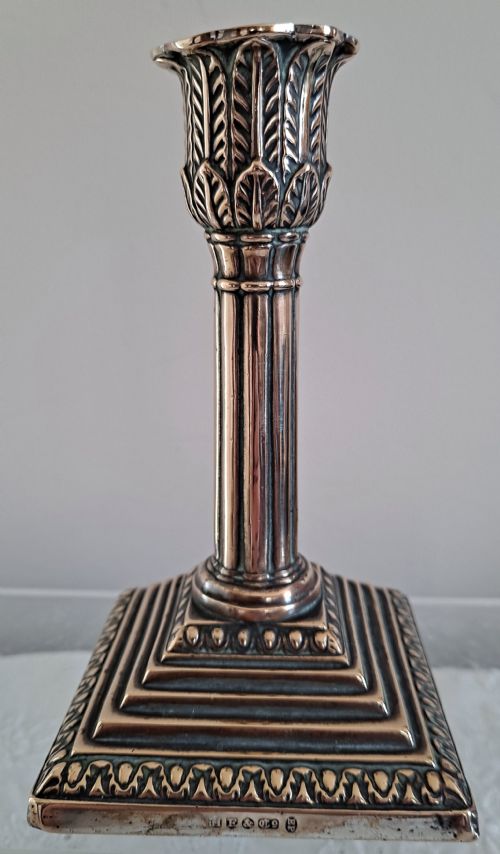
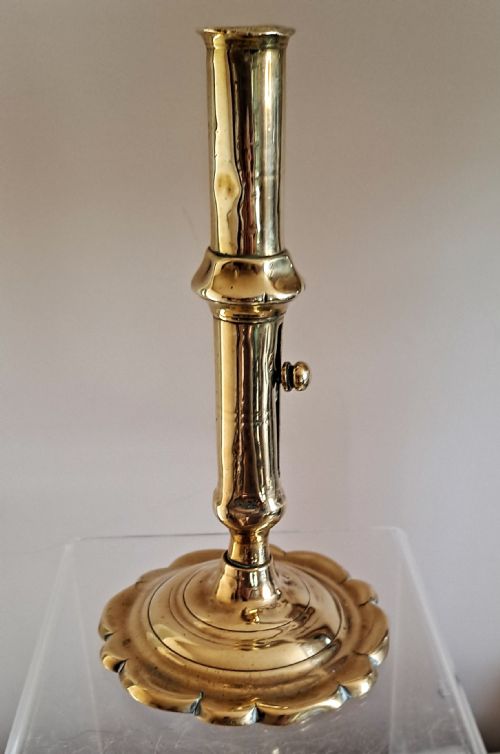
The most common examples on this page are Victorian English brass pieces, alongside Arts and Crafts designs and Georgian petal-based models. Collectors encounter varied configurations, including travel versions known as Brighton buns, pieces with adjustable shades, and items paired with glass chimneys or enamel accents.
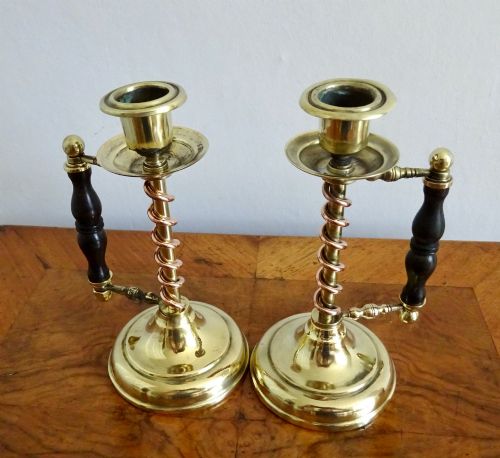
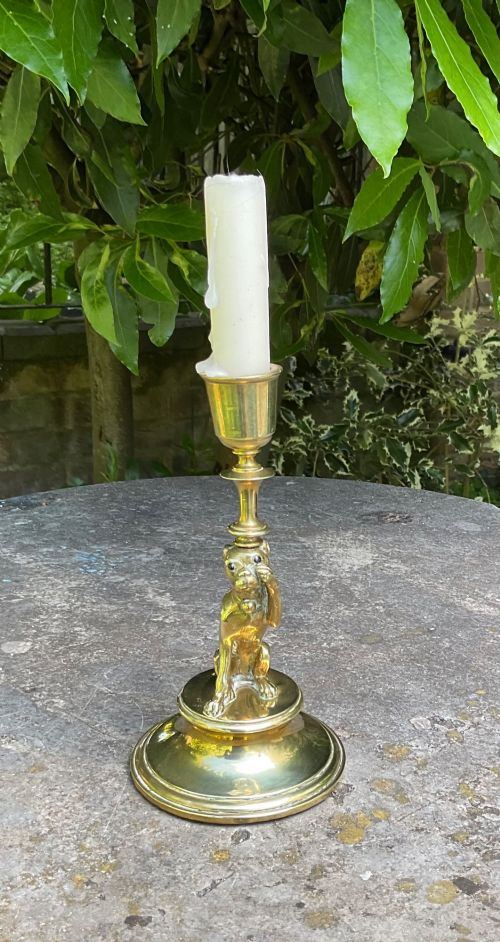
Beyond standard brass, the selections include mixed materials like copper, treen walnut, silver plate, bronze, and paktong. Forms range from simple twisted stems on fitted trays to unusual figural designs like a pug dog or French Rococo revival pieces.
How they were made
Makers utilised casting and sheet-metal techniques to form the trays, sockets, and handles of these pieces. Cast brass provided weight and durability for items like travelling chambersticks and petal bases, while spun or beaten brass appeared in later Arts and Crafts interpretations.
Craftsmen incorporated secondary materials to enhance function and decoration, combining brass with copper, silver plate, wood, glass chimneys, and porcelain enamel. Surface treatments such as cloisonné and micro mosaic also surface on Grand Tour examples.
Materials range widely from standard cast brass and copper to treen walnut, porcelain enamel, and paktong.
What varies in quality
The distinction between standard production and finer examples rests on the crispness of the casting and the integrity of the fitted components. Heavier cast brass and well-integrated drip trays demonstrate superior original manufacture compared to lighter, purely decorative pieces.
Proportion and decorative detail dictate the standing of a piece within its period. Items retaining original matched components, such as shades, snuffers, or glass chimneys, show a higher degree of completeness.
WMF·AFC·Benhan and Froud
The Brass Chamberstick Candle Holder Glossary
- Chamberstick
- A portable candlestick featuring a shallow drip tray and a handle, designed for carrying around a house at night. These items sat on bedside tables for lighting the way to bed.
- Brighton bun
- A compact, portable travelling chamber candlestick that unscrews or folds into a bun shape. This form protected luggage from wax residue during travel.
- Heemskerk
- An early style of brass candlestick characterised by a central drip pan and a bell-shaped base, originating in the 17th century. These pieces represent some of the earliest brass forms found in collections.
- Paktong
- A copper-nickel-zinc alloy resembling silver, used for high-status metalware in the 18th century. Items made from this material display a distinct silvery-grey tone.
- Treen
- Small handmade wooden objects and household utensils fashioned by turning or carving. Walnut treen appears combined with brass in mid-19th century pieces.
Brass Chamberstick Candle Holder: Frequently Asked Questions
What is a chamberstick used for?
A chamberstick provided portable illumination in homes before electric lighting, allowing people to carry a flame safely down dark corridors.
The wide tray caught melting wax, protecting floors and furniture while the loop handle kept fingers away from the heat.
How do I date an antique brass chamberstick?
Dating relies on stylistic clues, manufacturing marks, and construction methods such as cast versus spun brass. Georgian examples often feature petal bases, while Victorian and Arts and Crafts pieces show different decorative motifs.
Comparing the weight, assembly marks, and overall form helps place a piece within its specific century.
What are Brighton bun chambersticks?
Brighton buns are portable, screw-together travelling chambersticks designed for packing safely in luggage. Their compact, rounded form kept wax contained during journeys.
Victorian travellers used these pieces to ensure dependable lighting in hotels and guest rooms.
How should I clean antique brass?
Antique brass generally retains character through its natural ageing and untouched surface patina. Heavy polishing removes historical wear and diminishes the visual depth gathered over centuries.
Gentle dusting with a soft cloth preserves the original finish without harming the metal.