

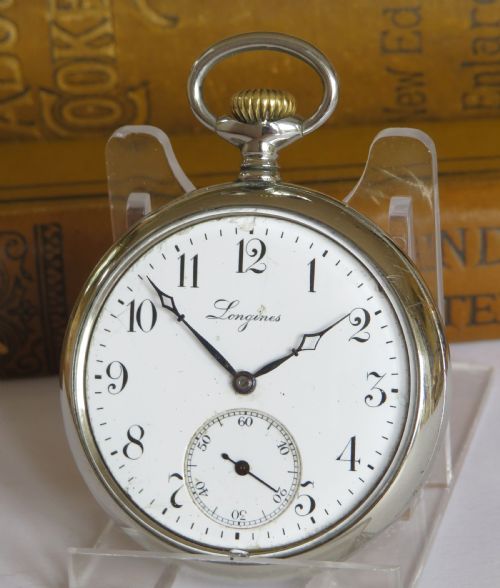
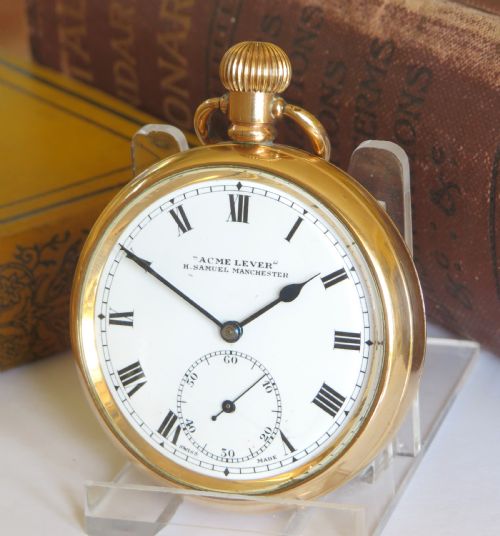
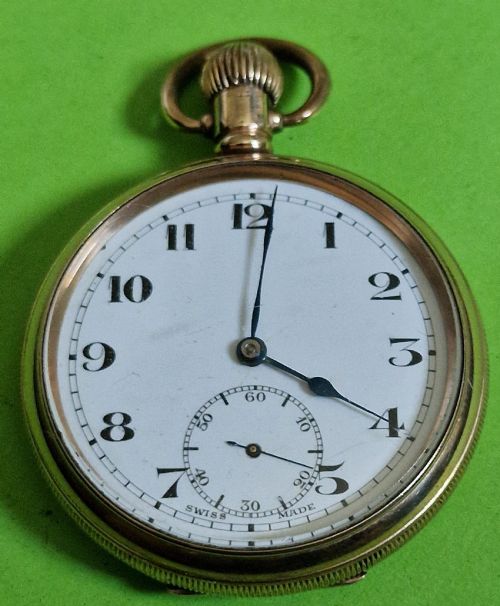


Brass Casing Pocket Watch
A brass casing pocket watch brings tactile mechanics and period character to the pocket, offering enduring everyday utility for the collector.
Brass Casing Pocket Watch
When you search for brass casing pocket watch, you are looking at portable timepieces and related instruments spanning the Georgian era through to the mid-twentieth century. The listings on this page encompass Victorian, Edwardian, and Art Deco designs alongside earlier eighteenth-century examples.
The form includes standard pocket watches, button-wind full hunter pieces, and specialised items such as railway-issued watches, pocket barometers, and miniature grandfather clock formats. Materials range from solid brass and gilt to gold plate, glass, enamel, and even horn back painted cases.
Materials and construction
These pieces utilise brass casings often paired with glass crystals and enamel dials to protect the delicate internal movements. Metalwork techniques incorporate gold plating and gilt finishes over the base metal.
Outer protection extends to leather and velvet linings within fitted or specialised holders, whilst eighteenth-century pieces employ horn for back painted outer cases.
Brass Casing Pocket Watch Retail Price Guide 2026
Typical asking prices for brass casing pocket watch among the pieces listed under this phrase on Sellingantiques today, from the lower quarter to the upper quarter. They describe what is for sale here now, not the wider market.
Some watches recorded railway time for engine drivers rushing across Victorian Britain.
Assessing craftsmanship
Quality separates through the precision of the movement and the integrity of the casing materials, moving from standard commercial output to specialist maker production. The refinement of the enamel dial and the preservation of original gilt or gold plate define the upper tier.
Maker association, such as named firms like Stauffer IWC, Helvetia, or John Walker, distinguishes ordinary timepieces from historically documented railway or retail issues.
John Walker·Stauffer IWC·Helvetia·H Samuel·Primavesi
The Brass Casing Pocket Watch Glossary
- Full hunter
- A pocket watch featuring a spring-loaded metal cover that protects the glass dial. This style requires pressing a button on the crown to open the case.
- Button wind
- A mechanism allowing the watch to be wound via the crown rather than a separate key. This became standard in later Victorian and twentieth-century production.
- Enamel dial
- A fused glass powder surface fired onto metal to create crisp numerals and markings. These dials offer longevity but can develop hairline cracks under impact.
- Pair cased
- An older watch design utilising two separate cases, where an inner watch fits snugly inside an outer protective shell. The outer case often featured horn or leather covering.
Brass Casing Pocket Watch: Frequently Asked Questions
How do I wind a vintage pocket watch?
Button-wind models utilise the top crown to tension the mainspring by rotating it gently between your thumb and forefinger. Avoid over-winding to protect the internal mechanism from undue tension.
Key-wound pieces from earlier centuries require a matching small key applied to a square arbor on the movement plate or dial.
Can I carry a pocket watch daily?
Many people wear these timepieces in a waistcoat pocket or secure them with a chain to a belt loop. Regular use is entirely feasible provided the movement is handled with care and kept away from moisture.
Consider storing the watch in a lined pocket or pouch to prevent surface scuffs on the brass casing.
What does full hunter mean?
A full hunter designates a watch with a protective metal lid hinged over the glass face. This cover shields the dial from scratches during transit.
Open face pieces, by contrast, leave the crystal exposed for immediate reading without opening a case.
How do I date a brass pocket watch?
Dating relies on stylistic clues, dial typography, hallmarks inside the case, and recorded maker periods. Railway issues often carry specific issue numbers and provenance that help pinpoint the decade of manufacture.
Comparing the escapement type and movement architecture against known production eras provides further chronological guidance.