

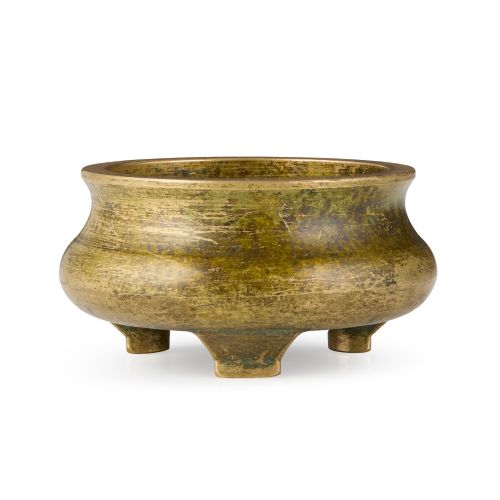
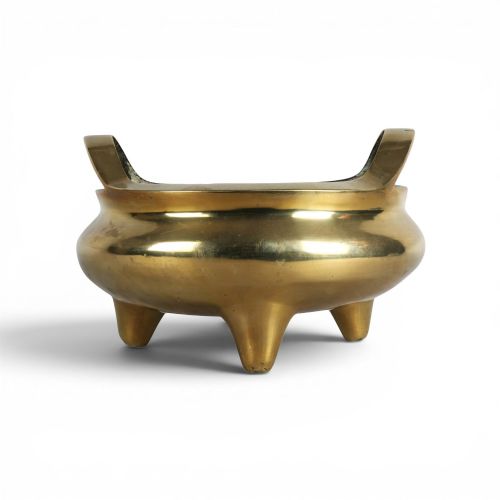
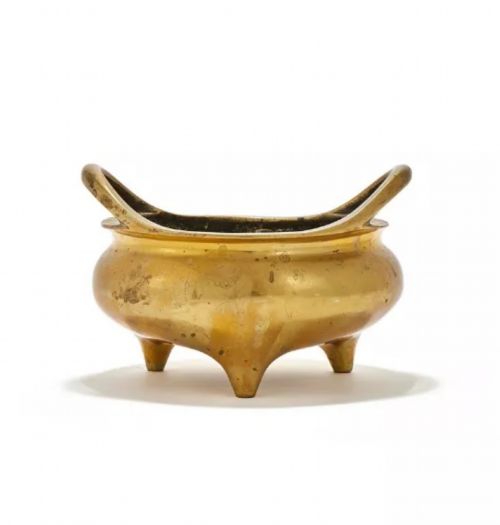


Brass Bronze Censer
These brass bronze censer pieces are ritual and decorative vessels used for burning incense, prized for their metalwork and sculptural form.
Brass Bronze Censer
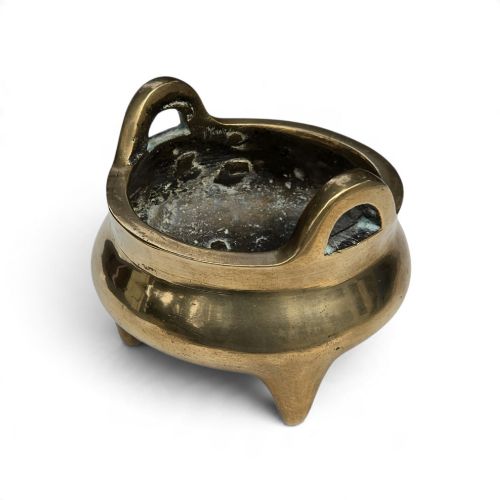
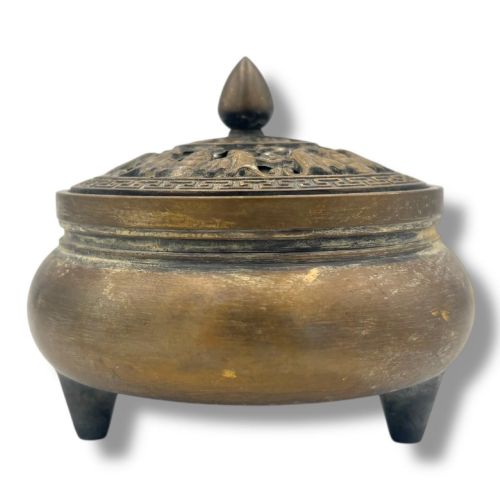
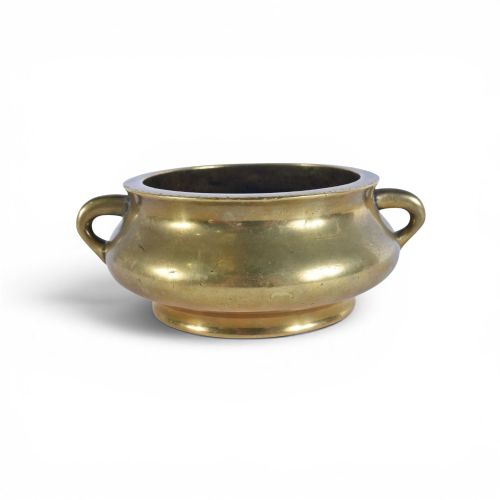
A brass bronze censer is a vessel designed to burn incense, appearing on this page primarily in forms such as tripod burners, bombes, planters, and ritual vessels. These items originate predominantly from Asian and Oriental traditions, particularly the Qing Dynasty, alongside Tibetan and Himalayan examples.
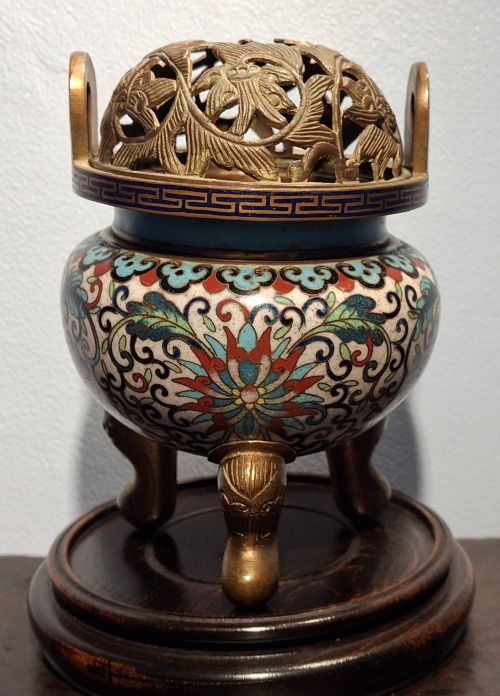
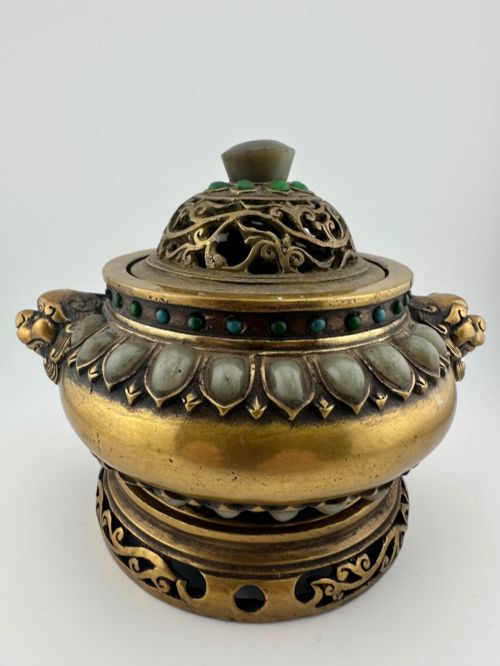
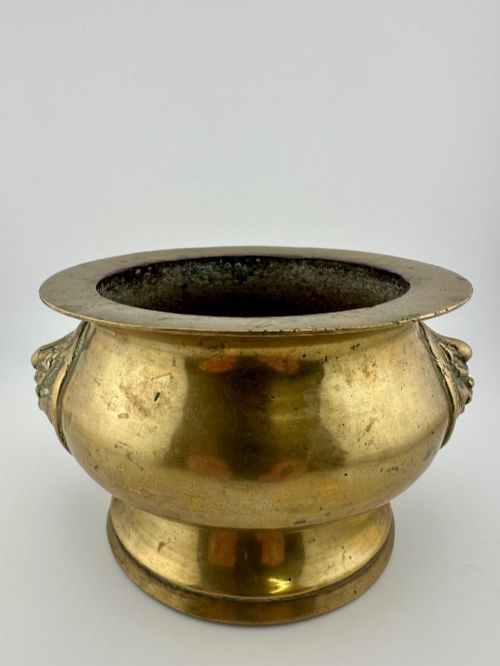
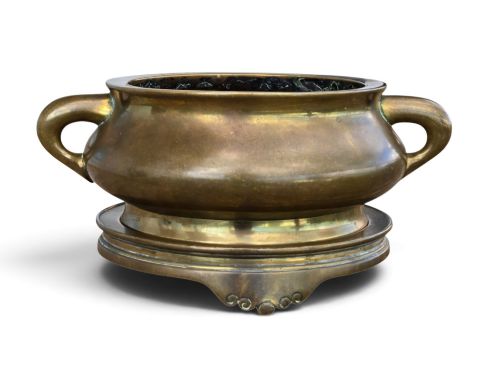
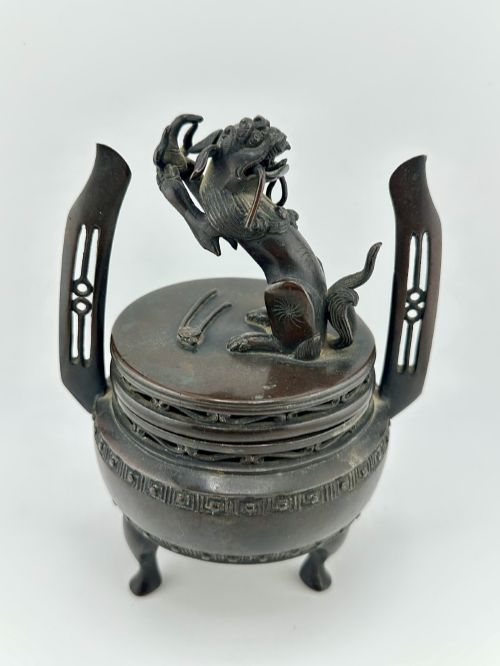
Buyers will encounter various configurations including pieces fitted with pierced lotus floral lids, qilin finials, lion mask handles, and matching stands. The selection spans centuries from the Georgian and Victorian eras through the eighteenth, nineteenth, and early twentieth centuries.
Distinctions in quality
Quality in a brass bronze censer is determined by the weight of the metal casting, the crispness of applied marks like the Xuande or Wu Bangzuo inscriptions, and the structural integrity of handles and stands. Finer examples display balanced proportions in forms such as the bombe or heavy tripod, alongside well-executed decorative elements like qilin finials.
The integration of supplementary materials such as hardstone or jade inlays and the complexity of pierced floral lids further separate standard utilitarian vessels from exceptional scholarly items.
Brass Bronze Censer Retail Price Guide 2026
Typical asking prices for brass bronze censer among the pieces listed under this phrase on Sellingantiques today, from the lower quarter to the upper quarter. They describe what is for sale here now, not the wider market.
Some heavy bronze bowls weigh over four kilograms, turning a simple desk accessory into a substantial workout.
The Brass Bronze Censer Glossary
- Censer
- A vessel specifically constructed for burning incense during ritual or domestic activities. These items often feature pierced covers to allow smoke to disperse.
- Bombé
- A rounded, swelling pot shape reminiscent of a bulging drum, frequently seen on eighteenth-century examples. This contour sits upon three distinct feet.
- Tripod
- A vessel supported by three legs, providing stability for heavy metal bowls used on scholar desks or altars. This formation is common among Qing Dynasty pieces.
- Jardiniere
- A large decorative bowl or planter used for holding plants rather than burning incense. These items share similar bronze and brass manufacturing methods with censers.
- Finial
- A small sculptural ornament attached to the top of a censer lid, often shaped as a mythical beast like a qilin. It serves as a handle for lifting the cover.
Brass Bronze Censer: Frequently Asked Questions
How do I date an old brass bronze censer?
Dating relies on stylistic markers, cast marks, and material composition seen in pieces from periods like the Qing Dynasty or the eighteenth and nineteenth centuries.
Examination of surface patination, reign marks such as Xuande, and manufacturer signatures like Wu Bangzuo help establish the production timeframe.
Were these vessels used for burning incense daily?
Many examples served utilitarian ritual purposes in temples and scholar studios for burning aromatic resins and woods.
Others functioned purely as decorative vessels or desk accessories, depending on their weight, size, and accompanying stands.
What is the difference between a censer and a planter?
Censers incorporate pierced lids designed to release incense smoke, whereas planters and jardiniere vessels remain open at the top to hold soil and plants.
Despite their different uses, both share identical bronze and brass casting techniques from the same historical periods.
What do lion mask handles indicate on these items?
Lion mask handles function as both structural grips and symbolic motifs derived from traditional Asian iconography, often cast directly into the metal body.
Their presence signifies higher decorative detail on nineteenth-century and Qing Dynasty vessels.