





Brass Bezel Frames
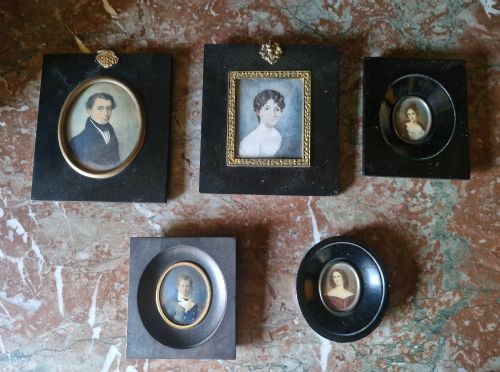
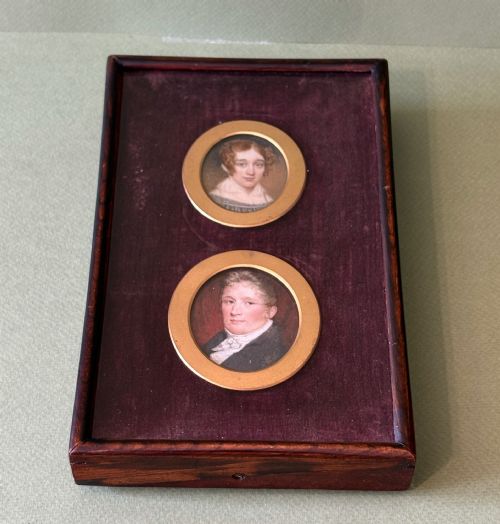
Brass bezel frames house miniature portraits, silhouettes and scientific instruments across the nineteenth century.
Brass Bezel Frames
Brass bezel frames enclose portrait miniatures, silhouettes, wall clocks and barometers dating from the Regency and Victorian eras. These metal rims securely hold glass over delicate paper, card or painted watercolours, protecting intimate artworks and precision dials from dust and damage.
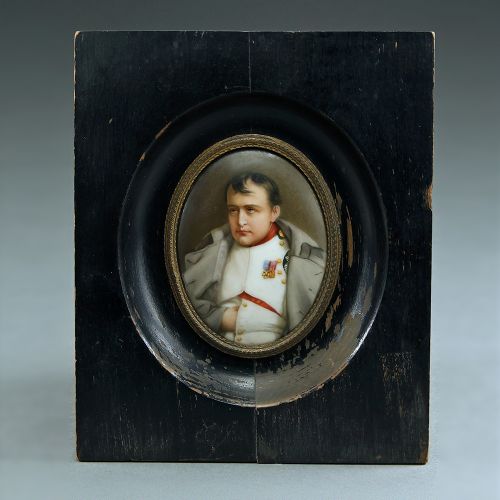
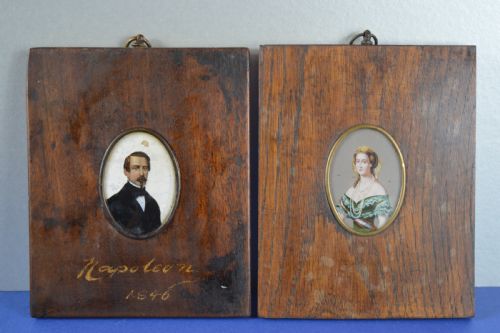
The pieces listed on this page focus heavily on nineteenth century portrait miniatures and timepieces. Buyers encounter French Empire, Napoleon III and English Regency variants alongside scientific instruments housed in oak or ebonised wood.
Makers and subjects range from anonymous painted studies to named silhouettes and works depicting historical figures such as Napoleon. These items span the period from 1800 through the 1880s, reflecting changing domestic tastes in framing and display.
How they were made
Metalworking techniques shape the defining surrounds of these objects, utilising cast or spun brass to form tight rims around glass panes. Workshops combined these metal bezels with wooden backings made from oak, rosewood and ebonised timber.
Artisans prepared portrait miniatures on paper, card and painted surfaces, sometimes incorporating inlaid mother-of-pearl and metal wire into surrounding wall clock cases. Barometer construction involved mounting glass dials and brass bezels directly into turned wooden housings.
Brass Bezel Frames Retail Price Guide 2026
Typical asking prices for brass bezel frames among the pieces listed under this phrase on Sellingantiques today, from the lower quarter to the upper quarter. They describe what is for sale here now, not the wider market.
Listings show brass bezel frames spanning the 19th Century, Regency, and Victorian periods, housing both portraits and scientific instruments.
What varies in quality
Quality rests in the crispness of the metal casting and the exact fit of the glass within the brass surround. Superior examples display clean joints and well-finished timber housings in oak or ebonised wood.
The artistic execution of the enclosed watercolour, silhouette or papercard portrait dictates the overall merit of the piece. Precision in clock and barometer dials also distinguishes standard domestic items from finer calibrated instruments.
The Brass Bezel Frames Glossary
- Bezel
- The metal rim that holds glass in place over a dial or miniature. It secures the delicate paper or painted surface beneath.
- Silhouette
- A portrait profile filled in with a solid dark colour, typically cut from paper or painted. These works frequently appear inside brass bezel frames.
- Aneroid barometer
- An instrument that measures atmospheric pressure without using liquid mercury. Victorian examples often feature brass bezels and ebonised wood cases.
- Portrait miniature
- A small, highly detailed painting executed on paper, card or ivory. They are routinely protected behind glass within metal frames.
Brass Bezel Frames: Frequently Asked Questions
What periods do these frames belong to?
The pieces span the nineteenth century, covering Regency and Victorian eras. Dates range from around 1800 through the 1880s.
Styles reflect French Empire, Napoleon III and English Regency designs. Materials include brass, glass, oak and ebonised wood.
How were these frames used originally?
They served to display portrait miniatures, silhouettes and domestic instruments like wall clocks and barometers. Homes used them for intimate family likenesses and scientific observation.
Portrait studies were hung on walls or placed on surfaces, while barometers provided practical weather readings in hallways and studies.
How should I care for a brass bezel frame?
Keep the objects away from direct sunlight and damp conditions to protect the internal paper, paint and wooden housings. Dust the brass bezels gently with a dry, soft cloth.
Avoid using liquid cleaners on the metal or glass to prevent moisture seeping behind the bezel into the miniature.
What objects come in these frames?
The listings show painted portrait miniatures, paper silhouettes, wall clocks and ships barometers. Subjects include historical figures and private sitters.
Casings include ebonised wood, rosewood and oak, often paired with inlaid mother-of-pearl or metal wire.