



Brass Bedroom Mirror
These brass bedroom mirror examples bring functional elegance to dressing spaces, combining polished metal frames with clear glass for daily grooming.
Brass Bedroom Mirror
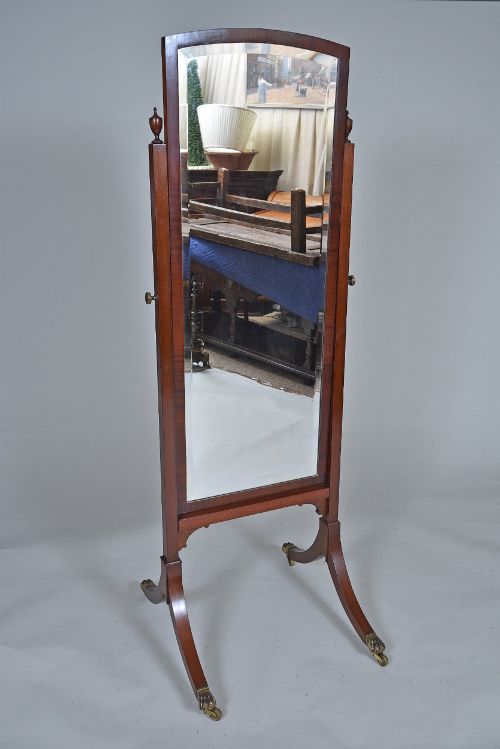
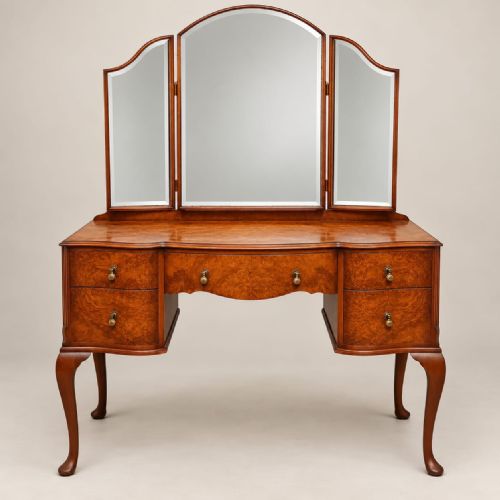
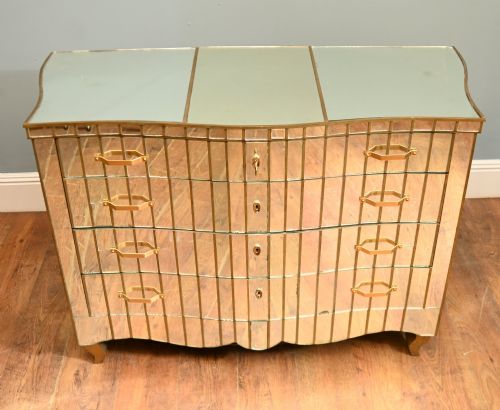
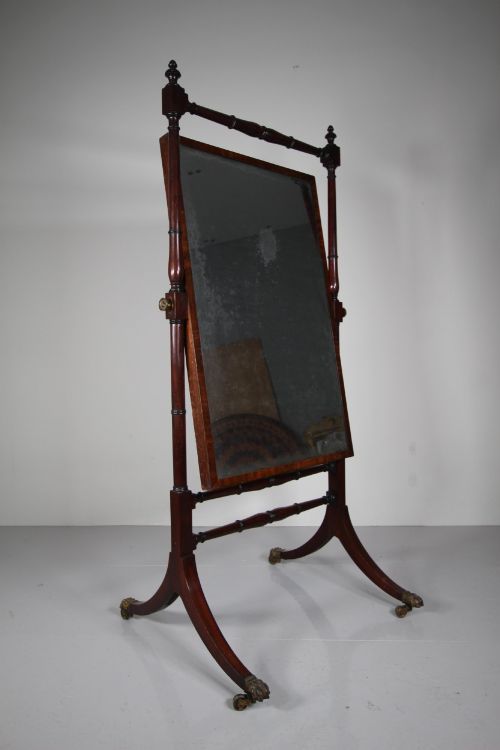
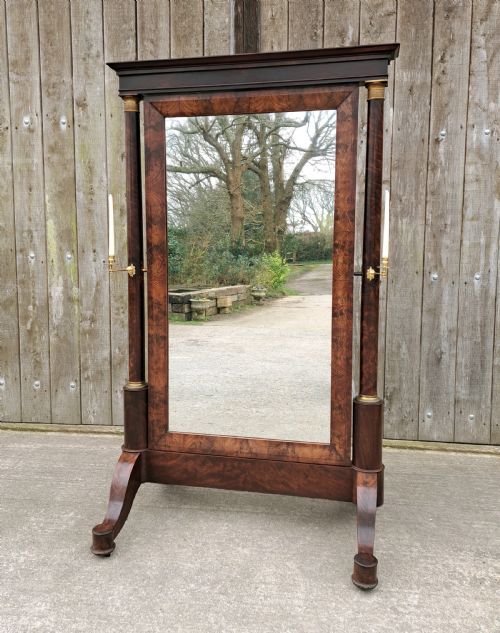
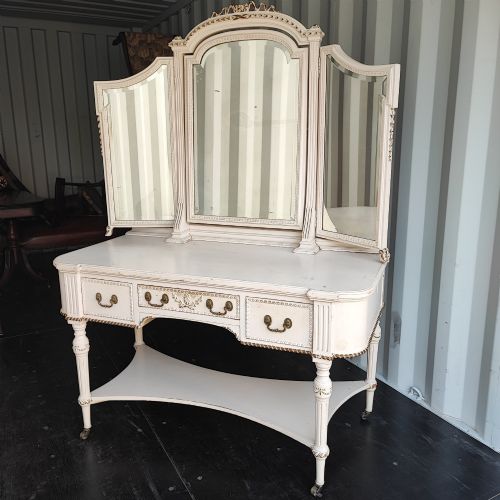
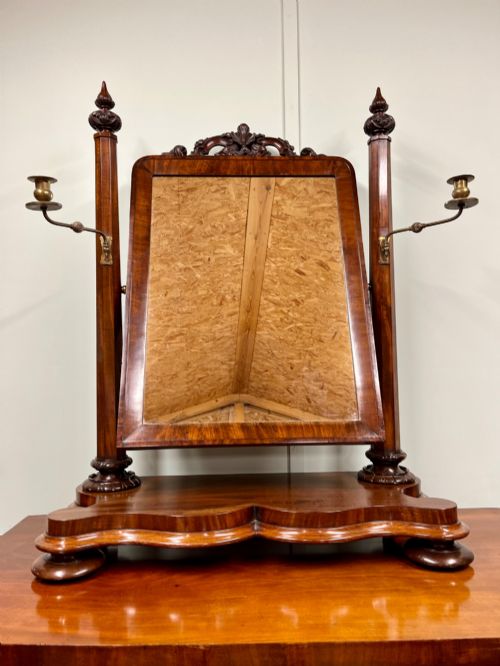
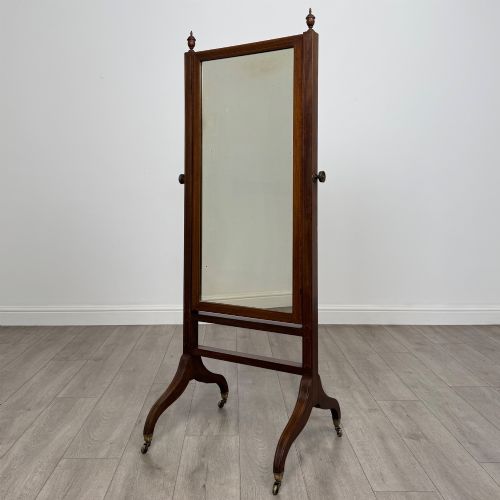
A brass bedroom mirror brings a reflective surface paired with metallic framing into domestic spaces, appearing primarily as toilet mirrors, cheval mirrors, and dressing table attachments. These pieces span the nineteenth century through the early twentieth century, incorporating periods like Regency, Edwardian, and Victorian designs alongside Revival styles.
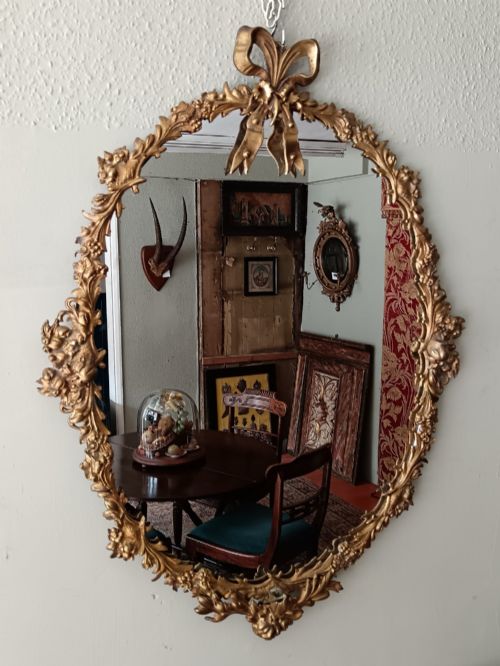
The objects take several distinct forms depending on where they sit in a room, from small mirrors mounted on dressing chests to large freestanding cheval mirrors designed for full-length viewing. Most examples on this page integrate brass with woods such as mahogany, rosewood, and satin walnut, or feature standalone gilt bronze frames.
How they were made
Makers constructed these mirrors using cast or sheet brass alongside dense cabinet timbers such as mahogany and rosewood. Metal elements were frequently polished, gilt, or chased to create decorative mounts and frames that secured the glass plates.
Joinery techniques relied on traditional cabinet-making methods to support the weight of the mirror glass and pivoting frames. Frames often combined brass embellishments with painted wood or natural wood veneers to achieve distinct regional and period styles.
Brass Bedroom Mirror Retail Price Guide 2026
Typical asking prices for brass bedroom mirror among the pieces listed under this phrase on Sellingantiques today, from the lower quarter to the upper quarter. They describe what is for sale here now, not the wider market.
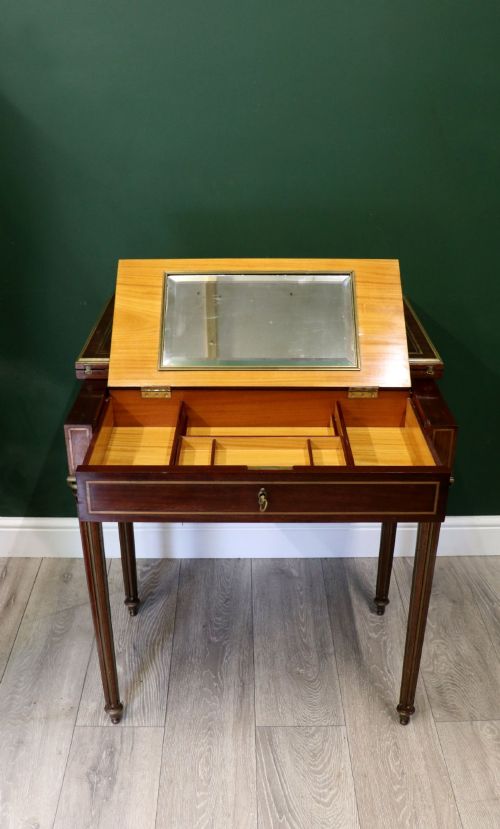
Some dressing mirrors hide secret drawers within their wooden bases, perfect for stashing midnight notes or lost collar studs.
What varies in quality
Quality rests in the weight and finish of the brass mounts, the clarity and depth of the mirror glass, and the integrity of the underlying timber frame. Superior examples display crisp chasing on metal components and robust pivoting mechanisms that hold the glass securely at any angle.
The refinement of the surrounding woodwork also distinguishes the range, with finely figured veneers and careful secondary wood choices marking out the more ambitious pieces. Simpler toilet mirrors utilise plain brass frames mounted on straightforward mahogany or walnut bases.
The Brass Bedroom Mirror Glossary
- Cheval mirror
- A freestanding full-length mirror suspended on a vertical frame with pivoting pivots. This allows the user to tilt the glass to various angles.
- Toilet mirror
- A smaller tabletop mirror designed to sit atop a dressing chest or dressing table. These typically feature small box bases containing tiny drawers.
- Gilt bronze
- Metal cast in bronze and treated with a gold-coloured finish or gold leaf. It offers a rich decorative surface for frames and mounts.
- Rosewood
- A dense, heavily figured dark timber frequently used in high-end nineteenth-century cabinet work. It provides a striking contrast to bright brass fittings.
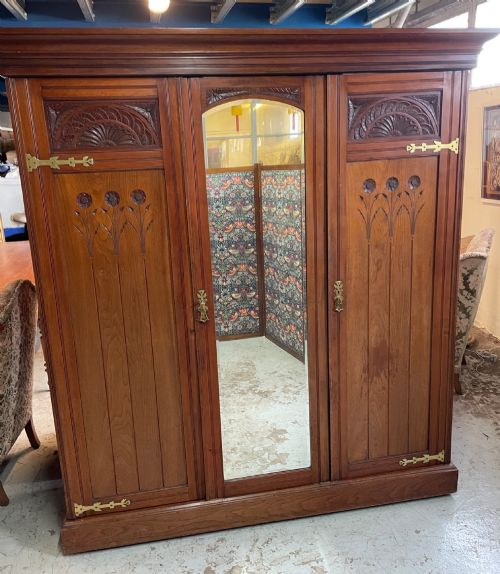
- Wardrobe
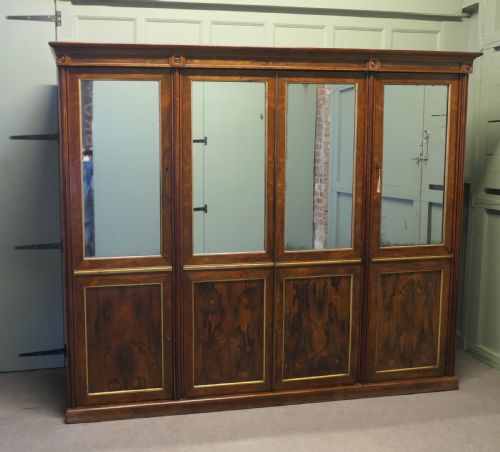
- A tall standing cupboard for clothes storage, sometimes incorporating mirrored doors. These large pieces complement smaller dressing mirrors in a bedroom suite.
Brass Bedroom Mirror: Frequently Asked Questions
Where should a brass bedroom mirror go?
These mirrors find their natural home on top of dressing chests or freestanding upon the floor, depending on whether you choose a tabletop toilet mirror or a tall cheval glass. They require adequate natural light from a nearby window to function effectively for daily dressing.
Position the mirror to reflect light back into the room while maintaining a clear view from your seating or standing position. Ensure the supporting surface or floor is level so the pivoting frame operates smoothly without strain.
How do I date a brass mirror?
Dating relies on examining the construction of the frame, the thickness and bevel of the mirror glass, and the style of the brass mounts. Earlier nineteenth-century examples often feature heavier timber frames and hand-beveled glass, while later pieces adopt simpler Edwardian or Art Deco geometric lines.
Look closely at the screw fixings, hinges, and backing boards for clues to the period. Machine-cut screws and modern adhesives point to twentieth-century production, whereas hand-cut elements suggest earlier craftsmanship.
How do I care for antique brass?
Maintain brass frames and mounts by dusting them regularly with a soft, dry cloth to prevent the accumulation of grime. Avoid harsh chemical polishes that can strip away the aged patina and damage adjacent wood surfaces.
If cleaning is necessary, use a mild soap solution and dry the metal thoroughly immediately afterwards. Protect the mirror glass by using standard glass cleaner applied to a cloth rather than sprayed directly near the frame.
What is the difference between cheval and toilet mirrors?
A cheval mirror stands independently on the floor, offering a full-length reflection suitable for checking an entire outfit. These large pieces usually feature four supporting legs and a central pivoting frame.
In contrast, a toilet mirror is a smaller tabletop object designed specifically for grooming while seated at a dressing table. These sit on a dedicated base and focus on upper-body and facial reflections.