

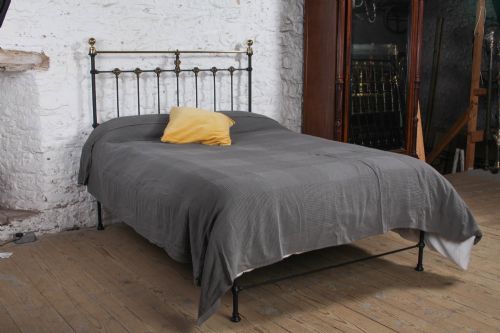
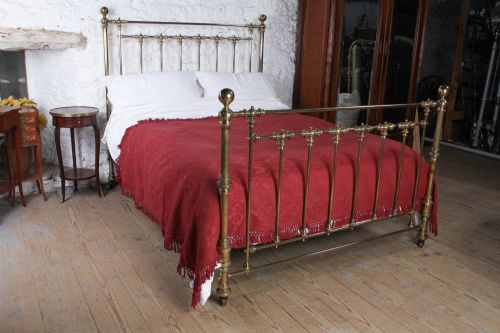
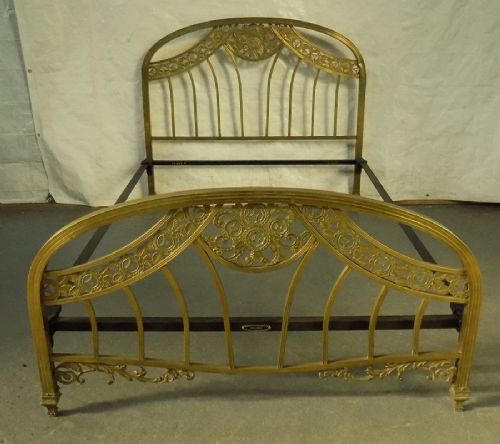
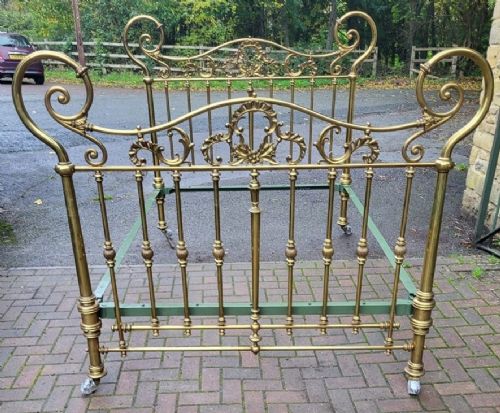
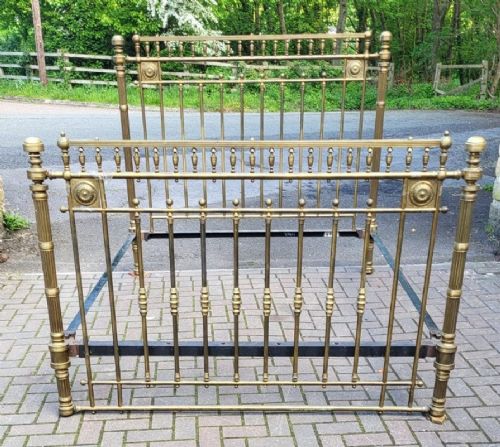
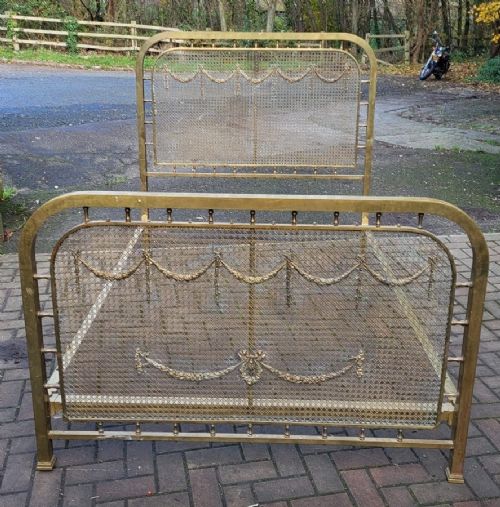
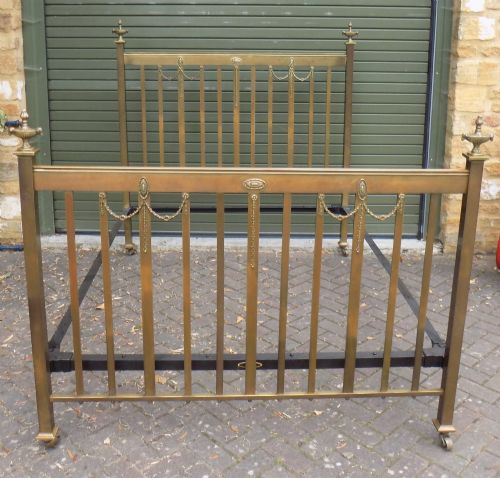
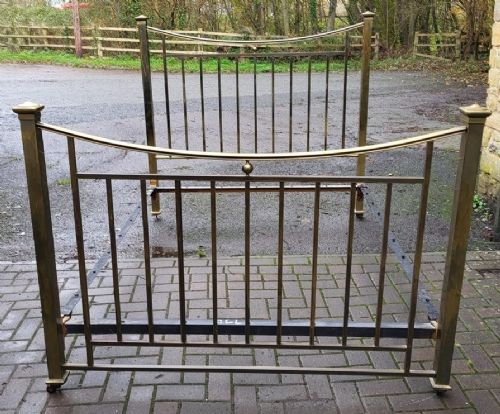
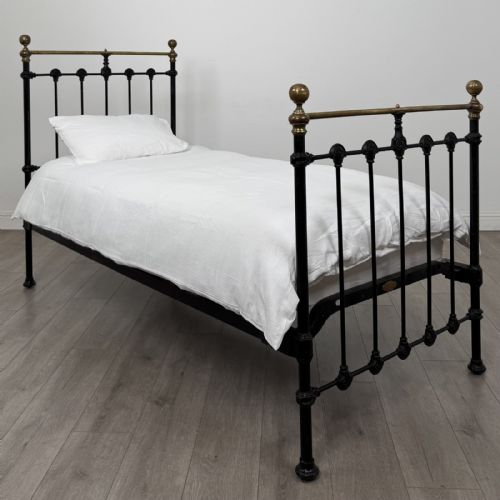
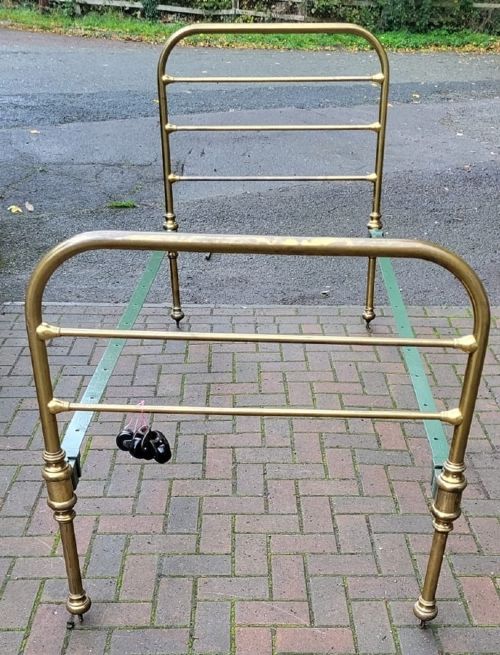
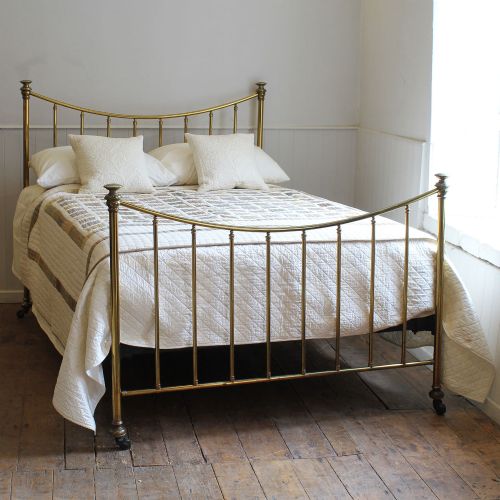
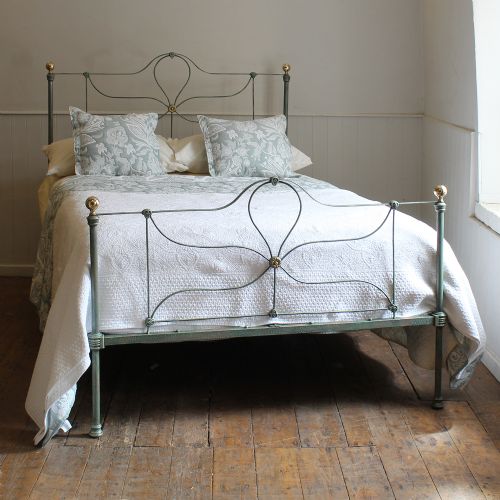
Brass Bed Footboard
A brass bed footboard brings substantial weight and warm metallic gleam to a bedroom, anchoring the space with period character.
Brass Bed Footboard
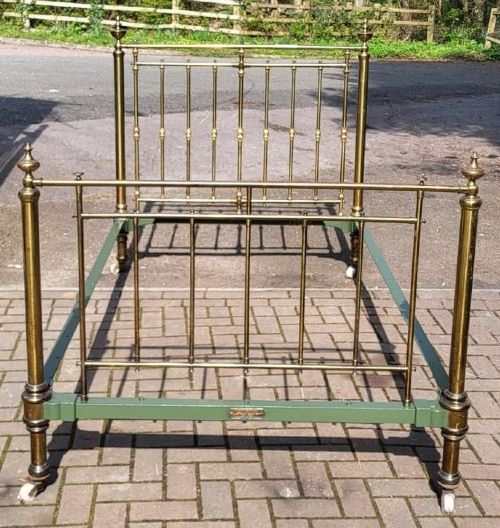
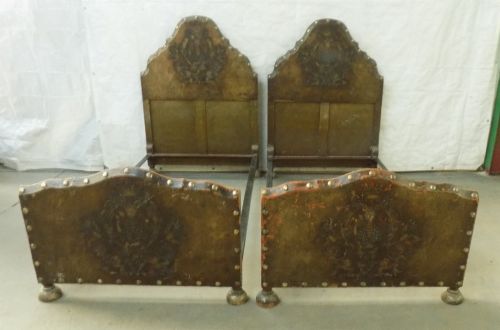
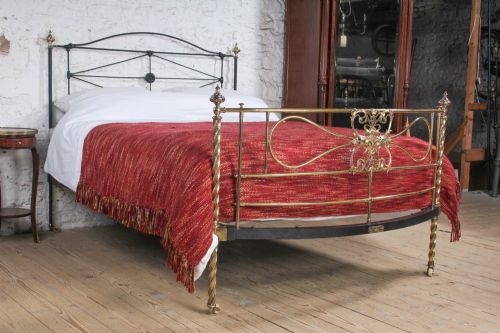
When searching for a brass bed footboard, buyers examine substantial metal framing components originating predominantly from the Victorian era and the early twentieth century. These pieces form the lower boundary of a bedstead, often combining polished metal tubing with decorative casting work and structural iron elements.
The versions most commonly met on this page date from the late nineteenth century, spanning decades such as eighteen eighty and eighteen ninety. They appear in configurations that range from full double sizes up to grand king dimensions, frequently paired with matching headboards or adapted as standalone architectural elements.
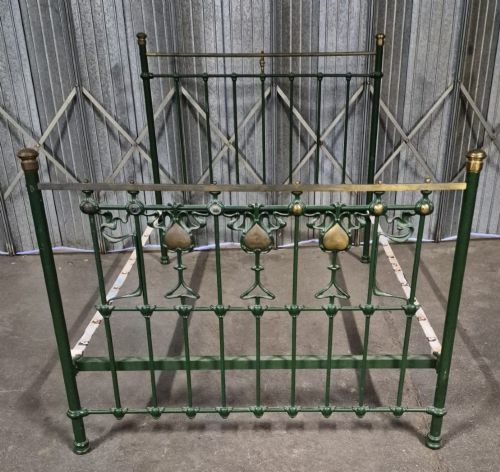
Origins vary between British workshops and French makers, showing stylistic influences that include Gothic Revival, Arts and Crafts, and Aesthetic Movement designs. Straight rail patterns and low end configurations provide simpler profiles alongside deeply ornate castings.
What varies in quality
Quality diverges notably in the heft of the castings and the thickness of the brass plating or solid tubing used in the construction. Finer examples display crisp detail in moulded motifs and substantial weight in the metal elements, whereas simpler utilitarian versions utilise lighter gauge tubing.
The integrity of joints and the retention of original surface patination distinguish superior specimens from heavily restored or later altered pieces. Maker attribution through stamps or plates adds notable distinction to specific items.
Brass Bed Footboard Retail Price Guide 2026
Typical asking prices for brass bed footboard among the pieces listed under this phrase on Sellingantiques today, from the lower quarter to the upper quarter. They describe what is for sale here now, not the wider market.
Several footboards rolled out of nineteenth-century factories directly onto iron castors, ready to chase your dreams across the bedroom floor.
RW Winfield·Maple and Co·James Shoolbread and Co
The Brass Bed Footboard Glossary
- Bedstead
- A framework of a bed, combining head and foot sections with side rails to support a mattress base. These structures often incorporate iron frames set on castors for mobility.
- Half Tester
- A type of bedstead featuring a partial canopy extending from the head section over the upper portion of the bed. It frames the pillow area while leaving the footboard exposed.
- Cast Iron
- A heavy, durable alloy used for the structural framework and internal supports of nineteenth-century beds. It provides the necessary rigidity to bear weight alongside decorative brass elements.
- No End Bed
- A bed configuration possessing a prominent headboard but lacking a high footboard, presenting a low or flush rail at the base. This style opens up the visual space at the foot of the bed.
- Aesthetic Movement
- A late Victorian design style prioritising visual beauty over narrative meaning, reflected in clean lines and stylised floral or geometric brass details.
Brass Bed Footboard: Frequently Asked Questions
How do I attach a footboard?
Footboards typically connect to side rails using integrated slot-in brackets or bolted iron fixings that lock the components together. Ensuring the side rails match the specific width of the footboard is essential for a secure fit.
Many period beds utilise tapered posts or cast iron slots designed for precise alignment. Checking these connection points prevents instability when the bed is assembled.
Are these footboards freestanding?
Most antique footboards require side rails and a headboard to form a complete, stable bedstead structure. They rely on the opposing pressure of the side frame to remain upright.
Standalone footboards occasionally appear as repurposed architectural panels or decorative room dividers. Using them independently usually requires custom mounting brackets for safety.
How do I clean brass safely?
Cleaning antique brass requires a soft cloth and mild soapy water to remove dust and surface grime without stripping the aged patination. Harsh chemical polishes can damage the thin protective layers built up over decades.
Preserving the original mellow tone is generally preferred by collectors over achieving a bright, modern shine. Regular dusting keeps the metal protected from atmospheric moisture.
What size mattresses fit these?
Period bed dimensions often differ slightly from modern standard mattress sizes, particularly across nineteenth-century double and king formats. Measuring the internal width between the side rails is necessary before ordering a mattress.
Custom mattress makers can supply bespoke bases tailored to fit older iron and brass frames accurately. This ensures proper support within the historical dimensions.