





Brass Barware
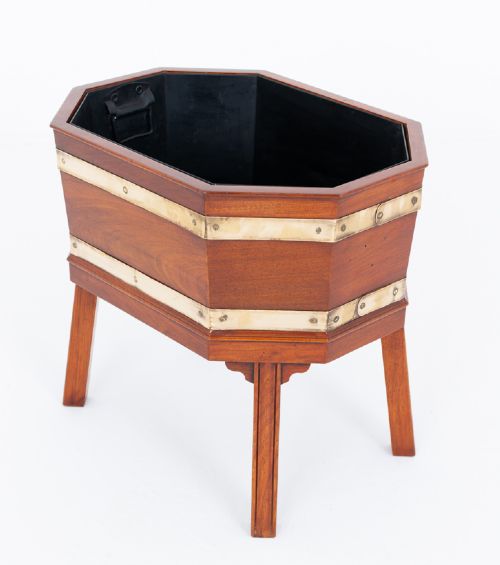
Brass barware brings together the weight of 18th-century mahogany and the polish of Victorian glass to serve your guests in style.
Brass Barware
Brass barware encompasses drinking vessels, serving trays, ice buckets, decanter sets, and spirit dispensers spanning the eighteenth century through to the mid-twentieth century. When you search for brass barware, you encounter items designed specifically for the storage, cooling, and dispensing of wine, spirits, and champagne.
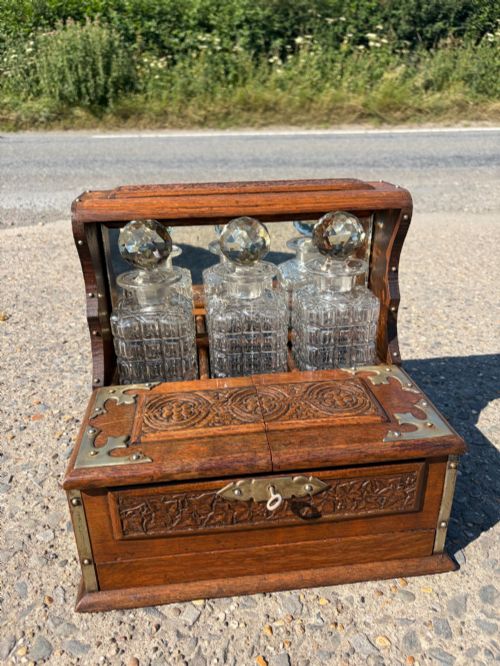
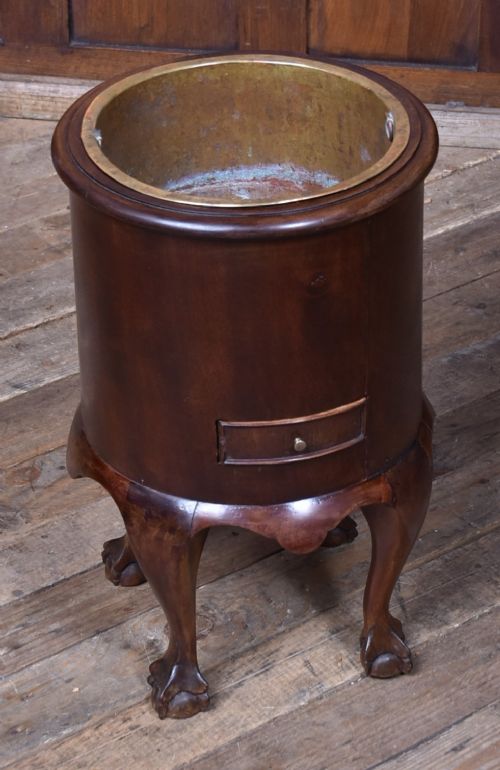
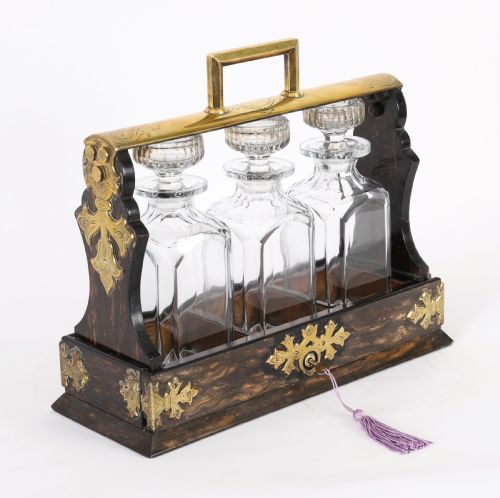
The selections on this page draw heavily from the Victorian and Edwardian eras, alongside Georgian and Regency style pieces. You will frequently find oak and coromandel tantalus cabinets, mahogany wine coolers bound in brass, and glass dispensers mounted in metal.
Form follows function in these pieces, moving from simple bell-shaped tankards to elaborate locking decanter sets and cocktail shakers. The materials range from plain brass and cut glass to rich timbers like mahogany and coromandel wood.
Materials and construction
The primary structural materials combine solid brass with dense timbers such as mahogany, oak, and coromandel wood, often paired with heavy cut glass and cut crystal. Metal components show casting and mounting techniques that secure glass bowls and wooden frames together.
Makers utilised gold leaf for decorative accents and incorporated locking mechanisms into timber tantalus frames to secure expensive spirits. Glass elements feature hand-cut facets and etched lettering, while metal parts utilise bronzed finishes and cast details.
Combination pieces integrate wooden stands, such as Black Forest carvings, with brass-bound barrels and glass fountains. The physical weight of these items relies on thick timber panels, heavy brass bands, and robust crystal vessels.
Brass Barware Retail Price Guide 2026
Typical asking prices for brass barware among the pieces listed under this phrase on Sellingantiques today, from the lower quarter to the upper quarter. They describe what is for sale here now, not the wider market.
Some Victorian spirit dispensers proudly advertised specific beverages, including unsweetened gin and brewery-branded brandy.
Assessing quality and execution
Quality rests in the precision of the casting and the density of the materials chosen for each vessel or cabinet. Superior items display crisp detailing on cast mounts, tight joinery in mahogany or coromandel frames, and deep, unclouded cutting in the crystal decanters.
The sophistication of the mechanism dictates the tier of the piece, particularly in locking tantalus sets and spirit dispensers. Better examples integrate the brass hardware seamlessly into the timber body without loose fittings or misaligned locks.
Provenance and unusual configurations elevate certain objects, such as marked brewery dispensers or specialised Italian cocktail shakers. The harmony between the brass elements, the glass components, and the underlying wood defines the overall calibre of the item.
The Brass Barware Glossary
- Tantalus
- A locked cabinet holding decanters that displays the bottles while preventing unauthorised access to the contents. These typically feature wooden frames with brass locking bars.
- Cellarette
- A lockable container used for storing wine bottles near the dining table. Eighteenth and nineteenth-century versions often use mahogany lined with metal or brass bands.
- Galleried tray
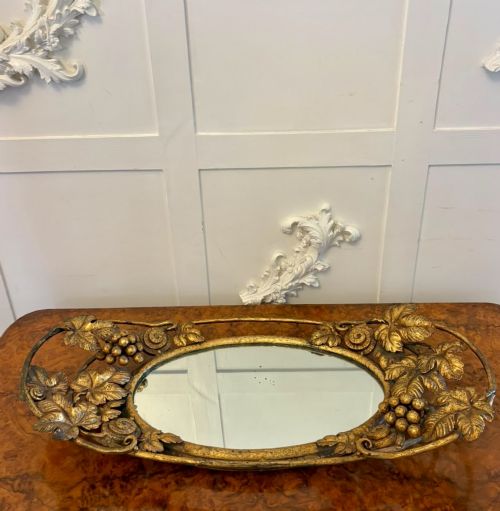
- A serving tray fitted with a raised pierced metal border or rail to prevent items from sliding off. These frequently combine brass or gilt metal frames with mirrored bases.
- Dispenser
- A vessel fitted with a tap or spigot for serving spirits, wine, or beer directly into glasses. Examples range from cut glass table fountains to wall-mounted glass barrels.
- Wine cooler
- A vessel designed to chill wine or champagne using ice and water. Georgian and Victorian variants often employ mahogany, brass, or copper construction.
Brass Barware: Frequently Asked Questions
What is a tantalus?
A tantalus is a lockable wooden frame, often bound in brass, that holds decanters of spirits securely in place. It earns its name because you can see the drink inside through the glass, but cannot pour it without the key.
Victorian households used these to prevent servants or guests from accessing expensive whiskey and brandy without permission. The locking mechanism typically involves a metal bar that swings down over the stoppers.
How do I use a wine cooler?
Vintage wine coolers are designed to hold ice and water around bottles of wine or champagne to keep them chilled during dinner parties. Many feature metal linings or solid brass bodies to withstand moisture.
When living with these pieces today, place a modern liner inside older wooden coolers to protect the antique timber from water damage.
What is the difference between a decanter and a dispenser?
Decanters are pourable glass bottles with stoppers used for serving wine or spirits at the table. Dispensers incorporate a tap, spigot, or pump mechanism for continuous self-service.
Dispensers often appear as larger glass vessels mounted on metal stands, sometimes bearing brewery labels or specific spirit names etched into the glass.
How do I care for brass and mahogany barware?
Maintain brass components by dusting regularly and using mild cleaning methods only when necessary to preserve the aged patina. Avoid harsh chemical polishes that strip the historical character from the metal mounts.
Keep wooden elements like mahogany and coromandel away from direct heat sources and excessive moisture. Treat the timber surfaces with appropriate wax to nourish the grain.