
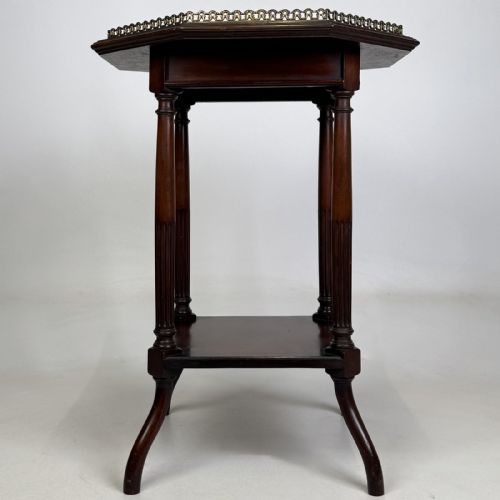
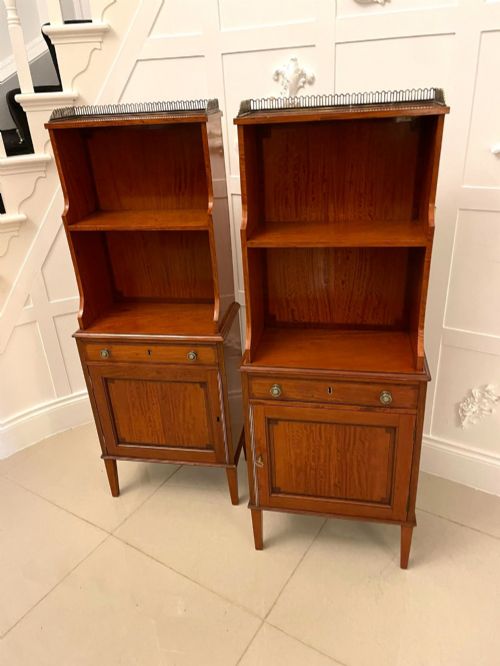
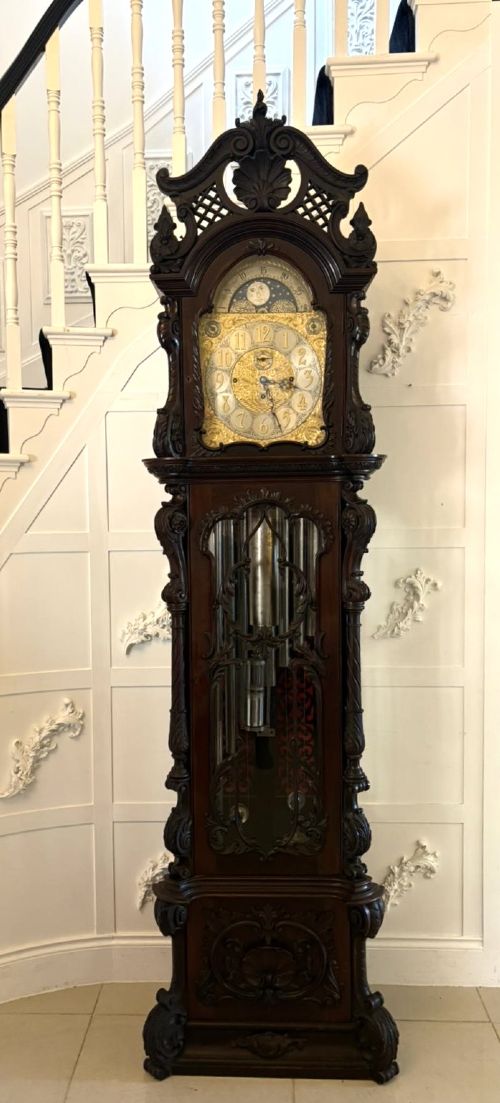
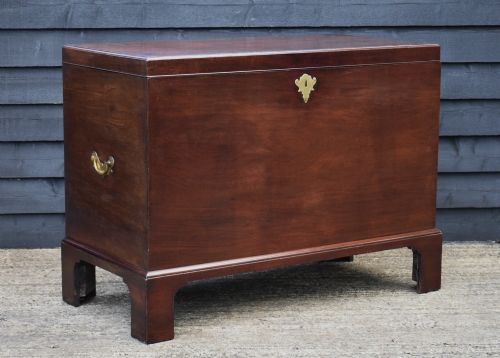
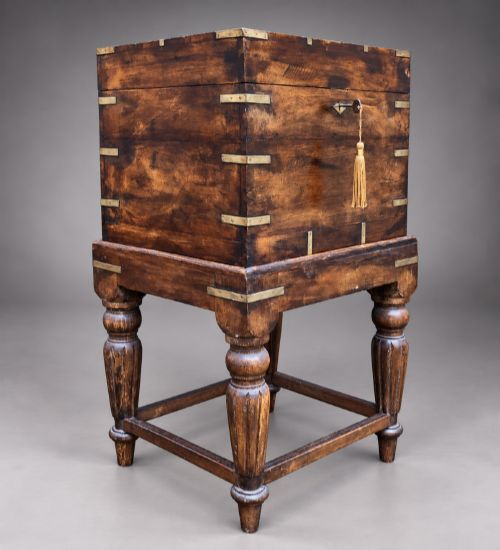
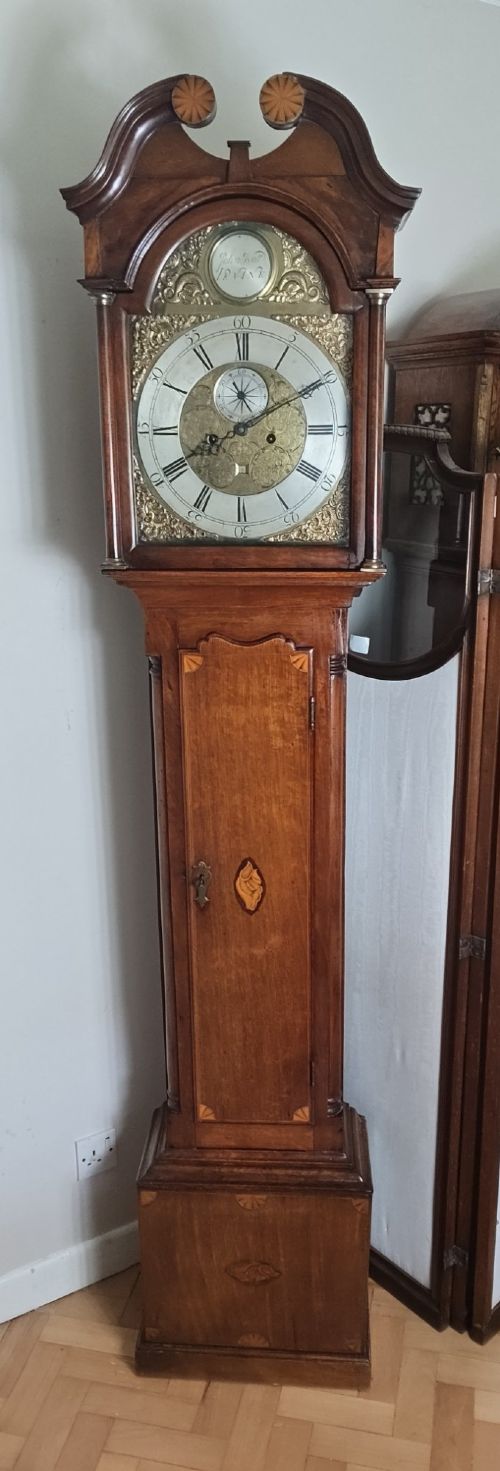
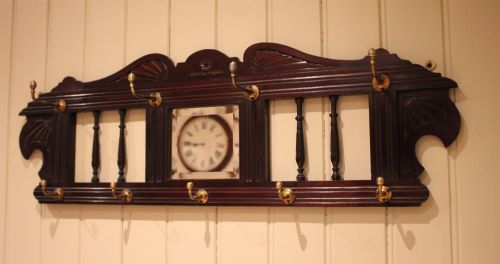
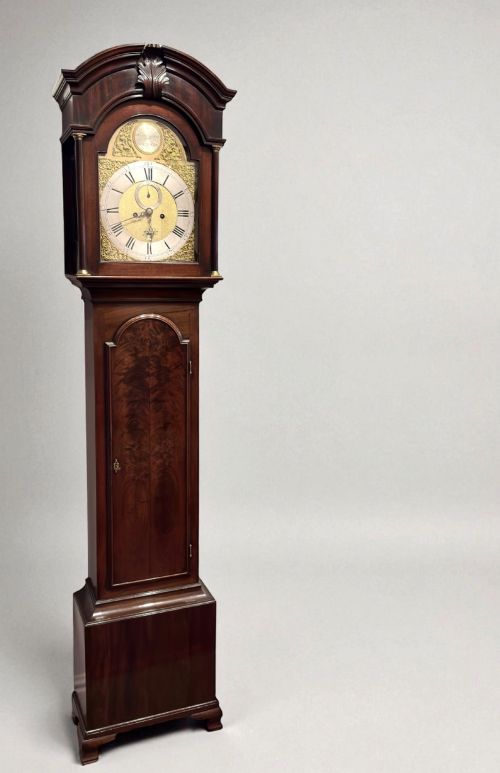


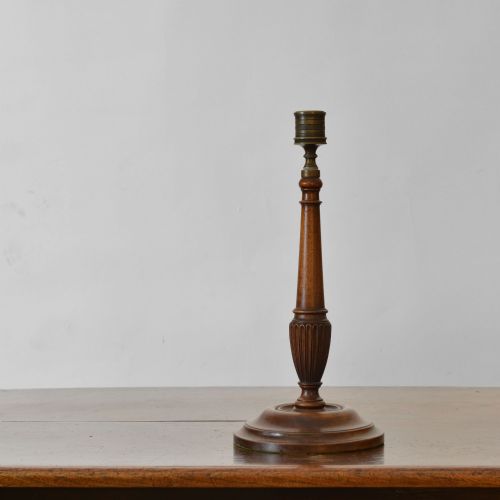
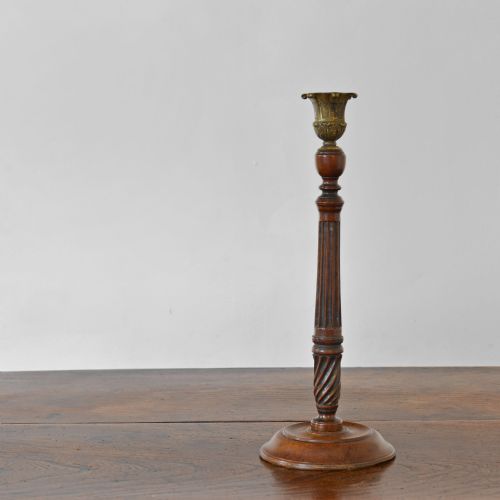
Brass and Wood Stand
When you search for a brass and wood stand, you are looking for functional pieces that combine warm timber with metal mounts, from music stands to inkstands and tables on stands.
Brass and Wood Stand
A brass and wood stand encompasses a diverse range of furniture and desk accessories designed to elevate specific items or serve utility in domestic spaces. Buyers encountering this category will find pieces spanning the Georgian, Regency, William IV, Victorian, and Edwardian periods.
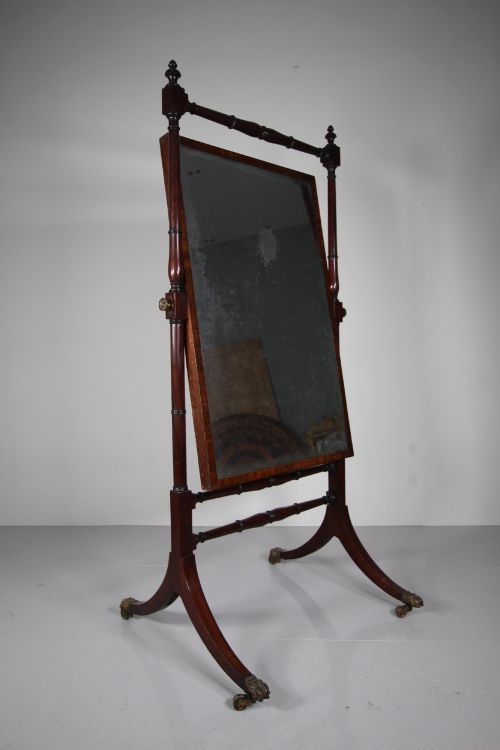
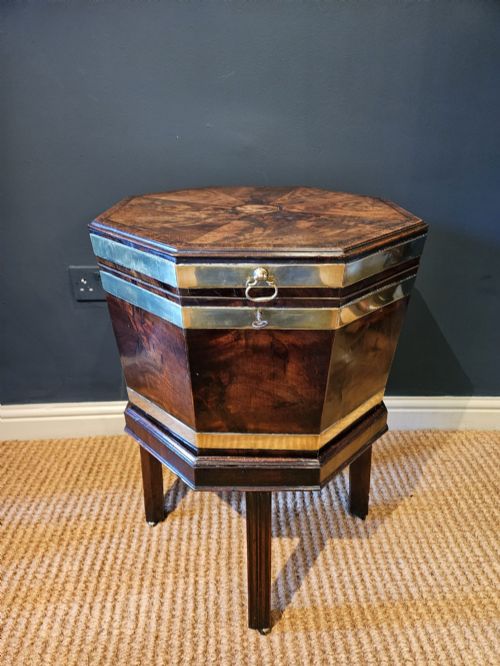
The forms vary considerably across the selection, including adjustable reading and music stands, writing slopes on stands, folding tables, and standard lamps. Many examples demonstrate how cabinetmakers utilised brass fittings not only for structural strength but as decorative highlights on figured timbers.
Originating from periods when domestic items were built by hand for specific domestic tasks, these items bring historic utility into modern interiors. The integration of brass and wood appears in smaller desktop items like inkstands as well as larger floor-standing pieces.
Materials and construction techniques
The construction of these pieces relies on dense hardwoods such as mahogany, rosewood, burr walnut, and oak, chosen for durability and rich grain patterns. Artisans shaped these timbers using traditional joinery methods, incorporating turned columns, shaped bases, and fitted interiors.
Brass was incorporated through cast mounts, adjustable stems, intricate inlay, hinges, and protective castors. Metalwork was frequently cut, chased, or engraved before being carefully fitted into precise recesses within the wooden surfaces.
Music stands were sometimes built with tiny candle arms so musicians could keep playing after the sun went down.
Distinctions in craftsmanship and design
Quality in these pieces is determined by the crispness of the brass inlay, the precision of the joinery, and the figuring of the timber selected by the maker. Finer examples display meticulous attention to detail in carved elements, smooth adjustment mechanisms on music and reading stands, and original matching brass components.
Simpler workshop productions utilise plain timbers with basic cast brass fittings, while superior items feature elaborate foliate brass inlay in rosewood or carefully turned and reeded columns that demonstrate advanced cabinetmaking skill.
Gillow·Gordon of Aberdeen·Rickards Wotton Under Edge
The Brass and Wood Stand Glossary
- Etagere
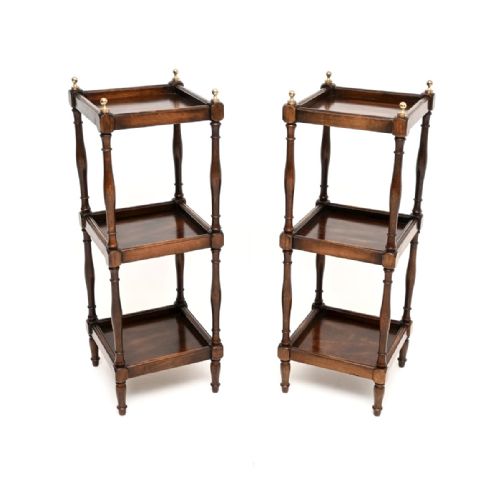
- A set of open shelves supported by columns or pillars used for displaying small objects or books, often appearing in rosewood with brass details.
- Canterbury
- A low wooden stand with partitioned sections for holding sheet music, folios, or newspapers, frequently mounted on castors.
- Duet stand
- An adjustable floor-standing music stand designed to hold two scores simultaneously for shared practice.
- Campaign desk on stand
- A portable writing desk fitted with brass corners and carrying handles, designed to sit securely on a dedicated folding wooden base.
Brass and Wood Stand: Frequently Asked Questions
What is a brass and wood stand used for?
These stands serve various practical functions around the home, from holding sheet music and books to displaying decorative items or providing a stable writing surface.
Smaller versions like inkstands kept writing materials organised on a desk, while floor-standing music and reading stands held texts at a comfortable height for the user.
How do I date a rosewood and brass piece?
Dating relies on observing the prevailing style, construction methods, and hardware conventions of periods like the Regency or Victorian eras. Regency pieces often feature precise brass inlay in dark rosewood, whereas later Victorian examples may employ heavier cast mounts and different wood preparation techniques.
Examining secondary timbers inside drawers or compartments can also provide clues to the approximate age of manufacture.
Are music and reading stands adjustable?
Many of the music and reading stands from the Regency and Victorian periods feature functional brass ratchets, screws, or sliding stems designed to alter the height and angle of the desk.
These mechanical elements allow the user to position the reading surface precisely, reflecting the high degree of utility engineered into nineteenth-century furniture.
How do I care for antique wood and brass?
Maintenance involves applying appropriate wax polish to nourish the timber and dusting regularly with a soft cloth to protect the finish. Brass components can be cleaned gently with a dry cloth, avoiding harsh chemical polishes that might damage the surrounding wood grain.