

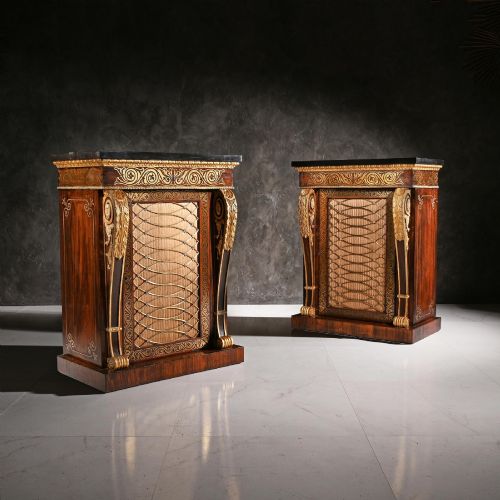
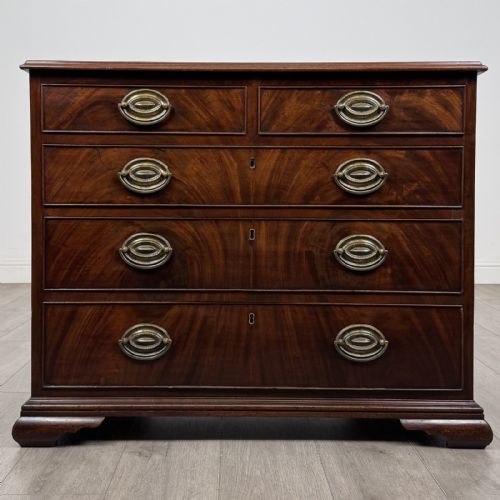
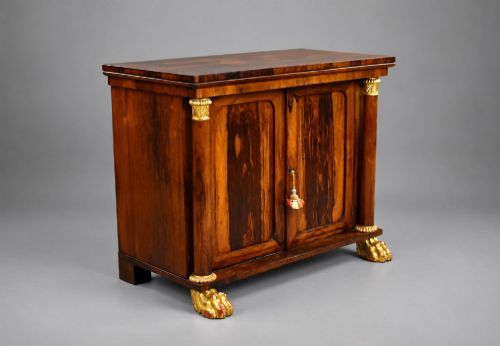
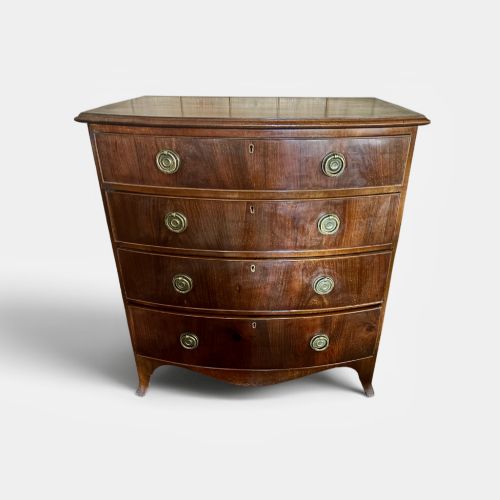
Brass and Wood Cabinet
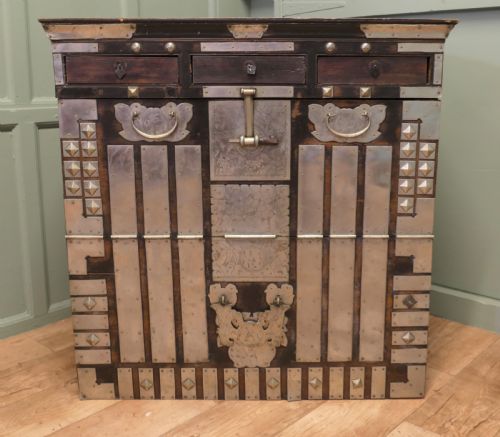
A brass and wood cabinet brings together warm timber and metal mounts to create practical storage with a distinct decorative presence.
Brass and Wood Cabinet
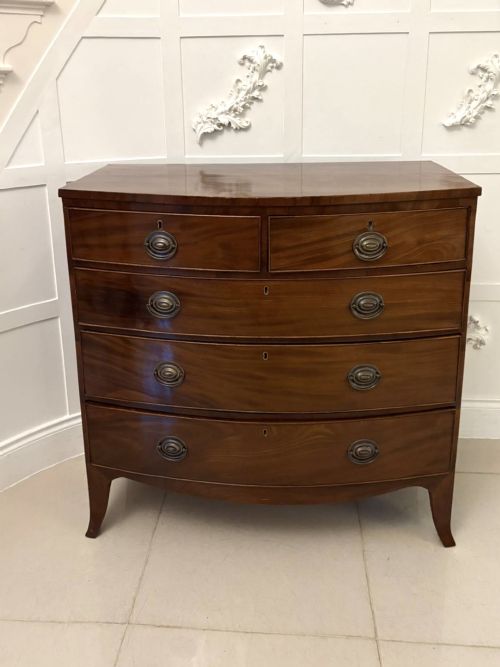
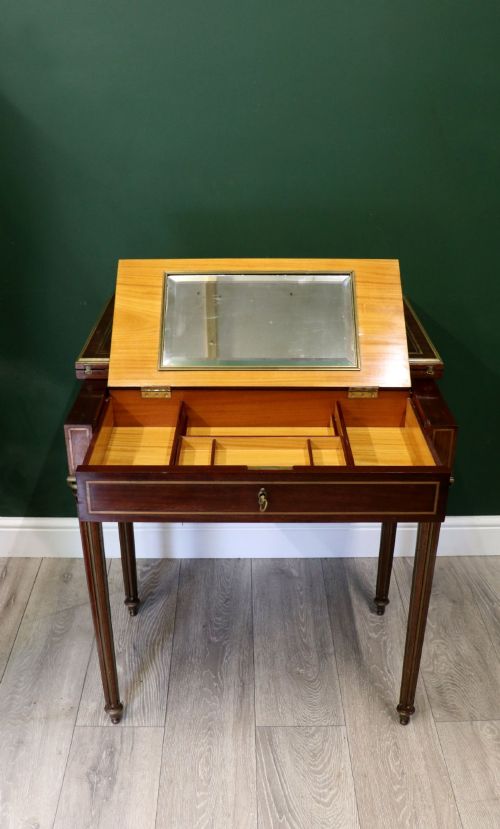
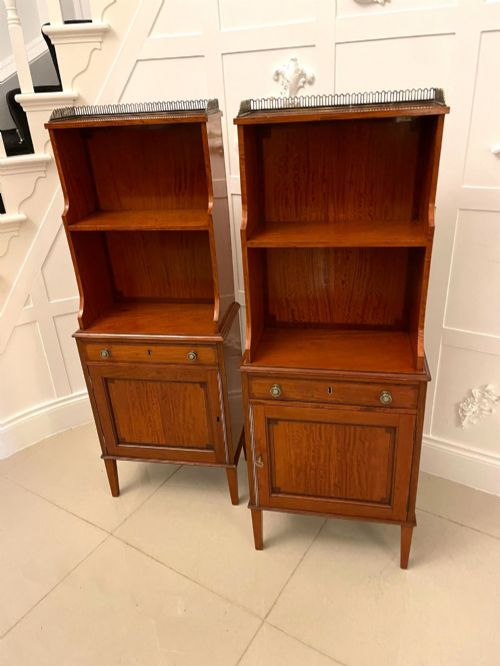
When you search for a brass and wood cabinet, you encounter a diverse range of furniture types spanning multiple centuries, from 18th century Georgian pieces to 1930s designs. The selection includes chests of drawers, sideboards, bookcases, desks, and cellarettes.
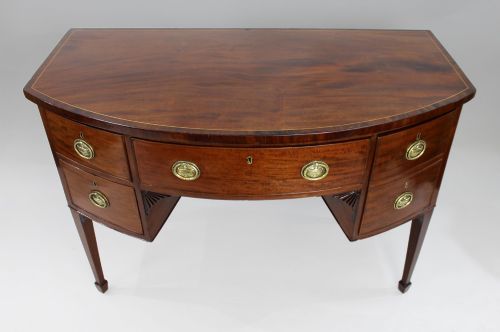
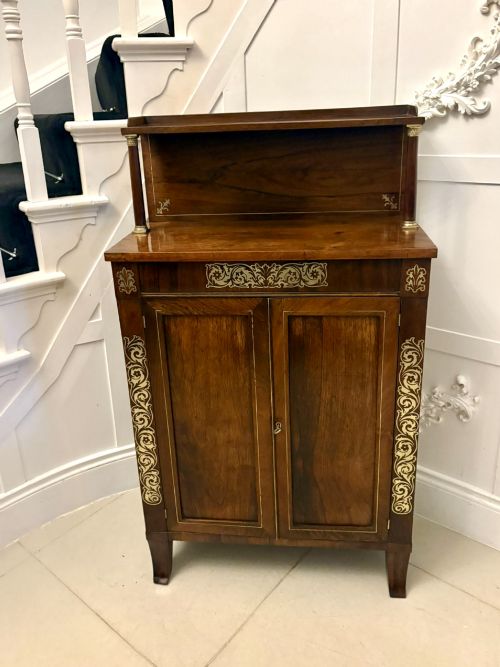
The version you are most likely to meet on this page is constructed from mahogany, rosewood, or walnut, frequently accented with brass handles, hinges, or inlaid mounts. These pieces originate from British, French, and Anglo-Indian workshops across the Georgian, Regency, Victorian, and Edwardian periods.
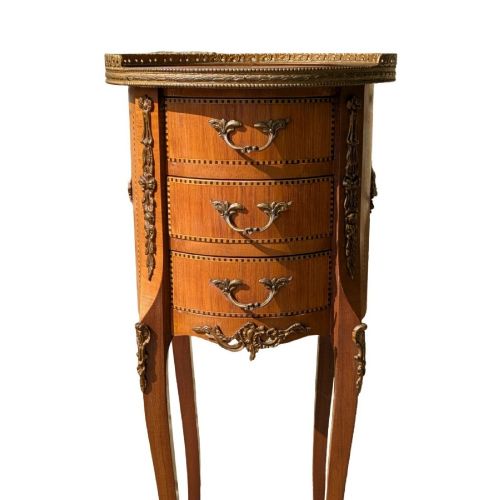
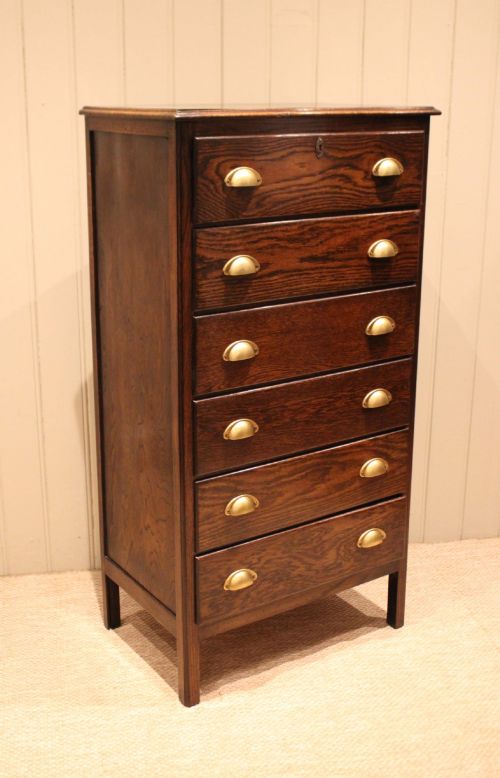
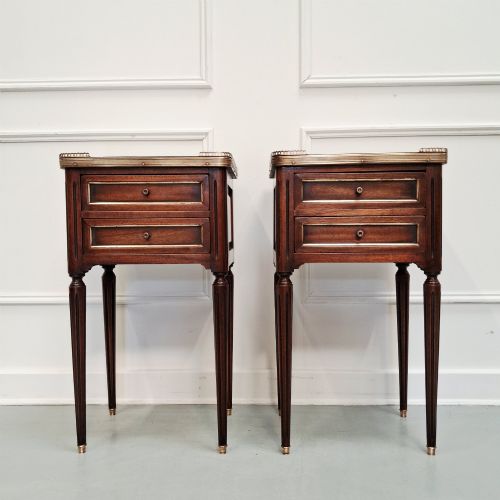
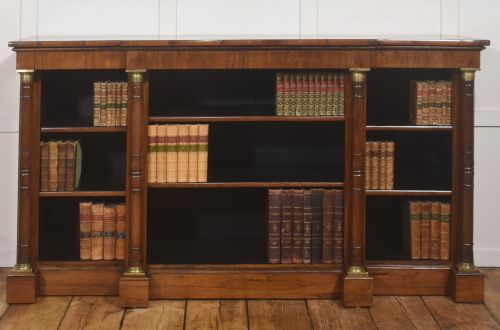
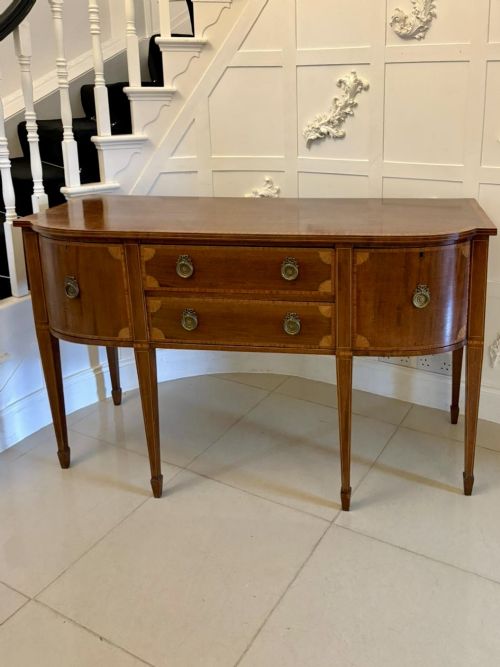
Forms vary from narrow oak cupboards and bedside tables with marble tops to large breakfront open bookcases and serpentine sideboards. Each type serves a distinct storage purpose while displaying the characteristic combination of timber and brass work.
Materials and Technique
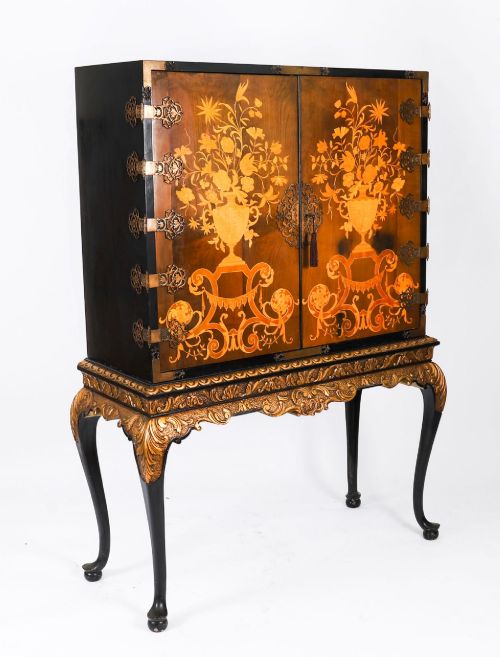
Cabinetmakers utilised dense timbers such as mahogany, rosewood, walnut, and satinwood, often selecting figured veneers or solid planks for structural integrity and visual depth. Inlays of kingwood, marquetry, and crossbanding added contrasting geometric or floral patterns to the surfaces.
Brass was incorporated through cast handles, drop pulls, hinges, label holders, and intricate brass stringing or marquetry mounts inlaid directly into the timber. These metal elements required precise hand-fitting into recessed channels within the wood.
Joinery methods involved traditional dovetailed drawer construction, mortise and tenon frames, and panelled backs, ensuring durability across decades of daily use.
Brass and Wood Cabinet Retail Price Guide 2026
Typical asking prices for brass and wood cabinet among the pieces listed under this phrase on Sellingantiques today, from the lower quarter to the upper quarter. They describe what is for sale here now, not the wider market.
A Georgian cellarette once guarded the port from thirsty footmen.
Quality and Craftsmanship
The standard of timber selection largely defines the upper tier of these pieces, where cabinetmakers chose richly figured grain patterns and matched veneers symmetrically across drawer fronts and doors. Lesser examples rely on plain, unfigured timbers or simpler construction methods.
The execution of the brass work marks a clear distinction in quality, ranging from finely chased and cast mounts secured flush with the wood to simpler, stamped hardware attached afterward. Precision in the inlay work and the retention of original fittings elevate a piece significantly.
Gillows·Hewetsons London·Louis Constantin Le Gaigneur
The Brass and Wood Cabinet Glossary
- Crossbanding
- A decorative border of veneer laid around the edges of a panel or drawer front with the grain running perpendicular to the central panel.
- Marquetry
- The art of applying pieces of veneer to a structure to form decorative patterns and pictures.
- Cellarette
- A lockable container or cabinet designed to hold bottles of wine and spirits, often brass-bound and fitted with internal partitions.
- Breakfront
- A piece of furniture where the central section projects forward from the flanking sections.
- Davenport
- A compact pedestal desk featuring a sloping writing surface above a set of drawers.
Brass and Wood Cabinet: Frequently Asked Questions
What rooms suit a brass and wood cabinet?
These cabinets suit living rooms, dining rooms, and hallways where their combination of timber and metal accents complements existing interior decor.
Smaller formats function effectively as bedside tables or auxiliary storage surfaces in compact spaces.
How do I care for brass and wood surfaces?
Maintain the timber by dusting regularly with a dry cloth and occasionally applying suitable wax polish to nourish the grain.
Clean brass components gently without abrasive polishes to preserve their natural patina over time.
How do I identify a Georgian cabinet?
Georgian pieces typically display solid proportions, dense timbers like Cuban mahogany, and traditional hand-cut dovetails inside the drawers.
Stylistic cues include bracket feet, cockbeading around drawers, and classical brass hardware without modern fixings.
What is the function of a cellarette?
Historically used in dining rooms to store and lock away bottles of wine, a cellarette kept valuable spirits secure from servants.
Modern owners frequently repurpose these sturdy, brass-bound boxes as decorative side tables or storage chests.