


Brass and Wood Bookcase
A brass and wood bookcase brings warmth and orderly display to a room, uniting rich timber grains with crisp metallic accents.
Brass and Wood Bookcase
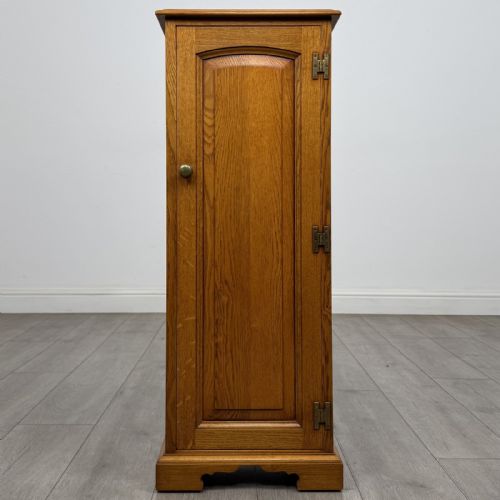
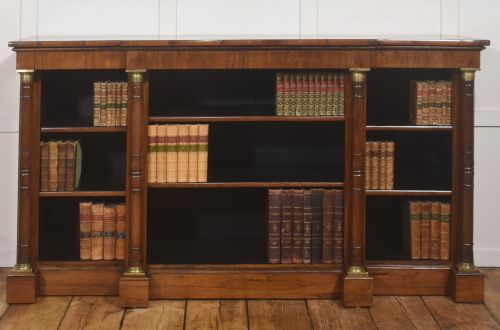
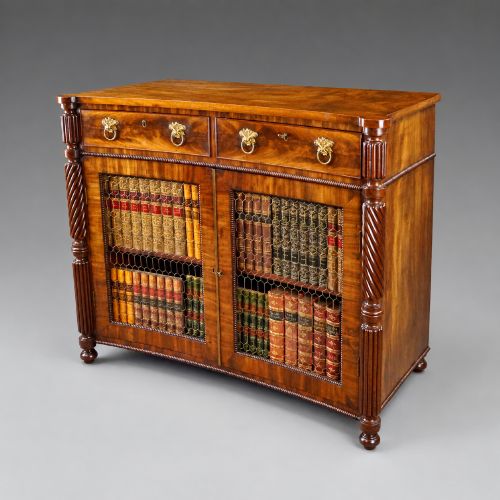
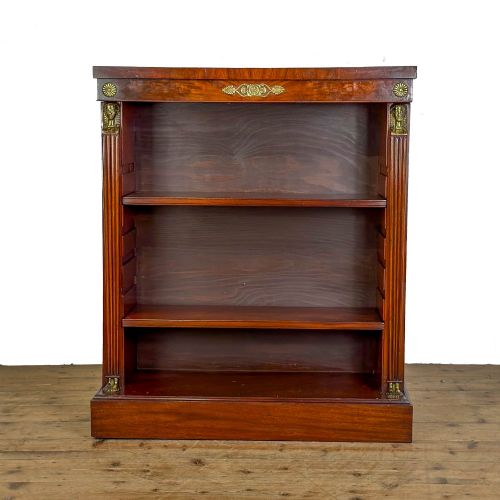
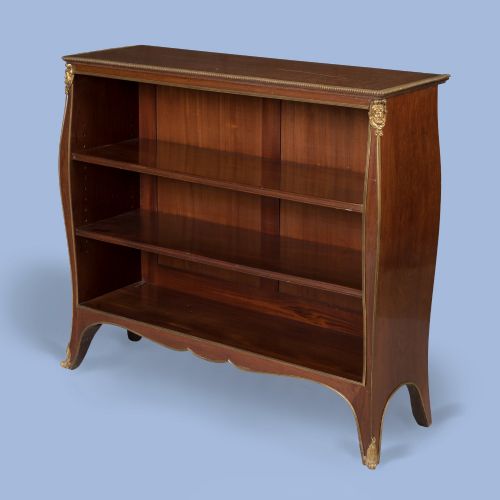
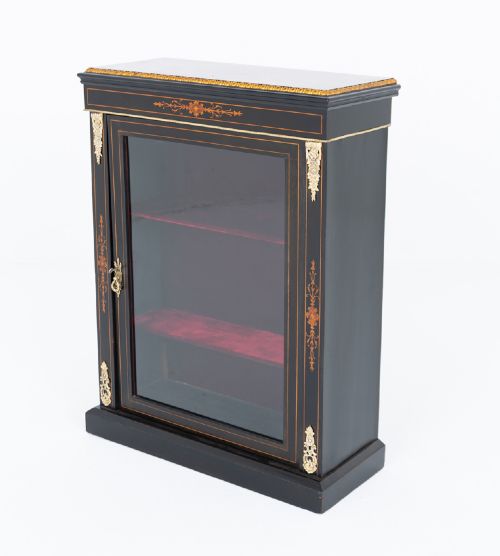
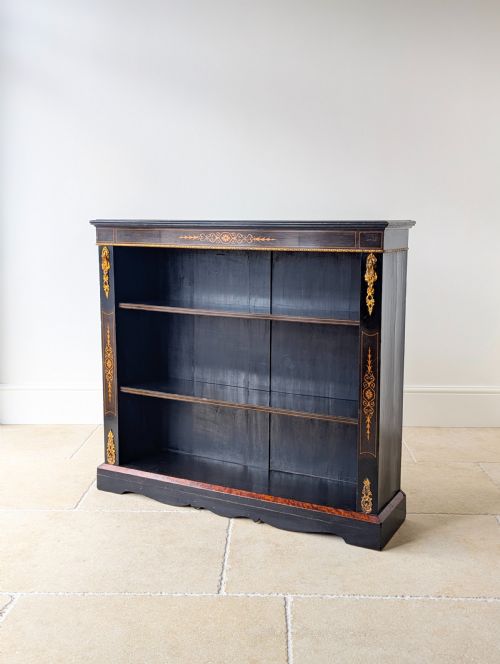
A brass and wood bookcase primarily takes the form of open shelving, closed side cabinets, and architectural breakfront designs originating across the nineteenth century. Regency and Victorian examples dominate the selection, often pairing dense tropical hardwoods with structural metalwork.
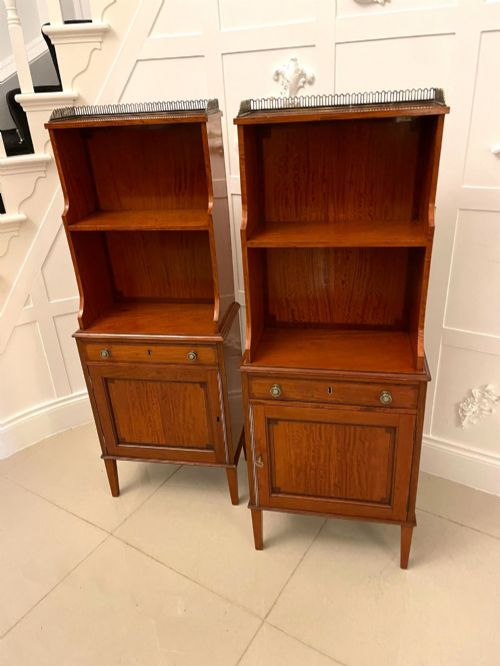
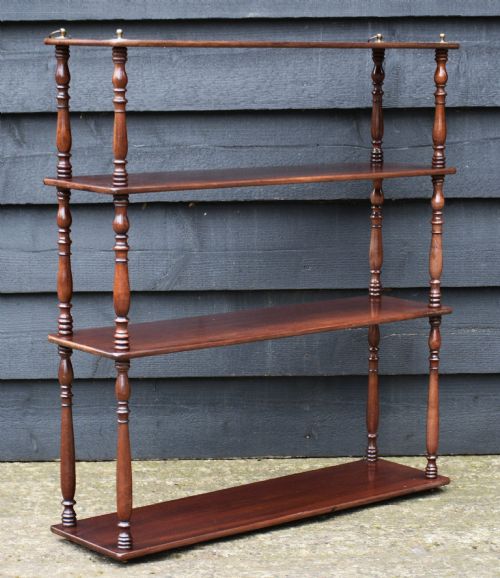
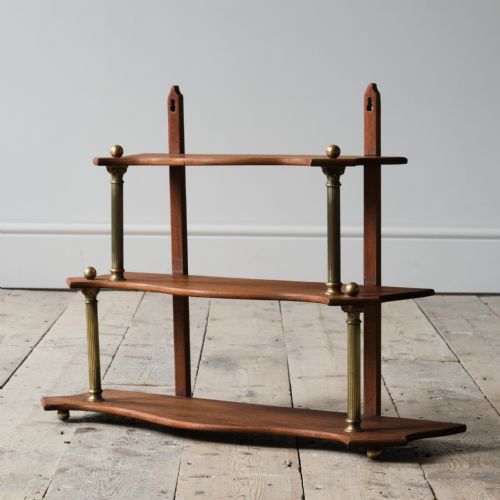
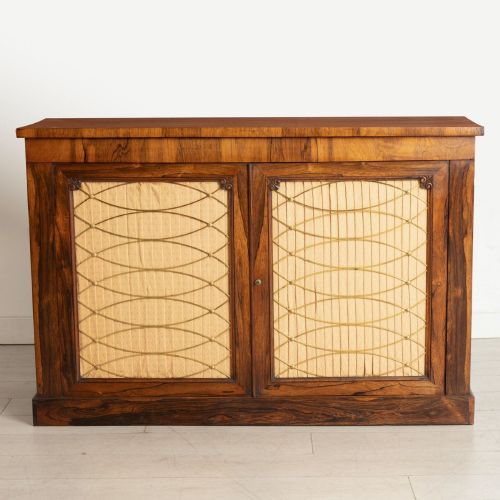
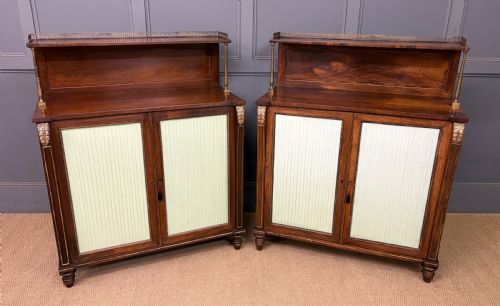
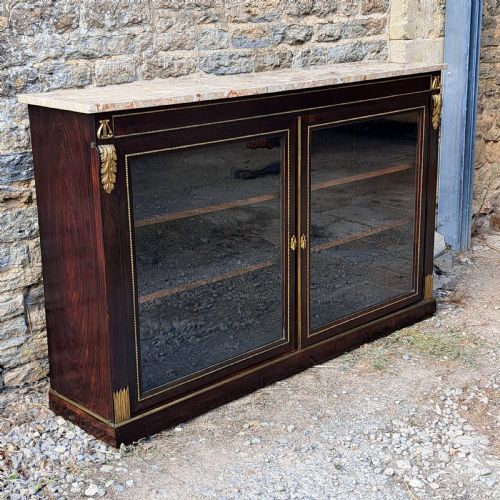
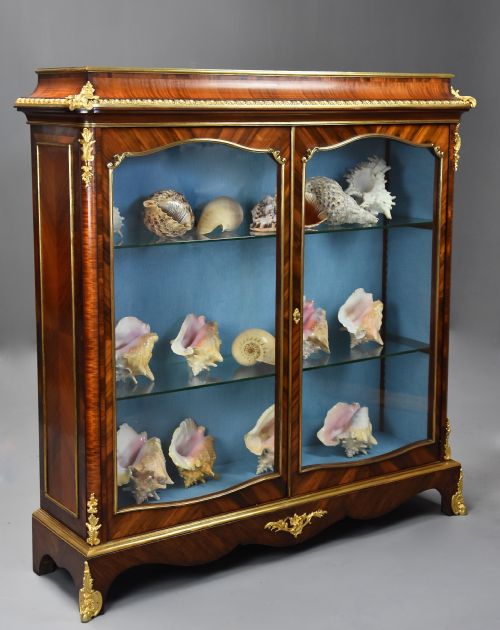
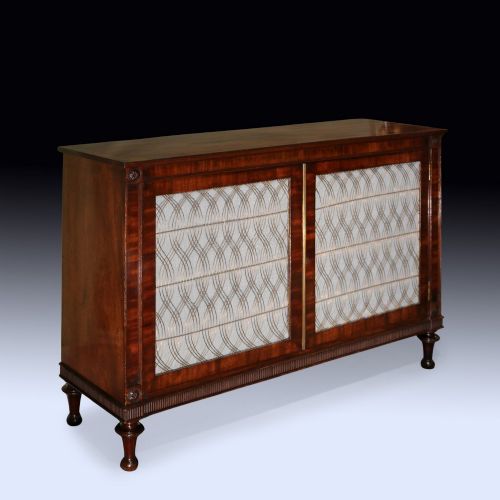
Buyers encounter freestanding open bookcases alongside low side cabinets and wall-hanging shelves. Many of these pieces integrate glazed doors, fabric-backed compartments, or brass grilles to protect volumes while maintaining visual lightness in an interior.
Materials and Construction
Cabinetmakers utilised durable hardwoods such as rosewood, mahogany, satinwood, and walnut as the primary structural bodies, often enriching the surfaces with contrasting ebonised details or intricate veneers. These timbers provide the stable foundation required for heavy shelving and panelled doors.
Brass enters the construction through inlaid stringing, decorative mounts, protective gallery rails, and functional grilles or hinges. Ormolu and gilt brass decorations frequently accent French-influenced designs, adding metallic contrast to the dark grain of the timber.
Brass and Wood Bookcase Retail Price Guide 2026
Typical asking prices for brass and wood bookcase among the pieces listed under this phrase on Sellingantiques today, from the lower quarter to the upper quarter. They describe what is for sale here now, not the wider market.
Some nineteenth-century reading companions included pull-out book slides designed to keep your current volume upright on the table.
Craftsmanship and Proportion
The distinction between tiers rests upon the precision of the cabinetmaker's joinery and the restraint shown in the ornamentation. Superior pieces exhibit seamless brass inlay set flush into figured rosewood or mahogany, alongside well-proportioned cornices and tight door mitres that endure atmospheric changes.
Workshops of notable standing invested heavily in select timber veneers and fire-gilt mounts, whereas simpler iterations relied on cast brass fittings and standard mahogany planks. The depth of the timber polish and the integrity of internal carcases ultimately separate standard utility furniture from exhibition-grade examples.
Gillows·Robert Strahan·Paul Sormani
The Brass and Wood Bookcase Glossary
- Breakfront
- A cabinet design where the central section projects forward from the flanking wings. This architectural arrangement creates depth and focal emphasis in large rooms.
- Ormolu
- Cast bronze that has been mercury gilded to produce a bright gold finish. Makers utilised this decorative metal for mounts on Regency and nineteenth-century French furniture.
- Chiffonier
- A low cabinet equipped with shelves or enclosed cupboards, developed during the nineteenth century. These pieces often feature fabric panels or brass grilles behind their doors.
- Ebonisation
- The process of staining timber, typically fruitwood or beech, to imitate ebony. This dark finish provides stark contrast against brass inlay and gilt mounts.
Brass and Wood Bookcase: Frequently Asked Questions
How do I care for a brass and wood bookcase?
Maintain a stable room humidity to prevent the timber veneers from lifting and the solid wood panels from splitting. Dust regularly with a dry cloth and occasionally feed the wood with a traditional wax.
Keep brass components free from abrasive cleaners, relying instead on a soft cloth to preserve their natural patina. Avoid placing antique furniture near direct heat sources or strong sunlight.
Were brass grilles always used on these bookcases?
Brass grilles appeared predominantly on high-end Regency and Victorian library cabinets to allow ventilation while protecting valuable volumes. Silk or pleated fabric panels often backed these wire meshes to conceal shelf contents.
Simpler bookcases utilised plain glass panes or remained entirely open depending on the intended domestic function. Solid wooden doors were also common for side cabinets requiring complete privacy.
How do I distinguish Regency from Victorian examples?
Regency pieces typically display classical restraint, featuring clean architectural lines, rosewood veneers, and precise brass stringing or marquetry. The proportions lean towards elegant neoclassical symmetry and lighter structural forms. Ninteenth-century Victorian pieces often embrace heavier proportions, darker walnut or mahogany timbers, and more exuberant ormolu ornamentation. Stylistic revivals such as French Chateau or Egyptian Revival also point towards the Victorian era.
Can these cabinets hold heavy modern books?
Nineteenth-century shelving was engineered for volumes of specific weights and sizes, meaning extra care is needed with oversized modern publications. Most open bookcases feature adjustable wooden shelves supported on traditional timber bearers or brass pins.
Inspect the internal shelf supports and the thickness of the timber boards before loading heavy art monographs. Distributing weight evenly across the span prevents long-term sagging in older wood.