

Brass and Walnut Stand
A brass and walnut stand combines warm timber with polished metal to serve practical household roles from hall organisation to desk display.
Brass and Walnut Stand
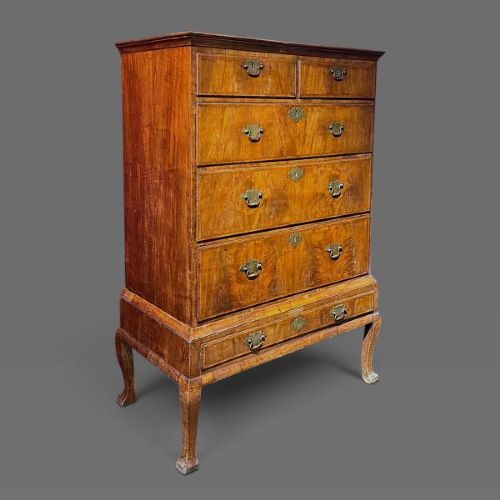
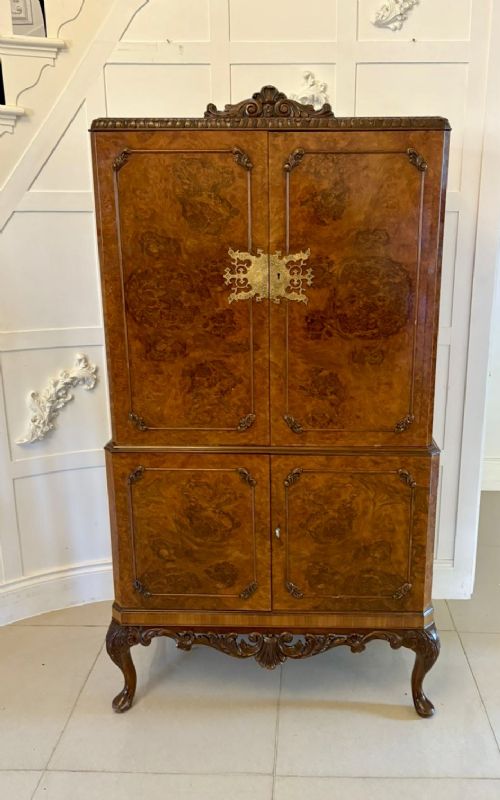
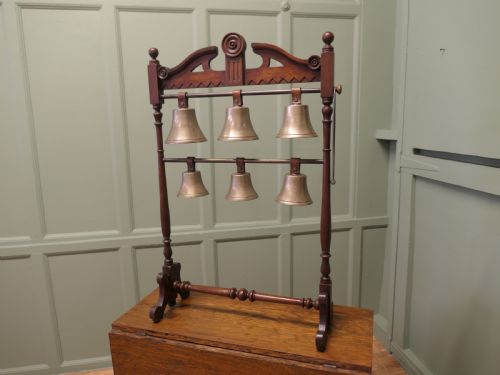
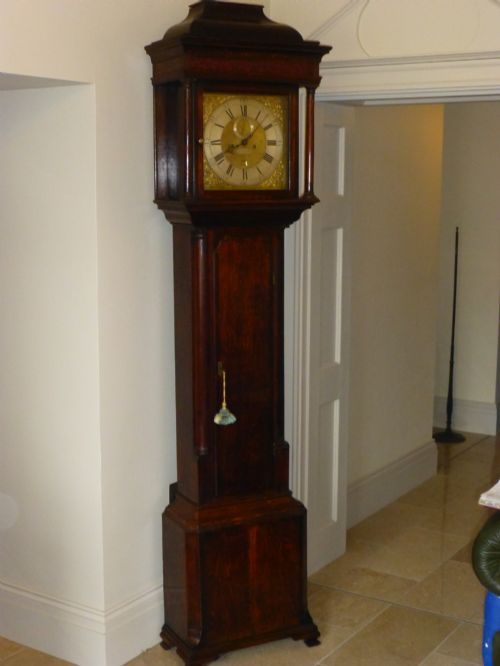
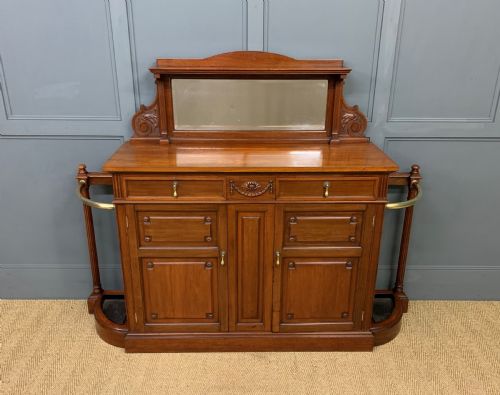
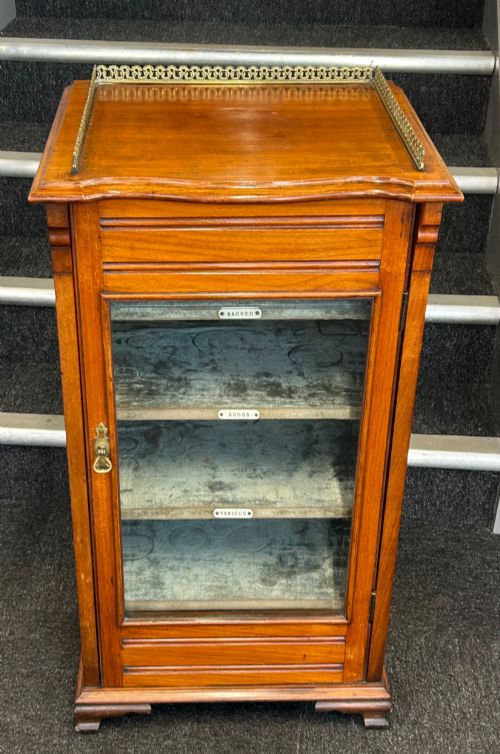
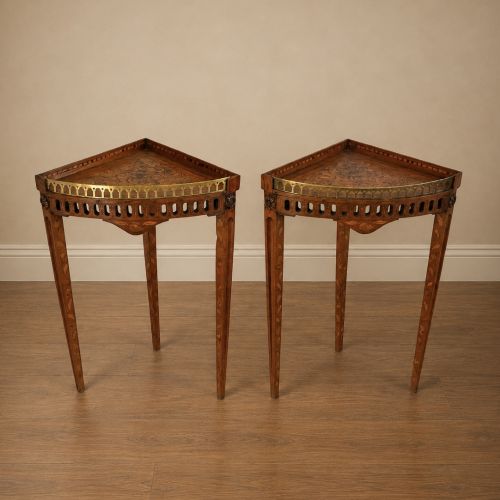
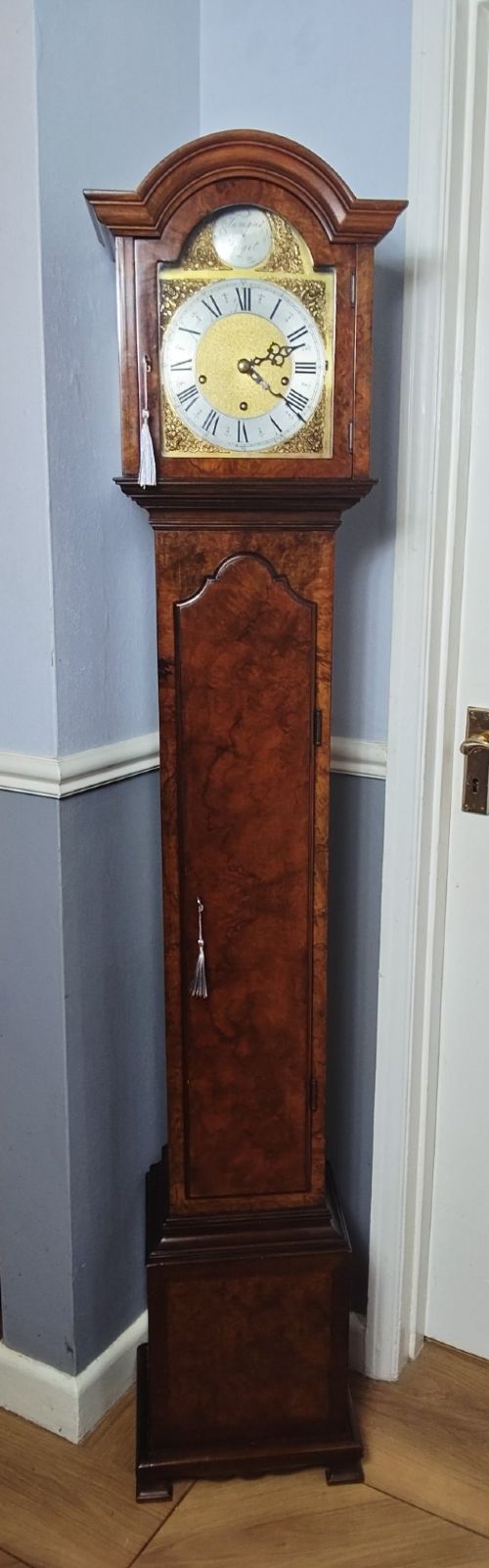
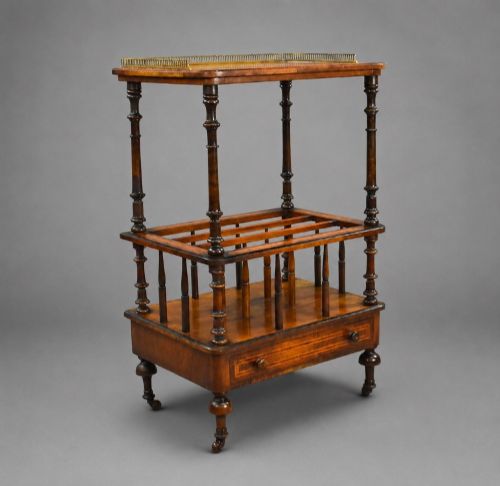
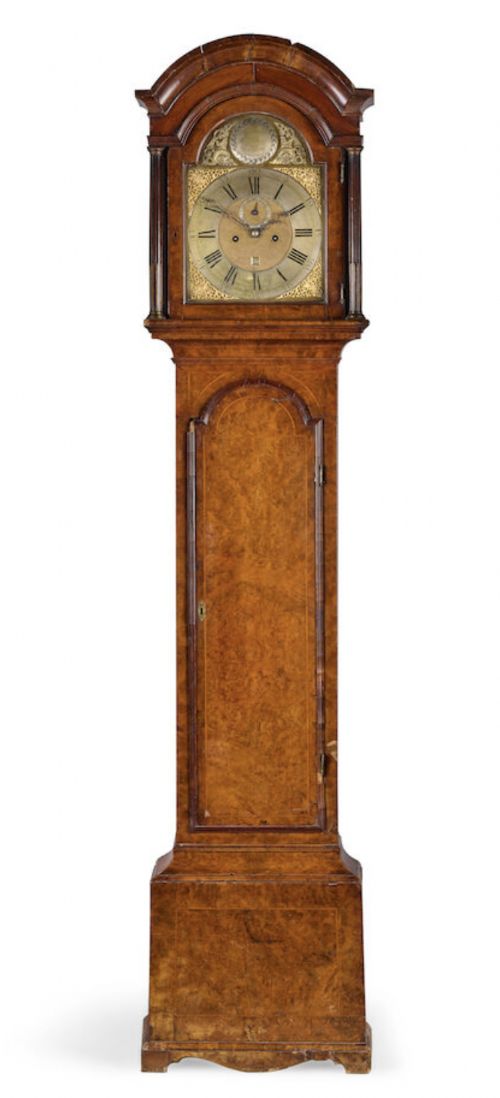
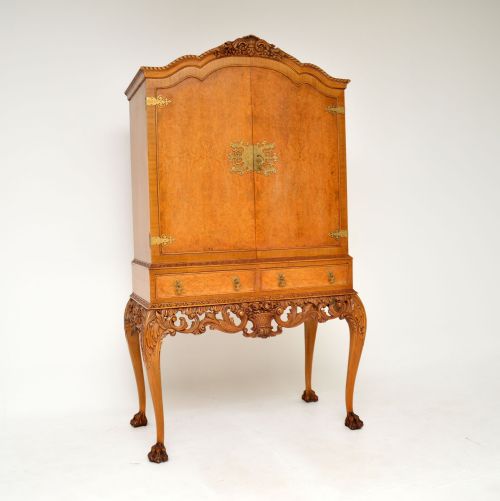
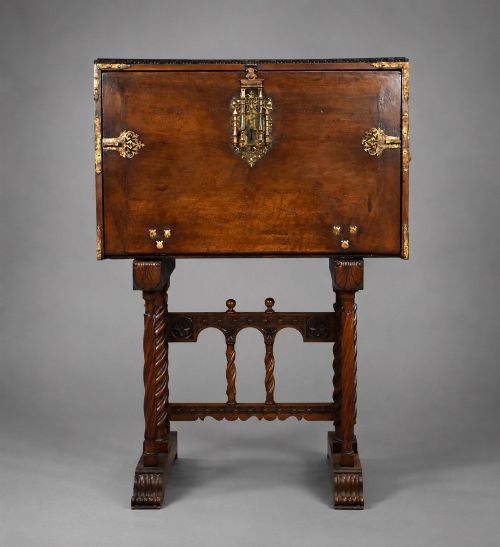
A brass and walnut stand encompasses items built to hold, display, or support objects using timber frames enhanced by metal fittings. The selection on this page ranges from utilitarian hall furniture and umbrella holders to tabletop desk accessories and jardinières.
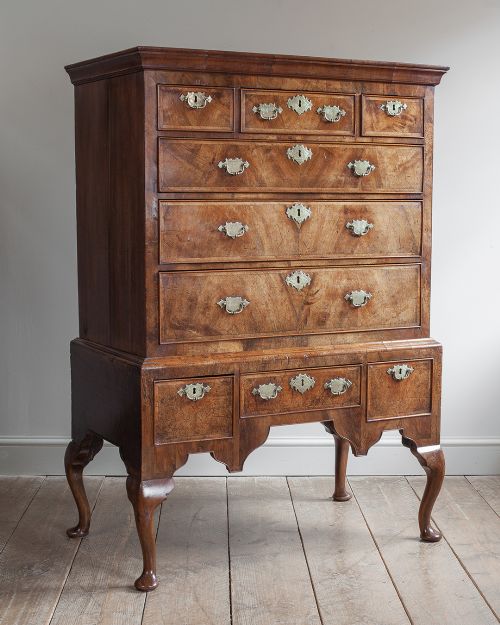
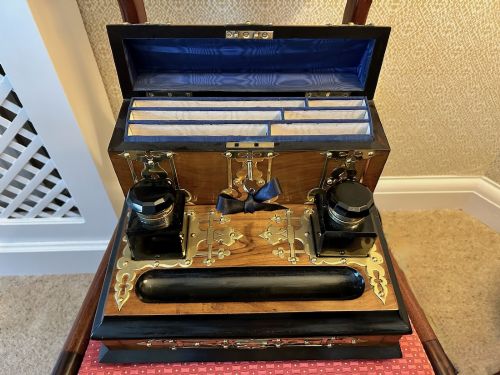
Victorian and Edwardian examples appear frequently, alongside Georgian and earlier pieces that employ burr walnut veneers, brass galleries, and mountings. Form follows utility across these eras, yielding items designed specifically for music sheets, books, inkwells, and plants.
Materials and Construction
Makers utilised solid walnut and decorative burr walnut veneers over secondary timbers like oak, applying marquetry and banding for surface pattern. Brass was cast, chased, or lacquered to form handles, galleries, feet, and structural mounts.
Joinery techniques varied by period, shifting from early pegged frames to later dovetailed boxes and turned or carved supports. Metal components were typically screw-fixed or pinned directly into the timber chassis.
Listings feature walnut, burr walnut, oak, mahogany, and satinwood combined with brass, ormolu, glass, and iron across multiple centuries.
Assessing Quality
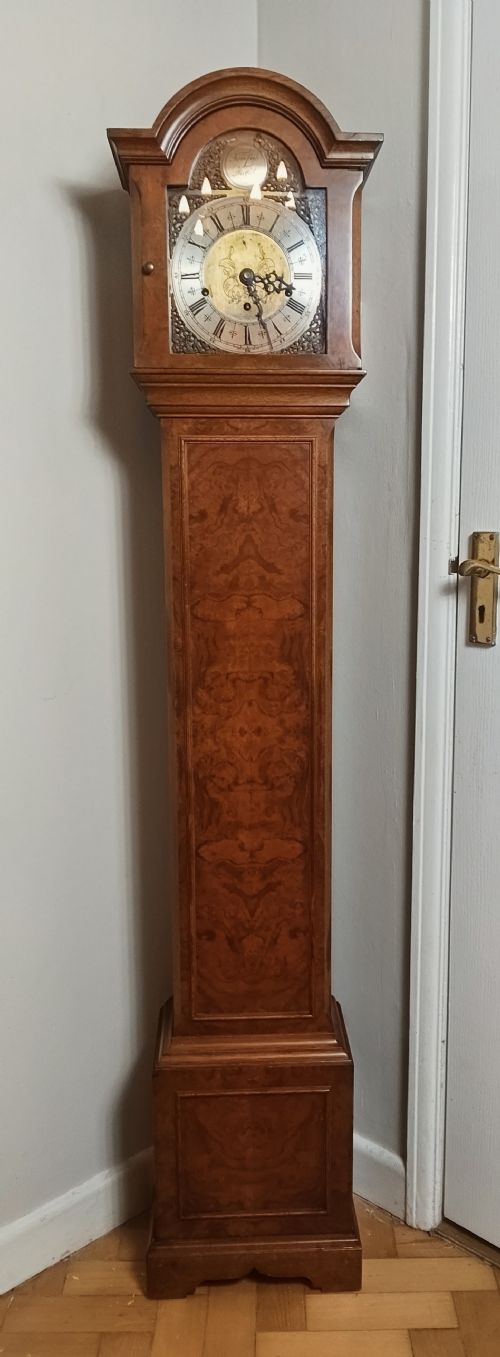
Quality rests in the selection of timber grain, particularly the depth and symmetry of burr walnut figures used on primary display surfaces. Superior pieces show crisp casting in their brass mounts and precise inlay work without gaps in the marquetry.
Construction integrity distinguishes better examples, seen in tight joints, original hardware, and balanced proportions that maintain stability under daily use.
Richard Corless of Stockport·Shoolbred and Co·Windmills and Wightman·Jas Shoolbred·Henry Massy·Nathaniel Pyne·Edin Burgis·Cauchoix Quai Voltaire a Paris
The Brass and Walnut Stand Glossary
- Burr walnut
- A veneer sliced from the gnarled growth of a walnut tree, prized for its swirling, highly figured grain patterns. It frequently covers the primary surfaces of superior Victorian and Georgian cabinets.
- Jardiniere
- An ornamental stand or container designed to hold potted plants and flowers. These often feature metal liners to protect the surrounding timber structure from water.
- Marquetry
- The art of applying decorative pieces of veneer to a structure to form intricate designs or pictures. Makers used various tinted woods and metals to create contrasting patterns.
- Ormolu
- Gilded bronze applied as decorative mounts, feet, or galleries on furniture. The technique creates a bright, gold-coloured finish that complements dark timber.
- Gallery
- A raised pierced metal or wooden border running along the edge of a shelf or tabletop. It prevents items from sliding off the surface.
Brass and Walnut Stand: Frequently Asked Questions
What is a brass and walnut stand used for?
These items serve various functional purposes around the home, acting as holders for umbrellas, walking sticks, sheet music, or desk stationery. Their dual materials provide both structural durability and decorative appeal.
Smaller examples sit on tabletops to organise inkwells and books, while larger floor-standing versions manage hallway accessories or support heavy planters.
How do I date a walnut and brass piece?
Dating relies on observing construction methods, hardware styles, and overall design characteristics. Earlier pieces often display hand-cut dovetails and cast brass work, whereas later Victorian and Edwardian examples show machine-made consistency.
Comparing the secondary timbers and the specific style of brass mountings against known period benchmarks helps narrow down the decade of manufacture.
How do I care for burr walnut and brass?
Burr walnut requires stable humidity levels to prevent veneer cracking or lifting, along with occasional applications of appropriate furniture wax to nourish the timber. Avoid placing these pieces in direct sunlight or near heat sources.
Brass components can be dusted with a soft cloth. Care must be taken during cleaning not to let metal polishes come into contact with the surrounding wood finish.
Are these stands suitable for modern homes?
Their compact footprints and functional designs allow them to integrate easily into contemporary hallways, studies, and living spaces. They provide practical storage while adding traditional texture.
Using a jardiniere or a small table in a modern room introduces historical character without overwhelming the existing layout.