



Brass and Glass Shelf
A brass and glass shelf brings clean, reflective surfaces and warm metal framing to interiors, offering a practical stage for small treasures.
Brass and Glass Shelf
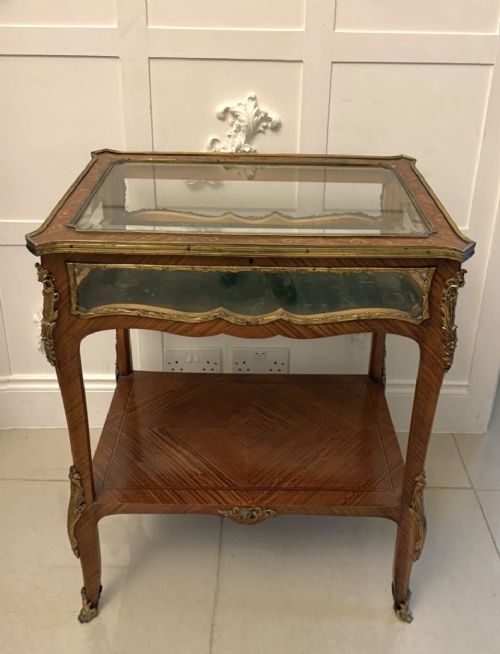
When searching for a brass and glass shelf, you encounter items ranging from tiered display stands and countertop units to étagère shelving units. These pieces serve both domestic and retail purposes, providing transparent tiers supported by metal frames.
The selection spans from Victorian and late nineteenth-century examples to pieces from the 1920s and mid-century. Many items utilise glass panels combined with brass, gilt bronze, or ormolu structures to create open display surfaces.
How they were made
Construction relies on joining metal frameworks of brass, gilt bronze, or iron with panes of glass. Artisans secured these transparent tiers within cast or fabricated metal supports, occasionally incorporating ebonised wood, marble, or enamel details.
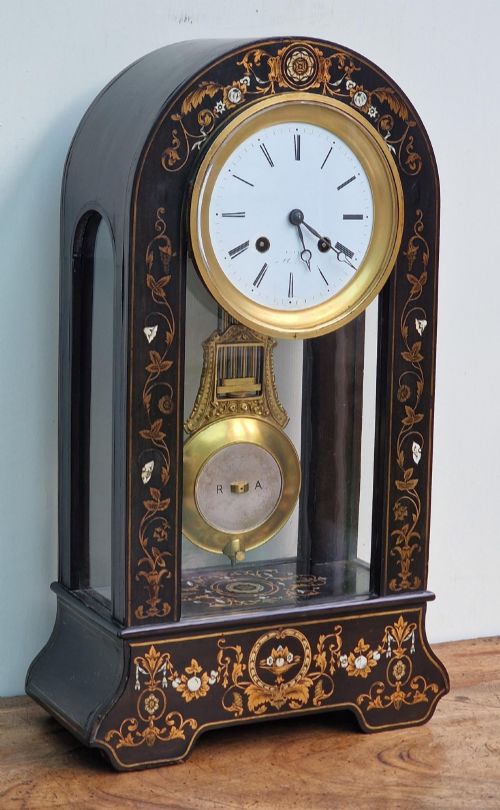
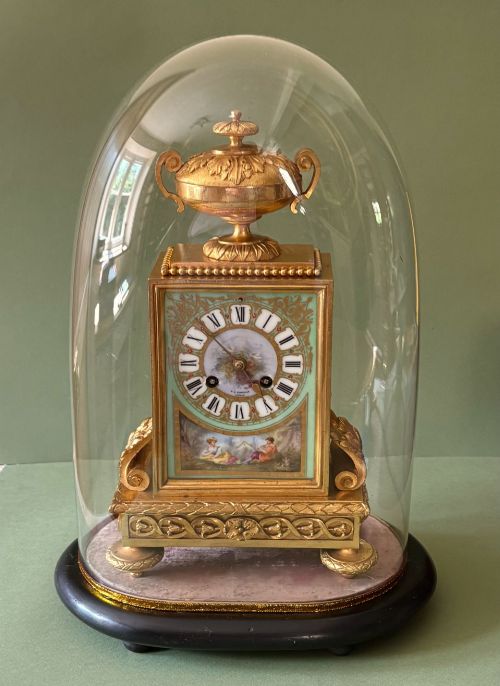
The manufacturing techniques visible across the listings include precision metal casting for clock cases and display stands, alongside framing methods used for jewellers' countertop shelves and etagere units. Metal components are frequently polished, gilt, or left with a natural bronze finish.
Brass and Glass Shelf Retail Price Guide 2026
Typical asking prices for brass and glass shelf among the pieces listed under this phrase on Sellingantiques today, from the lower quarter to the upper quarter. They describe what is for sale here now, not the wider market.
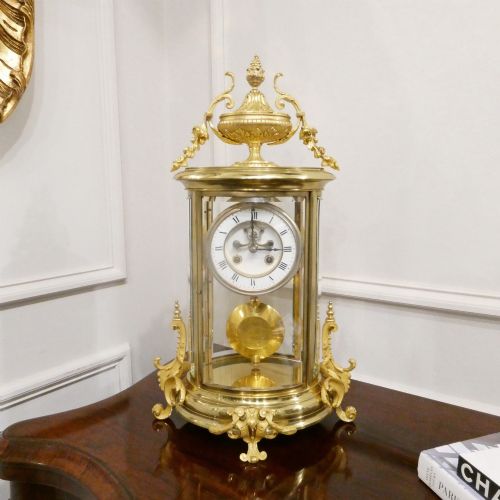
Some display stands doubling as clock housings let you watch the gears turn while deciding where to put your smallest porcelain.
What varies in quality
Quality shows in the weight and substance of the metal frame, alongside the clarity and thickness of the glass panes. Heavier castings in gilt bronze or ormolu display sharper chiselling and more refined proportions than lighter commercial alternatives.
The integration of secondary materials, such as enamel dials, mother of pearl accents, or fine marble bases, distinguishes higher-grade examples. Superior construction ensures that joints remain rigid and glass tiers sit securely within their metal housings.
Samuel Marti·Drocourt·L Epee France·Jaeger Le Coultre
The Brass and Glass Shelf Glossary
- Ormolu
- Gilded bronze used widely in decorative metalwork and clock framing. It involves applying a finely ground high-carat gold mercury amalgam to a bronze object before heating.
- Etagere
- A piece of furniture consisting of a set of open shelves for displaying small objects. These tiered units combine vertical metal supports with horizontal display surfaces.
- Gilt Brass
- Brass that has been treated with a thin layer of gold or gold-coloured wash to enhance its appearance. This finish provides the warmth of gold without the weight of solid precious metal.
- Crystal Regulator
- A clock housed within a glass-sided case that reveals the internal movement. These pieces utilise glass panels on multiple sides to maximise visibility.
Brass and Glass Shelf: Frequently Asked Questions
What is a brass and glass shelf?
A brass and glass shelf is a display unit or countertop stand constructed with a metal frame and transparent glass tiers. These pieces were utilised in homes and shops to exhibit small objects and timepieces.
Designs range from jewellers' countertop shelves to tiered etagere units originating from the late nineteenth century through to the 1920s.
How do I clean a brass and glass shelf?
Clean the glass panels using a standard glass cleaner applied with a soft cloth to avoid scratching the surface. Dust the metal framework gently with a dry duster.
Avoid abrasive chemical polishes on gilt or lacquered brass surfaces to preserve the original finish and protective coating.
Where were these shelves used?
These items served various roles in domestic parlours, cabinets, and commercial retail settings. Countertop versions were designed for jewellers and shops to present small goods to customers.
Domestic variants functioned as display stands and etageres for ornaments, clocks, and collected curiosities.
How do I date a brass and glass shelf?
Dating relies on stylistic markers, construction methods, and the types of metal alloys utilised in the frame. Pieces from the Victorian era and late nineteenth century often feature heavier cast brass or bronze work.
Items from the 1920s tend to show cleaner geometric lines typical of early twentieth-century display furniture and etagere units.