

Brass and Glass Cabinet
A brass and glass cabinet brings together transparency and metallic structure, offering a clear view of precious objects while framing them in polished metal.
Brass and Glass Cabinet
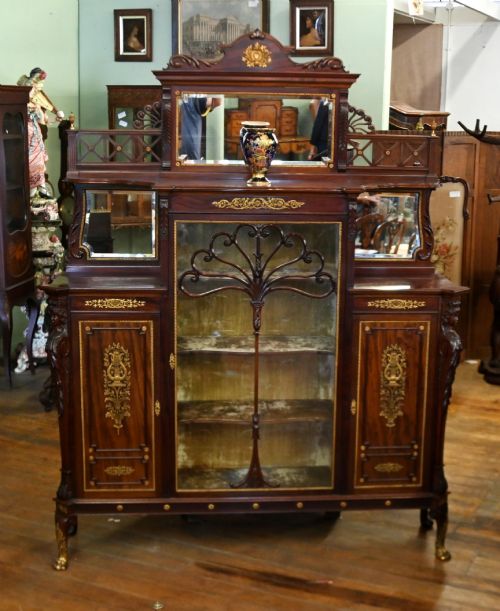
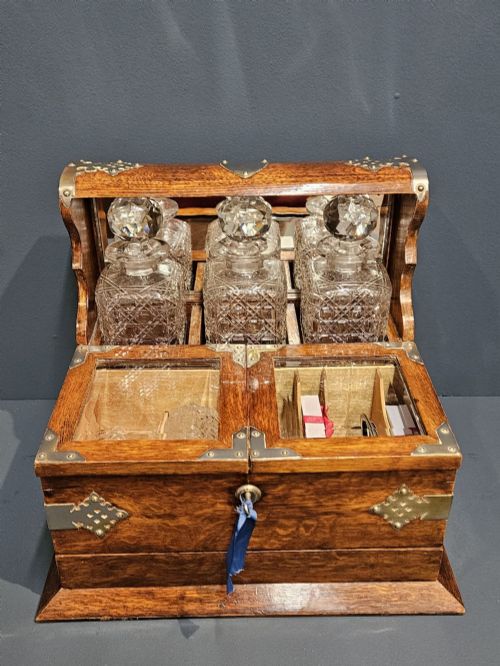
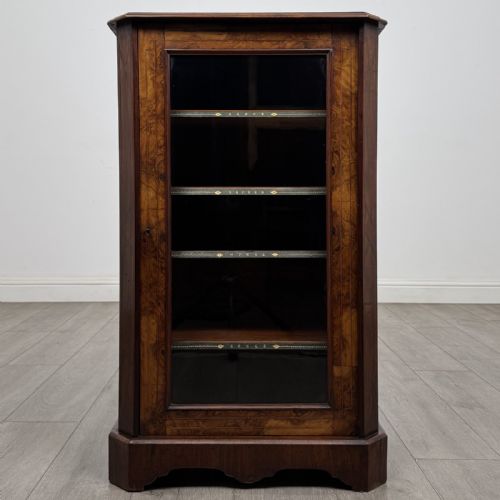
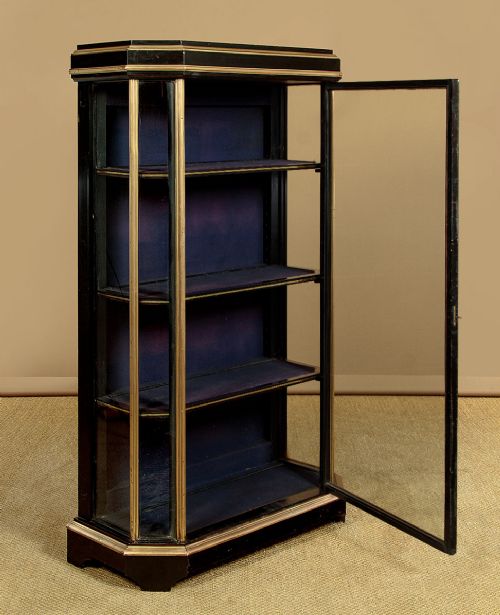
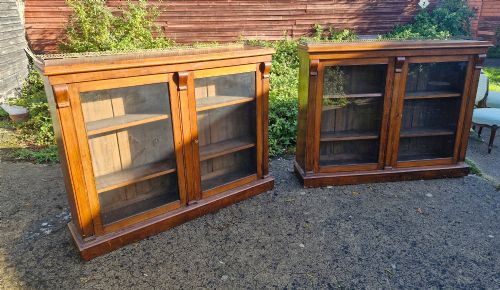
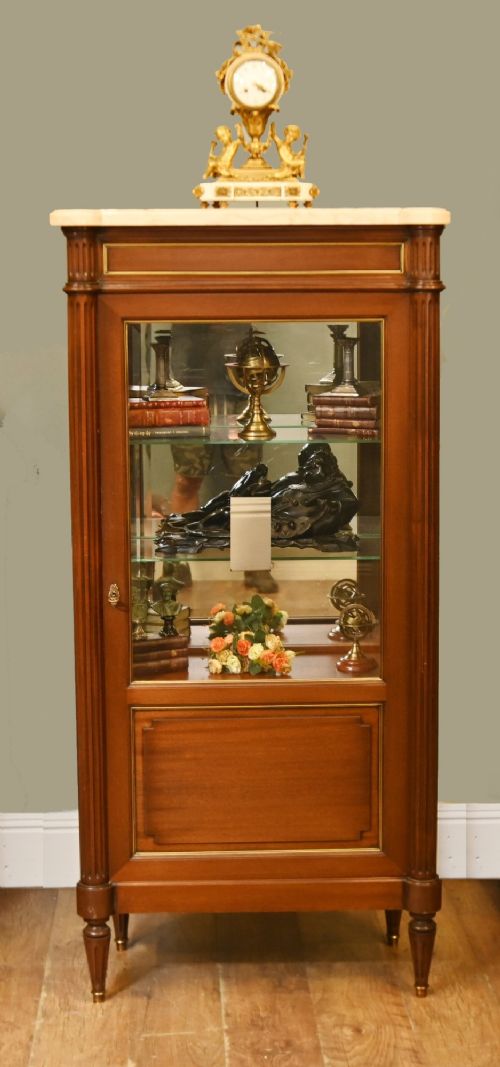
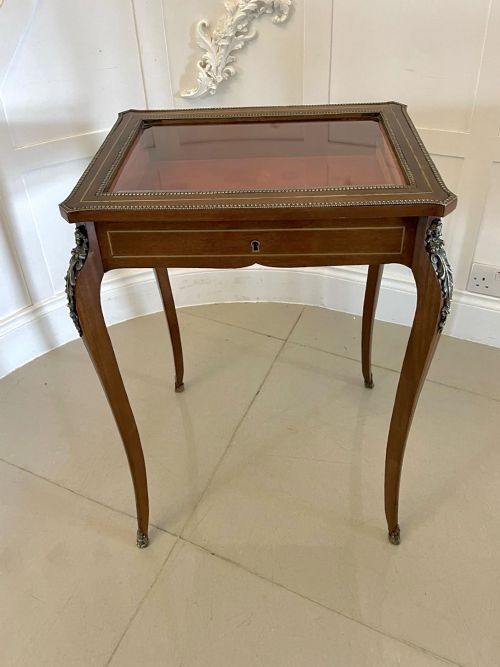
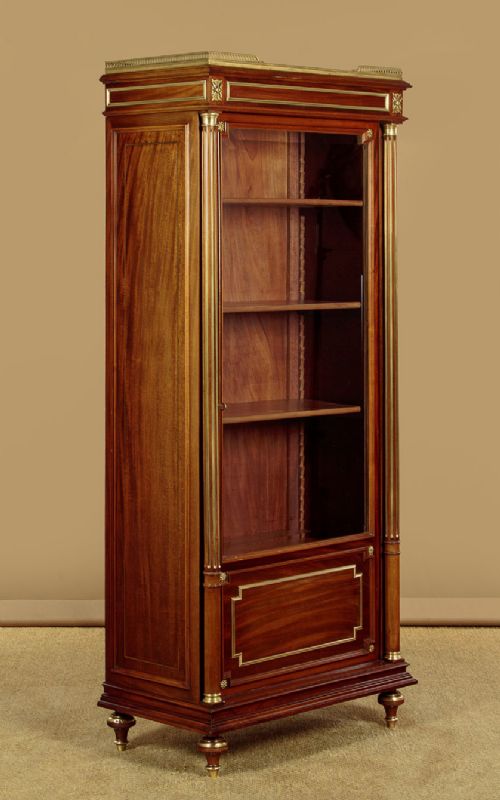
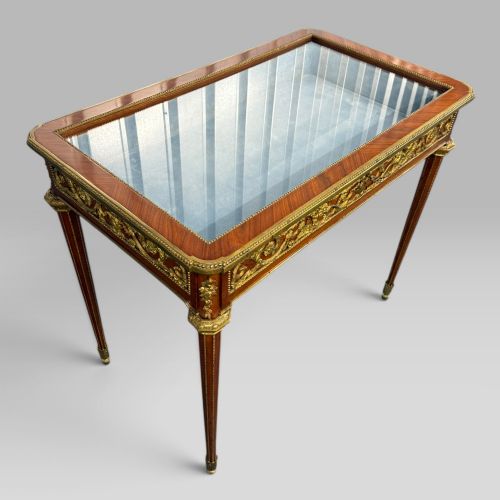
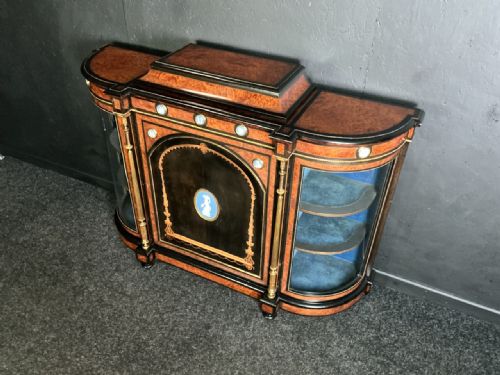
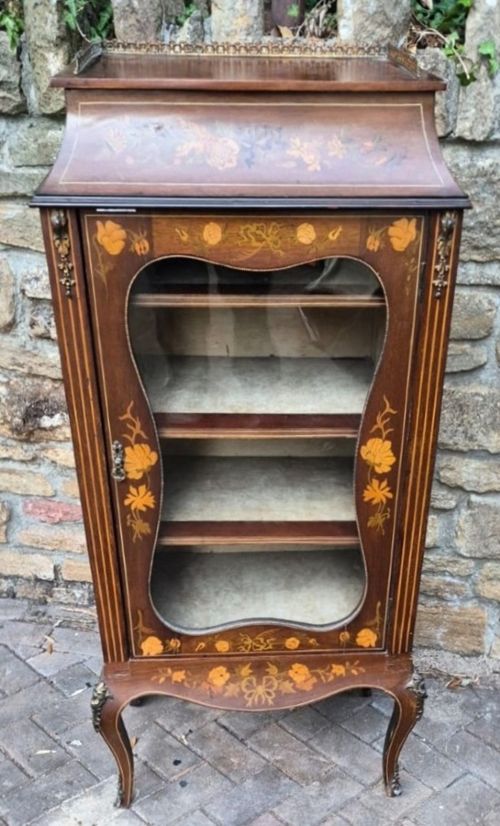
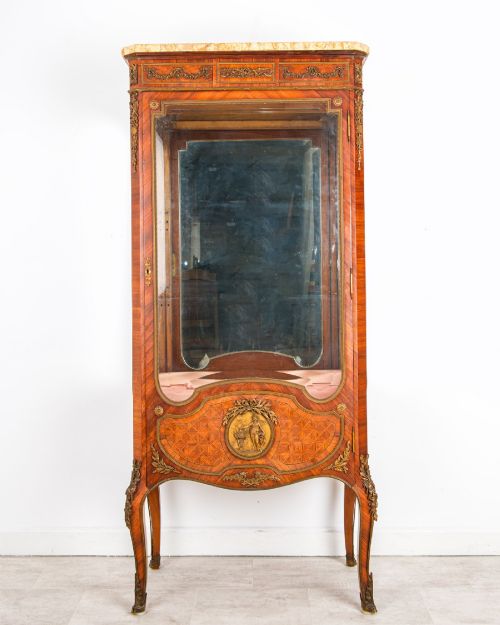
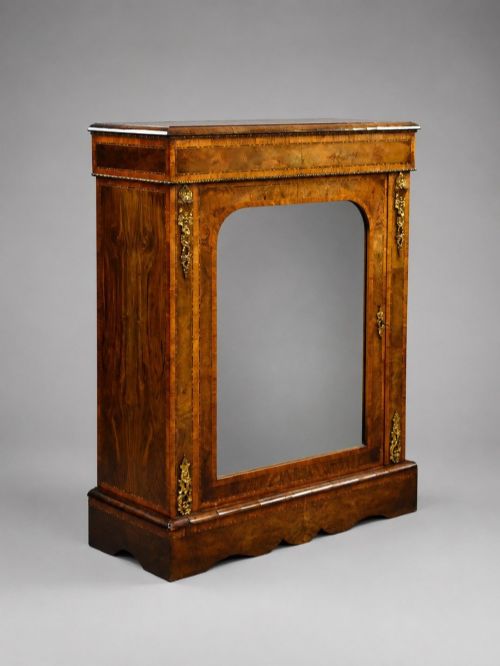
A brass and glass cabinet encompasses a wide array of display furniture designed to showcase ceramics, books, or spirits within domestic and commercial spaces. You will encounter forms ranging from freestanding vitrines and pier cabinets to specialised tantalus sets and shop display counters.
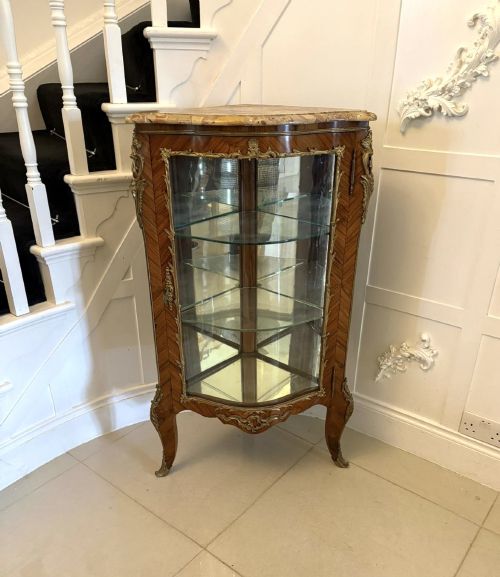
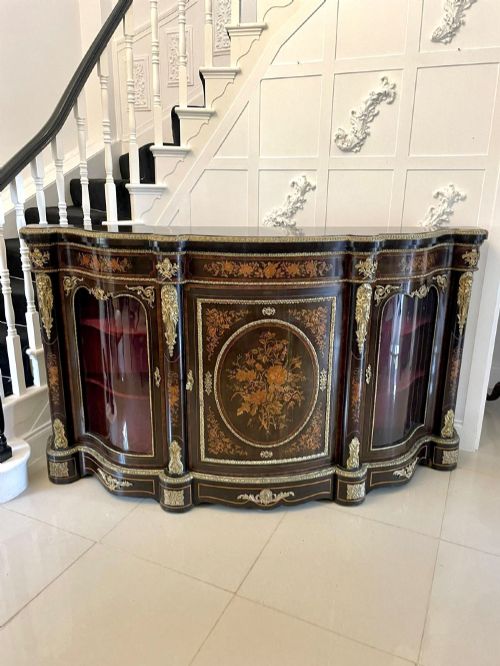
The pieces span the nineteenth century through the Edwardian era and into the early twentieth century, drawing heavily upon French stylistic revivals and English cabinet-making traditions. Many examples incorporate polished brass mounts, Ormolu, or inlay work to accentuate mahogany, walnut, or kingwood structures.
How they were made
Cabinet-makers utilised dense timber foundations such as mahogany, oak, rosewood, and kingwood, often applying veneers and marquetry panels to create decorative surfaces. Ebonised wood and amboyna also appear, providing dark contrasting tones for intricate brass inlays and Boulle work.
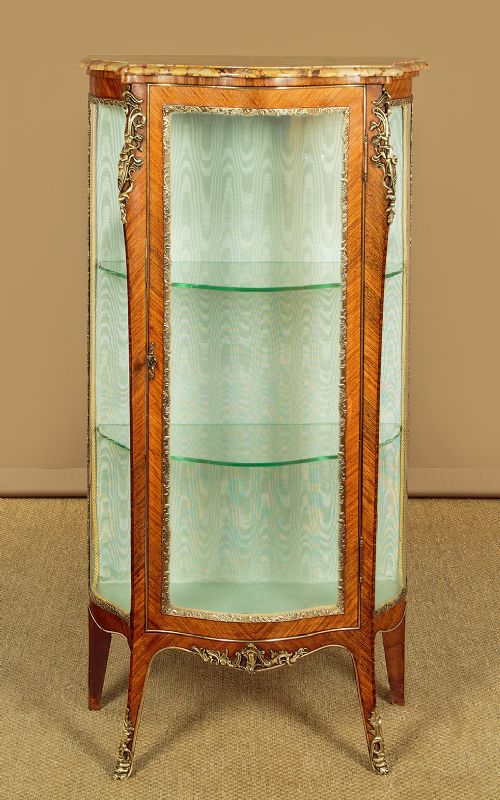
Structural embellishments relied on cast or chased ormolu and brass mounts fixed around glass panels, doors, and cornices. Joinery techniques accommodated large glazed areas, requiring sturdy frames to support heavy glass panes and marble tabletops.
Brass and Glass Cabinet Retail Price Guide 2026
Typical asking prices for brass and glass cabinet among the pieces listed under this phrase on Sellingantiques today, from the lower quarter to the upper quarter. They describe what is for sale here now, not the wider market.
Listings feature nineteenth-century French and English designs, utilising mahogany, oak, and kingwood alongside detailed brass and ormolu mounts.
What varies in quality
Quality rests upon the crispness of the brass and ormolu mounts and the precision of the timber inlay. Finer cabinets display hand-chased metalwork and seamless marquetry, whereas simpler pieces rely on stamped brass strips and plain wood surfaces.
François Linke·F. Sage & Co.·Paul Sormani
The Brass and Glass Cabinet Glossary
- Vitrine
- A glass-fronted cabinet designed specifically for displaying fine porcelain, curiosities, or small objects of art. These pieces typically feature all-glass sides to maximise light penetration.
- Ormolu
- Gilded bronze or brass applied as decorative mounts to furniture frames and clocks. This technique imparts a rich golden sheen that contrasts sharply with dark hardwoods.
- Tantalus
- A locked wooden stand holding decanters of spirits within a visible frame, permitting guests to view the bottles while preventing unauthorized pouring. They frequently incorporate brass handles and locking mechanisms.
- Marquetry
- The art of applying pieces of veneer to a structure to form decorative patterns and pictorial designs. Cabinet-makers used varied coloured woods to achieve floral and geometric motifs.
- Boulle
- A form of marquetry utilising tortoiseshell and brass inlay, named after the master cabinet-maker André-Charles Boulle. It creates a shimmering, highly reflective surface pattern.
- Pier Cabinet
- A low cabinet designed to stand against the wall space between windows. These are often fitted with glass doors and velvet-lined interiors.
Brass and Glass Cabinet: Frequently Asked Questions
What is a brass and glass cabinet used for?
These cabinets served historically to display precious collections of ceramics, glassware, and books while protecting them from dust. Today, they continue to function as primary display pieces within living spaces.
Their transparent panels and reflective mirrored interiors allow light to pass through, illuminating the items arranged on the shelves.
How do I care for wooden surfaces and brass mounts?
Maintenance requires gentle dusting with a soft cloth and avoiding harsh chemical polishes that can damage antique wood finishes. Brass and ormolu mounts should be cleaned sparingly to preserve their natural patination.
Keeping the cabinet away from direct sunlight and stable humidity levels protects both the veneer and the internal fabric linings.
How do I distinguish Victorian from Edwardian pieces?
Victorian cabinets generally display heavier proportions, darker woods, and more ornate carvings or complex marquetry. They often lean towards revival styles influenced by French court aesthetics.
Edwardian examples tend to exhibit lighter construction, simplified lines, and brighter mahogany or satinwood tones, reflecting changing domestic tastes towards airier interiors.
What is the difference between a vitrine and a pier cabinet?
A vitrine is constructed with glass panels on multiple sides to give an unobstructed view of the contents from various angles. These are typically freestanding display vessels.
A pier cabinet was specifically shaped to fit the narrow wall space between two architectural openings or windows, often featuring a single glazed door and a flat back.