

Brass and Crystal Light
A brass and crystal light brings sparkling illumination to a room through polished metal frames and hanging glass prisms.
Brass and Crystal Light
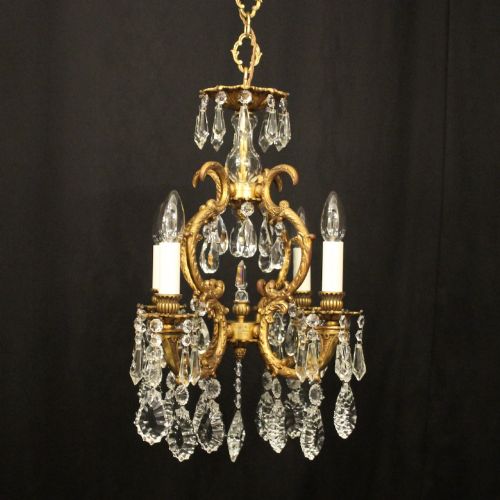
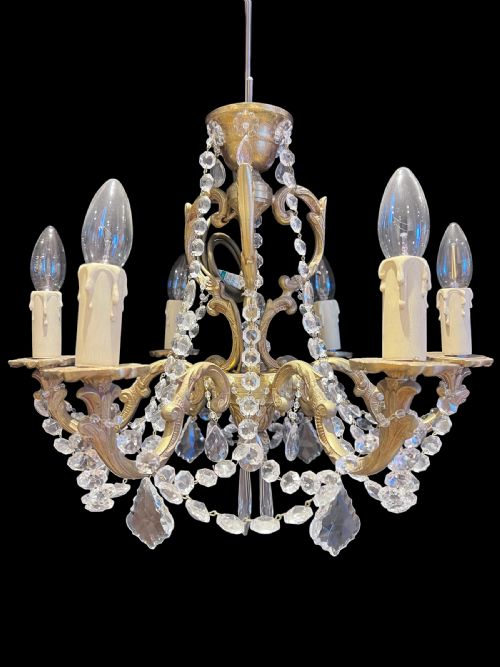
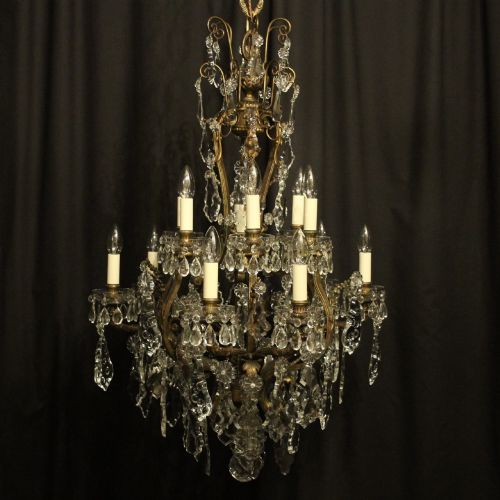
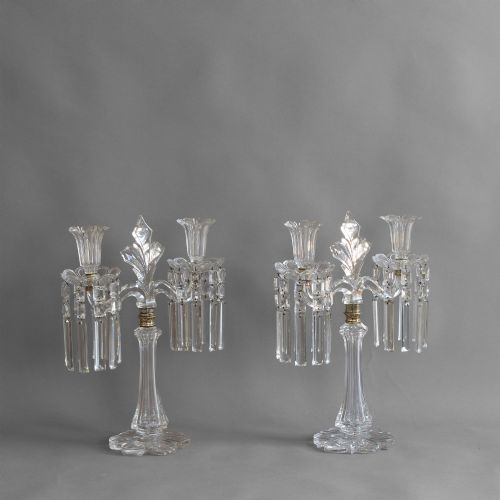
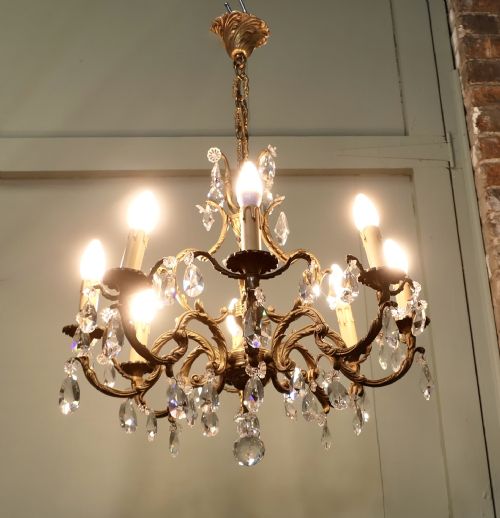
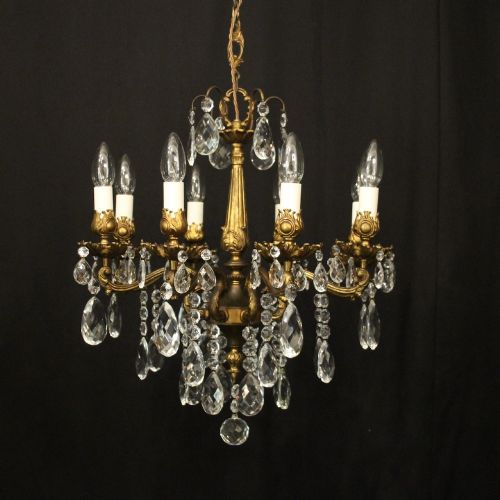
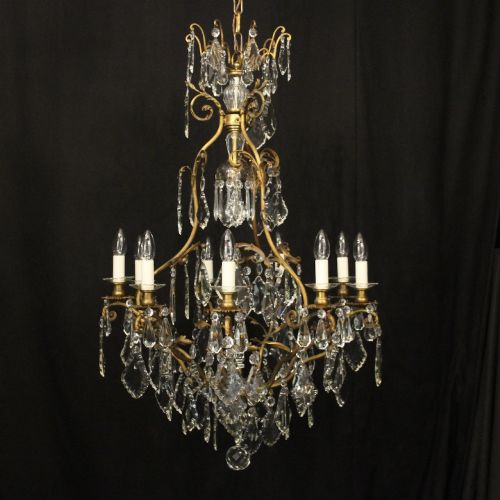
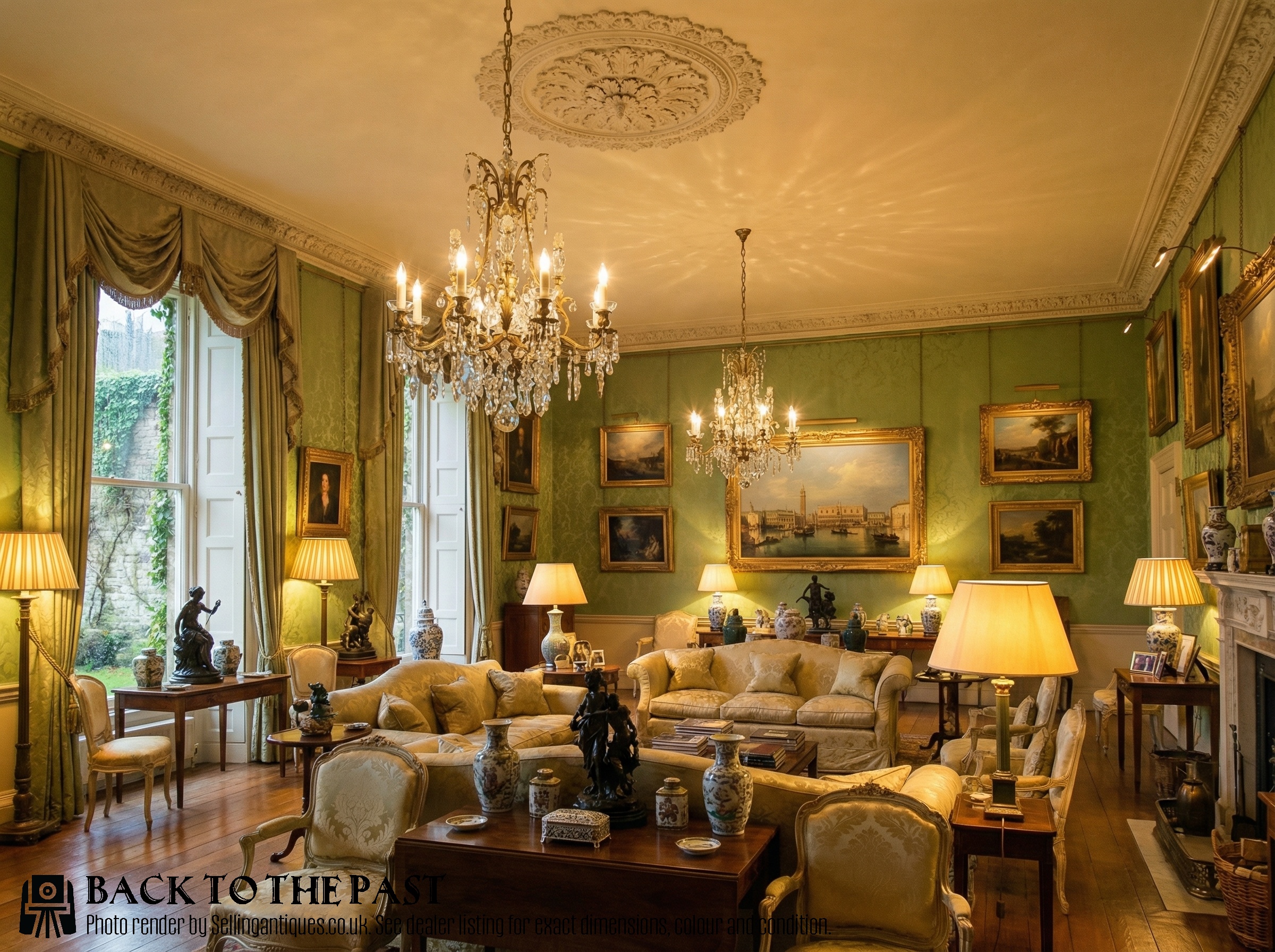
When searching for a brass and crystal light, buyers encounter a wide variety of illuminating fixtures designed for ceilings and walls. The selection centres heavily on grand chandeliers, ceiling lights, and wall sconces originating from the nineteenth and early twentieth centuries. French and Italian workshops dominate the available forms, ranging from multi-armed chandeliers to compact flush-mounted plafonniers.
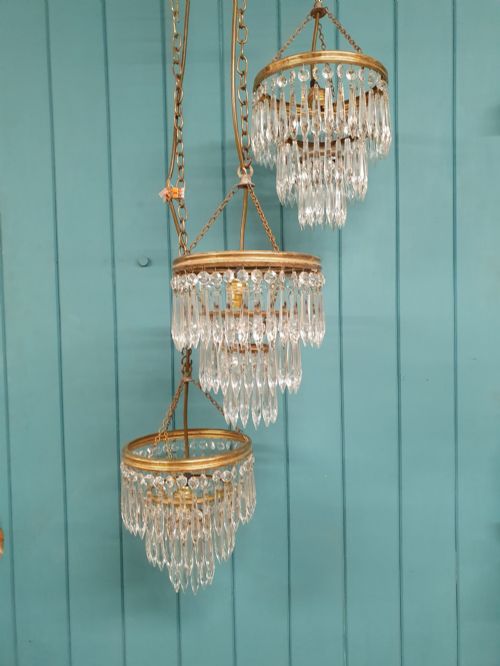
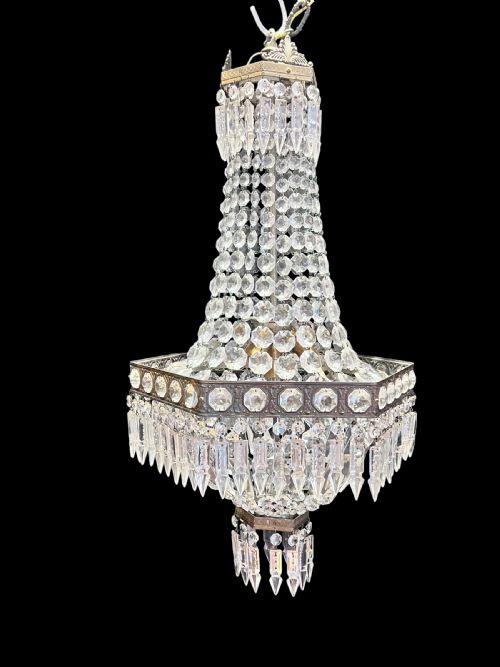
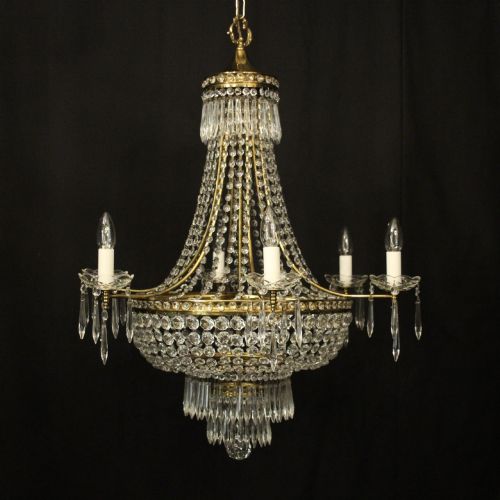
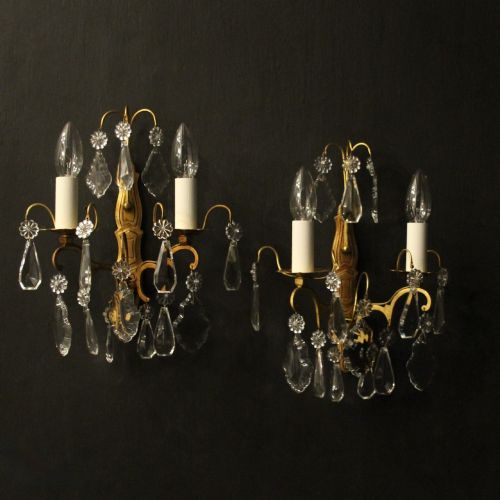
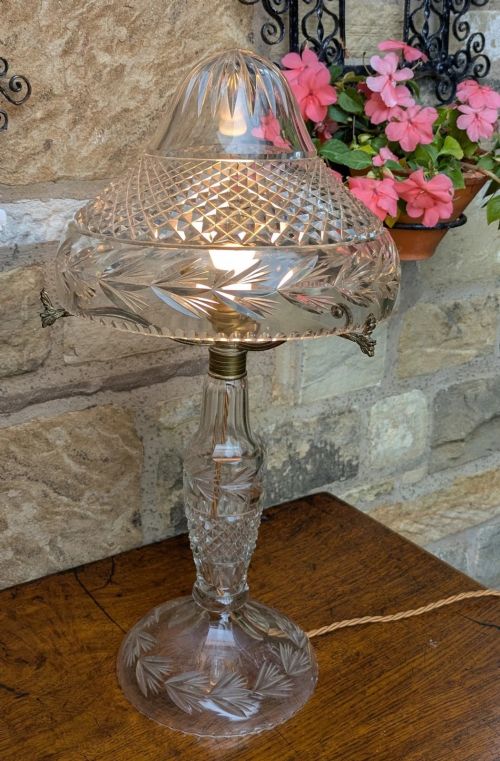
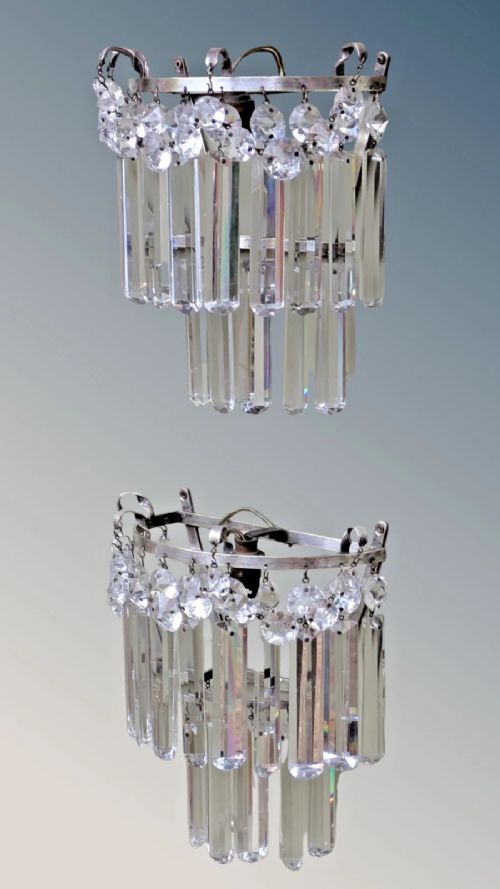
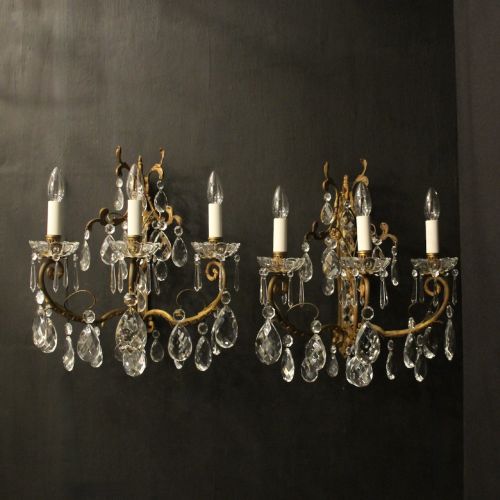
The most common versions met on this page are French multi-light chandeliers and wall lights dating from the Edwardian era up to the 1930s. These pieces frequently incorporate tent and waterfall configurations, basket frames, or simple brass arms hung with cut crystal drops. Wall lights and table lamps also appear regularly, offering smaller proportions for intimate spaces while retaining the signature sparkle of polished metal and glass.
Construction and materials
The foundation of these fixtures relies on brass, gilt bronze, or gilt metal frames shaped into arms, rings, and decorative mounts. Workshops cast or stamp the metal components, often applying a gilt finish to enhance the reflective quality of the piece. These structural frames support the electrical or candle-holding branches while providing secure anchor points for the glass elements.
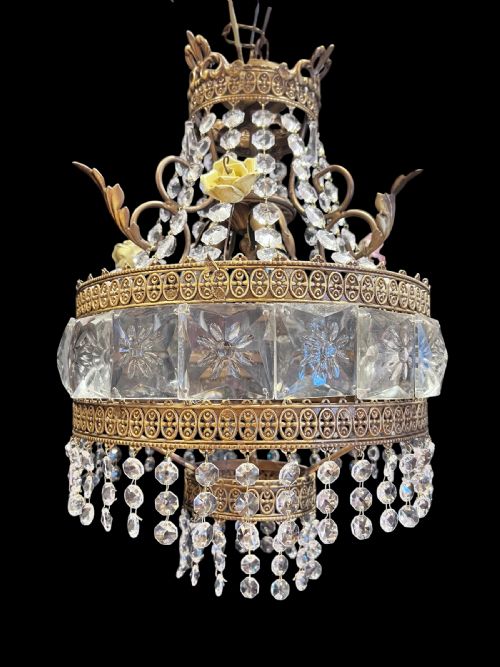
Cut glass and crystal elements hang from the metal skeletons using wire loops or pins. Prisms, pendants, lustres, and beads are faceted to refract light in multiple directions, creating the characteristic brilliance associated with these fixtures. Some variations incorporate additional decorative details such as porcelain flowers, amethyst glass, or carved wooden elements.
Several chandeliers hide their metal skeletons entirely beneath cascading cascades of glass beads, miniature fruit, and carved crystal acorns.
Distinctions in craftsmanship
The refinement of the cast metalwork separates the upper tier of fixtures from standard production. Superior examples display crisper chasing on gilt bronze mounts, heavier gauge brass frames, and intricate detailing such as leaf decoration or figural elements. Lesser pieces rely on simpler, stamped metal parts with minimal hand-finishing.
The cut and clarity of the crystal components also determine the overall standard of a piece. High-quality fixtures utilise heavy, hand-cut crystal drops with sharp facets that catch the light cleanly, whereas simpler items feature machine-pressed glass with softer edges. The density of the hanging prisms and the complexity of the arrangement further distinguish a grand salon chandelier from a modest domestic light.
The Brass and Crystal Light Glossary
- Plafonnier
- A ceiling light fixture that mounts directly flush against the ceiling surface rather than hanging on a suspension chain. These often feature a glass or crystal dome held by a brass frame.
- Tent and waterfall chandelier
- A lighting form characterised by a tight cluster of upper crystal strands forming a tent shape above a wider, cascading tier of hanging prisms. This configuration maximises the prismatic refraction of light.
- Lustre
- A hanging glass pendant or prism used on chandeliers and wall lights. These drops come in various shapes, including spear, teardrop, and coffin prism designs.
- Birdcage chandelier
- A metal-framed lighting fixture shaped with curved vertical straps resembling an avian enclosure. Crystal strands drape over this open framework to create a distinctive cylindrical silhouette.
Brass and Crystal Light: Frequently Asked Questions
How do I clean a crystal chandelier?
Cleaning requires a gentle hand and a specialised spray solution applied directly to the glass drops while protecting the metal frame. Many collectors prefer to clean each prism individually in place using a lint-free cloth to maintain the stability of the hanging wire.
Harsh chemical cleaners should be avoided as they can strip the gilt finish from the brass structure. Regular dusting helps prevent the accumulation of grime that dulls the sparkle of the cut glass.
Are these lights wired for modern electricity?
Most antique fixtures found on the market have been adapted for contemporary electrical standards during their lifetime. Rewiring is often updated to accommodate standard bulb fittings while preserving the original aesthetic of the piece.
Buyers should inspect the internal wiring upon acquisition to ensure it meets local safety regulations. Professional installation by an electrician is recommended for heavier bronze and crystal chandeliers.
How do I date a brass and crystal light?
Dating relies on examining the construction methods of the metal frame, the style of the chasing, and the cut of the crystal prisms. Edwardian and early twentieth-century pieces often display lighter brass stampings and machine-cut elements, whereas nineteenth-century examples frequently feature heavier gilt bronze.
Stylistic cues such as the presence of Marie Theresa frames, Florentine flourishes, or Empire motifs also provide clear indicators of the period of manufacture.
Can I hang a heavy chandelier from a normal ceiling?
Heavily constructed gilt bronze and crystal chandeliers require substantial ceiling support rather than a standard electrical box. Weight distribution must be anchored directly into ceiling joists using appropriate steel brackets or hooks.
Consulting a professional installer ensures the structural integrity of the ceiling can bear the load of multi-branch metal and glass fixtures safely.