




Brass and Copper Bin
A brass and copper bin brings warmth to a hearth, combining durability with the rich tones of beaten metal.
Brass and Copper Bin
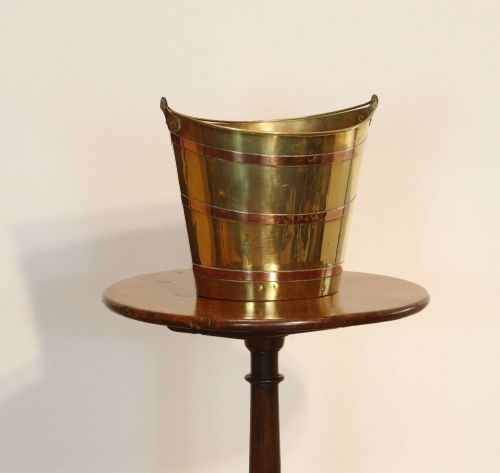
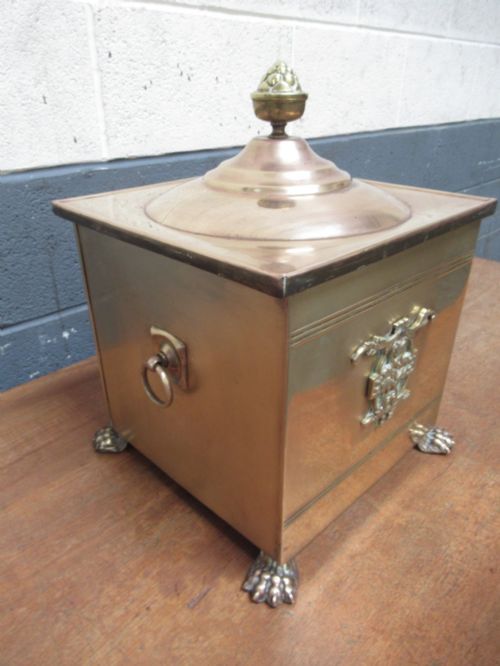
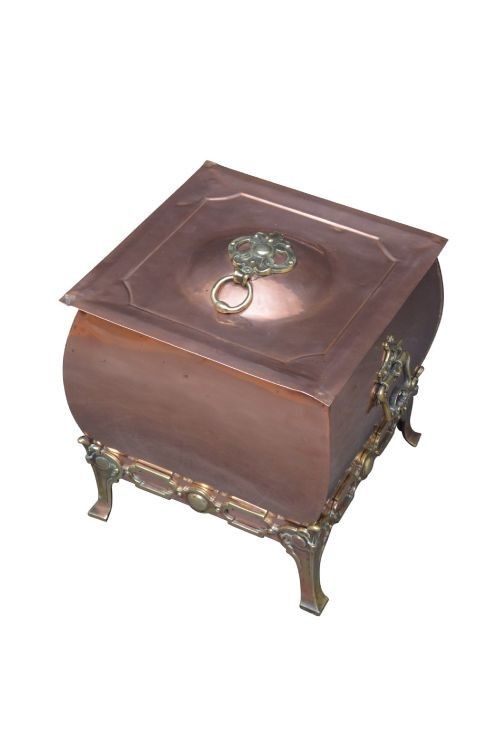
A brass and copper bin serves primarily as a receptacle for coal, logs, or kindling beside the fireplace. On this page, the Victorian iteration dominates, alongside Georgian examples and Arts and Crafts pieces.
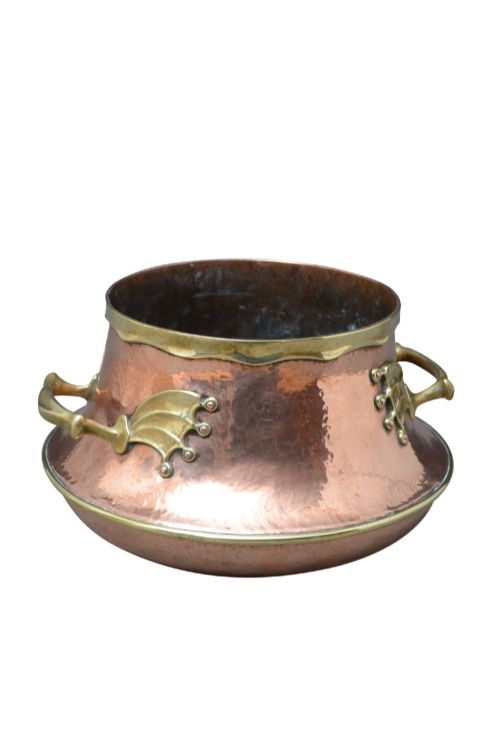
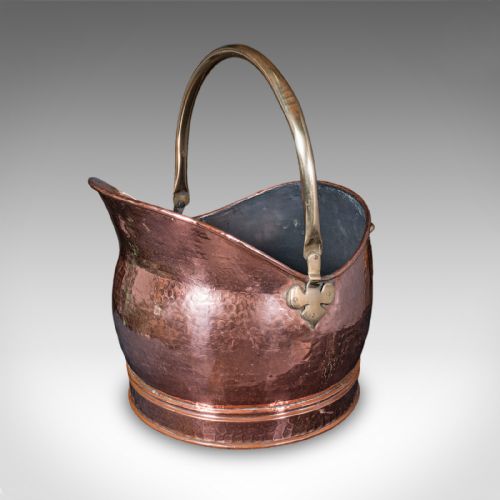
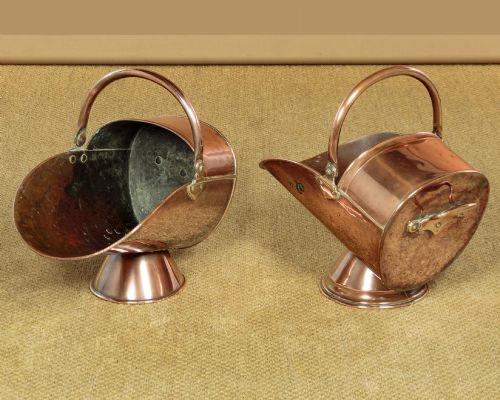
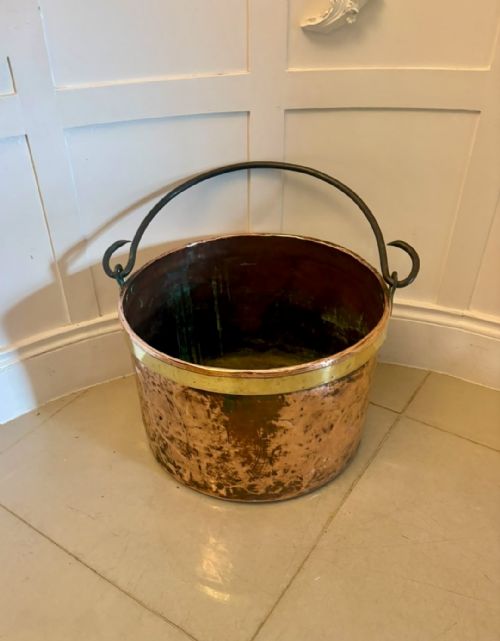
Many items double as planters, jardinières, or umbrella stands due to their robust construction and watertight metallic bodies. Buyers encounter varied forms ranging from helmet scuttles to large cylindrical log buckets.
Materials and construction methods
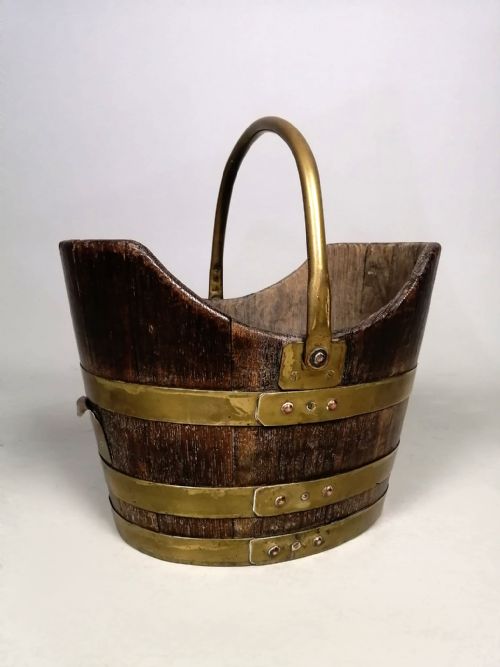
Coopers and metalworkers shaped sheet copper and brass over iron or wooden internal structures, often joining seams with rivets. Handles, feet, and decorative bands utilised cast brass for contrast against the softer red copper.
Surface decoration relied on hand-beating, hammering, and embossing to create relief patterns on the metal body. Artisans finished these vessels by polishing the brass components while leaving the copper to age naturally.
Brass and Copper Bin Retail Price Guide 2026
Typical asking prices for brass and copper bin among the pieces listed under this phrase on Sellingantiques today, from the lower quarter to the upper quarter. They describe what is for sale here now, not the wider market.
The listings span from the 18th century through the Art Deco period, uniting oak, wrought iron, brass, and copper.
Distinctions in standard and execution
Quality rests in the thickness of the metal sheet and the integrity of the riveted or dovetailed joints. Heavier gauge copper resists denting and maintains structural rigidity when filled with heavy logs.
Refinement shows in the detailing of cast brass handles, such as lion masks, and the crispness of hand-hammered panels. Pieces bearing maker marks or specific stylistic attribution from the Arts and Crafts movement command greater attention.
William Soutter & Sons·Gebruder Bing
The Brass and Copper Bin Glossary
- Dinanderie
- Objects made of brass, copper, or bronze, often associated with the decorative metalwork of the Middle Ages onwards. The term describes vessels hammered or cast into domestic forms.
- Helmet scuttle
- A coal container featuring a flared rim and a pivoting handle, shaped vaguely like a traditional helmet for easy pouring. These usually include a small foot and a fixed rear handle.
- Jardinière
- An ornamental pot or stand designed to hold growing plants or flowers. In metalwork, these share identical forms with log bins and water barrels.
- Coal hod
- A bucket or scuttle specifically designed for carrying and storing coal near a fireplace. They frequently incorporate iron or oak internal reinforcements.
Brass and Copper Bin: Frequently Asked Questions
What is the difference between a log bin and a coal scuttle?
A log bin is typically a wide, straight-sided cylindrical bucket designed to hold larger pieces of firewood by the hearth. These often feature robust drop handles for two-handed lifting.
In contrast, a coal scuttle possesses a funnel-shaped or helmet-like profile intended for scooping and pouring smaller fuel directly onto a fire. Scuttles usually rely on a single pivoting top handle and a smaller rear grip.
How do I clean a brass and copper bin?
Washing the metal surfaces with warm soapy water removes accumulated dust and soot without harming the historic patina. Avoid abrasive metallic wools that scratch the soft copper surface.
Polishing should be approached with caution, as many collectors prefer the dark oxidation accumulated over a century. If brighter brass details are desired, apply a mild metal polish strictly to the brass elements.
Can these bins be used for plants?
Many of these metal vessels serve successfully as indoor planters or jardinières due to their robust watertight construction. Placing a protective plastic liner inside prevents stagnant moisture from corroding the interior base.
Drainage is generally absent in these antique containers, so watering must be measured carefully to protect the surrounding floor.
How do I date a Victorian piece?
Victorian metalwork often displays characteristic machine-rolled seams alongside traditional hand-beating as industrial manufacturing advanced during the nineteenth century. Stylistic cues such as heavy embossed floral motifs or lion mask handles typically point towards the middle and late decades of the era.
Examining the construction of the base and interior rivets helps differentiate mid-century craftsmanship from later twentieth-century reproductions.