


Brass and Bronze Figure
A brass and bronze figure brings solid metal weight and detailed casting into a room, spanning nineteenth-century European ateliers and Asian shrines.
Brass and Bronze Figure
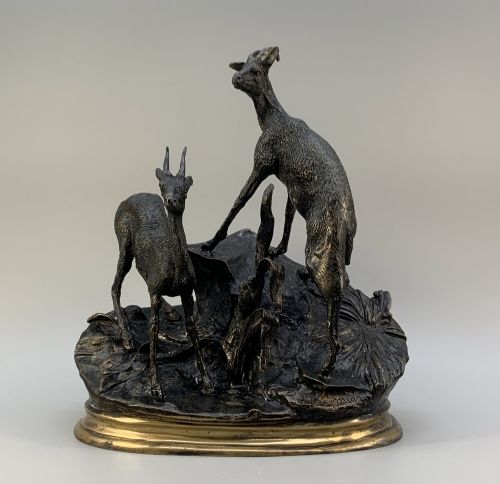
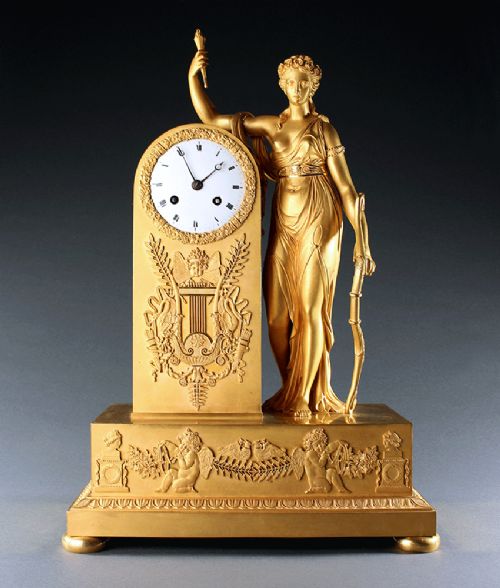
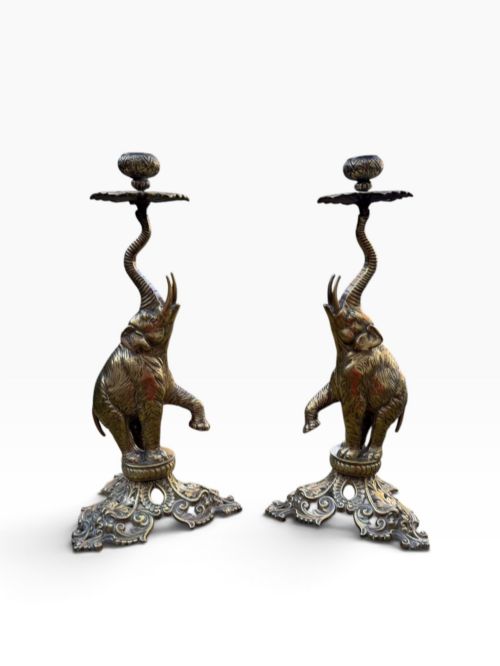
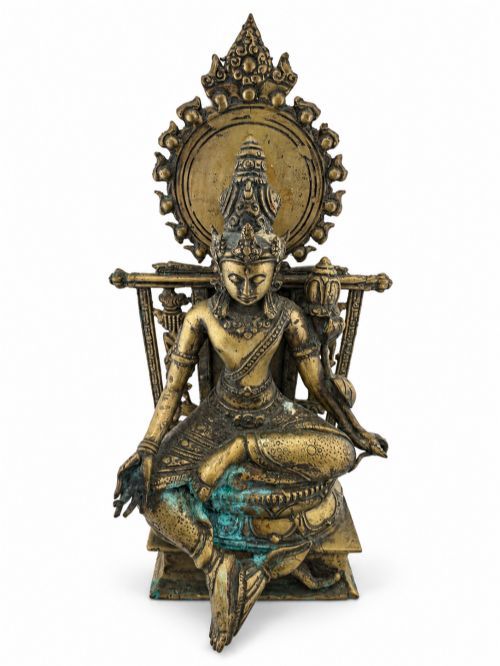
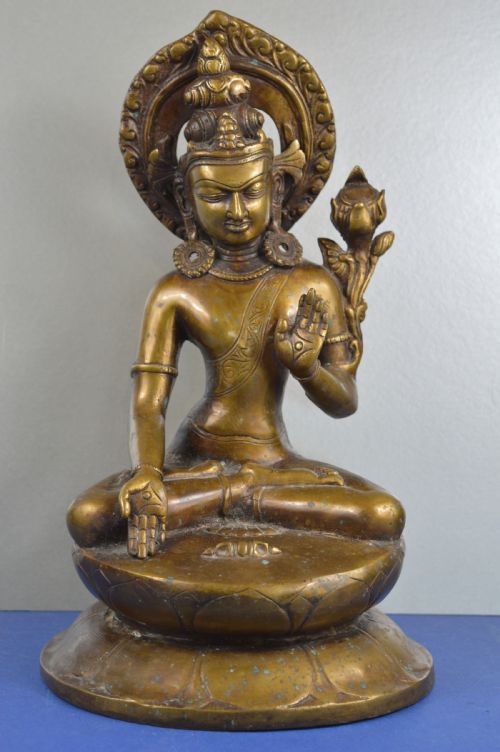
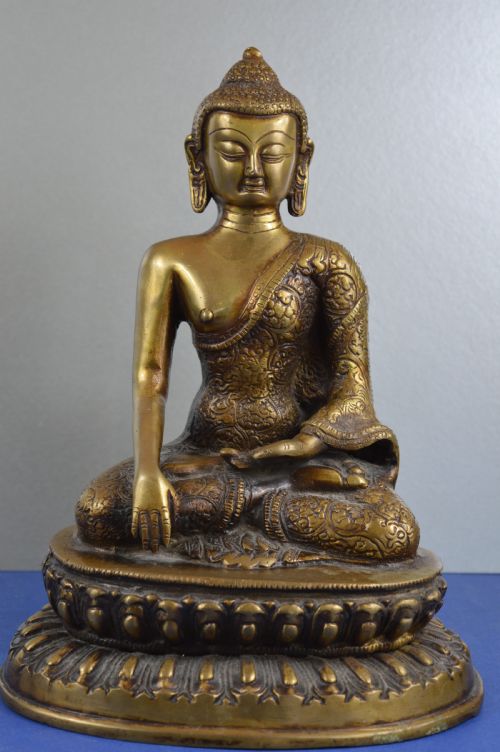
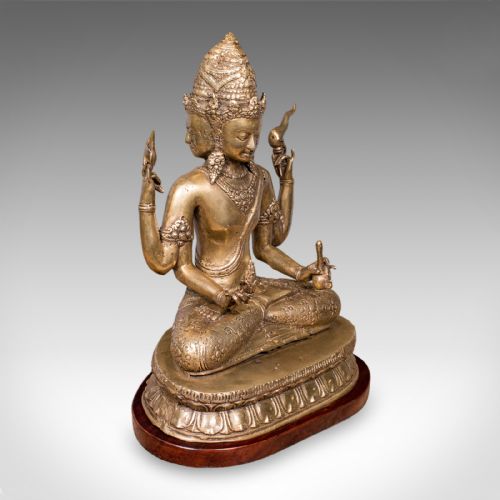
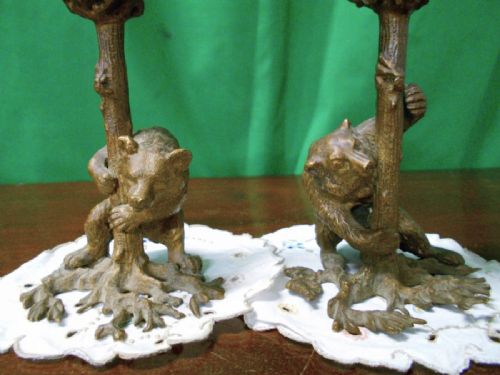
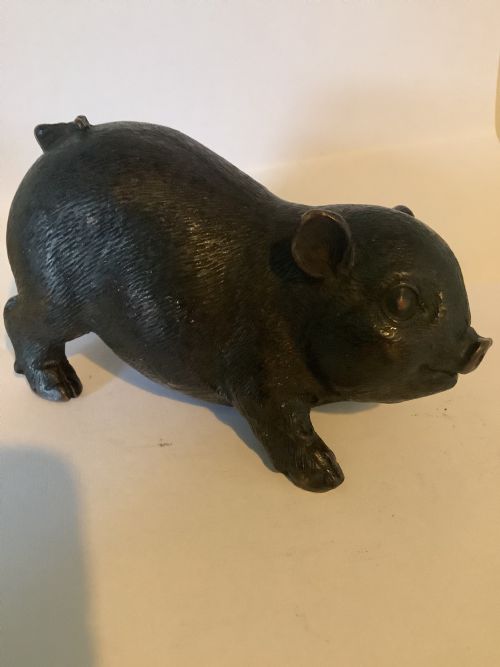
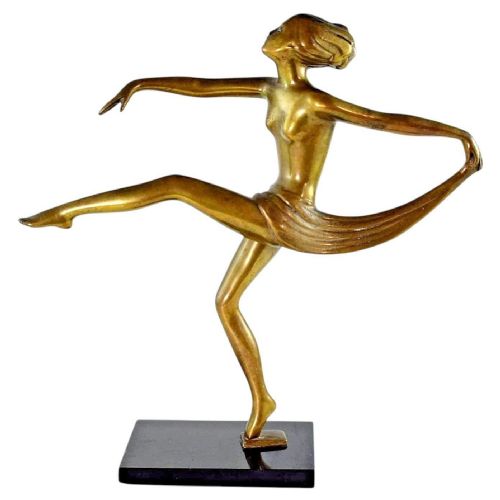
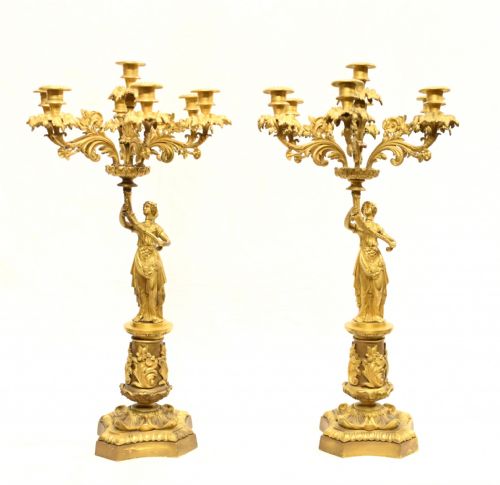
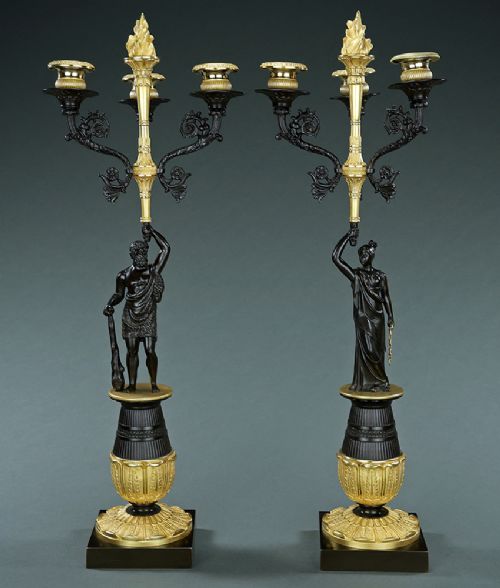
A brass and bronze figure encompasses sculptural works cast in copper alloys, ranging from European mantle clock figures and animal studies to Asian religious deities and ancestral statuary. When searching this phrase, buyers encounter everything from French Empire candelabra figures and Art Deco dancers to Tibetan Buddhist bronzes and African tribal staff figures.
The pieces appearing on this page stretch from the seventeenth century through the Victorian era into the early twentieth century. European neoclassical subjects and Asian devotional icons dominate the selection, often serving functional roles as clock mounts, lamp bases, or door porters alongside pure sculptures.
How they were made
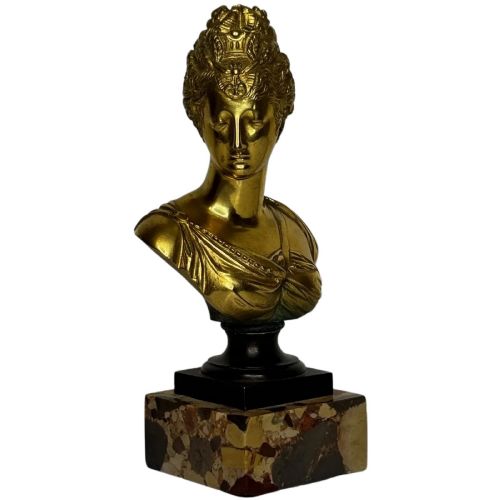
Metalworkers utilised traditional casting methods, predominantly lost-wax casting for detailed bronze and brass statuary, followed by hand chasing and finishing to sharpen facial expressions and drapery folds. Many surfaces received additional treatment such as fire gilding with ormolu, chemical patination to create dark tones, or enamel inlay as seen in cloisonne pieces.
Makers frequently combined cast brass and bronze with other media like carved marble bases, porcelain panels, and glass inserts to construct complex mantel clocks, garnitures, and lamps.
Brass and Bronze Figure Retail Price Guide 2026
Typical asking prices for brass and bronze figure among the pieces listed under this phrase on Sellingantiques today, from the lower quarter to the upper quarter. They describe what is for sale here now, not the wider market.
The selection spans diverse cultural origins, recording European classical bronzes alongside Tibetan deities and West African tribal figures.
What varies in quality
The standard of a brass and bronze figure rests on the crispness of the original cast and the depth of the subsequent hand finishing. Superior pieces retain sharp details in hair, fingers, and clothing without the softening that occurs when moulds are reused too many times.
Heavier gauge metal, well-executed patination or consistent fire gilding, and the integration of components without sloppy solder joints separate workshop masterworks from routine commercial output.
L & F Moreau·Etienne Lenoir·Josef Lorenzl·Emile-Coriolan Guillemin
The Brass and Bronze Figure Glossary
- Ormolu
- Gilded bronze produced by applying a mercury and gold amalgam to the metal and heating it to drive off the mercury. This technique creates a durable golden surface seen frequently on French clock mounts and candelabra.
- Patination
- The surface colour achieved naturally through age or artificially through chemical treatments applied to bronze. It alters the metal tone from bright metallic to deep browns, greens, or blacks.
- Cloisonne
- An enamelling technique where metal wires are soldered to a metal base to create compartments filled with coloured paste and fired. Chinese imperial style pieces use this method for vibrant decorative surfaces.
- Andiron
- A horizontal support iron used in pairs inside an open fireplace, often featuring decorative cast bronze or brass figural fronts. They protect hearth masonry while adding sculptural detail to the room.
Brass and Bronze Figure: Frequently Asked Questions
How do I clean a bronze figure?
Dust bronze pieces gently with a soft dry brush to prevent dirt accumulation in crevices. Avoid harsh chemical cleaners or abrasive polishes that strip away the historical patina.
Apply microcrystalline wax sparingly if the metal requires protection against moisture. Buff lightly with a clean cloth to maintain a stable surface finish.
How do I tell brass from bronze?
Bronze is an alloy primarily of copper and tin, typically displaying a darker, warmer, and denser reddish-brown or patinated surface. Brass is an alloy of copper and zinc, tending towards a brighter, more golden-yellow metallic hue.
Many antique figures combine both metals or apply surface patination and gilding, making visual identification of the underlying alloy dependent on examining unpolished undersides or wear points.
Can I convert a figure into a lamp?
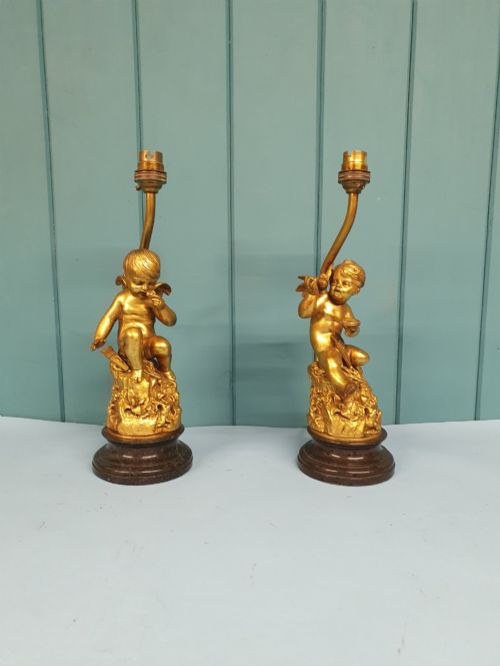
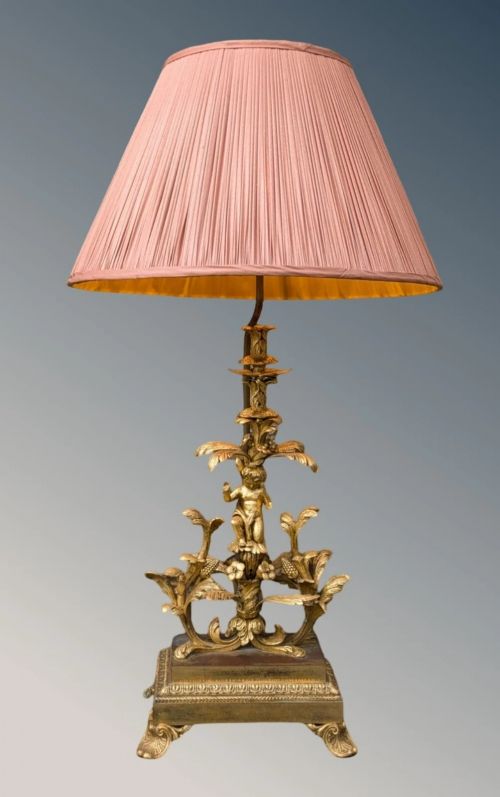
Many nineteenth-century figures, particularly cherubs and putti, were adapted as lamp bases during past decades or in contemporary settings. Conversions often involve running a wire through a drilled base or incorporating a central brass stem.
Buyers should inspect whether the conversion has compromised the structural integrity or original surface of the metal sculpture before purchase.
Where should I place these figures?
Display brass and bronze figures on stable wooden surfaces like mantelpieces, sideboards, or desks where their weight provides secure footing. Keep them away from direct heat sources and high humidity to protect patinated or gilded finishes.
Pairing heavier animal bronzes or religious icons with complementary objects creates focal points that anchor room decor.