

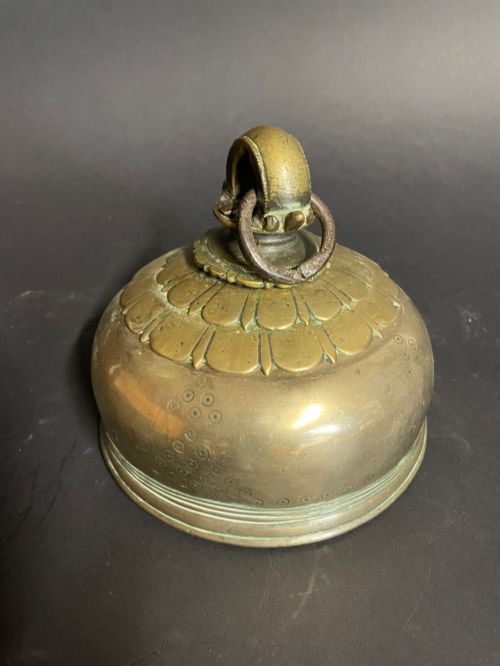


Brass and Bronze Decor
Brass and bronze decor brings substantial weight and warm metallic tone into a room through decorative items shaped by 18th-century, 19th-century, and 20th-century hands.
Brass and Bronze Decor
Brass and bronze decor encompasses functional household items and purely ornamental pieces cast from copper alloys. When browsing this selection, buyers frequently encounter lighting hardware, fireplace furnishings, and sculptural vessels.
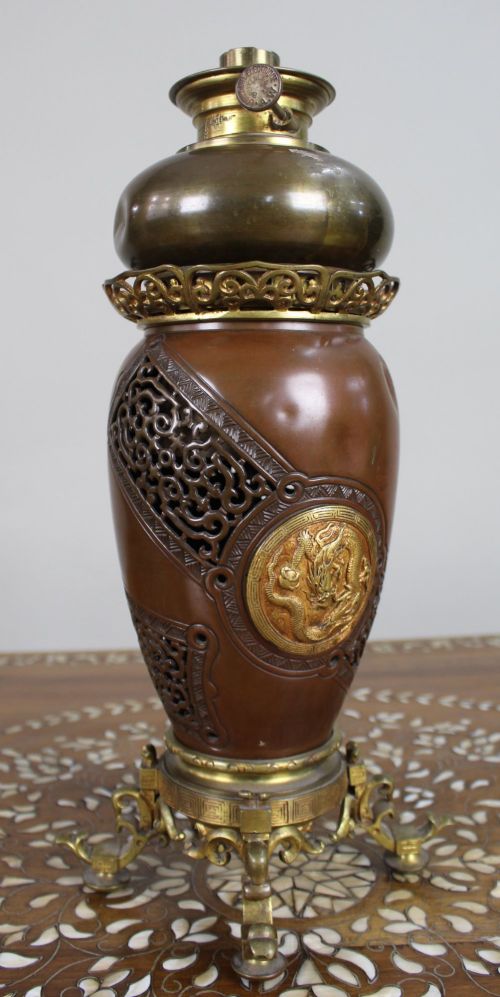
The objects span multiple periods, with Victorian and 19th-century examples appearing most frequently alongside Regency and earlier Continental pieces. Forms range from utilitarian maritime hardware to elaborate French Rococo fire dogs and Chinese baluster vases.
Makers and workshops from New York to Paris and East Asia contributed to this category, creating items intended to display technical skill and decorative flair in domestic interiors.
Assessing quality and craftsmanship
Quality rests upon the crispness of the casting and the depth of the chasing work on the metal surface. Superior pieces retain sharp details in hair, foliage, and architectural motifs without the blurring common in later or secondary casts.
The finish also dictates value, with well-preserved fire gilding or original patination showing greater desirability than worn or aggressively cleaned surfaces.
Brass and Bronze Decor Retail Price Guide 2026
Typical asking prices for brass and bronze decor among the pieces listed under this phrase on Sellingantiques today, from the lower quarter to the upper quarter. They describe what is for sale here now, not the wider market.
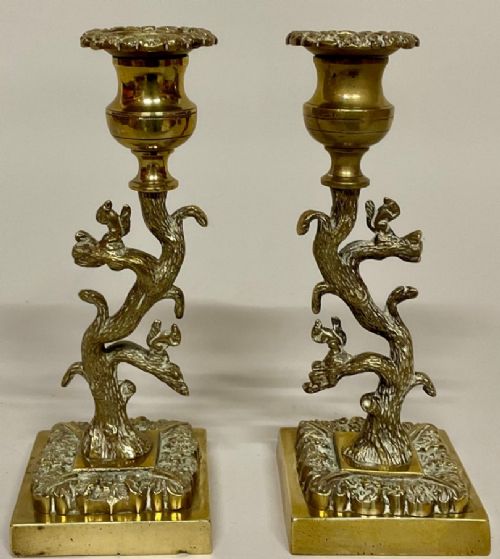
Squirrels clamber among cast bronze branches on one pair of Regency candlesticks, making light work of holding candles.
Poix Blin·E F Caldwell
The Brass and Bronze Decor Glossary
- Ormolu
- Gilded bronze, where a gold amalgam is applied to the bronze base and heated to drive off the mercury, leaving a rich golden layer.
- Champlevé
- An enamelling technique where troughs are dug into the metal surface and filled with vitreous enamel before firing.
- Campana
- A vase-shaped candle socket resembling an inverted bell, commonly seen on Regency and nineteenth-century lighting.
- Chenets
- Ornamental metal fire dogs placed at the hearth to support logs, frequently styled in French Rococo or Neoclassical revivals.
- Tazza
- A shallow saucer-like dish supported on a stem and foot, often used for display in classical interiors.
Brass and Bronze Decor: Frequently Asked Questions
How do I clean antique brass and bronze?
Dust surfaces gently with a soft dry cloth to remove particle buildup. Avoid harsh chemical polishes that strip away the aged patina.
Leaving the natural oxidation intact helps preserve the historical character and visual depth of the metal.
What is the difference between brass and bronze?
Brass is primarily an alloy of copper and zinc, yielding a brighter, more golden hue. Bronze is an alloy of copper and tin, producing a darker, denser metal.
Both materials were cast into decorative objects across the nineteenth century, though bronze typically allows for sharper sculptural detail.
Where should I place these items at home?
Heavier pieces like fenders and chenets belong near a fireplace, while smaller candlesticks and vases suit mantelpieces or side tables. Ensure sturdy placement to support their considerable weight.
Pairing metallic decor with wood or fabric surfaces balances the room and highlights the warm tones of the alloy.
How can I tell the period of a piece?
Examine the casting quality, tool marks, and stylistic clues such as Regency campana sconces or Rococo scrollwork. Material composition and base markings often provide additional chronological context.
Comparing construction methods against known dated examples helps narrow down the century of manufacture.