



Brass and Black Lamp
A brass and black lamp brings together warm metallic reflection and dark contrast, spanning table lamps, floor standards, and functional lanterns.
Brass and Black Lamp
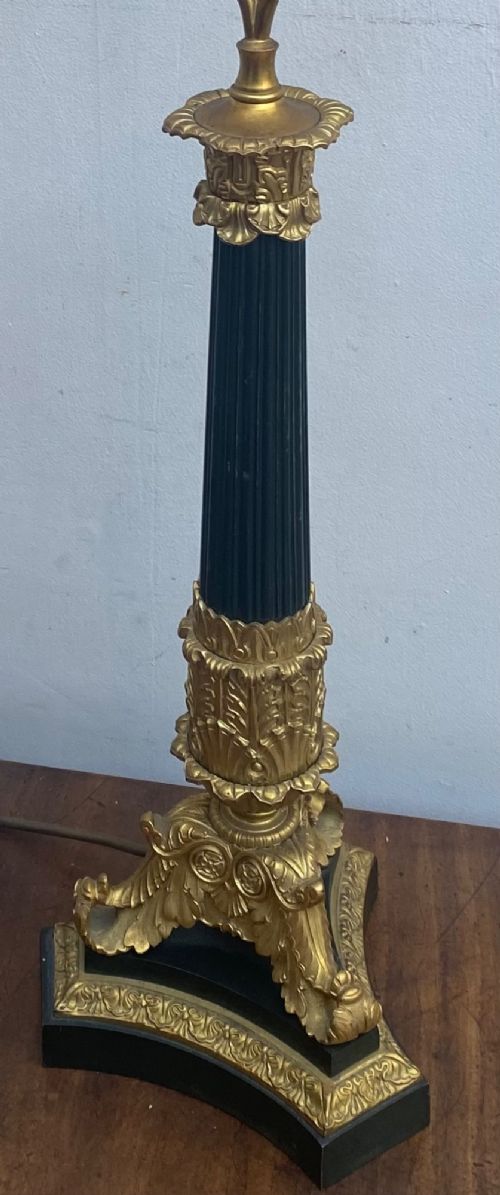
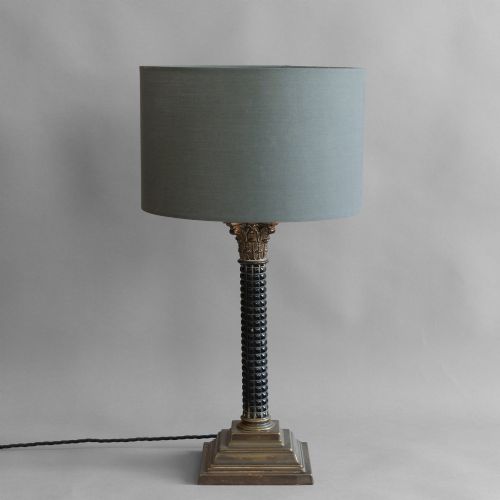
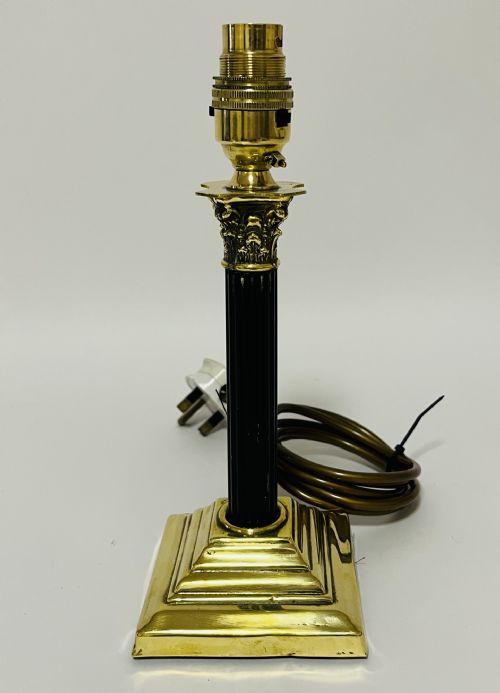
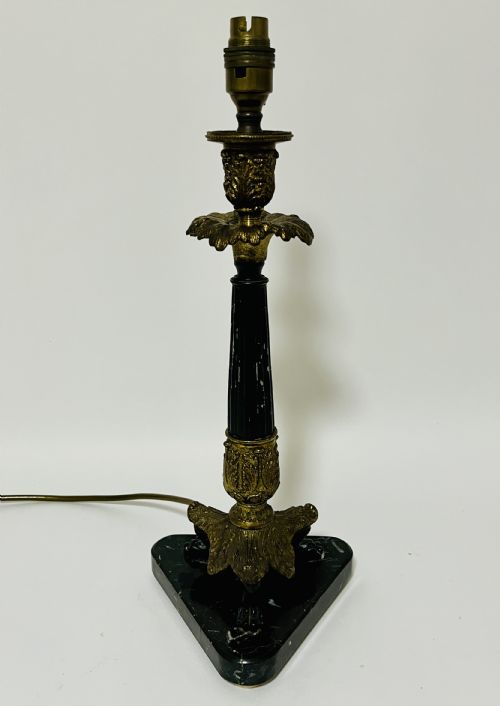
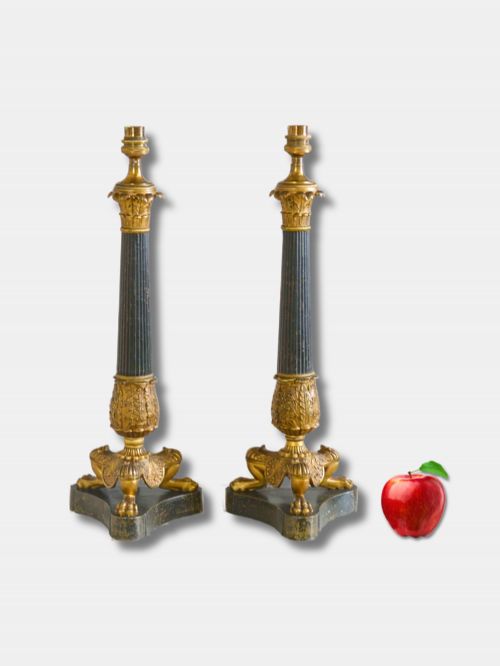
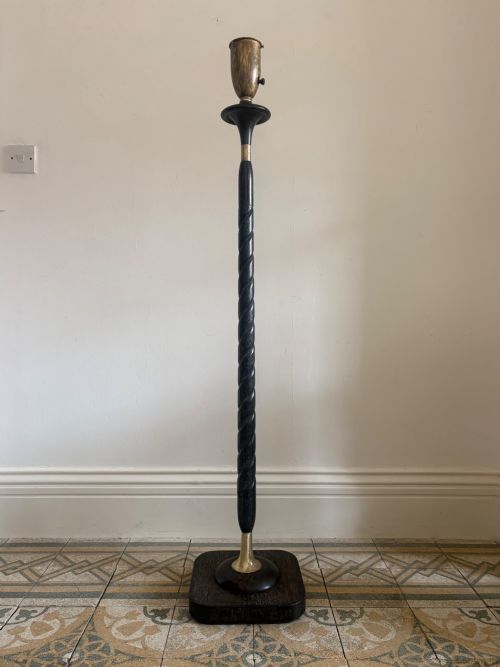
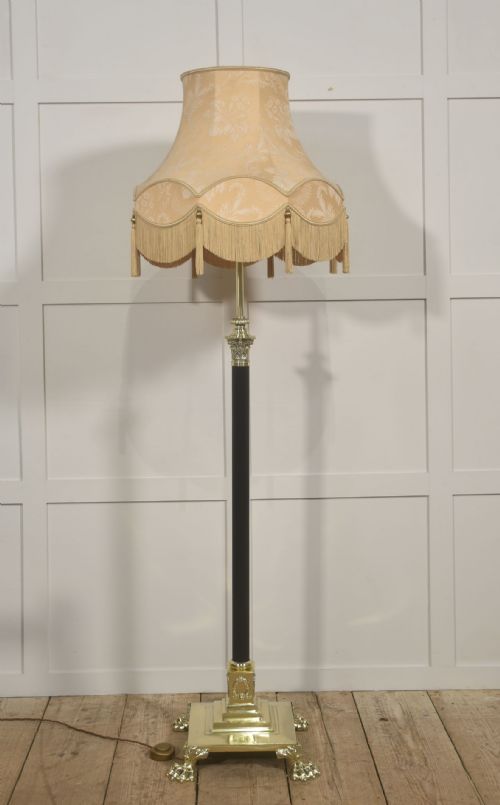
A brass and black lamp relies on the visual tension between polished or patinated golden metal and dark contrasting foundations. The phrase covers a broad spectrum of lighting, from refined neoclassical column standards to utilitarian railway lanterns and ship gimbals.
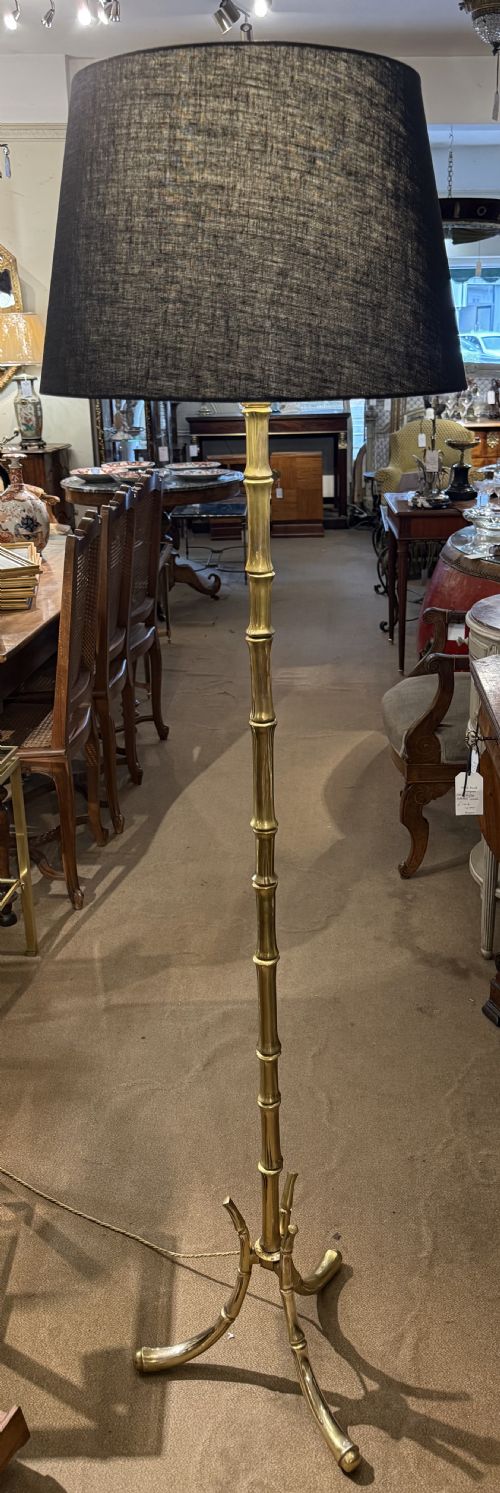
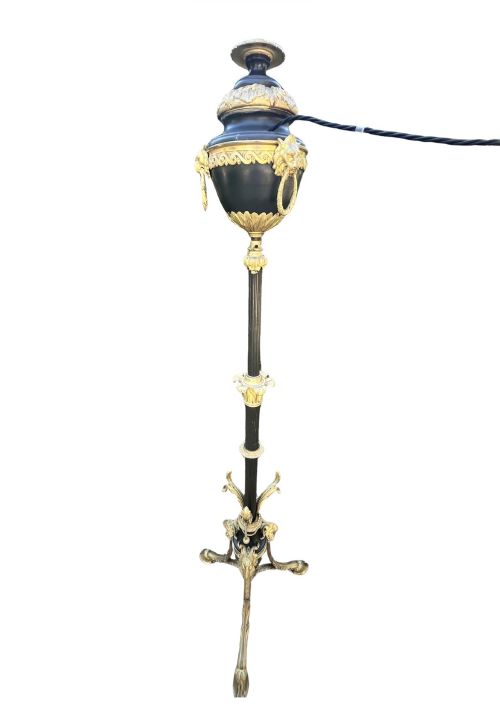
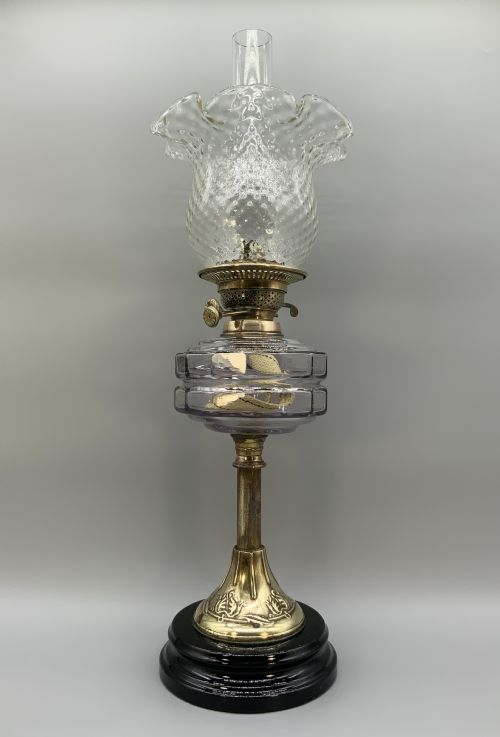
Table lamps and floor-standing oil lamps dominate the selection, often converted from earlier lighting mechanisms or manufactured during the Victorian and Edwardian eras. French Empire and neoclassical designs frequently pair gilded bronze with dark columns or bases, while industrial railway and carriage pieces utilise black iron alongside brass fittings.
The dark elements in these pieces emerge from ebonised wood, black glass, painted iron, toleware, or black lacquer, providing a grounding effect that accentuates the brightness of the brass components.
Materials and construction
Construction relies heavily on cast brass, ormolu, and gilt metal paired with structural elements of ebonised wood, iron, and black glass. Many pieces combine hand-blown glass shades or ceramic bodies with metal mounts, reflecting the diverse manufacturing methods of the nineteenth and early twentieth centuries.
Makers utilised techniques such as turning wood on a lathe for barley twist standards, casting bronze for neoclassical columns, and lacquering metal or toleware to achieve deep black finishes. Modifications are common, with numerous nineteenth-century oil lamps adapted later for electrical wiring.
Brass and Black Lamp Retail Price Guide 2026
Typical asking prices for brass and black lamp among the pieces listed under this phrase on Sellingantiques today, from the lower quarter to the upper quarter. They describe what is for sale here now, not the wider market.
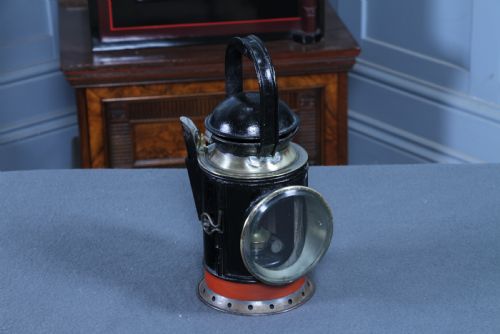
Inspector's hand lanterns once swung in railway signal boxes before finding quiet retirement as desk lamps.
Assessing craftsmanship and finish
Quality rests in the crispness of the casting, the weight of the metal components, and the integration of the contrasting black elements. Finer examples display meticulous chasing on ormolu mounts, well-turned columns, and substantial bases of marble or heavy glass rather than thin pressed metals.
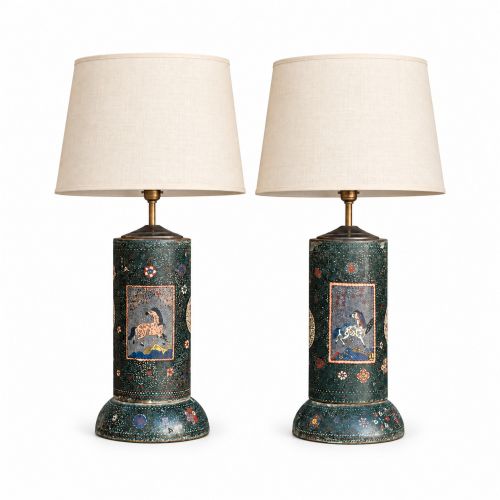
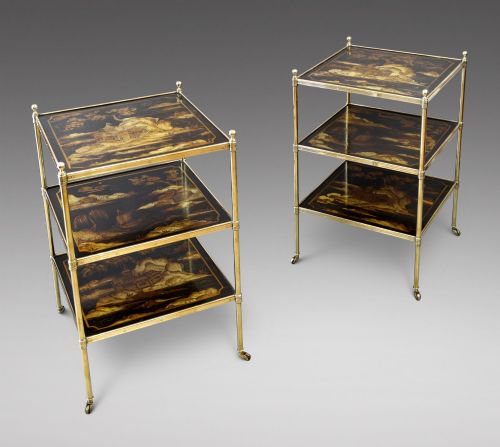
The integrity of the surface finish dictates visual appeal, whether through the preservation of original black lacquer, aged patination on the brass, or the quality of hand-painted chinoiserie details. Pieces that retain their original proportions and unaltered structural systems hold greater integrity.
Maison Bagues·Rene Mathieu·Daris
The Brass and Black Lamp Glossary
- Ormolu
- Gilt bronze produced by applying a finely ground gold-mercury amalgam to a bronze object and heating it. This technique creates a durable golden surface seen on French neoclassical and Empire pieces.
- Ebonised wood
- Timber treated to resemble ebony, typically through staining or painting. This dark finish provides the stark black contrast against polished brass in nineteenth-century standards.
- Toleware
- Lacquered or enamelled sheet metal items developed in the eighteenth and nineteenth centuries. The dark painted finishes serve as the black component in many bouillotte and table lamps.
- Gimbal
- A pivoted support ring that allows a lamp or compass to remain horizontal despite the motion of a ship or vehicle. These brass and black iron pieces originate from maritime and railway contexts.
- Bouillotte lamp
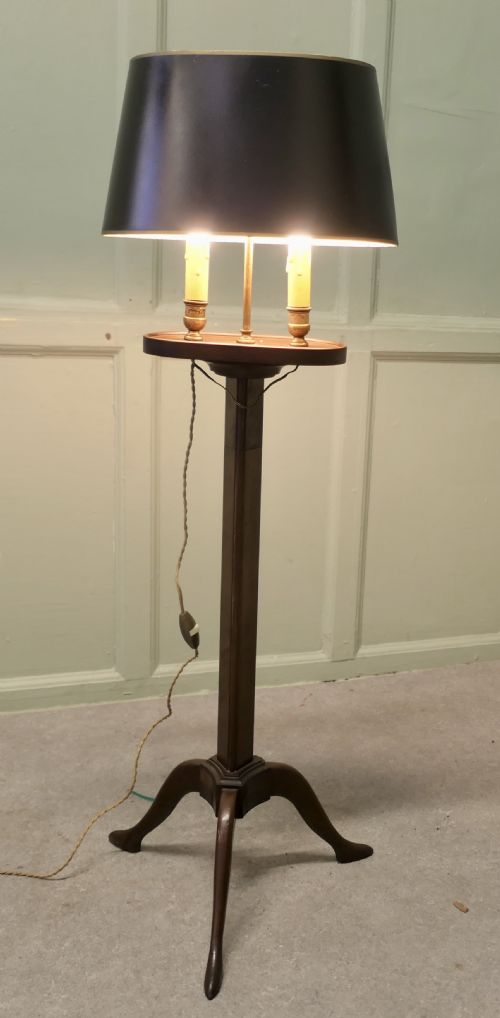
- An adjustable metal table lamp featuring a central shaft, multiple candle arms or bulb holders, and a characteristic shade. They often pair brass fittings with painted metal or tole bases.
Brass and Black Lamp: Frequently Asked Questions
Are these lamps safe for modern electrical use?
Many older pieces arrive with modern wiring, while others retain older fittings that require professional rewiring to meet current safety standards. It is advisable to have an electrician inspect converted oil lamps and vintage standards before daily use.
Original components like burners or keys are frequently preserved during conversion to maintain historical character. Ensuring the internal wiring aligns with domestic regulations allows these functional antiques to be used securely in contemporary interiors.
How do I distinguish Victorian pieces from Edwardian ones?
Victorian lighting often leans towards ornate neoclassical revivals, heavy cast brass, and elaborate column forms with rich patination. Edwardian and later pieces frequently introduce lighter proportions, simplified silhouettes, or distinct decorative influences like chinoiserie.
Examining the construction methods, screw types, and base materials helps clarify the manufacturing era. Stylistic shifts from heavy nineteenth-century Victorian revivalism to early twentieth-century restraint provide clear chronological markers.
Can I adjust the height on these standard lamps?
Several floor-standing and table models include telescopic stems or adjustable mechanisms originally designed to raise and lower the light source. These functional elements require careful handling to preserve the internal mechanisms and brass threads.
Adjustable table lamps, such as bouillotte styles, often permit the shade height to be altered independently of the stem. Checking the integrity of the adjustment screw prevents damage to the central column.
What is the best way to clean brass and black finishes?
Maintenance requires gentle dusting with a soft cloth to protect vulnerable surfaces like ebonised wood, toleware, and aged brass patination. Harsh chemical metal polishes should be avoided on painted or lacquered black sections to prevent stripping the finish.
Preserving the original character means accepting minor signs of age rather than seeking a mirror-bright shine. Gentle cleaning keeps both the dark contrast and the golden metal highlights intact without altering the surface history.