


Bowed Front Walnut Cupboard
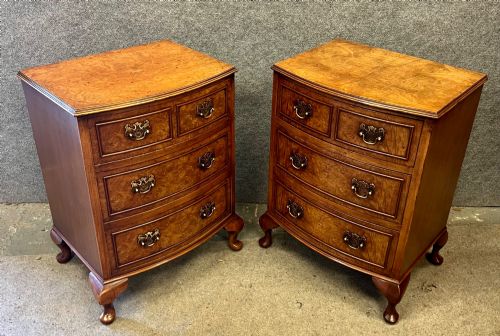
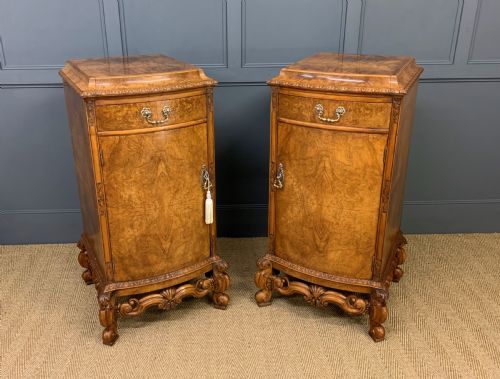
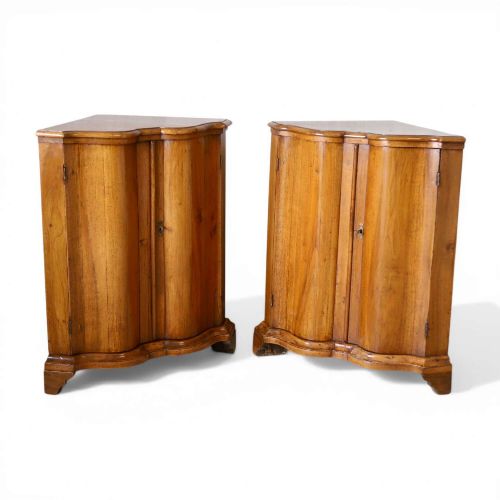
These bowed front walnut cupboard pieces combine curved timber fronts with practical storage, offering period character and distinct grain patterns for the home.
Bowed Front Walnut Cupboard
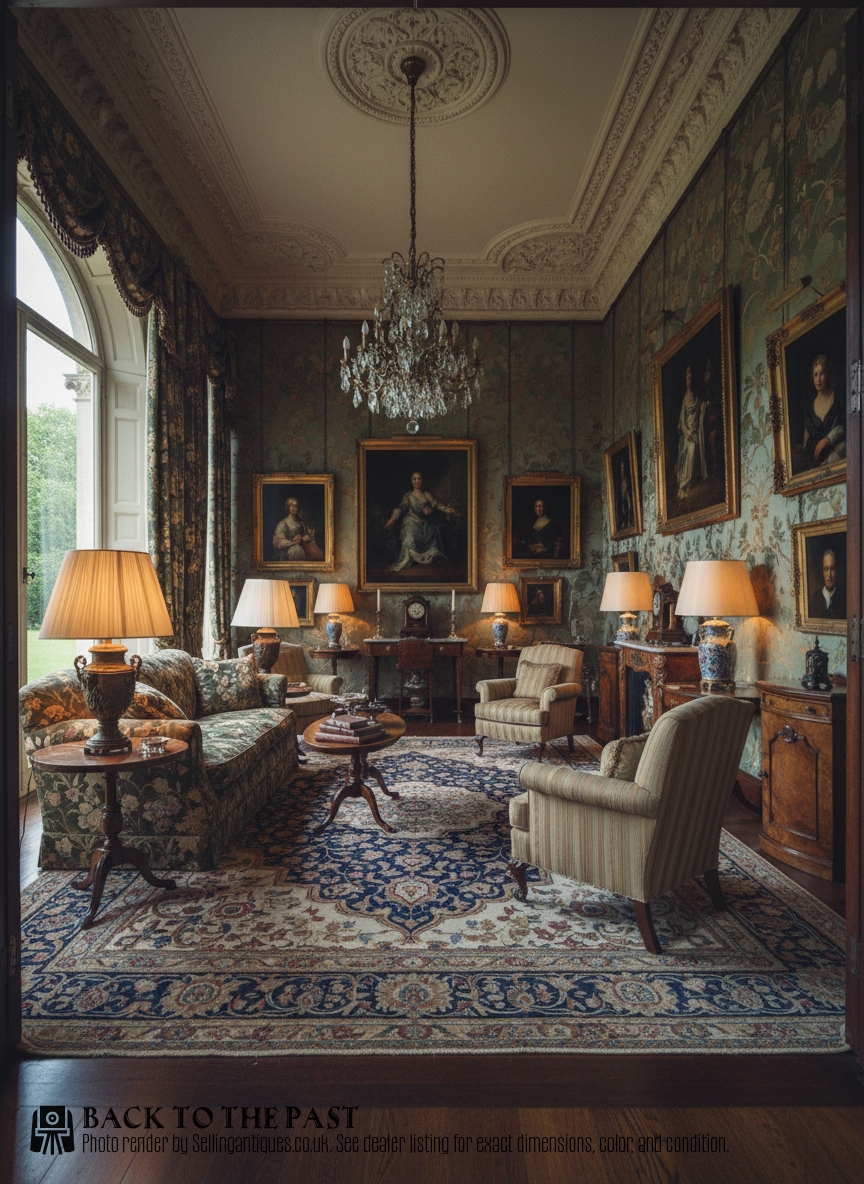
A bowed front walnut cupboard provides practical storage while introducing curved lines and rich timber tones into a room. These pieces appear across several distinct periods, ranging from eighteenth-century examples to twentieth-century revivals.
Buyers on this page most frequently encounter corner cabinets, display cabinets, and bedside lockers. These forms utilise the curved profile to soften room angles and display fine wood grains.
Makers from the Victorian era, the Edwardian period, and later twentieth-century revivals adapted these curved cupboards for various domestic settings. The selection spans wardrobes, cocktail cabinets, and smaller pedestal cupboards.
How they were made
Cabinet makers utilised solid walnut, elm, and pine as foundational carcase timbers, applying burr walnut veneer across the curved front surfaces to highlight intricate grain patterns. The distinct figuring on the doors results from careful veneer selection and book-matching techniques.
Brass fittings, ormolu mounts, and glass panels frequently accompany the timber construction, particularly on display cabinets and cocktail units. Marquetry inlay work and secondary timbers like pine appear on eighteenth-century and revival pieces alike.
Several bedside lockers feature such pronounced curves that midnight fumbling for a glass of water becomes an exercise in geometry.
What varies in quality
The sophistication of the timber selection dictates the visual appeal of each piece, with burr walnut veneer showing greater depth and complexity than plain walnut. Matching grain across curved door panels requires high skill from the cabinet maker.
The integration of secondary materials such as brass hardware, ormolu mounts, and glass influences the overall refinement. Eighteenth-century Italian and Georgian pieces demonstrate traditional joinery methods that differ from later Victorian and twentieth-century production.
The Bowed Front Walnut Cupboard Glossary
- Burr walnut
- A specialised timber cut from the gnarled growths of walnut trees, prized for its swirling, highly figured grain patterns. It provides a decorative surface on cabinet doors and drawer fronts.
- Marquetry
- The art of applying pieces of veneer to a structure to form decorative patterns and pictures. Craftsmen use various tinted woods to achieve detailed ornamentation.
- Ormolu
- Gilded bronze detailing applied as mounts and decorative hardware on furniture. This finish adds metallic contrast to the walnut surfaces.
- Pedestal cupboard
- A tall, narrow freestanding storage unit designed to stand beside a bed or in a corner. These pieces maximise vertical storage space while maintaining a small floor footprint.
- Revival
- A stylistic movement where makers recreate historical designs from earlier centuries, such as Queen Anne or Regency periods. These pieces blend older aesthetic forms with the construction methods of their own time.
Bowed Front Walnut Cupboard: Frequently Asked Questions
Where should I place a corner cupboard?
These curved units fit neatly into unused room junctions, transforming empty angles into functional storage space.
They work effectively in dining rooms, living spaces, and hallways to display glassware or store tableware.
How do I care for walnut veneer?
Keep wooden furniture away from direct sunlight and heat sources to prevent the timber from drying out and the veneer from lifting.
Dust regularly with a dry cloth and occasionally apply a suitable beeswax polish to maintain the sheen.
What is the difference between a cocktail cabinet and a display cabinet?
A cocktail cabinet typically includes internal storage fitted for glassware, mirrors, and bottle preparation surfaces behind lockable doors.
A display cabinet prioritises glass panels for exhibiting porcelain, books, and decorative objects to view from the room.
How do I identify a revival piece?
Revival items combine historical stylistic elements from periods like the Georgian or Regency eras with the machine-assisted construction techniques of the nineteenth and twentieth centuries.
Inspect the secondary timbers inside the carcase and the fixings to understand the likely manufacturing era.