
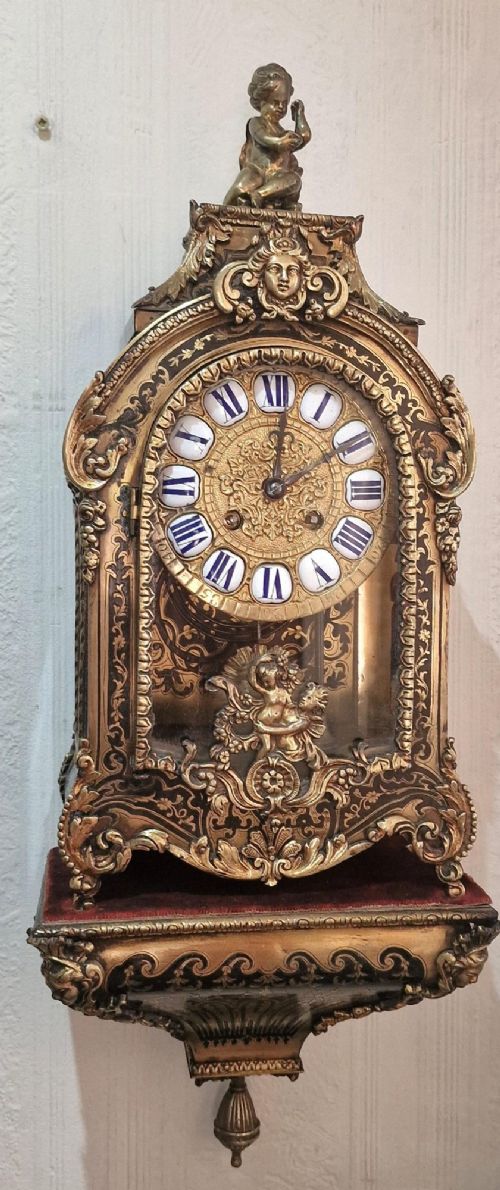
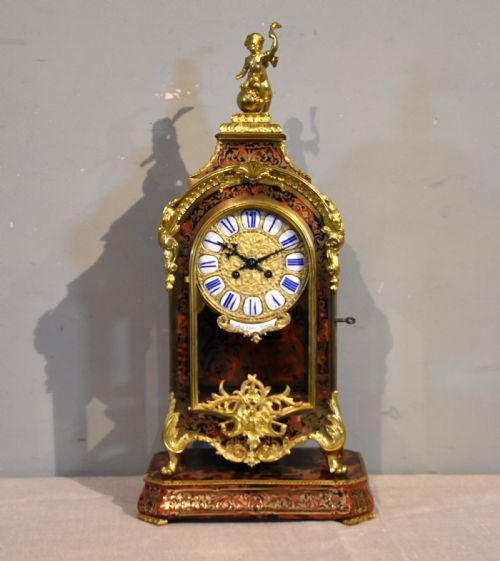
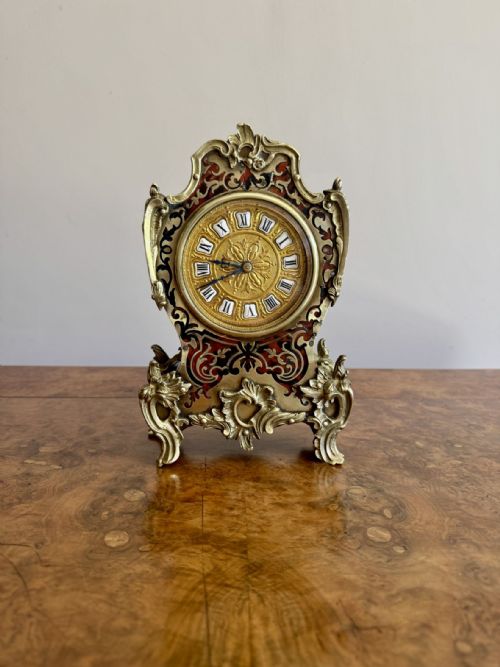


Boulle Marquetry Clock
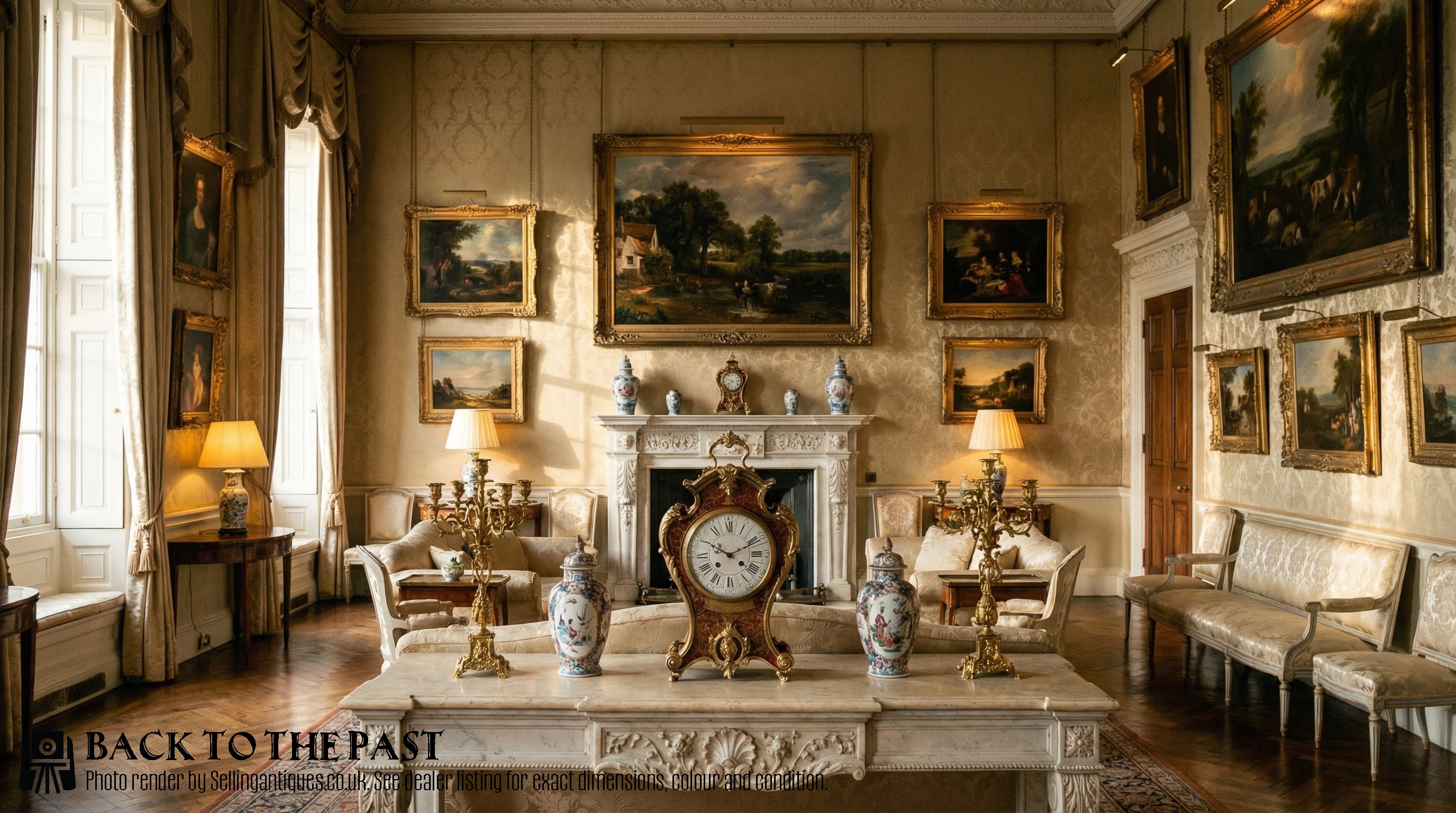
A boulle marquetry clock brings unmatched tortoiseshell and brass splendour into a room, offering the dramatic weight of French revival design.
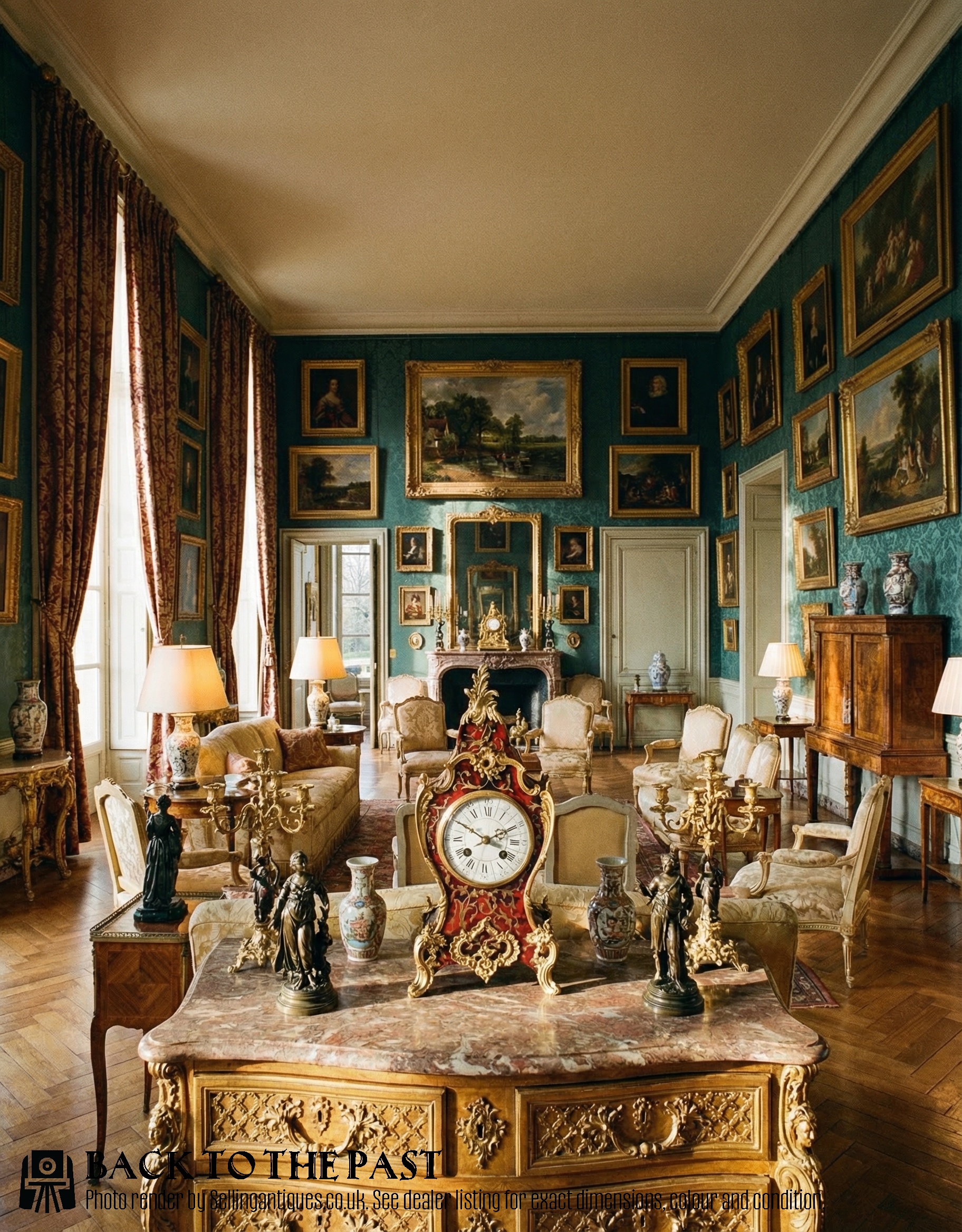
Boulle Marquetry Clock
A boulle marquetry clock is an ornamental timepiece defined by its elaborate tortoiseshell and brass inlay, drawing heavily on French rococo revival and Louis XIV styles. When you search for a boulle marquetry clock, you encounter pieces designed primarily as mantel clocks, alongside taller longcase clocks and wall-mounted bracket clocks.
The examples gathered here date predominantly from the nineteenth century, including Victorian interpretations and Napoleon III pieces. These clocks range from compact mantel pieces to substantial bracket clocks complete with matching wall supports.
Green tortoiseshell variations and distinct green boulle finishes also appear amongst the traditional red tortoiseshell and brass combinations. Each piece serves as a striking focal point, embodying nineteenth-century European craftsmanship inspired by earlier royal French aesthetics.
How they were made
The creation of these clocks relies on the intricate cutting of brass and tortoiseshell together in a technique known as marquetry. Craftsmen layered the materials and pierced them with a fine saw to produce matching positive and negative sheets.
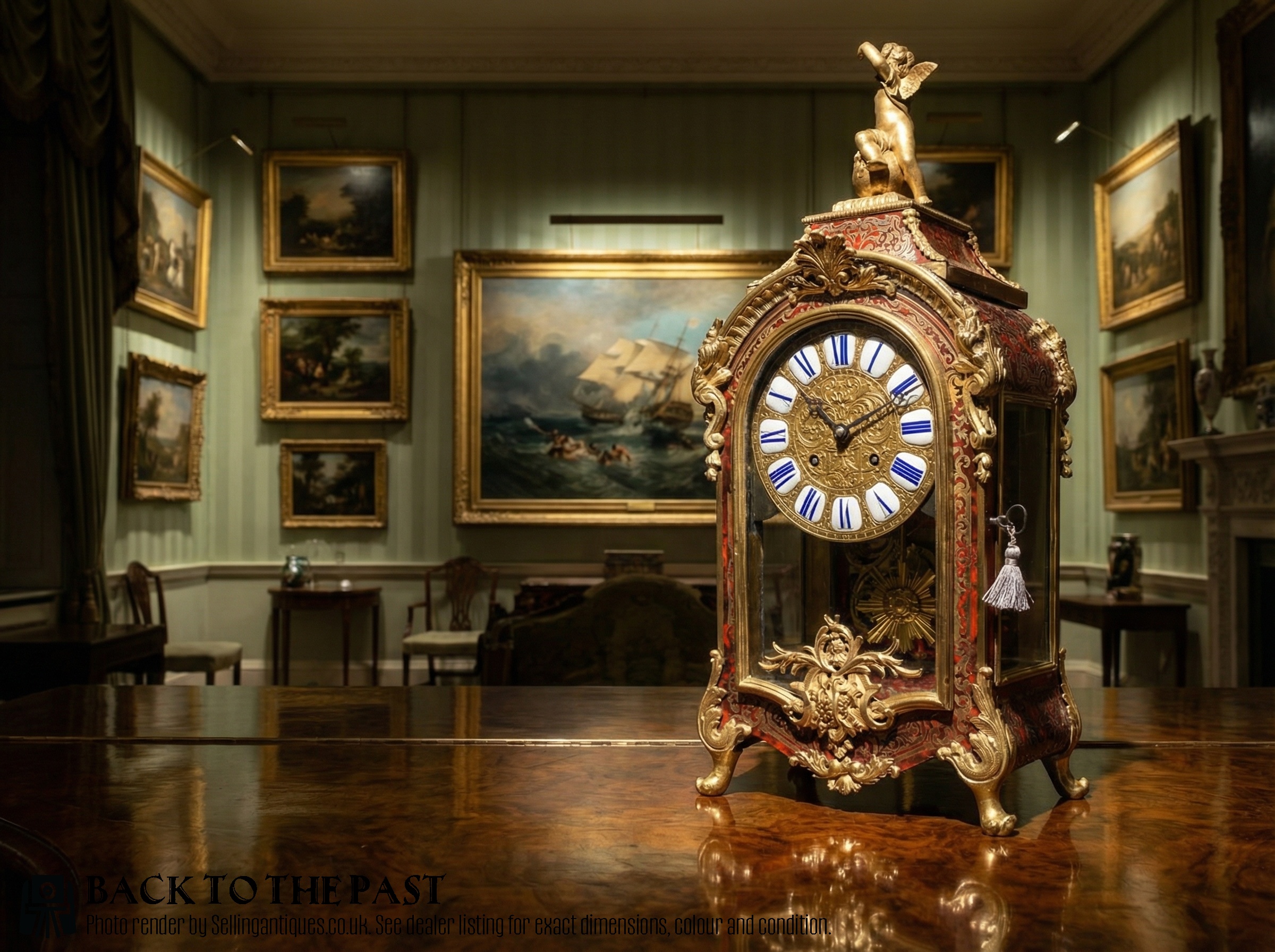
Ormolu and gilt bronze mounts frame the wooden carcasses, which are frequently finished in ebonised wood. Enamel numerals appear on the clock faces behind glass panels, while stained horn occasionally provides supplementary contrast to the intricate metal and shell patterns.
Boulle Marquetry Clock Retail Price Guide 2026
Typical asking prices for boulle marquetry clock among the pieces listed under this phrase on Sellingantiques today, from the lower quarter to the upper quarter. They describe what is for sale here now, not the wider market.
Green tortoiseshell occasionally breaks the traditional red colour scheme, offering a surprising twist for collectors of nineteenth-century French timepieces.
What varies in quality
The distinction between standard and exceptional pieces rests upon the precision of the brass and tortoiseshell cutting. Finer examples display seamless integration where the metal and shell fit together without visible gaps or excessive adhesive fillers.
The crispness of the gilt bronze and ormolu mounts dictates the visual hierarchy of the piece. Sharply cast foliage and figures indicate superior workshops, whereas softer, shallower casting suggests mass production.
The complexity of the architectural timber carcass and the inclusion of a matching original wall bracket elevate the stature of a clock. Coherence of style across the dial, movement housing, and bracket marks the pinnacle of the maker's art.
HENRI MARC OF PARIS·Samuel Marti
The Boulle Marquetry Clock Glossary
- Boulle marquetry
- An intricate inlay technique combining brass and tortoiseshell, popularised during the reign of Louis XIV. It creates a rich, contrasting surface pattern across furniture and clock cases.
- Ormolu
- Gilt bronze applied to furniture mounts and clock adornments. It provides a bright, golden decorative trim that complements the dark tortoiseshell.
- Bracket clock
- A portable clock designed to sit on a wall bracket or shelf. Many historical examples retain their matching wall supports.
- Ebonised wood
- Timber treated to resemble ebony, providing a dark background. This finish frames the bright brass and shell marquetry.
- Napoleon III style
- A nineteenth-century French revival aesthetic drawing on earlier royal periods. It heavily influenced the ornate design of Victorian decorative arts.
Boulle Marquetry Clock: Frequently Asked Questions
What is a boulle marquetry clock?
A boulle marquetry clock is an ornamental timepiece featuring intricate brass and tortoiseshell inlaywork across its wooden case. These pieces typically reflect French revival styles from the nineteenth century.
They function as decorative household objects as well as timekeepers, often displayed prominently on mantelpieces or paired with matching wall brackets.
How do I date a boulle clock?
Dating relies on examining the materials, movement type, and overall stylistic revival period, which frequently points to the nineteenth century or Victorian era. Reference to specific French reigns in the design style helps narrow the timeframe.
Construction methods and the specific patination of the brass and tortoiseshell also offer strong clues to the exact decade of manufacture.
Where should I place a bracket clock?
A bracket clock looks best positioned on a sturdy mantelpiece, sideboard, or its original wall bracket where the inlaid surfaces catch the light. Ensure the wall surface can support the weight if hanging a bracket clock.
Keep these clocks away from direct sunlight and damp environments to protect the delicate tortoiseshell and gilt bronze mounts.
How do I care for tortoiseshell inlay?
Tortoiseshell requires gentle dusting with a soft, dry cloth and protection from extreme temperature fluctuations and direct sunlight. Avoid using standard liquid furniture polishes that can seep into the marquetry joints.
Maintaining a stable indoor climate preserves the natural shell and prevents the brass inlay from lifting over time.