




Bottle Tray Stand
Bottle tray stand describes solid silver, plated and mahogany vessels designed to protect surfaces and carry decanters.
Bottle Tray Stand
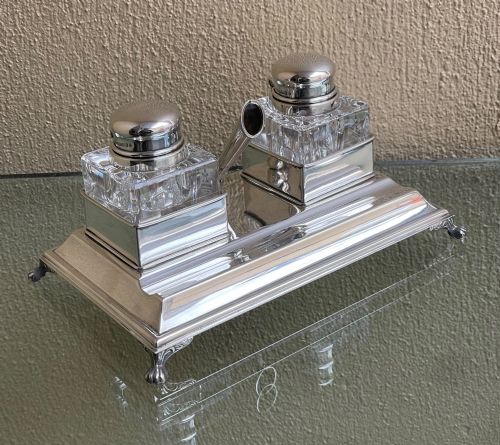
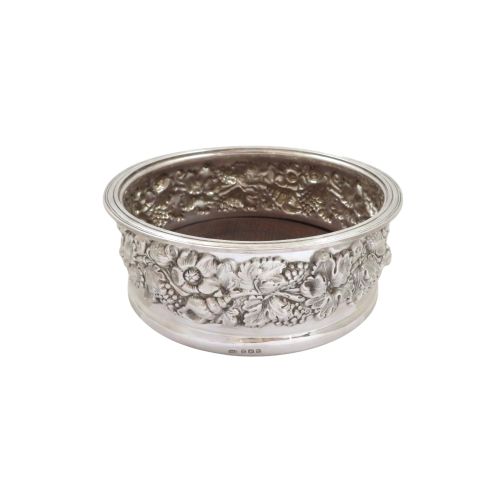
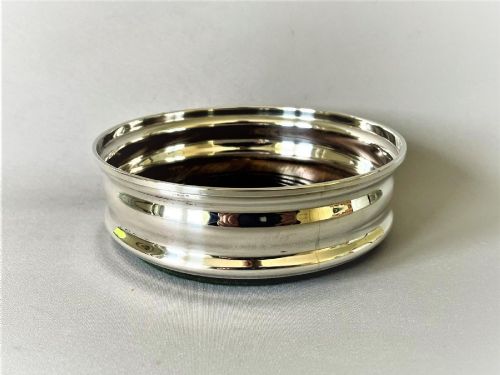
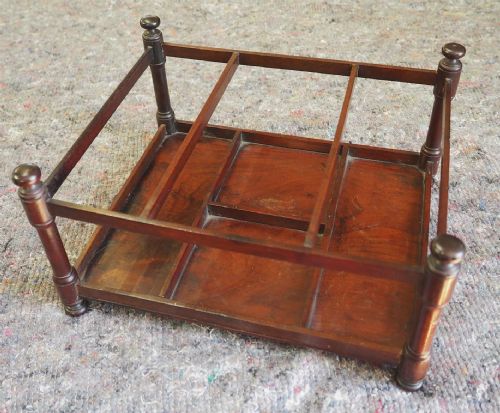
A bottle tray stand encompasses wine coasters, decanter holders, and inkstands originating from periods between the Georgian era and the twentieth century. The selection ranges from nineteenth-century mahogany and rosewood pieces to sterling silver and silver-plated examples designed for the dining table or desk.
You are most likely to encounter wine coasters and bottle stands featuring traditional materials such as silver plate, cut glass, and hardwoods. These practical vessels serve to hold decanters, champagne bottles, and inkwells securely during use.
The assortment includes specialised forms like magnum coasters, mirror plateaus, and multi-piece cruet sets alongside single bottle stands. Each type reflects the formal dining and writing habits of its specific period, from the Regency style to the Art Deco era.
Materials and construction
Makers utilised solid sterling silver, Old Sheffield plate, and silver plate combined with turned hardwoods such as mahogany, rosewood, and walnut. Metal galleries often secured turned wooden bases, occasionally incorporating inset mirror plateaus or green baize to protect the underside.
Glass components involved heavy lead crystal and cut glass, frequently paired with brass or silver mounts. Inkstands and cruet sets relied on precise glass-cutting techniques and fitted metal collars to hold bottles securely in position.
Bottle Tray Stand Retail Price Guide 2026
Typical asking prices for bottle tray stand among the pieces listed under this phrase on Sellingantiques today, from the lower quarter to the upper quarter. They describe what is for sale here now, not the wider market.
Judging quality and craftsmanship
Quality shows in the weight of the metal and the depth of the cutting in the glass inserts. Finer pieces demonstrate precise turning in the timber bases and crisp detail in cast silver or plated grape and vine motifs.
The integration of materials determines the standard of the piece, with well-fitted collars, sturdy gallery work, and substantial wooden construction distinguishing better examples from simpler utilitarian items.
James Cartland and Sons·Mein of Kelso
The Bottle Tray Stand Glossary
- Old Sheffield plate
- A method of fusing a thin sheet of silver to a thicker copper base before shaping. This technique creates durable tableware characteristic of earlier manufacturing methods.
- Mirror plateau
- A mirrored glass tray with a decorative frame used as a table stand. It reflects candlelight and supports decanters or bottle coasters.
- Cruet set
- A matched group of glass bottles or cruets held within a metal stand. These sets held condiments or oils for the dining table.
- Inkstand
- A desk accessory comprising a stand fitted with one or more inkwells and pen rests. They were constructed in silver, brass, and turned wood.
- Magnum coaster
- An oversized bottle coaster designed specifically to hold larger champagne or wine bottles. They feature the same raised galleries and protective bases as standard coasters.
Bottle Tray Stand: Frequently Asked Questions
What is a bottle tray stand used for?
These stands hold wine bottles, decanters, and inkwells to protect table surfaces from condensation and spills. They allow bottles to be passed smoothly around a dining table.
Desk variants hold ink bottles and writing implements together on a stable base. Their raised edges keep rolling pens and dripping ink contained.
How do I care for silver and wood stands?
Silver and silver plate require gentle cleaning with appropriate polish to maintain their appearance without wearing away the surface. Wood components benefit from occasional waxing to preserve the grain of mahogany or rosewood.
Keep glass inserts clean and dry to prevent moisture damage to underlying wooden bases. Avoid immersing wooden parts in water.
How can I tell the period of a stand?
Georgian and Regency pieces often feature substantial turned mahogany and simple silver mounts. Edwardian and later examples display heavier cast decoration like grape and vine motifs.
Hallmarks on silver components provide exact assay office marks and dates. Construction methods, such as Old Sheffield plating versus modern electroplate, also indicate the era.
Can I use antique bottle coasters today?
These stands function effectively for holding modern wine bottles and decanters at the table. Their standard dimensions accommodate most contemporary bottle sizes.
Desk stands serve well for organising modern fountain pens and ink bottles. They bring traditional craftsmanship into daily use.