



Botanical Watercolour Art
Botanical watercolour art captures the delicate forms of flowers and garden flora through fluid washes of pigment on paper.
Botanical Watercolour Art
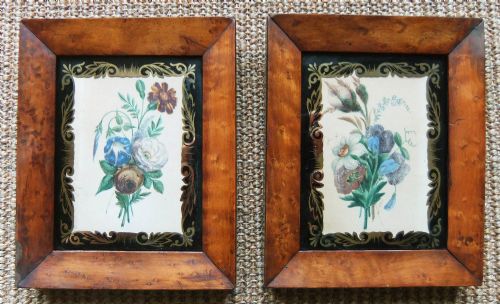
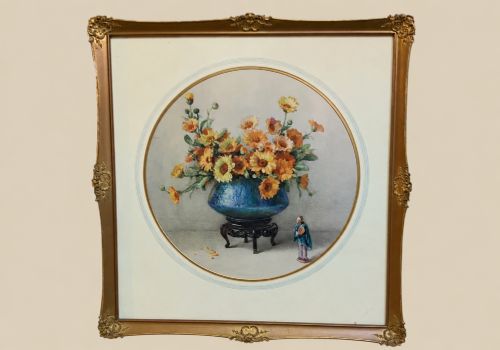
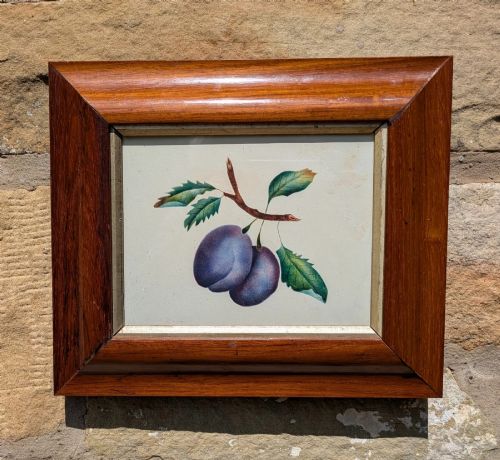
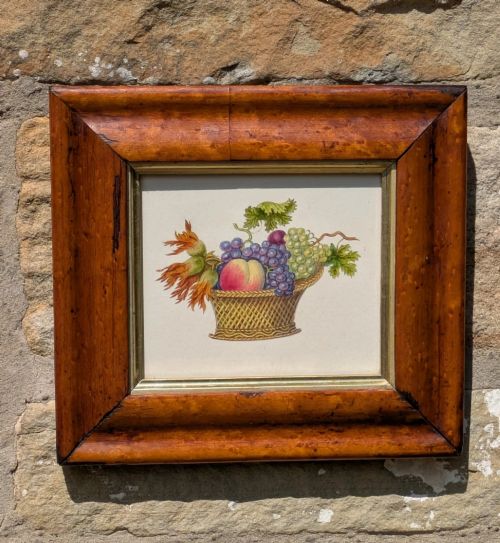
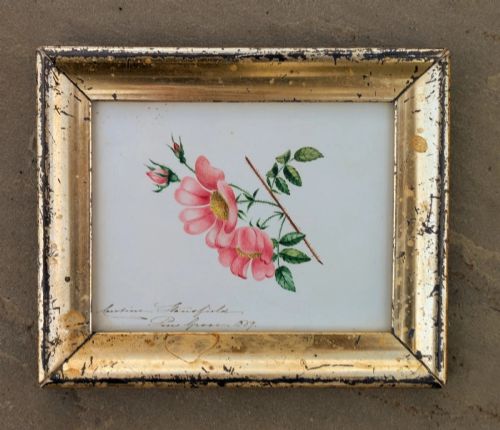
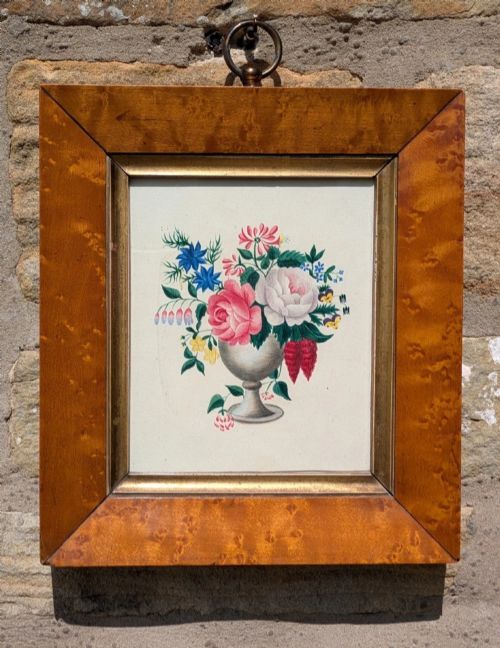
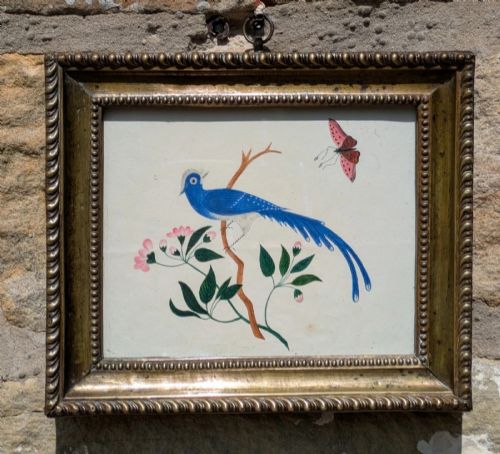
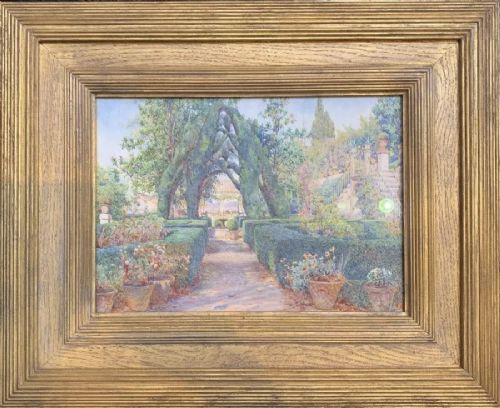
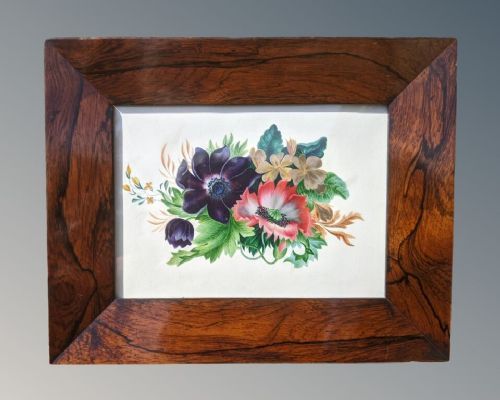
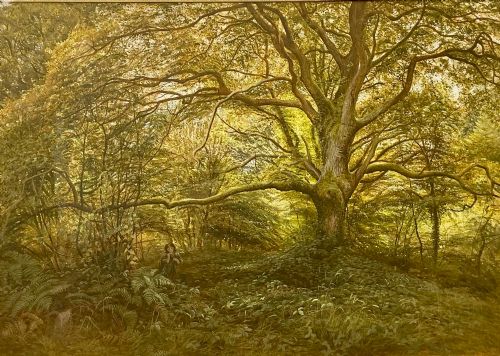
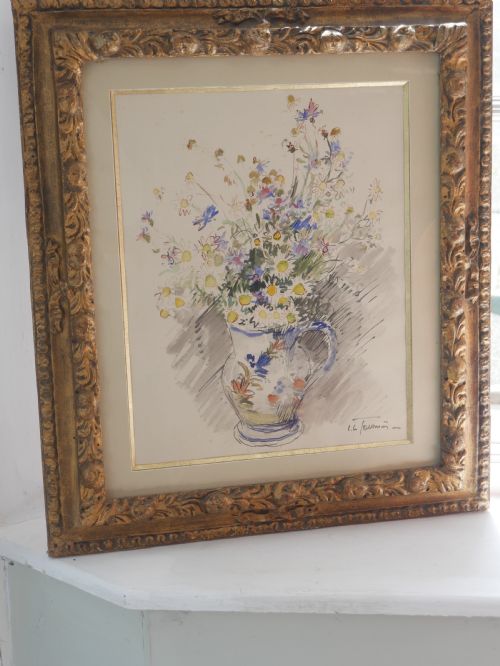
Botanical watercolour art comprises original paper paintings depicting flowers, fruit, and garden scenes across several historic periods. These works range from precise 19th-century studies of single blooms to mid-century depictions of flowers in jugs and vases.
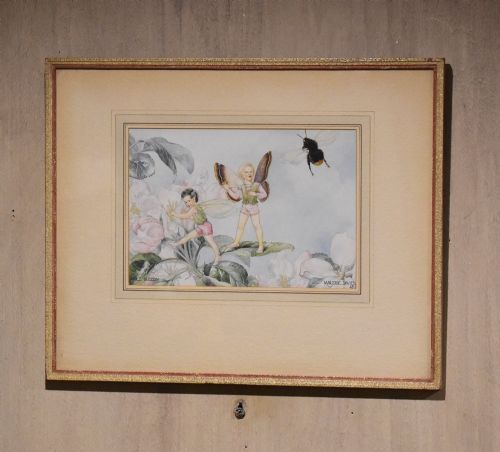
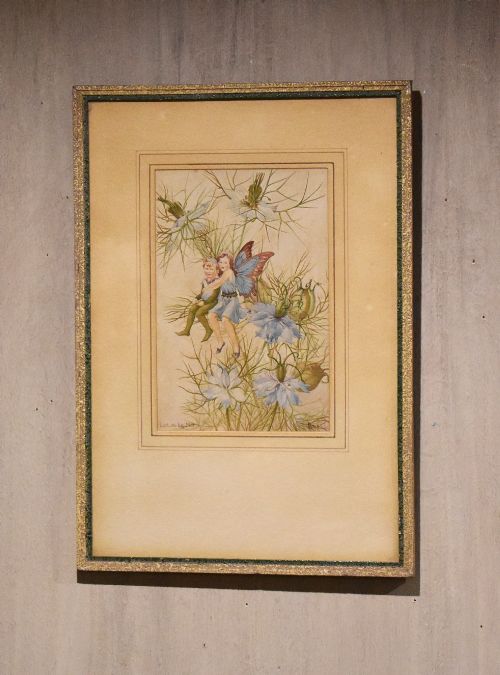
The selections available include works framed in rosewood, gilt wood, and antique pewter frames, alongside unframed studies. Pieces stretch from the Regency era through the Victorian period and into the twentieth century, demonstrating enduring interest in floral subjects.
How they were made
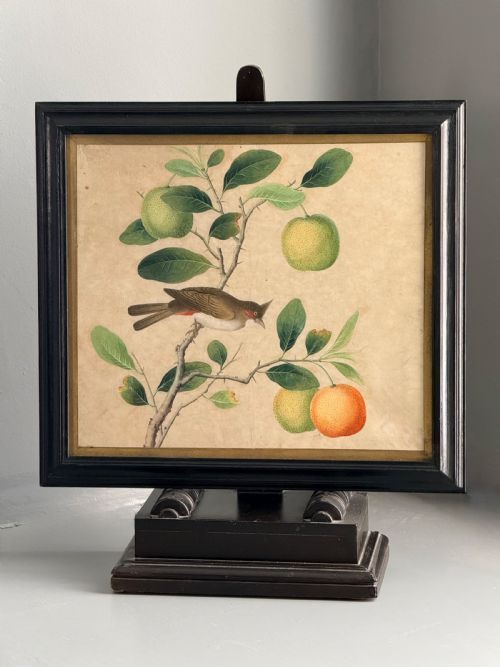
Artists painted primarily with watercolour pigment and gouache on paper, occasionally incorporating pencil outlines to define petals and stems. Some early works utilise delicate pith paper as a support.
Framing materials include traditional rosewood, carved gilt wood, and decorative metal frames such as French Aesthetic movement pewter.
Botanical Watercolour Art Retail Price Guide 2026
Typical asking prices for botanical watercolour art among the pieces listed under this phrase on Sellingantiques today, from the lower quarter to the upper quarter. They describe what is for sale here now, not the wider market.
Materials recorded across the archive include pith paper, gilt wood, and traditional watercolour pigment.
What varies in quality
Quality rests on the precision of the brushwork and the handling of pigment, separating casual sketches from accomplished botanical studies. Stronger pieces capture the distinct botanical accuracy of leaves, stems, and petals with careful observation.
The condition of the paper and the integrity of the original framing elements also determine the standing of a piece. Well-preserved works retain their original colour intensity without excessive fading from light exposure.
Ernest Arthur Rowe·John Sherrin·James Tower·Alice Anne Renshaw·Harry Wanless·William Edward Fox·Lilian Stannard·William Hough·Edith Barrow·Rowland Henry Hill·Grace Hastie·Margaret Laing·Phyllis I Hibbert·Marian Chase·Alfred W Parsons·Jabez Bligh·Owen Bowen·Bonomi Edward Warren·Lester Sutcliffe·William Andrews Nesfield·Henrietta Creswell·Eloise Harriet Stannard
The Botanical Watercolour Art Glossary
- Watercolour
- A paint consisting of a pigment suspended in a water-soluble binder, applied to paper to create translucent washes of colour. It forms the primary medium for these botanical studies.
- Gouache
- An opaque watercolour paint containing pigment mixed with a binding agent and white filler, utilised to create solid areas of colour and highlights. Artists often combined it with transparent watercolour.
- Pith paper
- A delicate material formed from the pith of the Tetrapanax papyrifer plant, historically used in Asian export art. It provides a unique, slightly spongy surface for pigment.
- Aesthetic movement
- A late nineteenth-century design style emphasising visual beauty over narrative content, often reflected in decorative frames that complemented botanical subjects.
Botanical Watercolour Art: Frequently Asked Questions
How should I hang botanical watercolour art?
Keep these works away from direct sunlight to prevent the watercolour pigments from fading over time. Maintaining stable indoor humidity also protects the fragile paper supports and historic frames.
Pair antique frames with neutral wall backgrounds to let the delicate floral tones stand out clearly. Grouping works of similar periods together creates a cohesive display.
What periods do these paintings come from?
The listings span from the Regency and Victorian eras through the Edwardian period and into the mid-twentieth century. Each era brought distinct framing choices and painting styles to botanical subjects.
Nineteenth-century works often feature detailed individual flower studies, while later twentieth-century pieces frequently show looser arrangements in jugs.
Are these paintings original works?
The listings consist of original hand-painted waterworks and gouache studies rather than modern reproductions. Each piece represents a unique artistic effort by named painters and historic schools.
Signatures appear on numerous pieces, connecting individual works to known Victorian and twentieth-century creators.
What framing materials were used historically?
Period frames frequently utilise rosewood, carved gilt wood, and decorative metals like pewter. These surrounds were chosen to complement the domestic floral subjects within.
Original frames often show signs of age that confirm their historic period and connection to the artwork.