






Botanical Needlework Panel
These botanical needlework panel pieces are framed historical textile artworks worked in silk, wool, and cotton, bringing centuries of flora and fauna indoors.
Botanical Needlework Panel
A botanical needlework panel brings historical flora and fauna into domestic spaces as framed wall art. When you search for this phrase, you encounter textile artworks that range from Georgian English needlework pictures to Victorian botanical pieces and European tapestries.
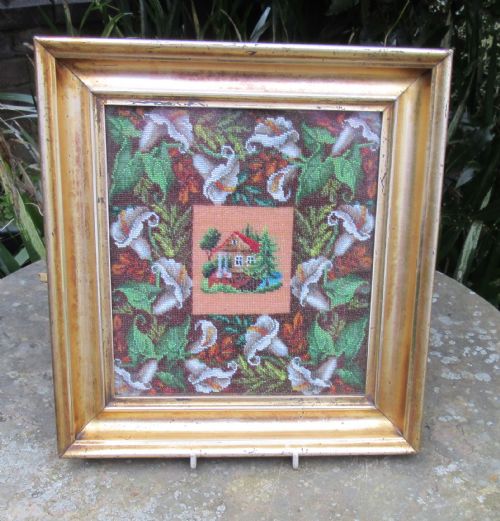
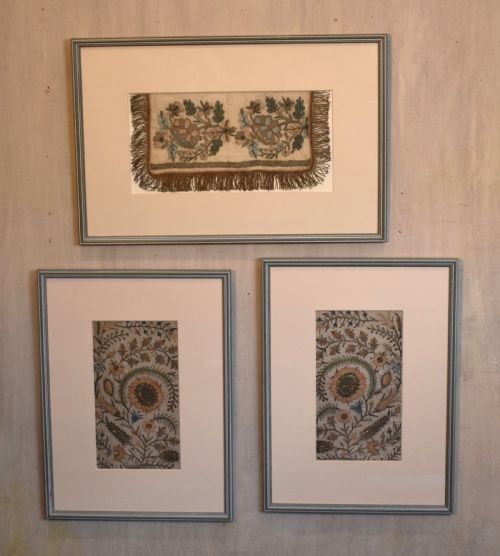
The selections span multiple centuries, including seventeenth-century cushion covers, eighteenth-century needlework pictures framed in giltwood, and nineteenth-century American beadwork. Alongside these, you find Central Asian Suzani embroideries and Chinese garden bird panels.
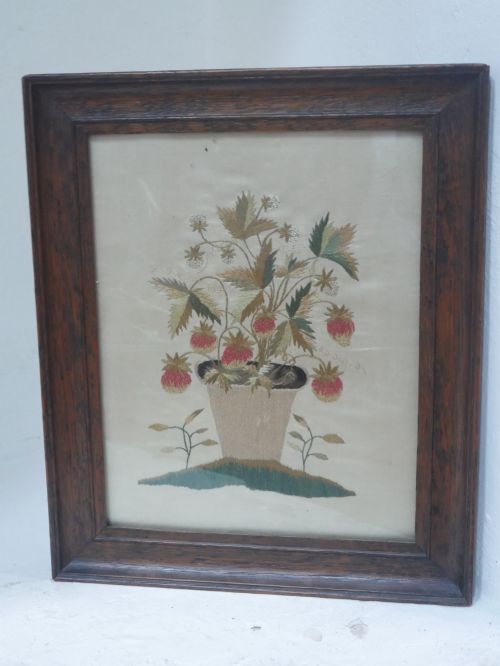
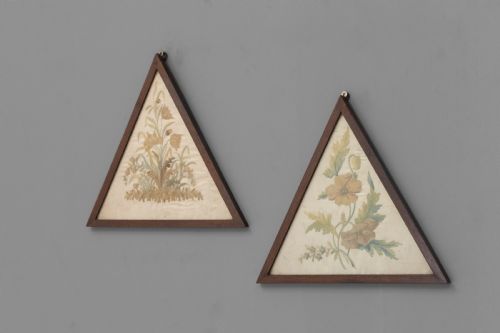
The most common formats on this page are framed textile pieces designed for wall display. These works utilise silk thread, wool, and cotton stitched onto linen grounds, often preserved behind glass within period wooden frames.
Materials and technique
Maker execution relies on natural fibre threads, predominantly silk and wool, worked onto linen foundations using varied embroidery and tapestry techniques. Craftsmen utilised specialised stitches to render petals, leaves, and stems with textural depth.
Framing forms an integral part of the construction, with historical panels housed in dedicated wooden surrounds such as giltwood frames or simple timber mouldings. Glazing protects the delicate textile surfaces from environmental degradation and dust.
Botanical Needlework Panel Retail Price Guide 2026
Typical asking prices for botanical needlework panel among the pieces listed under this phrase on Sellingantiques today, from the lower quarter to the upper quarter. They describe what is for sale here now, not the wider market.
Needlework strawberries stubbornly refuse to spoil, remaining fresh after three hundred years.
Evaluating quality
Quality rests on the precision of the needlework and the fidelity of the botanical or figurative depiction. Superior examples display subtle tonal shading in the silk or wool threads, creating realistic depth in floral motifs.
The preservation of the original fibres and the integrity of the ground fabric dictate the standing of a panel. Associated period framing, particularly original giltwood or timber surrounds, enhances the contextual value of the textile.
The Botanical Needlework Panel Glossary
- Needlework
- Stitched decoration executed by hand using a needle and thread on a textile ground. This term covers various embroidery styles seen across the centuries.
- Giltwood
- Wood carved and coated with gold leaf or gold paint. This finish frequently appears on frames housing eighteenth-century silk embroideries.
- Suzani
- A type of embroidered and decorative tribal textile made in Tajikistan, Uzbekistan, and other Central Asian nations. These large panels feature bold floral designs.
- Tapestry
- A form of textile art traditionally woven on a vertical loom rather than embroidered. Surviving examples include historical cushion covers and large European wall hangings.
Botanical Needlework Panel: Frequently Asked Questions
How old are these needlework panels?
The pieces span several centuries, with examples originating from the seventeenth, eighteenth, and nineteenth centuries. Each era employs distinct materials and stitching styles that reflect its period.
Specific dates or centuries are typically indicated in the individual listings based on stylistic analysis and material evidence.
Are the panels supplied with frames?
Many listings feature panels housed within period wooden or giltwood frames, sometimes protected behind glass. Framing safeguards the fragile historical textiles while preparing them for immediate wall display.
Details regarding the frame type and glazing are provided in the individual descriptions for each artwork.
What materials were used in the embroidery?
Historic makers utilised natural fibres including silk thread, wool, and cotton. These yarns were typically worked onto a sturdy linen foundation to support the weight of the stitching.
Some nineteenth-century examples incorporate alternative materials such as beads alongside traditional threadwork.
How should I care for a textile panel?
Protect the fabric by hanging the piece away from direct sunlight, which can fade delicate silk and wool threads over time. Maintaining stable indoor humidity prevents degradation of both the textile and its wooden frame.
Glazed frames help shield the delicate needlework from atmospheric dust and physical handling.