



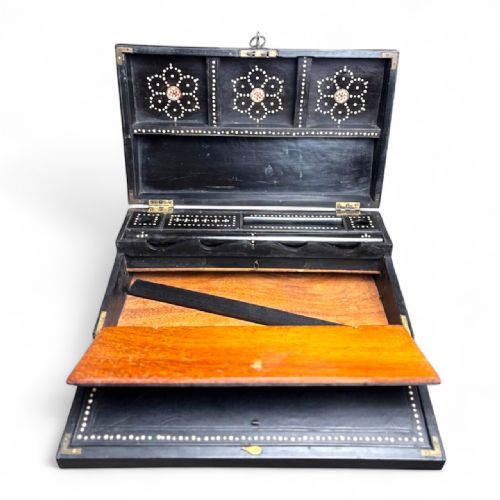


Bone Inlaid Desk
A bone inlaid desk is a striking piece of furniture that brings intricate craftsmanship and historical depth into a room.

Bone Inlaid Desk
A bone inlaid desk combines functional workspace with detailed decorative surfaces originating from various global traditions. When searching for a bone inlaid desk, buyers encounter forms that draw upon Anglo-Indian, Syrian, and European revival styles.
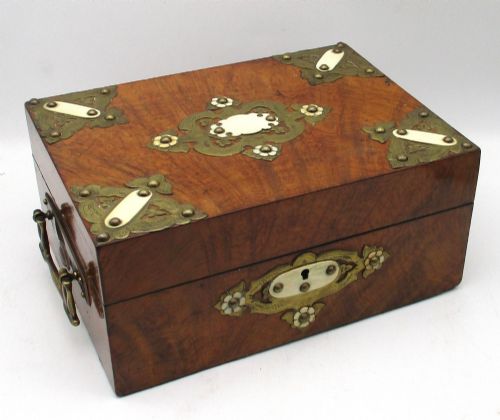
The pieces listed on this page span several centuries, reaching from the seventeenth century through the nineteenth century and into the early twentieth century. Desks and writing tables appear alongside related writing boxes, stationery boxes, and cabinets.
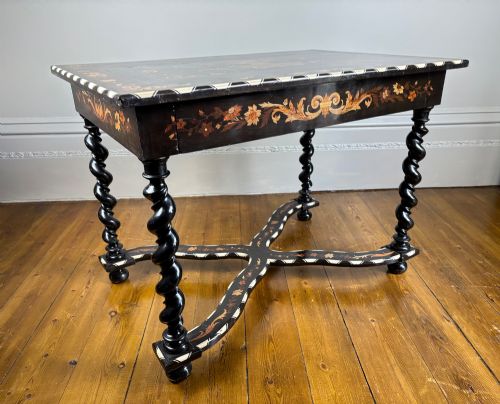
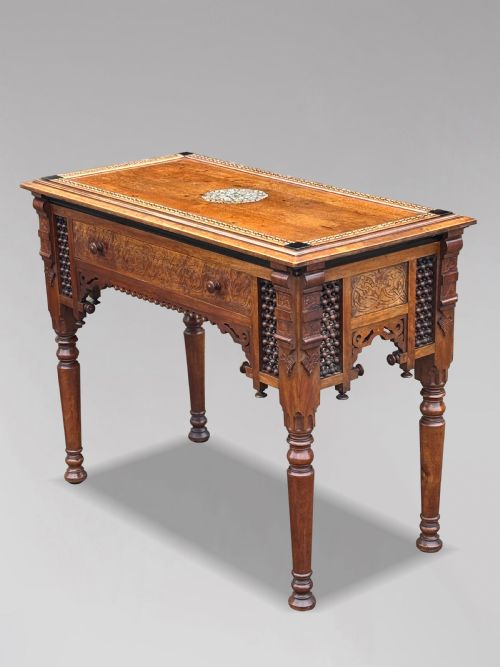
Materials extend beyond the primary bone inlay to incorporate ebony, walnut, fruitwood, and coromandel. These varied origins mean that pieces range from Moorish revival tables to Dutch ebonised marquetry examples.
Materials and construction
Makers constructed these surfaces by carefully embedding small pieces of bone into dense timber grounds such as ebony, walnut, and fruitwood. This technique requires immense precision to ensure the individual tesserae sit flush with the surrounding wood.
Additional decorative elements like mother-of-pearl, brass, and tortoiseshell frequently accompany the bone inlay to create complex geometric or floral patterns. Frameworks often utilise traditional joinery suited to the specific regional workshop and period.
Bone Inlaid Desk Retail Price Guide 2026
Typical asking prices for bone inlaid desk among the pieces listed under this phrase on Sellingantiques today, from the lower quarter to the upper quarter. They describe what is for sale here now, not the wider market.
Several elephants made of ebony and bone stand ready to guard your bookshelf.
Evaluating quality and execution
Quality rests upon the intricacy of the inlay work and the tightness of the fit between the bone sections and the timber ground. Superior examples exhibit minimal gaps and steady, precise alignment across complex geometric or figural motifs.
The choice of secondary woods and the presence of supplementary materials like mother-of-pearl or brass wire distinguish finer productions from simpler utilitarian items. Preservation of the original surface patination also marks a higher grade of craftsmanship.
Adriano Brambilla
The Bone Inlaid Desk Glossary
- Anglo-Indian
- A stylistic term describing decorative arts produced during the British Raj period by local artisans incorporating British furniture forms. These items frequently feature dense carved foliage and contrasting inlay.
- Ebonised
- Wood treated with a dark finish to imitate expensive ebony. This process provides a high-contrast background that makes white bone inlay stand out.
- Marquetry
- The art of applying pieces of veneer to a structure to form decorative patterns. Craftsmen utilised this technique alongside inlay to enrich tabletops and cabinet fronts.
- Sadeli work
- A specific form of mosaic inlay originating in India using geometric patterns constructed from bone, horn, and metal. It appears on small boxes and portable writing furniture.
- Vargueno
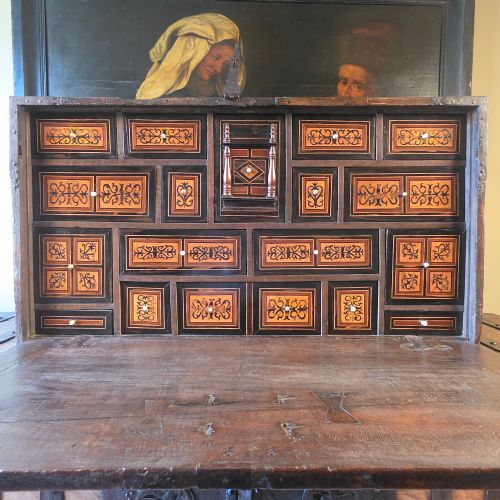
- A traditional Spanish cabinet with a drop-front writing surface revealing numerous small drawers and compartments. These pieces often rest upon a dedicated stand and display elaborate surface decoration.
Bone Inlaid Desk: Frequently Asked Questions
How do I clean a bone inlaid desk?
Dust the surface regularly with a soft, dry brush to prevent dirt settling into the recesses of the inlay. Avoid using liquid cleaners or harsh chemicals that can discolour the bone or loosen the adhesive.
Condition the surrounding wood sparingly with appropriate furniture wax while keeping polishes away from the unsealed bone sections. Gentle care preserves the historical integrity of the piece.
Are these desks suitable for daily writing?
Many historical writing desks and slopes function well for occasional correspondence and laptop use. The delicate nature of inlaid surfaces requires mindfulness regarding moisture and heavy pressure.
Using a blotter or a protective leather pad safeguards the writing surface during prolonged tasks. This allows you to enjoy using the piece without risking damage to the intricate details.
What periods do these pieces represent?
The selection includes items spanning from the seventeenth century through the Victorian era and up to nineteen-twenty. Earlier examples often reflect Spanish Renaissance or Dutch Baroque revivals.
Nineteenth-century items frequently showcase Aesthetic Movement, Moorish, or Anglo-Indian colonial craftsmanship. Each period brings distinct construction methods and design influences to the furniture.
Where were these pieces manufactured?
Production locations range across British colonial India, Syria, and European workshops inspired by foreign aesthetics. Artisans in these diverse regions utilised local timbers alongside imported materials.
This cross-cultural exchange produced distinct regional styles, such as Vizagapatam work or Moorish revival tables. Understanding the geographic origin helps date and attribute the furniture.