

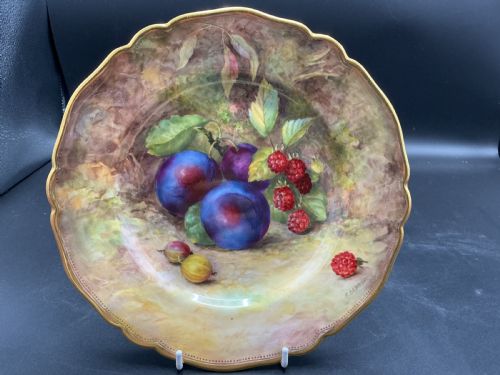


Bone China Fruit Dish
A bone china fruit dish brings hand-painted orchard studies and rich gilding to the table, offering a touch of traditional English elegance.
Bone China Fruit Dish
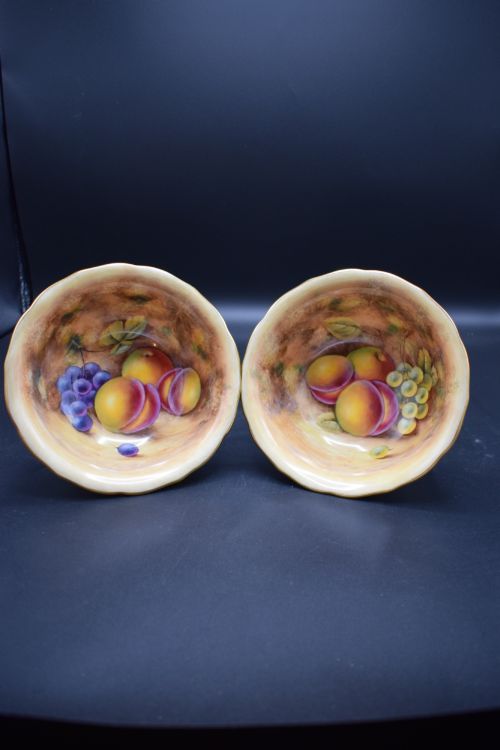
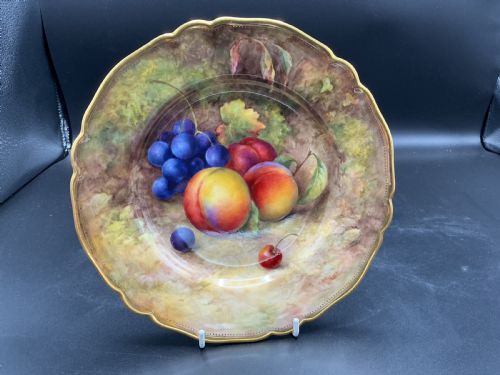
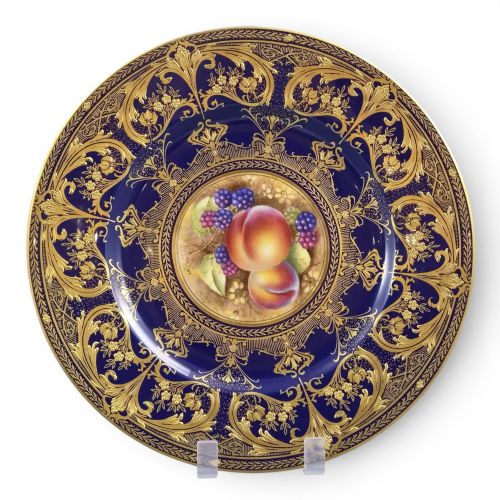
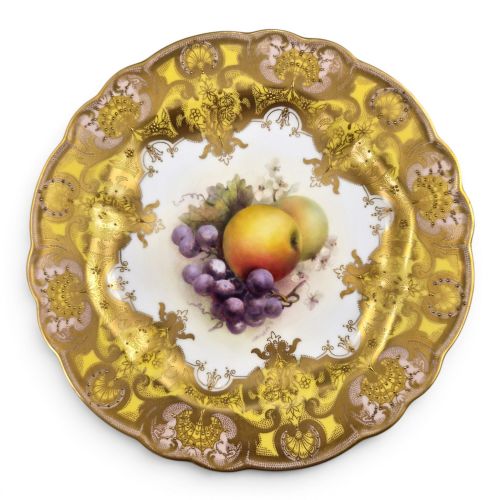
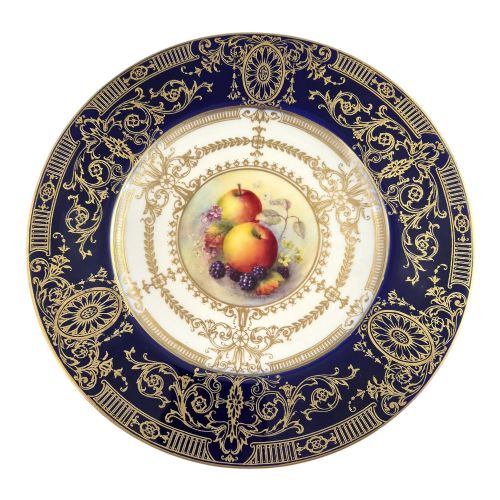
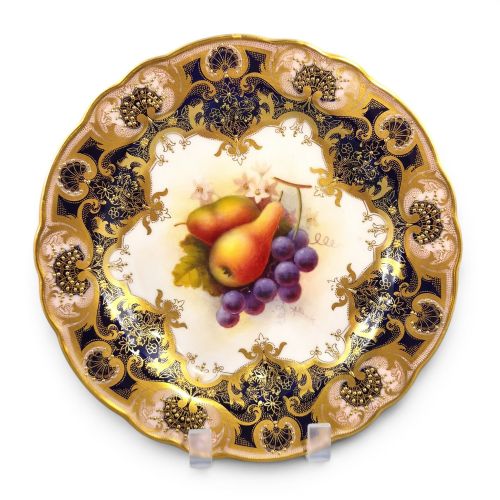
A bone china fruit dish represents a specialised form of tableware designed for serving dessert or displaying painted botanical scenes. The pieces seen here span periods from the Georgian and Victorian eras through to the mid-twentieth century, capturing shifts in domestic dining habits. You will most frequently encounter cabinet plates and dessert dishes bearing detailed studies of fruit.
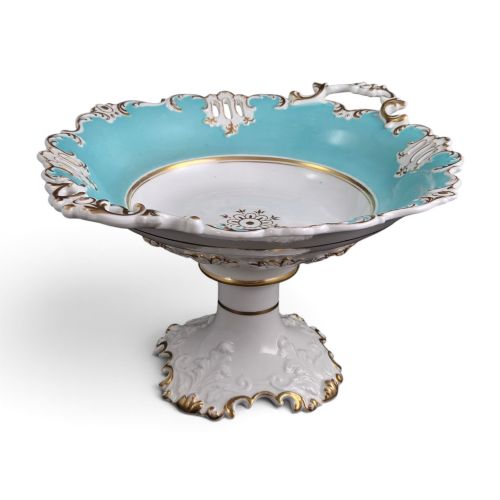
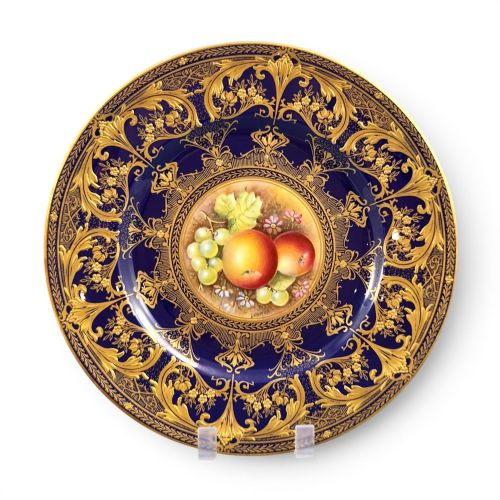
The selection ranges from elaborate Victorian tazzas with turquoise borders to Edwardian and later twentieth-century plates featuring artist signatures. Forms include oval dessert dishes, rope-edge plates, and sugar bowls, each demonstrating the versatility of fine ceramic production. These objects function equally as functional tableware and as decorative cabinet pieces.
Materials and manufacture
The manufacturing process relies upon fine bone china and porcelain bodies, which provide a bright white, translucent ground for detailed painting. Artisans applied polychrome enamel pigments by hand to capture the rich hues of peaches, grapes, and apples. Firing fixed these enamels permanently into the glaze.
Gilding and gold leaf finish the rims and handles, often applied by hand and burnished to a high lustre. Techniques such as raised gold work and moulded rope edges appear across various periods to frame the central painted compositions.
Bone China Fruit Dish Retail Price Guide 2026
Typical asking prices for bone china fruit dish among the pieces listed under this phrase on Sellingantiques today, from the lower quarter to the upper quarter. They describe what is for sale here now, not the wider market.
Painters famously fortified their fruit studies with actual orchard specimens brought directly into the studio.
Assessing quality and craftsmanship
Quality in these pieces rests primarily upon the skill of the artist responsible for the hand-painted fruit studies. Master painters achieved naturalistic depth and shadow that set their work apart from standard transfer-printed wares. Signed pieces by notable decorators demonstrate a higher tier of artistry.
The crispness of the porcelain moulding and the richness of the gilding further distinguish finer examples. Weight, translucency, and the precision of the enamel work indicate the standard of production achieved by the pottery.
Royal Worcester·Coalport·Derby Porcelain
The Bone China Fruit Dish Glossary
- Bone china
- A type of porcelain composed of clay, feldspathic rock, and bone ash. This composition creates a strong, highly translucent body suitable for delicate forms.
- Cabinet plate
- A decorative plate intended for display in a cabinet or on a wall rather than for daily dining use. These often feature elaborate hand-painted scenes.
- Tazza
- A shallow bowl or plate mounted on a stem and foot. This form elevates fruit or desserts on the table or sideboard.
- Enamel
- Vitreous colour applied over the glazed ceramic surface. Enamels require subsequent lower-temperature firings to fuse with the glaze.
- Gilding
- The application of gold leaf or gold paint to ceramics. It highlights rims, handles, and moulded details.
Bone China Fruit Dish: Frequently Asked Questions
How do I date a bone china fruit dish?
Dating relies upon backstamps, factory marks, and stylistic clues such as border designs and painting techniques.
Comparing the recorded period of manufacture with known decorator signatures helps narrow the date of creation.
Were these dishes meant for everyday use?
Many examples, particularly cabinet plates and tazzas, served as decorative display items or part of formal dessert services.
Other forms like dessert dishes and sugar bowls saw active service during middle and upper-class dining traditions.
How should I clean painted fruit dishes?
Gentle hand washing in warm water with mild soap preserves the delicate enamel paints and gold leaf.
Avoid abrasive sponges or dishwashers, which can wear away hand-applied gilding over time.