



Bohemian Cut to Clear Glass
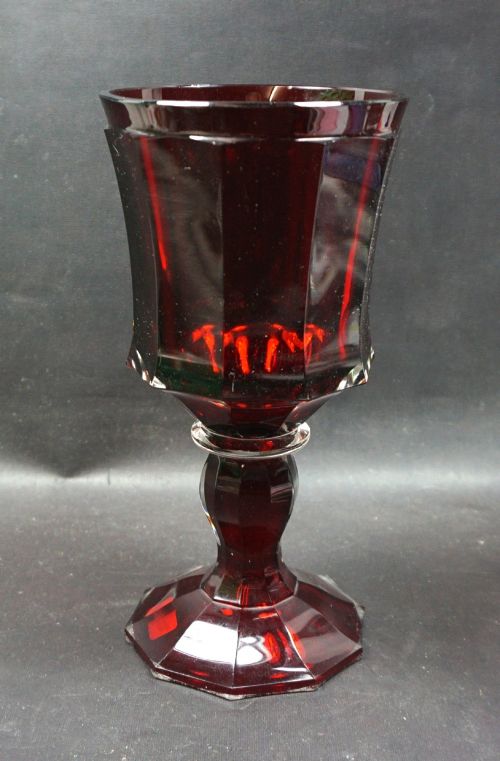
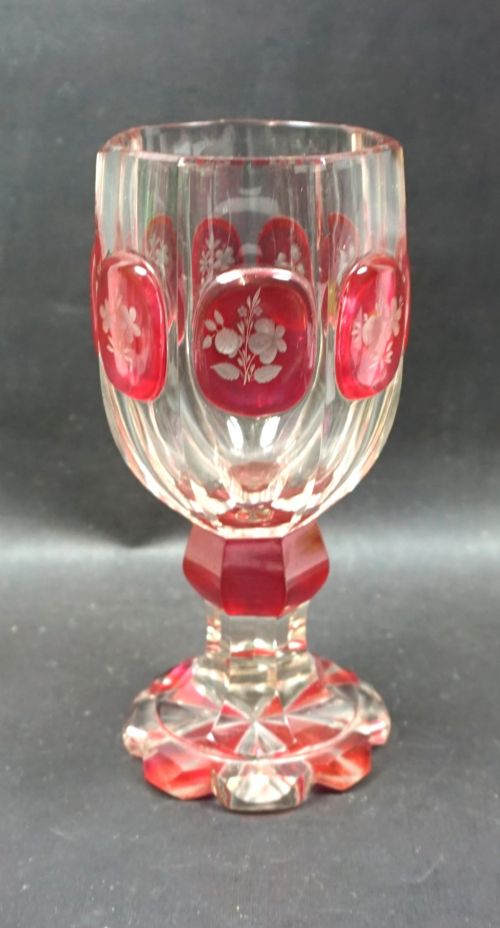
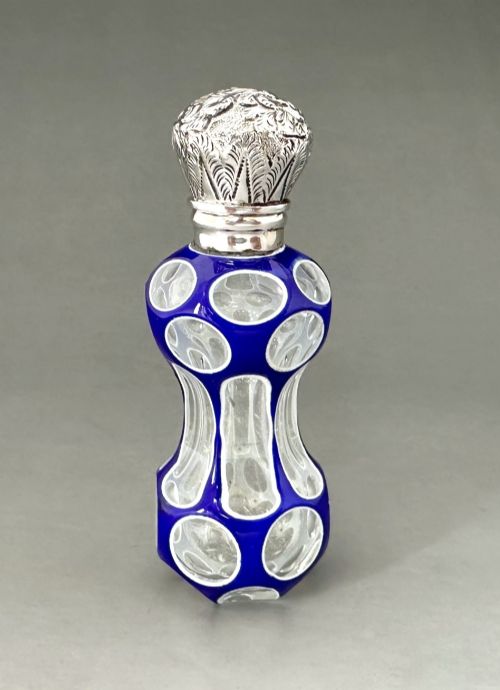
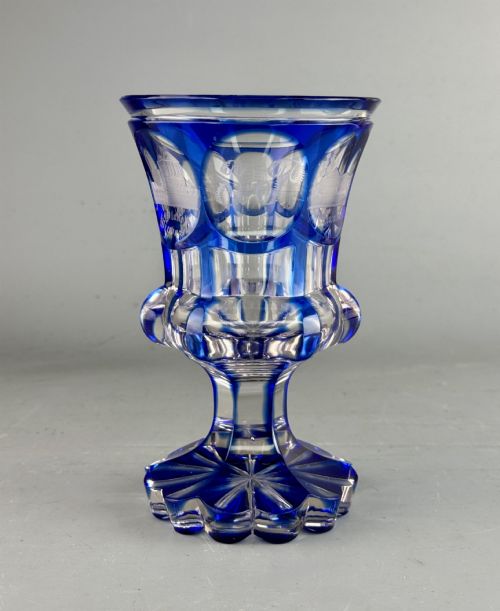
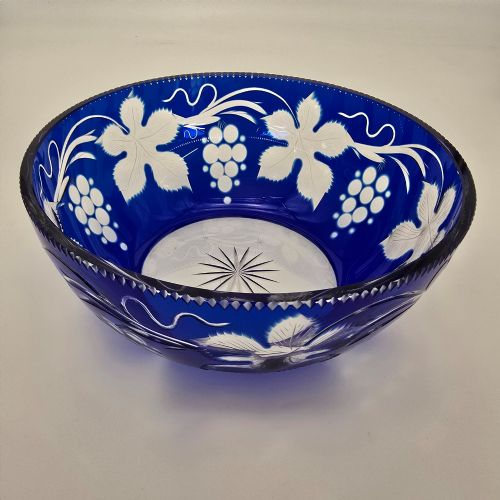
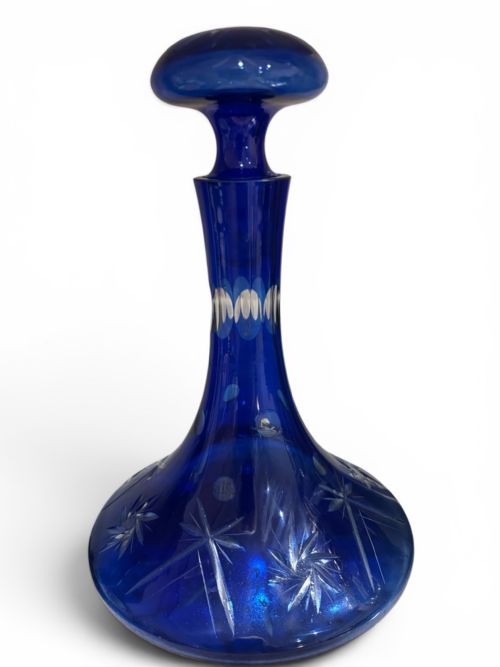
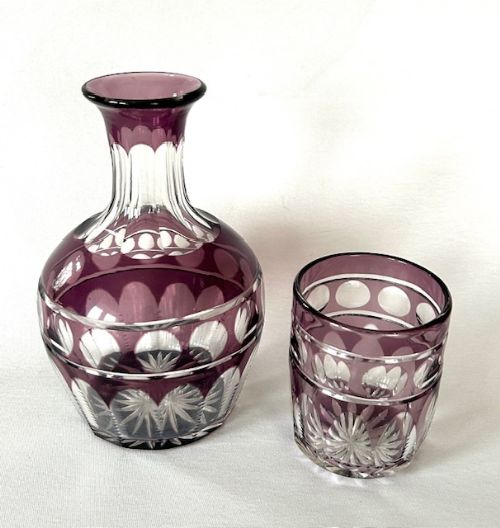
These heavy bohemian cut to clear glass vessels catch the light across a room with layered depths of ruby, cobalt, and crystal.
Bohemian Cut to Clear Glass
These items originate predominantly from Bohemian workshops and the wider Victorian stylistic tradition. The forms range from ovoid vases and scent bottles to pairs of matching beakers and wine glasses.
Collectors find that pieces from this tradition serve as striking display items on mantelpieces and sideboards. Their presence brings a distinct weight and deep colour saturation to any room.
How they were made
The makers of bohemian cut to clear glass utilised layered techniques, including ruby flash glass, ruby red engraved glass, and triple cased gilt glass. Artisans applied a thin layer of coloured glass over a colourless crystal or clear glass core before cutting through the outer stratum.
The surface decoration relied on precise wheel-cutting and engraving to expose the clear glass beneath. This process created sharp contrasts between the transparent base and the richly coloured exterior panels.
Bohemian Cut to Clear Glass Retail Price Guide 2026
Typical asking prices for bohemian cut to clear glass among the pieces listed under this phrase on Sellingantiques today, from the lower quarter to the upper quarter. They describe what is for sale here now, not the wider market.
A Victorian scent bottle sits proudly alongside heavy wine goblets, proving that nineteenth-century drinkers and perfume lovers demanded equal amounts of drama.
What varies in quality
The distinction between standard and superior pieces lies in the crispness of the wheel-cut facets and the depth of the colour overlay. Finely made examples display clean geometric or floral cuts that penetrate precisely to the clear layer without blurring the edges.
Weight and balance also set the finer items apart, particularly in larger bowls, vases, and decanters. Superior vessels feel substantial in the hand and maintain symmetry across panels and rims.
The Bohemian Cut to Clear Glass Glossary
- Cut to clear
- A manufacturing technique where a coloured layer of glass is partially cut away to reveal the clear crystal underneath. This process creates bold patterns of alternating colour and transparency.
- Flash glass
- A thin layer of coloured glass fused over a thick body of clear glass. It allows artisans to achieve deep hues while maintaining structural clarity.
- Overlay
- A method involving multiple distinct layers of glass casing one another. Makers cut through these layers to produce polychrome visual effects.
- Crystal
- A high-clarity glass composition containing mineral content that increases weight and brilliance. It provides the ideal foundation for deep facet cutting.
Bohemian Cut to Clear Glass: Frequently Asked Questions
How do I clean my bohemian glass?
Wash these items by hand using lukewarm water and mild soap. Avoid abrasive sponges that might scratch the surface or dull the faceted edges.
Dry the vessel immediately with a soft lint-free cloth to prevent water spots on the clear and coloured panels.
Are these pieces safe for drinks?
Many decanters, carafes, tumblers, and wine glasses were made for serving beverages during the Victorian period. However, older pieces containing high mineral content require careful handling.
Use them for serving drinks with caution, and avoid exposing them to sudden temperature changes to prevent cracking.
How can I date my glass?
Dating relies on stylistic clues, manufacturing techniques, and recorded periods such as the Victorian era or the nineteenth century. Look at the weight, the depth of the colour layer, and the style of the cutting.
Comparative analysis with documented pieces from similar years helps narrow down the decade of production.
Where were these items made?
These decorative glass objects originated primarily in Bohemia during the nineteenth and early twentieth centuries. Skilled artisans in regional workshops produced a wide variety of tableware and display items.
Their work reflects the distinctive design standards of the Victorian period and surrounding decades.