


Bohemian Art Nouveau Vases
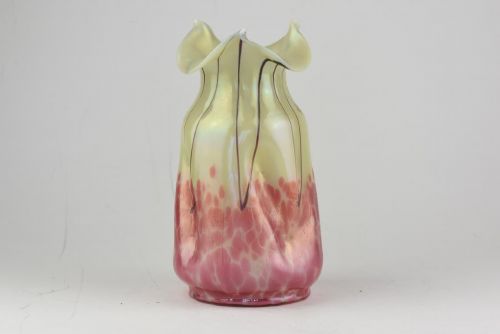
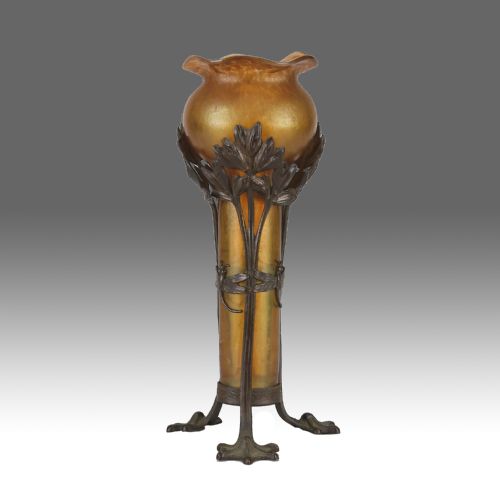
These bohemian art nouveau vases bring fluid organic lines, iridescent surfaces and sculptural metal mounts into a room.
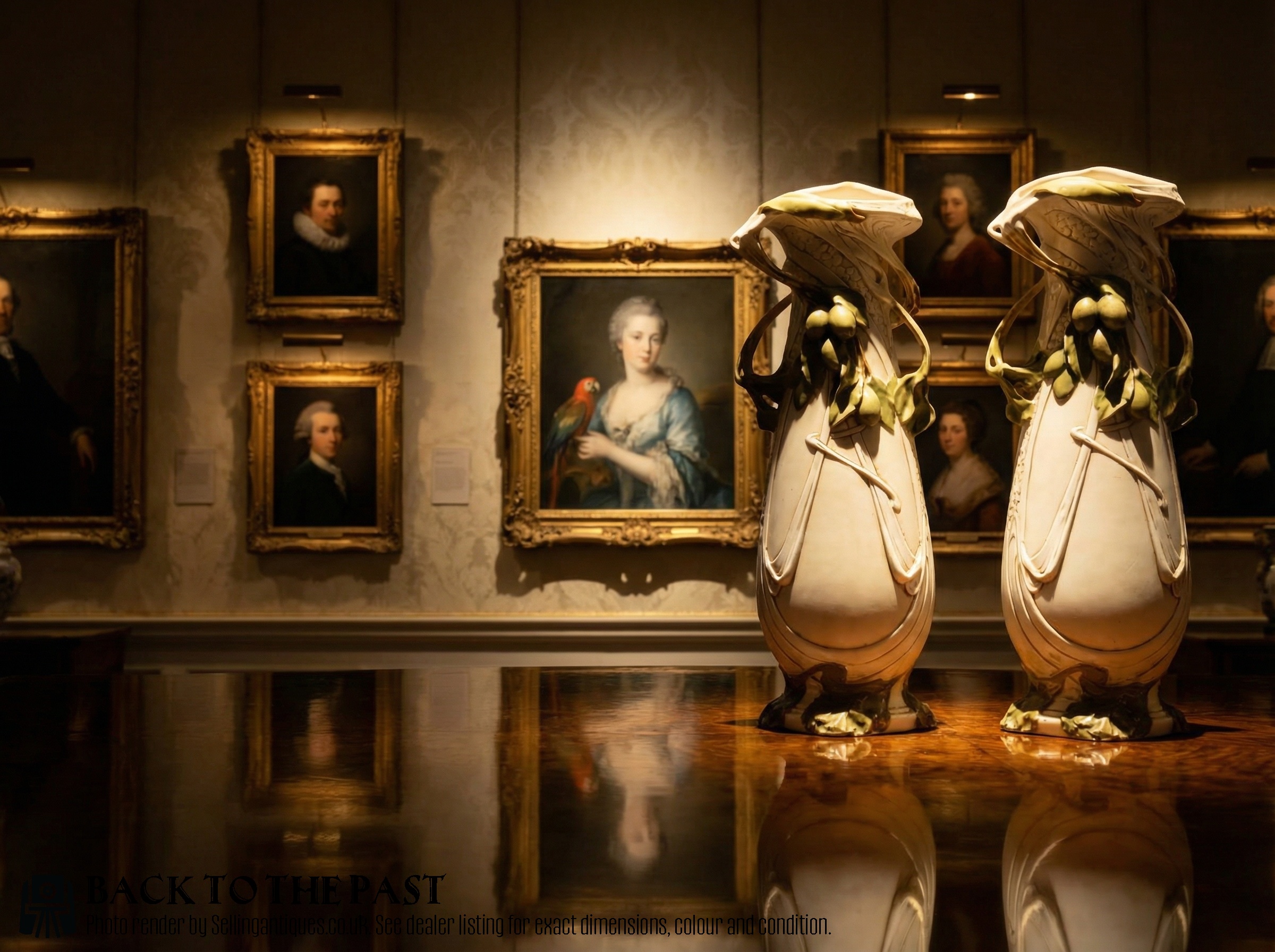
Bohemian Art Nouveau Vases
When you search for bohemian art nouveau vases, you encounter works produced in the Bohemian region during the late nineteenth and early twentieth centuries. These vessels embody the organic shapes, natural motifs and innovative decorative techniques associated with the period.
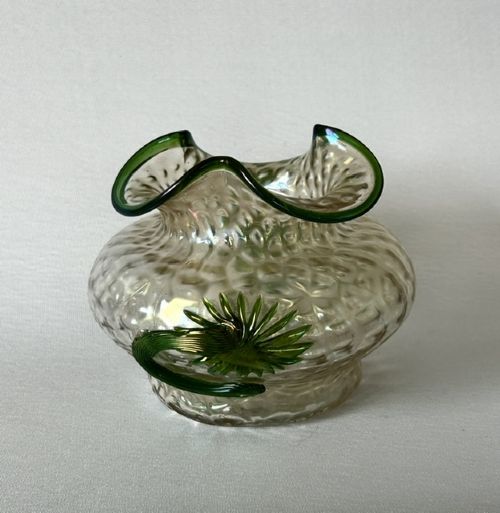
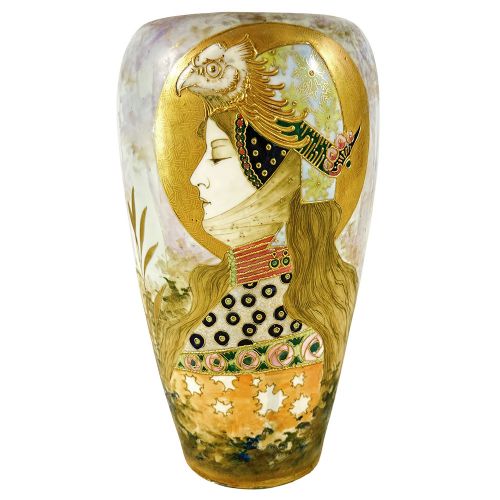
The most common examples on this page are iridescent glass vessels from makers such as Loetz, alongside earthenware and porcelain pieces from factories like Amphora and Royal Dux. Forms range from simple spill vases to monumental ewers and centrepieces.
The aesthetic draws heavily from the Jugendstil and Vienna Secession movements, combining flowing plant-like contours with metallic overlays and mounts. Collectors find works spanning the Victorian, Edwardian and subsequent decades of the early twentieth century.
How they were made
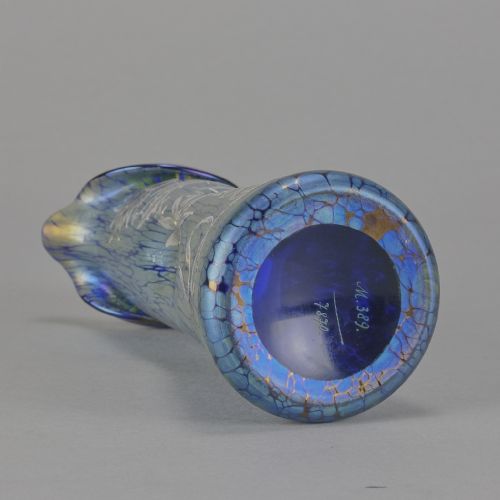
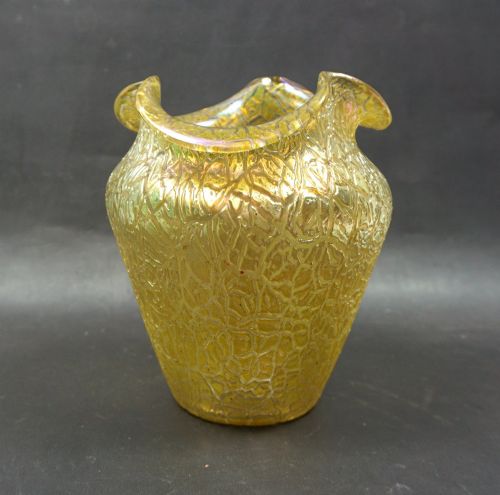
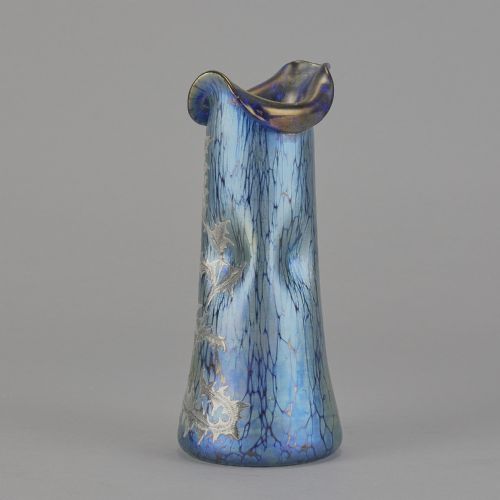
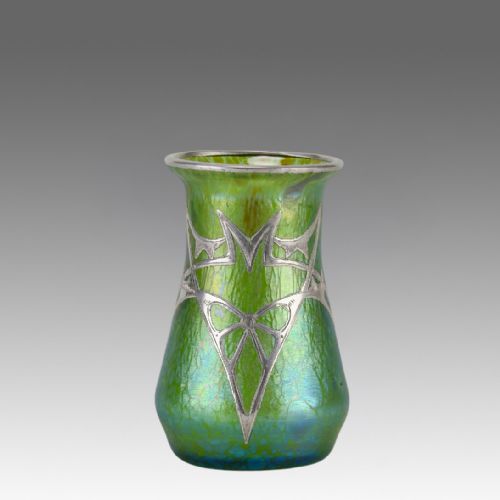
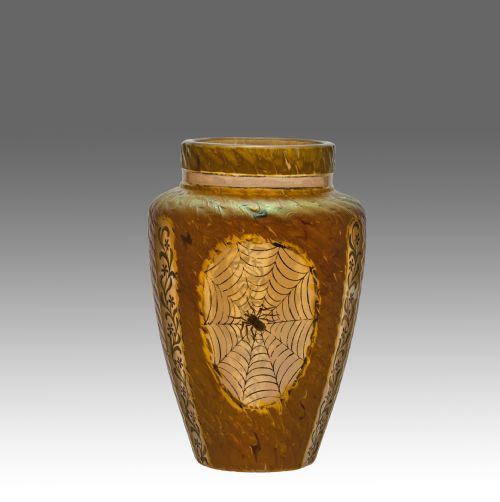
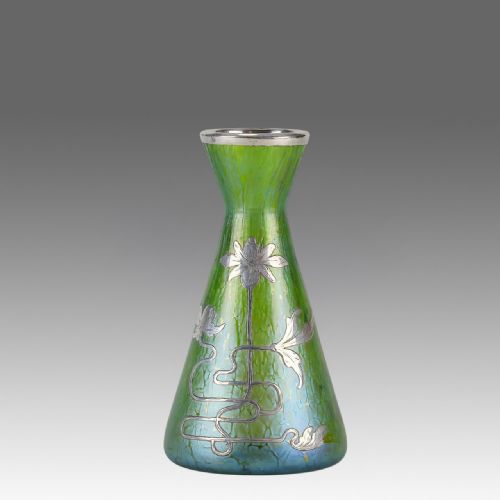
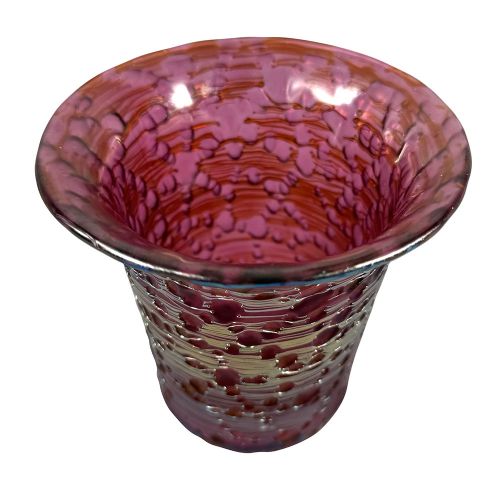
Glassmakers utilised specialised chemical treatments on molten batches to achieve iridescent surfaces, organic crackle textures and complex patterns like Papillon and Phänomen. Metallic effects often involved applying silver, pewter or bronze mounts directly to the glass body.
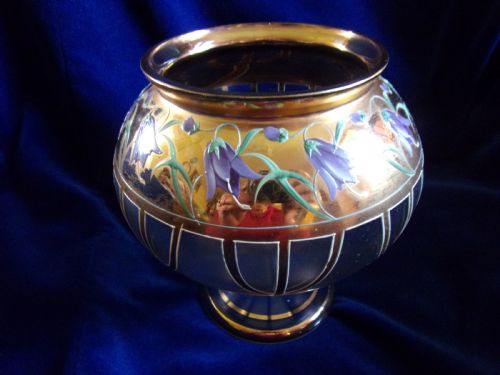
Ceramic pieces combined earthenware or porcelain bodies with hand-painted glazes, gold leaf and gilding. Moulded forms frequently incorporated sculptural details such as water nymphs, floral stems and animal motifs.
Snakes, tadpoles and water nymphs populate the glass and ceramic surfaces of these botanical designs.
What varies in quality
The distinction between tiers rests upon the ambition of the design and the execution of the decorative medium. Intricate applied glass threading, complex metallic overlays and deeply saturated iridescence set finer examples apart from simpler production pieces.
The precision of hand-painted details and the crispness of moulded earthenware or porcelain relief work dictate the standing of ceramic vessels. The integration of bronze, pewter or silver mounts also influences the overall presence of the piece.
Loetz Witwe·Kralik Glass·Royal Dux·Ernst Wahliss·Paul Dachsel
The Bohemian Art Nouveau Vases Glossary
- Iridescent Glass
- Glass treated with metallic salts to produce a rainbow sheen on the surface. This technique created the signature shimmering effect seen on many Bohemian pieces.
- Secessionist
- A style associated with the Vienna Secession movement that favoured geometric abstraction alongside organic art nouveau lines. It represents a departure from traditional historicist ornamentation.
- Spill Vase
- A tall, narrow container designed to hold wooden spills used for lighting fires or candles. They appear frequently in both ceramic and glass forms.
- Earthenware
- Porous pottery fired at lower temperatures, commonly glazed and painted. It served as a primary medium for major Bohemian ceramic factories.
- Jugendstil
- The continental European variant of art nouveau, named after the German arts magazine. It emphasises youthful, dynamic plant-inspired motifs.
Bohemian Art Nouveau Vases: Frequently Asked Questions
How do I identify a Loetz vase?
Look for distinctive iridescent glass decors such as Papillon or Phänomen combined with polished pontil marks on the base. Many pieces also feature metal mounts or specific colour gradients characteristic of the glassworks.
Closer inspection often reveals fluid, organic forms that lack surface painting, allowing the optical effects of the molten glass to define the piece.
What is silver overlay?
Silver overlay involves depositing a layer of pure silver directly onto the surface of a glass or ceramic vessel in decorative patterns. The metal grips the body through chemical bonding and etching.
This technique adds a tactile metallic contrast to the smooth glass or glazed ceramic underneath, frequently following natural floral motifs.
Where were these pieces made?
These works originate from the historical region of Bohemia, which formed part of the Austro-Hungarian Empire during the production period. Towns such as Schluckenau and the surrounding districts housed the primary glasshouses and ceramic factories.
Major firms operated workshops that exported these distinct decorative items across Europe and beyond.
How should I display a large ceramic ewer?
Large ewers and centrepieces require stable surfaces with adequate clearance to showcase their sculptural handles and moulded figures. Placing them away from direct sunlight protects the delicate hand-painted glazes and gold leaf.
Allowing sufficient space around the vessel highlights the three-dimensional plant and animal forms typical of the period.