




Blue Yellow Ceramic Plate
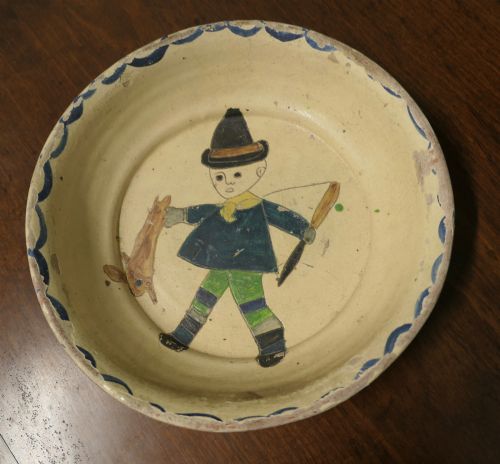
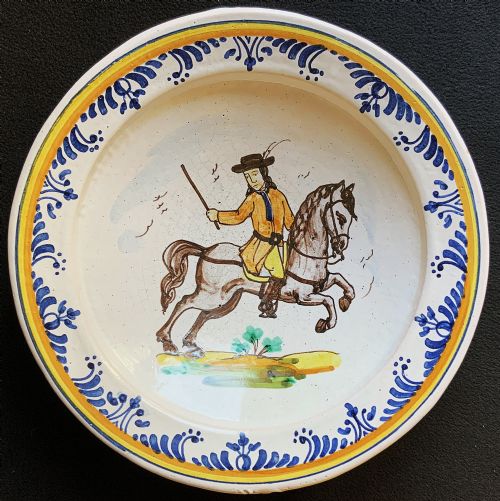
A blue yellow ceramic plate brings vibrant tin-glazed earthenware and polychrome palettes into domestic spaces, prized for centuries of bold decorative display.
Blue Yellow Ceramic Plate
When someone searches for a blue yellow ceramic plate, they encounter a range of forms including chargers, cabinet plates, and wall plaques spanning from the seventeenth century through the twentieth century. These items showcase regional traditions from Dutch Delft to Spanish faience and Italian maiolica, each employing striking contrasting hues for visual impact.
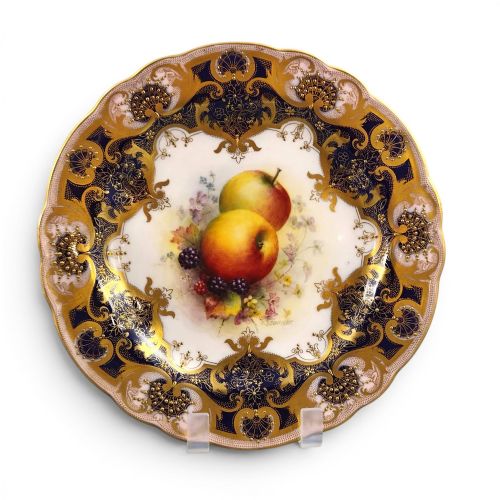
The versions most commonly met on this page are large chargers and decorative dishes, frequently featuring polychrome decoration that combines cobalt blues with warm yellows. Pieces range from seventeenth-century Dutch lobed dishes to nineteenth-century majolica and Scottish earthenware plaques, offering diverse interpretations of historical aesthetics.
Makers and regional schools across Europe utilised these palettes to enliven interiors, producing robust earthenware and delicate porcelain formats alike. Buyers will find both deep-welled chargers intended for display and cabinet plates painted with elaborate pictorial scenes.
How they were made
Potters formed these items primarily from earthenware, terracotta, and porcelain, shaping bodies by hand or wheel before applying opaque tin-glazes. This white or pale ground provided a smooth canvas for subsequent painting in mineral pigments.
Artisans applied metallic oxides directly onto the unfired glaze, yielding cobalt blue and yellow alongside other polychrome pigments during high-temperature firing. Select decorative elements occasionally incorporated gold leaf to accentuate painted historical scenes and botanical motifs.
Blue Yellow Ceramic Plate Retail Price Guide 2026
Typical asking prices for blue yellow ceramic plate among the pieces listed under this phrase on Sellingantiques today, from the lower quarter to the upper quarter. They describe what is for sale here now, not the wider market.
What varies in quality
The sophistication of the painted narrative or floral composition largely determines the distinction between standard vessels and masterworks. Istoriato scenes and finely executed polychrome brushwork demonstrate superior technical control by the painter.
The stability of the glaze and the crispness of the lobed or moulded edges reveal the underlying skill of the potter. Finer examples retain vibrant mineral colours and smooth surface integrity across centuries of handling.
Richard Sebright
The Blue Yellow Ceramic Plate Glossary
- Charger
- A large decorative plate or dish, typically measuring over thirty centimetres, designed for display on walls or sideboards rather than dining use.
- Tin-Glazed Earthenware
- Pottery covered with a lead glaze made opaque by the addition of tin oxide, providing a white surface for painted decoration.
- Maiolica
- Italian tin-glazed earthenware decorated with colourful pigments, flourishing during the Renaissance and later revival periods.
- Istoriato
- A style of pottery decoration featuring narrative scenes derived from classical history, mythology, or biblical stories painted across the entire surface.
- Polychrome
- The application of multiple distinct colours in the decoration of a ceramic object, contrasting with monochrome blue-and-white wares.
Blue Yellow Ceramic Plate: Frequently Asked Questions
Were these plates used for dining?
Larger chargers and wall plaques served primarily as decorative display items on walls and dressers rather than functional tableware.
Smaller cabinet plates and dishes fulfilled ornamental roles within domestic interiors, showcasing the painter's skill.
How do I identify seventeenth century Dutch delft?
Seventeenth-century Dutch pieces often feature tin-glazed earthenware bodies with distinct polychrome palettes and lobed or scalloped rims.
Examining the glaze consistency and the style of floral or figurative brushwork helps distinguish these early works.
What is the difference between majolica and faience?
Majolica generally refers to Italian tin-glazed earthenware traditions, while faience describes similar tin-glazed techniques originating in France, Spain, and the Netherlands.
Both categories utilise porous clay bodies covered in an opaque white glaze to receive painted pigments.
How should I hang a heavy charger?
Displaying large chargers securely requires specialised spring-loaded wall hangers designed to distribute weight evenly across the rim.
Avoid relying on simple adhesive discs or thin wire when mounting heavy earthenware and ceramic plates.