





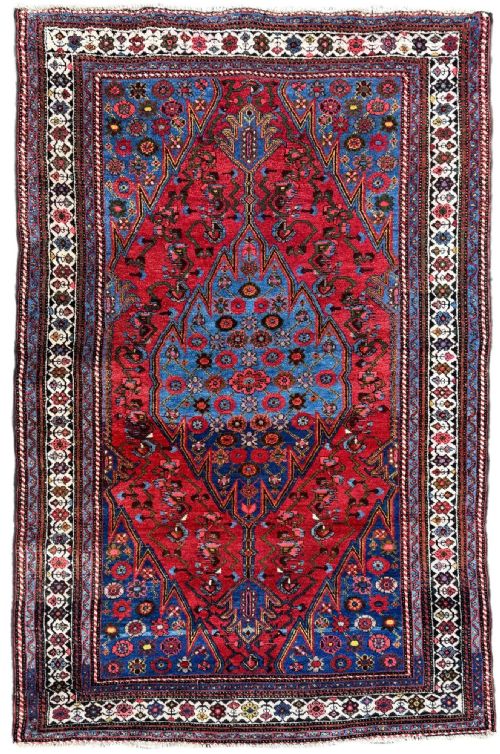
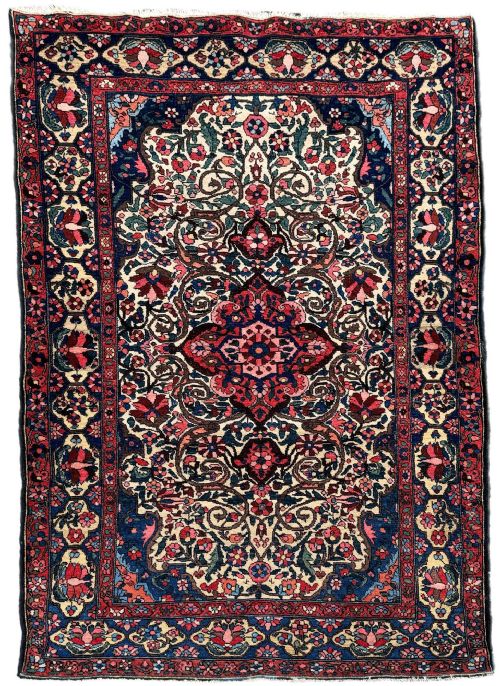
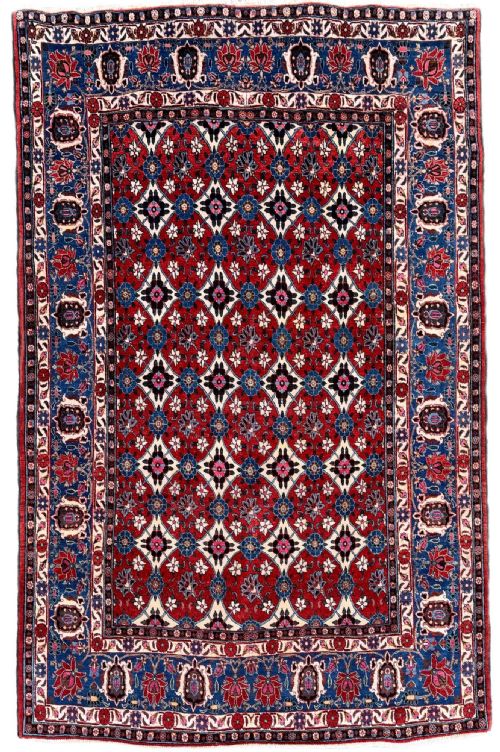
Blue Wool Floor Carpet
A blue wool floor carpet brings genuine depth and texture to a room, offering hard-wearing character woven through generations.
Blue Wool Floor Carpet
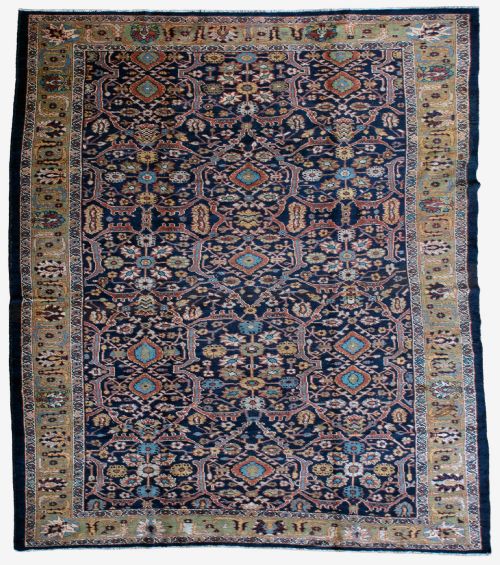
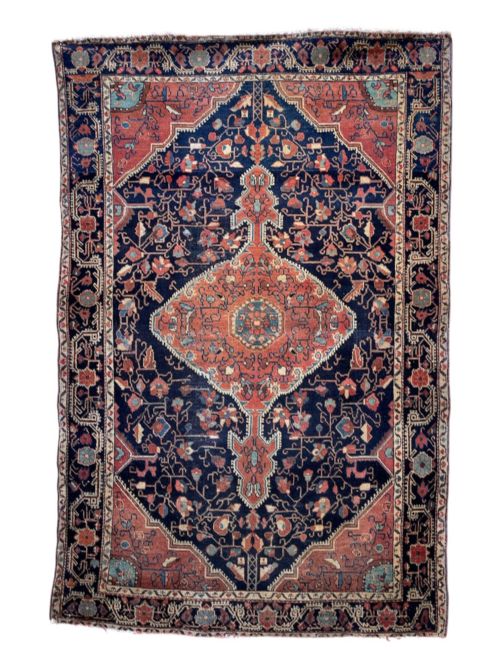
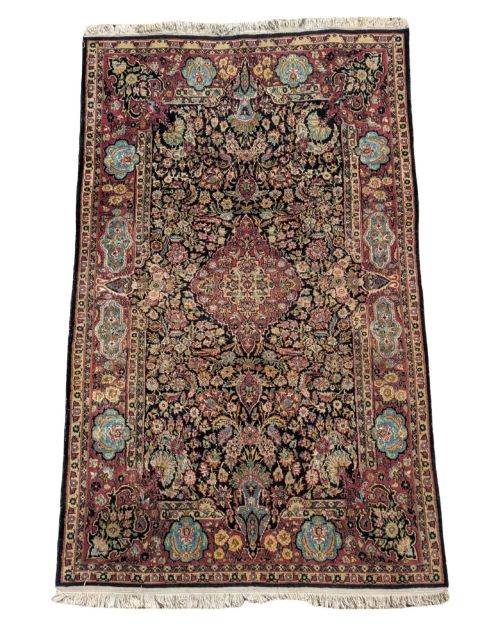
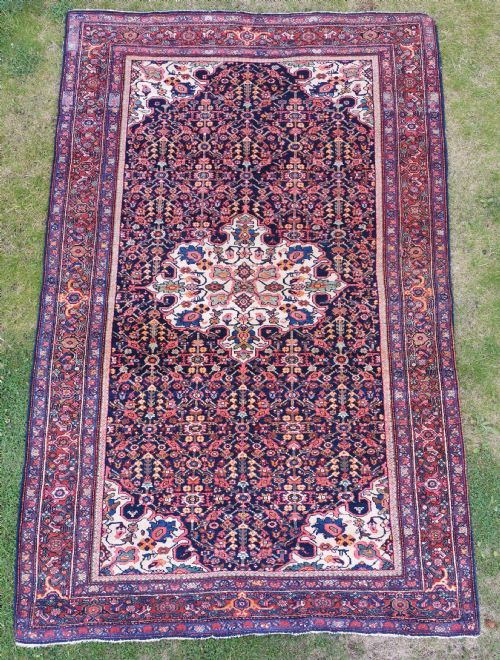
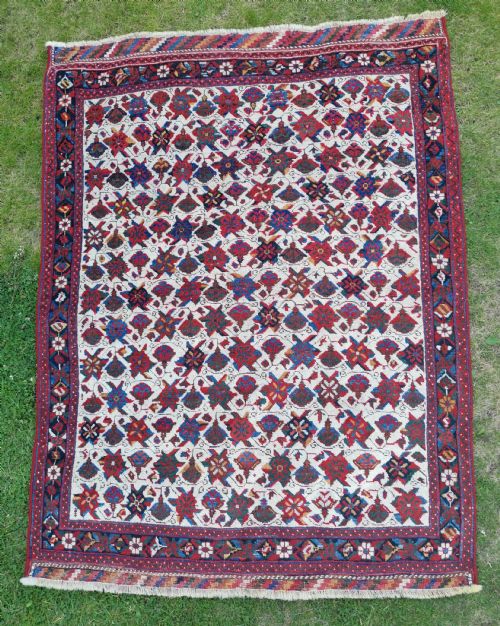
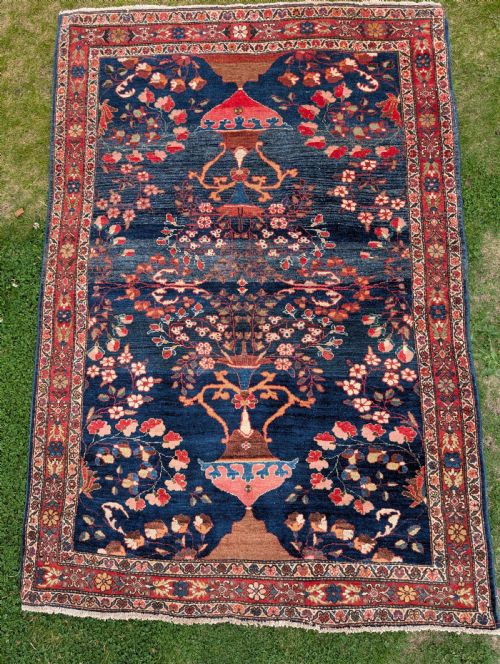
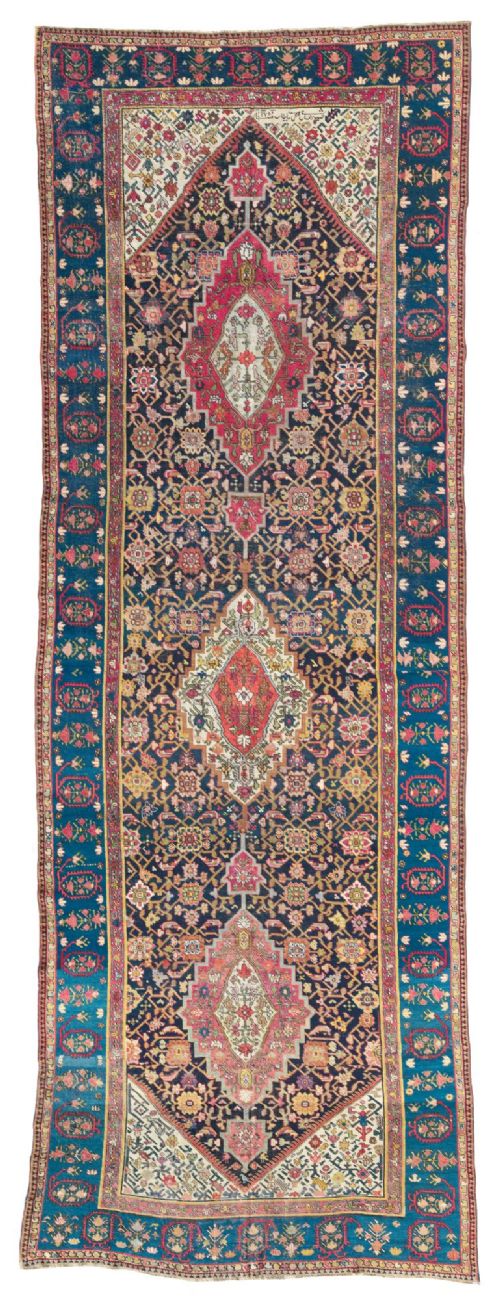
A blue wool floor carpet encompasses woven floor coverings originating from diverse regions including Persia, the Caucasus, and Ottoman territories, spanning the middle of the nineteenth century through to the middle of the twentieth century. These pieces arrive in various formats, ranging from compact area rugs and elongated hallway runners to substantial carpets suitable for major living spaces.
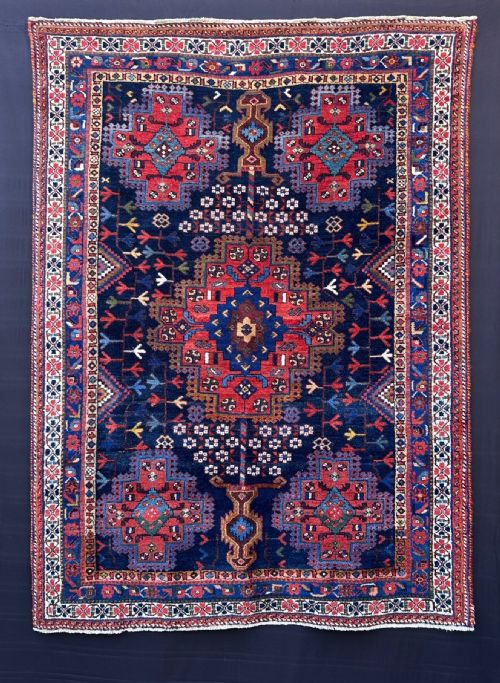
Buyers searching for a blue wool floor carpet frequently encounter traditional Persian and tribal village designs, alongside geometric Caucasian weaves and expansive Heriz or Ushak carpets. The selections present distinct regional patterns, from medallion layouts to dense overall repeats, executed within rich indigo and sky blue palettes.
The surviving inventory bridges formal city workshops and nomadic tribal production, capturing the aesthetic preferences of weavers from eighteen-fifty to nineteen-forty. Each example demonstrates the practical utility of thick wool pile combined with durable cotton foundations designed for domestic installation.
Materials and construction methods
These floor coverings rely primarily on sturdy wool pile knotted onto supporting foundations of cotton or wool, occasionally incorporating silk highlights for specific decorative emphasis. The application of natural dyes ensures that the indigo and blue tones age with subtle variations across the surface.
Weavers utilised traditional hand-knotting techniques on vertical looms, creating dense structures designed to withstand heavy foot traffic over centuries. The integration of robust selvedges and reinforced end finishes protected the pile from fraying during daily domestic use.
Available formats range from compact village rugs and hallway runners to oversize carpets from Ushak and Heriz.
Factors distinguishing individual pieces
The standard of a woven carpet depends upon knot density and the precision with which the regional design is executed across the pile. Finer examples display intricate curves and balanced proportions, whereas simpler village or tribal weaves lean towards charming geometric abstraction.
The depth and stability of the natural dyes significantly influence the visual impact of the blue wool floor carpet over time. Uniformity in wool preparation and the absence of clumsy modern repairs preserve the structural integrity and historical authenticity of the piece.
The Blue Wool Floor Carpet Glossary
- Pile
- The upright yarn loops or tufts that form the usable surface of a carpet. This layer absorbs foot traffic and displays the woven pattern.
- Warp
- The stationary longitudinal threads stretched tightly on the loom before knotting begins. These parallel threads form the structural skeleton of the rug.
- Weft
- The horizontal threads passed alternately over and under the warp threads between rows of knots. They bind the knots securely in place and determine the rigidity of the fabric.
- Selvedge
- The reinforced side edges of a carpet formed by wrapping extra threads along the outermost warps. This finish prevents the outer knots from unravelling.
- Medallion
- A symmetrical central ornament placed in the field of a carpet. This prominent motif often anchors the surrounding floral or geometric composition.
Blue Wool Floor Carpet: Frequently Asked Questions
How do I clean an antique rug?
Regular gentle vacuuming without a rotating brush roll prevents dust accumulation within the wool pile. Professional specialist cleaning remains essential for addressing deeper soil without damaging natural dyes.
Water exposure should stay strictly limited to avoid weakening the cotton or wool foundation threads. Prompt blotting handles minor spills before moisture penetrates the lower knots.
Are these carpets suitable for hallways?
Elongated runner formats function effectively in corridors and entryways by protecting wooden or tiled flooring. The durable wool pile absorbs heavy daily foot traffic while maintaining its structural form.
Placing a suitable non-slip underlay beneath the piece prevents shifting and reduces friction against the floorboards. This simple precaution extends the usable lifespan of older foundation materials.
How do I identify regional styles?
Geometrical motifs and stark colour contrasts frequently point towards Caucasian or tribal village origin. Flowing floral arrangements and intricate central medallions usually indicate Persian city or town workshops.
Examining the weave structure, knot count, and selvage finish provides further clues regarding the specific district of production. Comparing edge treatments helps differentiate between nineteenth-century and mid-twentieth-century examples.
Will blue wool carpets fade in sunlight?
Direct, prolonged exposure to intense sunlight can gradually lighten natural indigo and blue dye tones over many years. Rotating the carpet periodically ensures even exposure and balanced wear across the room.
Positioning the textile away from unshaded south-facing windows preserves the original depth of the colour palette. Window films also offer practical protection against ultraviolet degradation.