


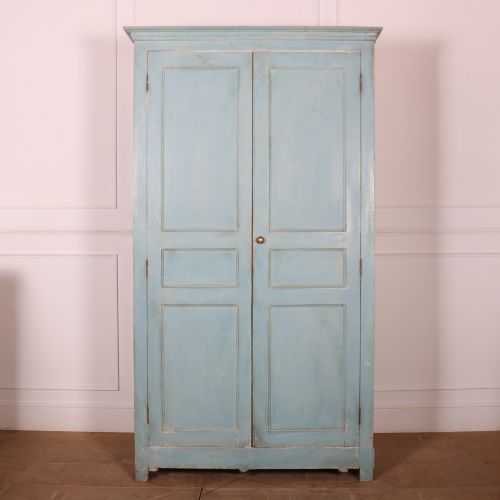
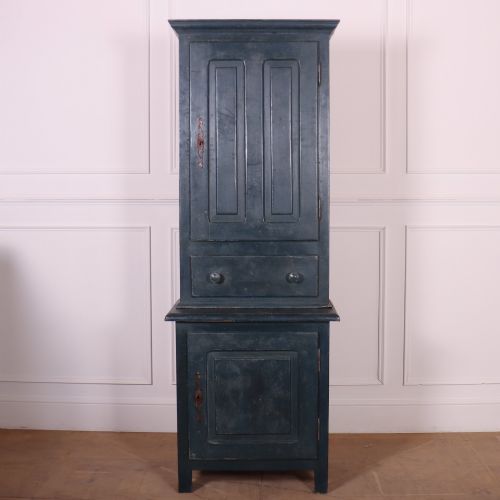
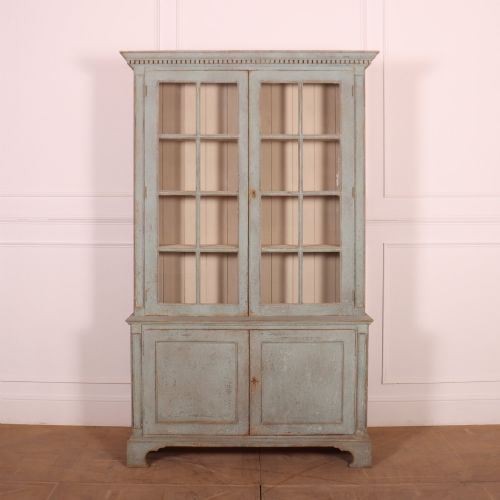
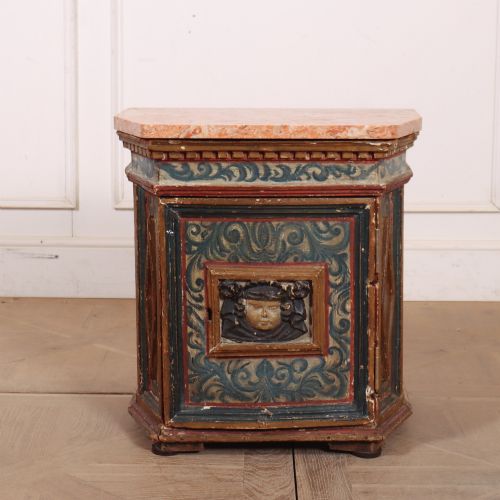


Blue Wood Cupboard
A blue wood cupboard brings functional storage and historic charm to a room, spanning rustic Swedish country pieces to ornate Italian cabinets.
Blue Wood Cupboard
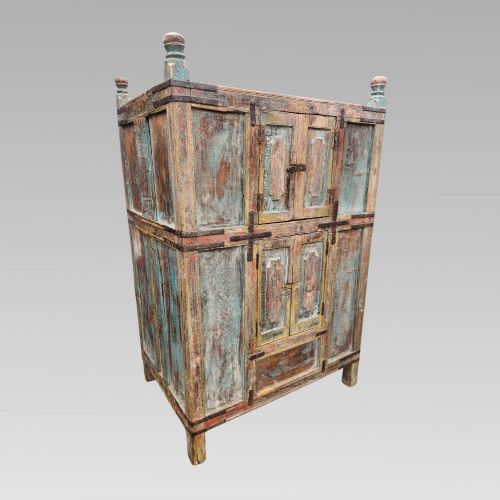
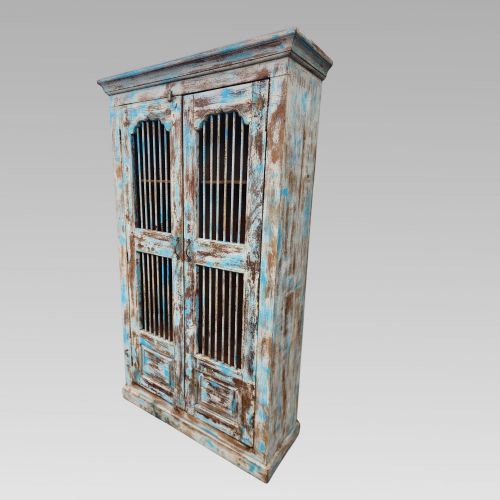
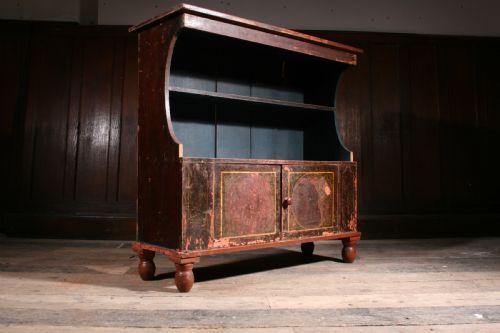
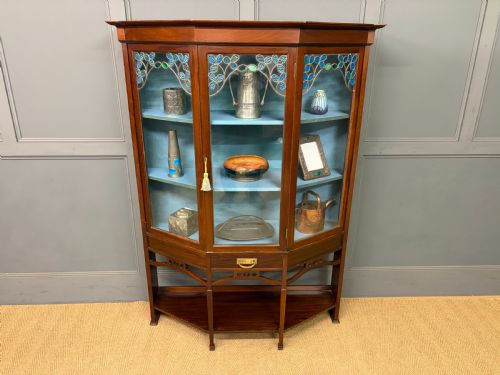
A blue wood cupboard encompasses diverse forms ranging from traditional Swedish kitchen cabinets and linen cupboards to Indian almirahs and Italian apothecary cabinets. These pieces serve as practical storage cupboards, display cabinets, and corner cabinets that anchor a room with functional historic presence.
The selections available lean heavily towards European country styles, notably Swedish pieces featuring ragwork paint or Gustavian designs, alongside eighteenth-century English spice cupboards and French buffets. Alongside these European works, reclaimed Indian teak and cedar storage cupboards offer substantial alternative formats with painted finishes.
Makers and origins cross multiple centuries, stretching from the seventeenth-century Italian architectural tabernacles up through nineteenth-century pine and twentieth-century mahogany corner cabinets. Buyers encounter everything from wall-mounted cupboards to large cupboards on stands, each defined by its specific period aesthetic and painted surface.
How they were made
Construction relies primarily on sturdy timber frameworks utilising pine, mahogany, teak, cedar, and general painted wood, often complemented by iron and brass hardware. Cabinetmakers built these pieces to endure daily use, employing traditional joinery suited to the specific demands of each regional workshop.
Surface finishes define the visual character, utilising applied paint, original paint layers, ragwork techniques, and occasional gold leaf detailing. These decorative treatments range from simple regional applications to sophisticated architectural structures found in Italian and French ateliers.
Blue Wood Cupboard Retail Price Guide 2026
Typical asking prices for blue wood cupboard among the pieces listed under this phrase on Sellingantiques today, from the lower quarter to the upper quarter. They describe what is for sale here now, not the wider market.
Listings feature pieces spanning the seventeenth, eighteenth, nineteenth, and twentieth centuries, incorporating pine, mahogany, teak, and cedar.
What varies in quality
The integrity of the original painted surface dictates much of the visual merit, separating untouched historic patination from later overpainting. Pieces retaining their earliest pigmented layers offer a direct link to their period of origin.
Structural harmony and joinery execution distinguish standard utilitarian furniture from exceptional cabinet work. The balance of proportions, particularly in architectural forms like tabernacles and corner cabinets, reflects the skill invested by the original maker.
The Blue Wood Cupboard Glossary
- Ragwork paint
- A decorative paint technique where rags or cloths are used to manipulate wet colour on a surface, creating mottled or textured patterns typical of Scandinavian country furniture.
- Gustavian
- The Swedish neoclassical style spanning the late eighteenth and early nineteenth centuries, characterised by restrained classical proportions and light painted finishes.
- Almirah
- A traditional freestanding cupboard or wardrobe originating from the Indian subcontinent, frequently constructed from reclaimed teak or cedar with painted exterior surfaces.
- Buffet à deux corps
- A large two-part French dining room cabinet featuring an upper section set upon a deeper lower base, traditionally utilised for storing and displaying tableware.
- Spice cupboard
- A small wall-mounted or tabletop storage piece featuring internal drawers and compartments, designed during the seventeenth and eighteenth centuries for valuable kitchen ingredients.
Blue Wood Cupboard: Frequently Asked Questions
How do I date a blue wood cupboard?
Dating relies on examining the construction methods, nail types, hinge hardware, and timber preparation visible inside the cabinet carcass. Comparing the painted surface to known regional palettes from periods like the eighteenth or nineteenth century helps confirm the era.
Secondary indicators include the style of mouldings, drawer construction, and any locks or escutcheons fitted to the doors. Regional traits, such as Swedish Gustavian carving or Italian architectural proportions, narrow down the historical context.
Where should I place a blue wood cupboard?
These cupboards suit dining rooms, kitchens, and hallways where substantial storage and a distinct colour accent are desired. Taller linen cupboards and wardrobes require sturdy wall fixings for stability in domestic settings.
Placing pieces away from direct heat sources and strong sunlight protects the historic timber and delicate painted surfaces. Corner cabinets utilise awkward angles efficiently while adding architectural interest to empty room junctions.
Are painted finishes original?
Determining original paint involves inspecting the layers for wear, craquelure, and microscopic traces of earlier preparation beneath the surface. Many country pieces were repainted periodically during their working lives to suit changing interiors.
Original ragwork or primary coat applications exhibit natural ageing patterns that match the age of the underlying timber. Professional consultation helps distinguish untouched historic finishes from modern decorative paint treatments.
How do I care for historic painted wood?
Maintenance requires gentle dusting with a dry, soft cloth and avoiding chemical cleaners or abrasive polishes that damage aged paint layers. Maintaining stable room humidity prevents the timber from expanding or contracting.
Protecting the surfaces from moisture and direct sunlight preserves the integrity of the pigments and the underlying wood. Regular inspection of hinges and joints ensures the structure remains stable under daily use.