
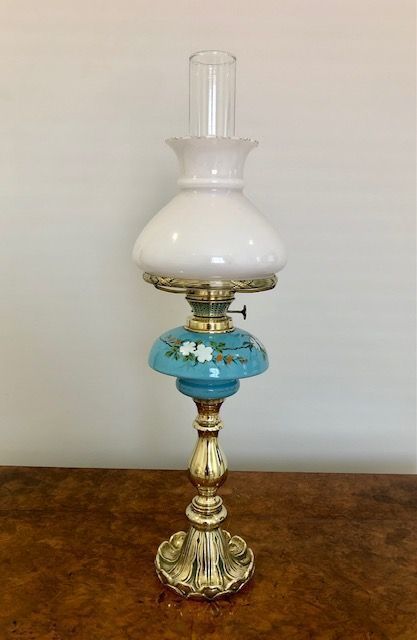


Blue White Table Lighting
Blue white table lighting brings together centuries-old ceramic vessels and period bases, offering functional illumination through repurposed antique jars and vases.
Blue White Table Lighting
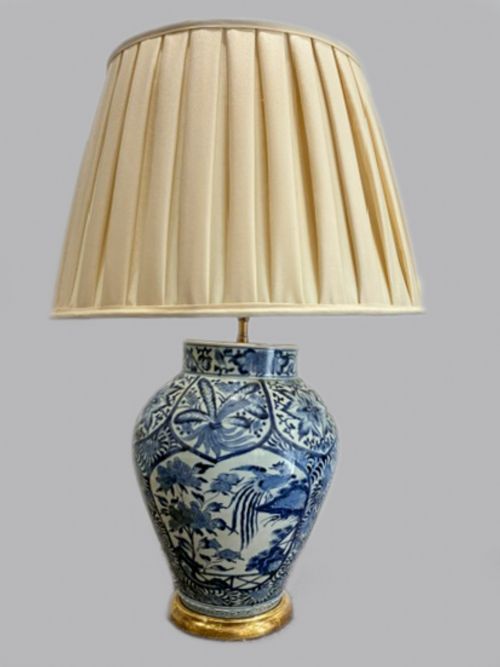
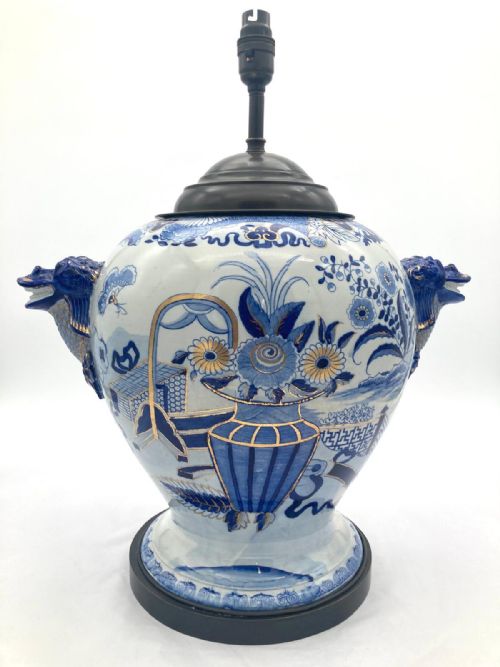
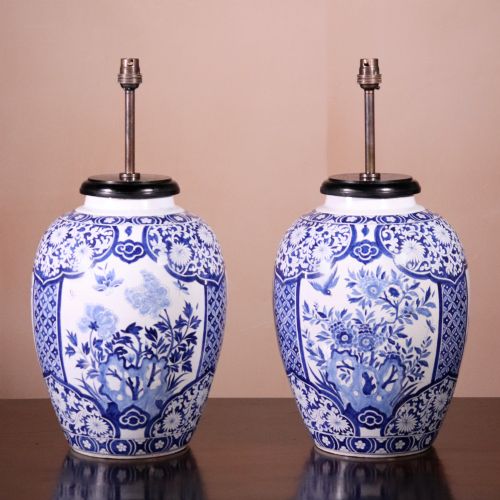
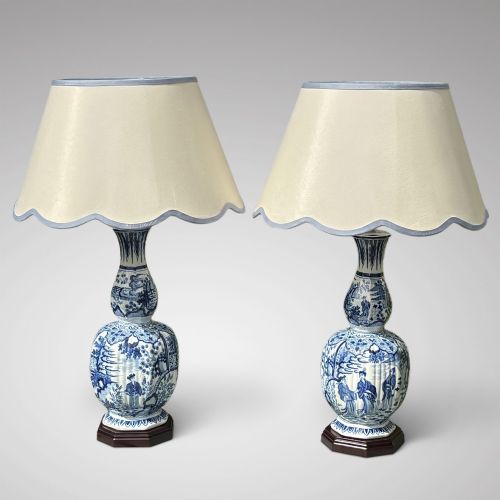
Blue white table lighting primarily consists of antique ceramic and porcelain vessels, including ginger jars and vases, which have been converted into table lamps. These pieces originate from various historical periods, with a strong representation of Chinese export wares, Japanese Arita production, and European Delftware.
The selection ranges from individual statement ginger jars to matched pairs mounted on gilt or brass bases. Alongside converted vessels, the grouping includes period oil lamps, candlesticks, and porcelain figural designs from the Victorian and Art Deco eras.
Materials and Construction
The primary bodies utilise high-fired ceramic, earthenware, and porcelain, hand-painted in cobalt blue pigments beneath a clear glaze. Many examples combine these oriental or European ceramic bodies with metal mounts in brass or bronze.
Lighting conversion involves fitting metal wiring components and occasionally mounting the ceramic vessels onto weighted bases of wood, glass, or metal to ensure stability. Finished pieces are frequently paired with fabric or silk shades.
Historical periods represented include the 17th Century, 18th Century, Victorian era, and Art Deco period.
Grading Quality
Quality rests upon the preservation of the original ceramic vessel, the clarity and depth of the cobalt painting, and the harmony of the metal mounts. Untouched glaze surfaces and crisp hand-painted motifs distinguish superior vessels.
The standard of conversion work also dictates value, where professional mounting and period-appropriate hardware preserve the integrity of the antique ceramic body without causing structural damage.
Hicks and Meigh·Wedgwood
The Blue White Table Lighting Glossary
- Delftware
- Tin-glazed earthenware produced in Dutch and English potteries, notable for its blue and white decoration imitating Chinese porcelain. This technique creates a slightly opaque white surface that accepts cobalt painting.
- Ginger jar
- A high-shouldered ceramic container originally used for storing spices, frequently adapted for electrical lighting due to its balanced proportions. These vessels often feature prunus blossom or geometric patterns.
- Arita porcelain
- Japanese porcelain manufactured around the town of Arita and exported in quantity to Europe. The ware encompasses fine underglaze blue painting and Imari palettes.
- Crackleware
- Pottery featuring a network of fine intentional cracks in the glaze layer. This surface texture adds visual depth to the ceramic body.
- Ironstone
- A durable type of heavy earthenware patented in the nineteenth century. It provides a robust alternative to porcelain for domestic vessels.
Blue White Table Lighting: Frequently Asked Questions
How do I date a lamp body?
Dating relies on examining the ceramic body, glaze characteristics, and potting style rather than the electrical components. Chinese and Japanese export pieces display specific dynasty or period potting traits, whilst European Delftware exhibits distinct earthenware paste.
Secondary indicators include the finish of the metal mounts and the style of any base platforms added during conversion.
Are these lamps converted from old vases?
Many examples are indeed historic vases, ginger jars, and twin-handled vessels adapted for modern lighting. This practice of conversion has a long history, preserving decorative ceramic pieces by giving them a functional domestic purpose.
Expert mounting ensures the vessel remains secure while housing the necessary electrical fittings.
How do I match a shade to these lamps?
Selecting a shade involves balancing the visual weight and height of the ceramic base. Silk or textured fabric shades complement the reflective glaze of porcelain and earthenware without overwhelming the hand-painted blue motifs.
Proportion is key, ensuring the shade diameter relates appropriately to the widest part of the ceramic jar.